Troubleshooting Different Styles of Gold Necklaces: Tangles & Breaks
Discover how to fix tangles, clasp failures, and breakage across different styles of gold necklaces. Expert troubleshooting for 14k, 18k, and 22k chains.

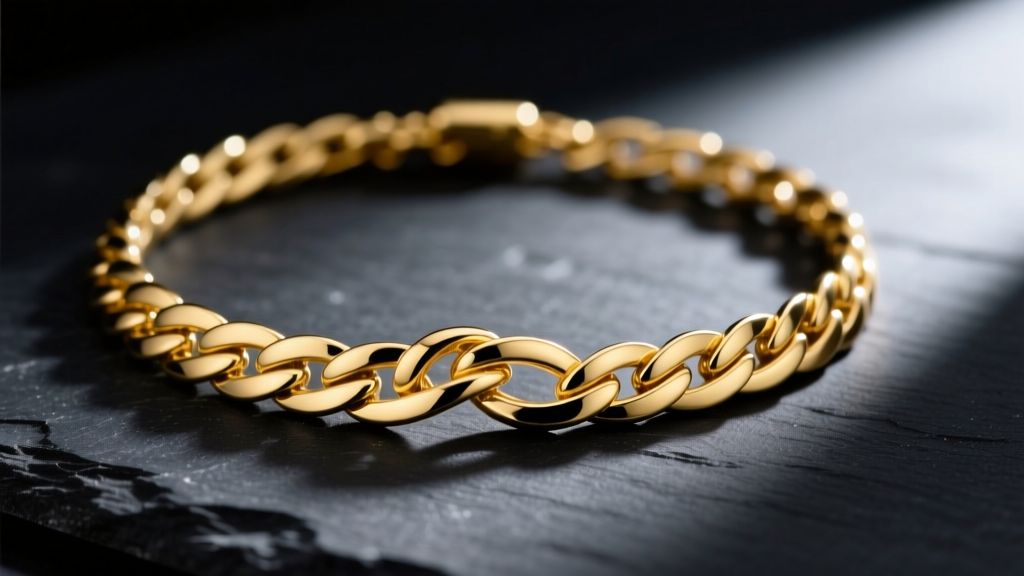
Gold is a remarkably malleable metal, which makes it a dream for jewelers to craft but a frequent source of frustration for everyday wearers. When you invest in fine jewelry, understanding the structural vulnerabilities of your pieces is essential. The way a chain is constructed, combined with its specific alloy composition, dictates how it will respond to tension, friction, and accidental impacts. In this comprehensive troubleshooting guide, we dissect the most common mechanical failures across different styles of gold necklaces and provide expert-level solutions to restore them.
The Metallurgy of Failure: Why Karat Weight Dictates Breakage
Before diagnosing a broken chain, you must understand the tensile strength of the metal itself. Pure 24k gold has a Vickers hardness (HV) of roughly 25, making it far too soft for durable chains. To create wearable jewelry, gold is alloyed with metals like copper, silver, zinc, or nickel. According to the Gemological Institute of America (GIA), these alloys drastically alter the chain's structural integrity.
- 10k Gold (41.7% pure): HV ~160. Highly resistant to bending and scratching, but prone to snapping under sudden, sharp tensile stress due to lower ductility.
- 14k Gold (58.3% pure): HV ~140. The industry standard for daily-wear chains. Offers the best balance of tensile strength and malleability for link soldering.
- 18k Gold (75% pure): HV ~125. Softer and more prone to stretching. Thin 18k chains will gradually elongate over years of wear, thinning the links until they fail.
- 22k Gold (91.6% pure): HV ~60. Extremely soft. Prone to severe deformation and kinking. Best reserved for heavy, rigid collars rather than flexible link chains.
If your chain is stretching and thinning, it is likely 18k or higher and is suffering from chronic tensile overload. The only permanent fix is to have a jeweler cut out the stretched section and re-solder the links, though replacing the chain is often more cost-effective.
Link-by-Link Troubleshooting Guide
The architecture of the chain link determines its specific failure mode. Here is how to troubleshoot the three most problematic chain families.
Herringbone & Snake Chains: The Kinking Nightmares
Herringbone chains are constructed from flat, parallel links laid side-by-side and soldered together. They offer a beautiful, liquid-metal drape, but they have a fatal flaw: they lack a central hinge. If a herringbone chain is bent past a 45-degree angle, the solder fractures, resulting in a permanent, visible kink.
The Fix: Do not attempt to hammer or bend the kink out at home; this will snap the links entirely. A professional jeweler must use a specialized rolling mill to gently compress and flatten the kinked section. Be aware that this process thins the metal slightly, leaving a permanent, albeit smooth, scar.
Rope Chains: The Tangling Hazards
Rope chains mimic the twist of a hemp rope, creating a highly reflective surface. However, the spiraled links easily catch on hair, clothing fibers, and other jewelry, leading to severe, compacted knots. Because the links are tightly wound, pulling on a knot only tightens the spiral, warping the gold.
The Fix: Never use pliers or tweezers, which will mar the soft gold. Lay the chain on a flat, hard surface. Apply a single drop of mineral oil or baby oil to the knot to reduce friction. Using two fine sewing needles, gently work the center link of the knot outward, loosening the spiral tension until the chain unravels.
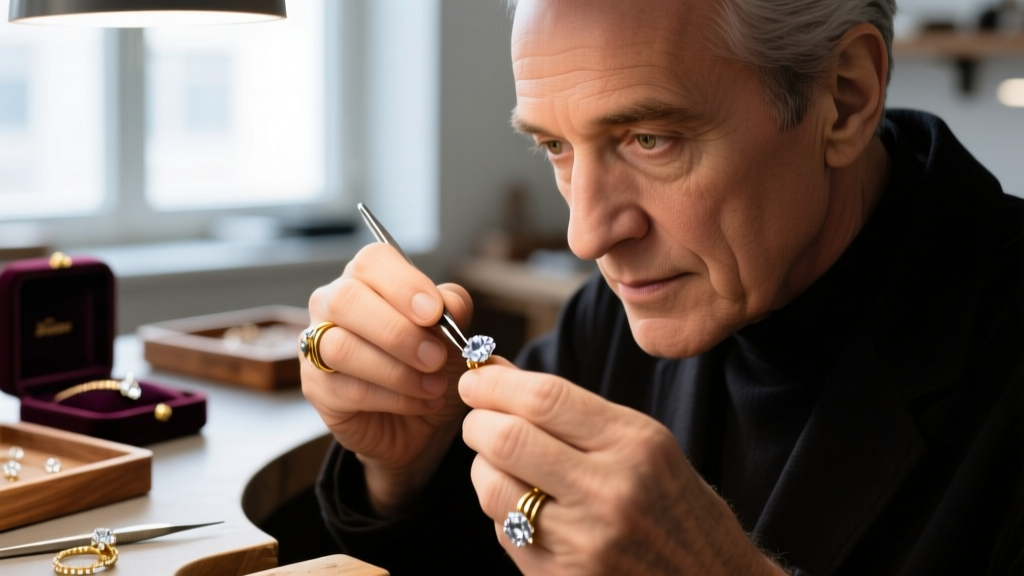
Box & Figaro Chains: The Snapping Hazards
Box chains feature square, 90-degree links. While geometrically striking, those sharp interior corners act as stress concentrators. When subjected to lateral pulling, the stress focuses entirely on the corner, causing the link to snap cleanly in half. Figaro chains, which alternate long and short links, often fail at the solder points of the elongated links, which bear uneven weight distribution.
The Fix: Box chain repairs require precision. Traditional torch soldering often melts the adjacent micro-links due to the high thermal conductivity of gold. According to Jewelers of America repair standards, laser welding is the mandatory protocol for box chains. A laser welder uses a concentrated pulse of light to fuse the metal instantly without transferring heat to the surrounding links.
Clasp Mechanics: Diagnosing the Weakest Link
The clasp is the most mechanically complex component of any necklace and, consequently, the most frequent point of failure. Below is a diagnostic matrix for the most common gold clasp types.
| Clasp Type | Common Failure Mode | Troubleshooting & Repair |
|---|---|---|
| Spring Ring | Lever sticks or fails to retract; internal spring loses tension. | Apply a microscopic drop of sewing machine oil to the lever track. If the spring is dead, the entire clasp must be replaced. |
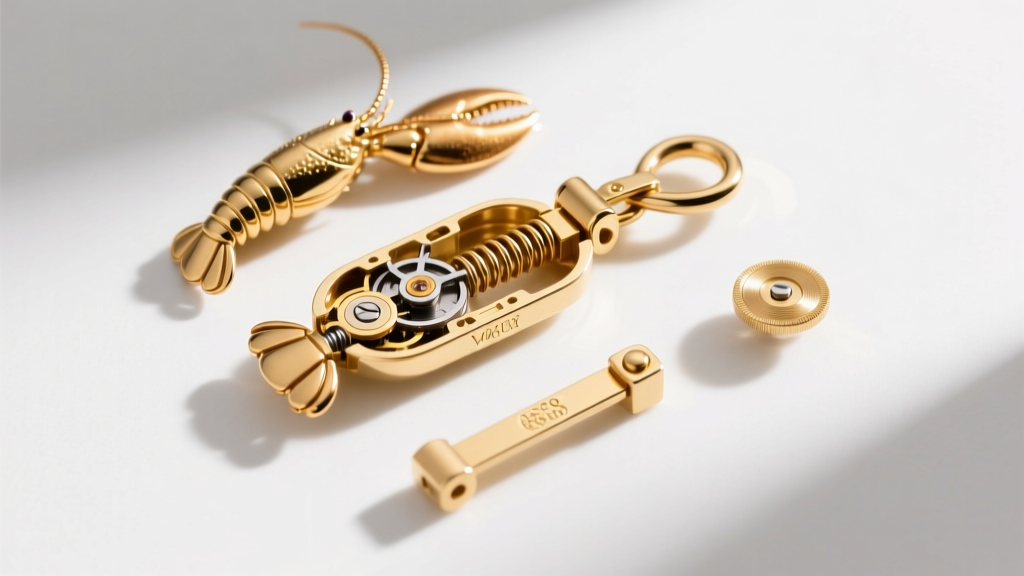
| Lobster Claw | Jaw fails to close flush; pivot pin bends under heavy pendant weight. | Gently squeeze the sides of the clasp with nylon-jaw pliers to realign the jaw. Replace if the pivot pin is compromised. |
| Fishhook / Barrel | Internal threading strips; tension insert loses its grip. | Use a needle file to gently re-cut the internal threads. Bend the tension insert slightly outward to restore friction. |
| Magnetic | Neodymium magnet loses polarity; glue fails due to skin oils. | Magnets cannot be re-magnetized easily in jewelry scales. Replace with a mechanical lobster clasp for security. |
Surface Degradation: Solving Discoloration and Scratching
Beyond structural breaks, different styles of gold necklaces suffer from surface-level degradation that owners often mistake for permanent damage.
White Gold Turning Yellow
White gold is not naturally white; it is a yellow gold alloy mixed with nickel or palladium and plated with rhodium, a platinum-group metal. Over time, friction from clothing and the acidic pH of human sweat wear away the rhodium layer, revealing the pale yellow alloy beneath.
The Fix: This is not a defect but a maintenance requirement. Take the necklace to a jeweler for an ultrasonic cleaning and electroplating. The piece is submerged in a rhodium sulfate bath, and an electrical current fuses a new 0.5-micron layer of rhodium to the surface, restoring its mirror-white finish.
Rose Gold Darkening
Rose gold derives its pink hue from a high copper content (often up to 25% in 14k rose gold). Copper is highly reactive and will naturally oxidize when exposed to oxygen, moisture, and sulfur compounds in the air, causing the chain to darken or develop a patina.
The Fix: Create a gentle cleaning solution of warm water and a few drops of phosphate-free dish soap. Soak the chain for 15 minutes, then gently agitate with a baby-soft toothbrush. Avoid harsh chemical dip cleaners, which can strip the copper from the surface alloy and leave the chain looking porous and brittle.
Professional Repair vs. DIY: A Decision Matrix
Knowing when to attempt a fix at home and when to hand the piece to a master jeweler will save you from catastrophic, irreversible damage.
The Golden Rule of Chain Repair: If the repair requires heat, structural reshaping, or involves a chain thinner than 1.5mm, always seek professional laser welding. DIY soldering kits operate at temperatures that will instantly melt fine gold chains into an unsalvageable lump.
- DIY Safe: Untangling rope chains, polishing minor surface scratches with a treated jeweler's cloth, and lubricating sticky spring ring clasps.
- Professional Required: Fixing kinked herringbone chains, re-tipping worn prongs on pendant bails, laser-welding snapped box or curb links, and re-rhodium plating white gold.
By understanding the specific mechanical and metallurgical properties of your jewelry, you can drastically extend the lifespan of your collection. Proper troubleshooting starts with respecting the material limits of gold and addressing minor issues before they cascade into total chain failure.


