A Beginner's Guide to the Vintage Avon Butterfly Necklace
Discover how to identify, value, and style a vintage Avon butterfly necklace. Learn about 1970s hallmarks, materials, and collector pricing in this guide.

The Enduring Charm of the Vintage Avon Butterfly Necklace
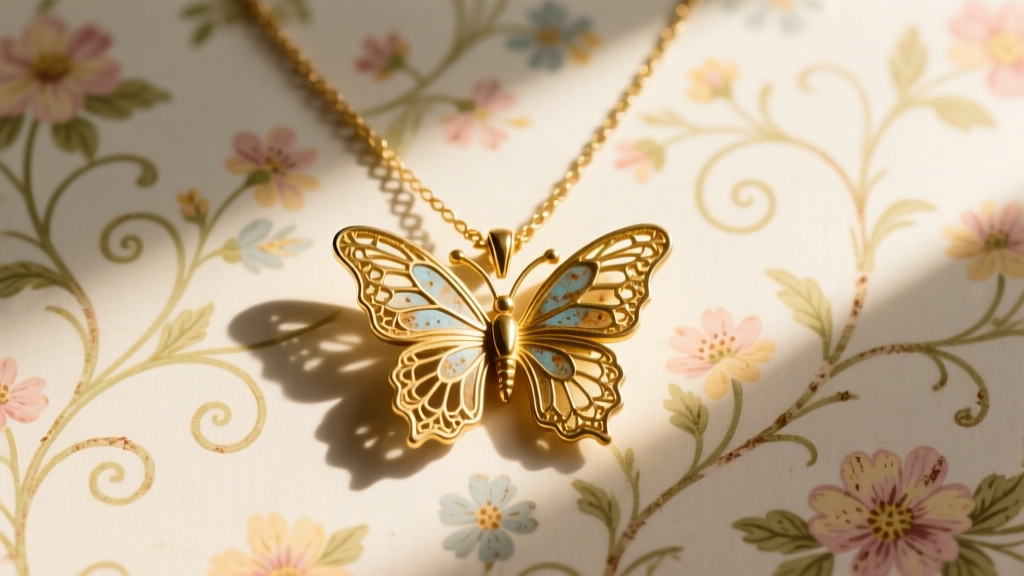
For collectors of mid-century and late-century costume jewelry, few pieces capture the whimsical, nature-inspired zeitgeist of the 1970s and 1980s quite like the vintage Avon butterfly necklace. As a beginner-friendly explainer, this guide will walk you through the intricate details of identifying, valuing, and styling these iconic lepidoptera-themed accessories. Whether you have inherited a piece from a relative or spotted one at a local estate sale, understanding the nuances of Avon’s jewelry production will elevate your appreciation and ensure you make informed purchasing decisions.
The butterfly motif experienced a massive resurgence during the environmental movement of the 1970s. As consumers sought connections to nature, jewelry designers pivoted toward organic shapes, floral patterns, and insect motifs. Avon, primarily known for its cosmetics and fragrances, leveraged its massive direct-sales network to distribute high-quality, affordable costume jewelry directly to American households. Today, these pieces are highly sought after by vintage enthusiasts who appreciate the nostalgic designs and the accessible entry point into serious jewelry collecting.
A Brief History of Avon’s Costume Jewelry Division
To truly understand the vintage Avon butterfly necklace, one must look at Avon's corporate history. Originally founded in 1886 as the California Perfume Company, the brand rebranded to Avon in 1939. While jewelry was introduced as a promotional accessory in the mid-20th century, it wasn't until the 1960s and 1970s that Avon Fashions and Accessories became a dominant force in the costume jewelry market. Avon partnered with skilled manufacturers, often utilizing the same factories in Providence, Rhode Island—the historic hub of American costume jewelry—that produced pieces for high-end designers like Trifari and Coro.
The butterfly pendant became a staple in Avon’s catalog offerings, often sold as part of a parure (a matching set including earrings, a bracelet, and a ring). These pieces were marketed as affordable luxuries, allowing everyday women to accessorize with intricate, gold-tone and enameled designs without the expense of fine jewelry.
How to Authenticate Your Vintage Avon Butterfly Necklace
Authentication is the cornerstone of vintage jewelry collecting. Because Avon jewelry was mass-produced, it is rarely counterfeited in the traditional sense, but distinguishing between a true vintage piece and a modern reproduction or a misattributed item is essential. According to Kovel's guide to costume jewelry identification, hallmarks and construction techniques are your best indicators of age and origin.
Decoding the Hallmarks
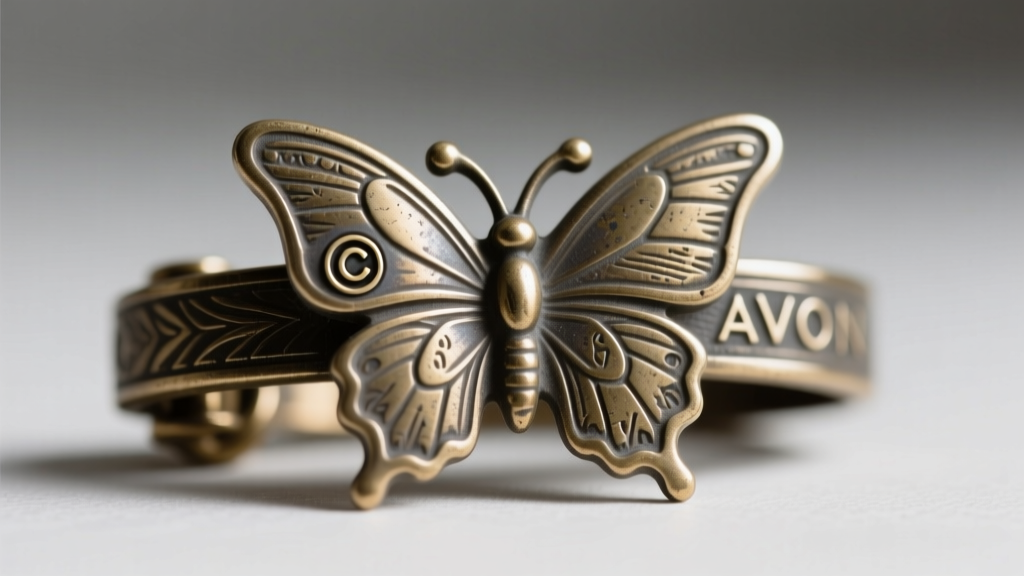
The most reliable way to date a vintage Avon butterfly necklace is by examining the stamp on the clasp, the jump ring, or the back of the pendant itself. Here is a timeline of Avon’s hallmarking practices:
- Pre-1971: Pieces were largely unmarked or simply stamped with "AVON" in a plain block font. These are exceptionally rare and highly prized by serious collectors.
- 1971 to Late 1970s: Avon introduced the copyright symbol. You will typically see a stamped "© AVON" or "©AVON". This is the most common hallmark found on classic 1970s butterfly pendants.
- 1980s to 1990s: The hallmark evolved. You may see "AVON" enclosed in a cartouche (an oval outline), or accompanied by a specific designer's initials or a collection name (e.g., "© AVON TRIFARI" for collaborative lines).
Clasp and Chain Identification
The hardware used on the chain can also provide vital dating clues. 1970s Avon necklaces frequently utilized small spring-ring clasps and standard cable or curb chains. By the 1980s, the jewelry industry saw a shift toward lobster claw clasps and sleeker chain styles, such as the herringbone or snake chain, which were designed to lay flat against the collarbone and highlight the pendant.
Material Composition and Construction Techniques
Unlike fine jewelry, which relies on the intrinsic value of precious metals and gemstones, costume jewelry derives its value from design, craftsmanship, and material innovation. The vintage Avon butterfly necklace was typically constructed using a base metal—often brass, pewter, or a zinc alloy (sometimes referred to as pot metal). This base was then electroplated with a gold-tone or silver-tone finish.
The wings of the butterfly were frequently adorned using one of two techniques:
- Cold Enamel (Epoxy Resin): A painted or poured resin that hardens to a glass-like finish. This allowed for vibrant, opaque colors like deep sapphire, ruby red, or emerald green.
- Guilloché Enamel: A more premium technique where translucent enamel is applied over a metal base that has been machine-engraved with geometric patterns. When light hits a guilloché butterfly wing, it shimmers with incredible depth.
Furthermore, many vintage Avon butterfly necklaces featured glass rhinestones. The most popular finish was Aurora Borealis (AB), a micro-thin metallic coating applied to the glass that creates a rainbow-like iridescence, perfectly mimicking the structural coloration of real butterfly wings.
1970s vs. 1980s Design Characteristics
Understanding the stylistic shifts between decades will help you pinpoint the exact era of your vintage Avon butterfly necklace.
| Feature | 1970s Pieces | 1980s Pieces |
|---|---|---|
| Motif Style | Highly detailed, realistic, often asymmetrical or in mid-flight poses. | More stylized, geometric, or abstract; sometimes featuring interlocking wing designs. |
| Materials | Heavier base metals, opaque cold enamel, prong-set glass rhinestones. | Lighter alloys, increased use of acrylic stones, glued-in rhinestones, lucite accents. |
| Chain Type | Standard cable chains, link chains, spring-ring clasps. | Herringbone, snake chains, box chains, lobster or fold-over clasps. |
| Scale | Modest to medium pendants (1 to 1.5 inches). | Often larger, bolder statement pieces (1.5 to 2.5 inches). |
Valuation: What is a Vintage Avon Butterfly Necklace Worth?
The market for vintage costume jewelry has matured significantly. While a vintage Avon butterfly necklace will not fetch the same prices as a signed piece by Miriam Haskell or Schiaparelli, it holds a solid and growing place in the collector's market. Pricing is heavily dictated by condition, rarity, and the presence of original packaging.
- Common/Good Condition ($15 - $35): Standard gold-tone butterfly pendants on original chains with minor wear to the plating and intact rhinestones.
- Excellent/Highly Detailed ($40 - $85): Pieces featuring intricate guilloché enamel, rare colorways (like deep amethyst or jade green), or matching parure sets that include the original earrings and bracelet.
- Rare/Collector Grade ($100 - $250+): Pre-1971 unmarked pieces, limited-edition collaborations, or necklaces that come with their original Avon catalog box and paperwork intact.
Condition and Dealbreakers
When evaluating a piece for purchase, inspect the gold-tone plating for "brassing"—a condition where the gold wash wears away, exposing the brassy or coppery base metal underneath. While minor brassing on the back of the pendant is acceptable, heavy wear on the front significantly devalues the piece. Additionally, check the rhinestones. If a glass rhinestone looks dull, gray, or black, the moisture has likely breached the setting and ruined the reflective foil backing. These "dead" stones cannot be easily replaced and are a major dealbreaker for serious collectors.
Styling Vintage Lepidoptera Jewelry in the Modern Era
The beauty of a vintage Avon butterfly necklace lies in its versatility. To prevent the piece from looking like a costume or a dated relic, the key is to juxtapose the vintage charm with modern, minimalist wardrobe staples.
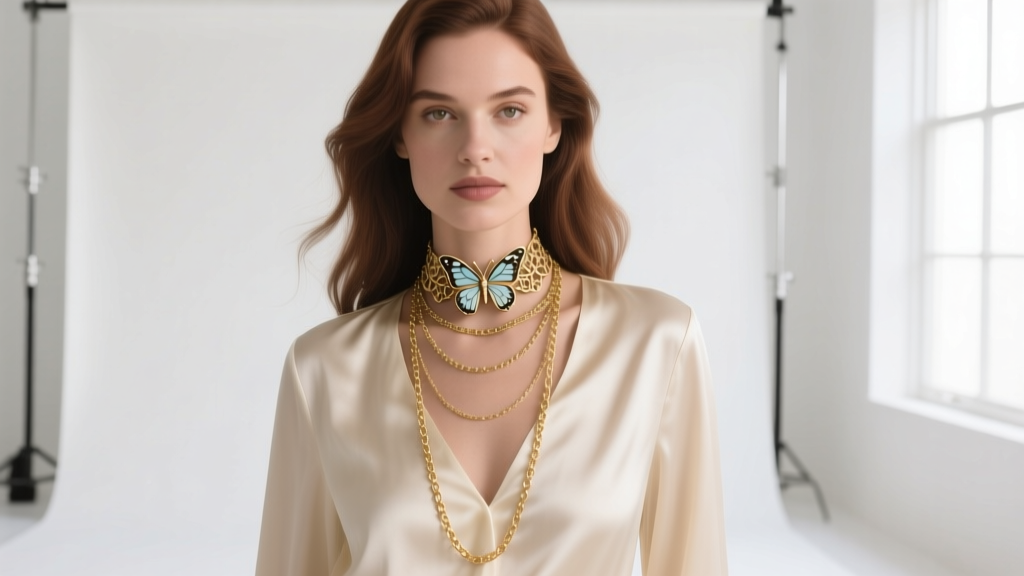
The Layering Technique: Pair a delicate 1970s Avon butterfly pendant on a 16-inch cable chain with a modern, chunky 14-inch gold herringbone choker and a long 24-inch minimalist bar necklace. This creates a curated, eclectic look that feels intentional rather than nostalgic.
Neckline Pairing: Butterfly pendants shine best when they have room to breathe. Avoid busy, ruffled collars. Instead, opt for a crisp, cream-colored silk button-down left unbuttoned at the top, or a simple ribbed turtleneck in the winter. The contrast between the intricate vintage metalwork and the clean lines of modern clothing allows the necklace to serve as the focal point of your outfit.
Expert Care and Maintenance Protocols
Costume jewelry requires a different care regimen than fine jewelry. The alloys and plating used in your vintage Avon butterfly necklace are highly susceptible to moisture, chemicals, and friction.
Expert Warning: Never use ultrasonic cleaners, liquid silver dips, or harsh chemical polishes on vintage costume jewelry. These will instantly strip the delicate gold-tone electroplating and dissolve the adhesive holding the rhinestones in place.
Routine Cleaning: To remove skin oils and perfume residue, gently wipe the metal with a dry, lint-free microfiber cloth. For dust trapped in the crevices of the butterfly wings or the facets of the rhinestones, use a clean, dry, soft-bristled makeup brush. Gently sweep the brush over the stones to dislodge dirt without risking moisture damage to the foil backings.
Storage: Store your necklace in a cool, dry place away from direct sunlight, which can fade cold enamel and yellow acrylic stones. Place the necklace in an anti-tarnish ziplock bag or a soft velvet pouch. To prevent the chain from tangling and the clasp from scratching the pendant, fasten the clasp and lay the piece flat, or hang it on a velvet-lined jewelry stand.
Final Thoughts on Collecting
Embarking on the journey of collecting vintage costume jewelry is a rewarding pursuit that connects you to the fashion and cultural history of the late 20th century. The vintage Avon butterfly necklace is more than just a charming accessory; it is a testament to an era when accessible, mass-market jewelry was crafted with an eye for intricate design and enduring style. By understanding the hallmarks, materials, and proper care techniques outlined in this guide, you are now equipped to hunt for, authenticate, and cherish these beautiful winged treasures for years to come.


