How to Choose the Strongest Necklace Links for Pendants
Discover which necklace links offer the best durability for heavy pendants. Our buying guide covers chain strength, tangling, and metal grades.

When investing in fine jewelry, the aesthetic appeal of a chain often overshadows its structural engineering. However, if you plan to wear a pendant daily, the structural integrity of your necklace links is the single most important factor in preventing catastrophic failure. A beautiful chain that snaps under the dynamic weight of a pendant will result in lost jewelry and expensive repairs. This comprehensive buying guide cuts through the marketing fluff to explore the metallurgy, gauge specifications, and link geometries that dictate chain longevity.
Why Link Structure Dictates Chain Longevity
The fundamental difference between a chain that lasts a lifetime and one that stretches or snaps within a year lies in how the individual links are formed and connected. In jewelry manufacturing, chains are broadly categorized into two structural types: soldered and unsoldered.
Soldered vs. Unsoldered Links
Unsoldered links are created by bending a wire into a loop and pressing the ends together. They rely entirely on the tensile strength and work-hardening of the metal to stay closed. When subjected to the lateral pulling force of a heavy pendant, unsoldered links will eventually pull apart at the seam.
Soldered links, on the other hand, feature a microscopic weld (usually using a lower-karat gold or silver solder alloy) at the seam of every single loop. According to manufacturing standards outlined by suppliers like Rio Grande, soldered necklace links distribute tension evenly across the entire circumference of the wire, making them exponentially more resistant to pulling and stretching. For any pendant weighing more than 3 grams, soldered links are non-negotiable.
The Strongest Necklace Links for Heavy Pendants
Not all link geometries are created equal. The way links interlock determines how force is distributed across the chain. Here are the most durable configurations for pendant wear.
Cable and Curb Links: The Structural Workhorses
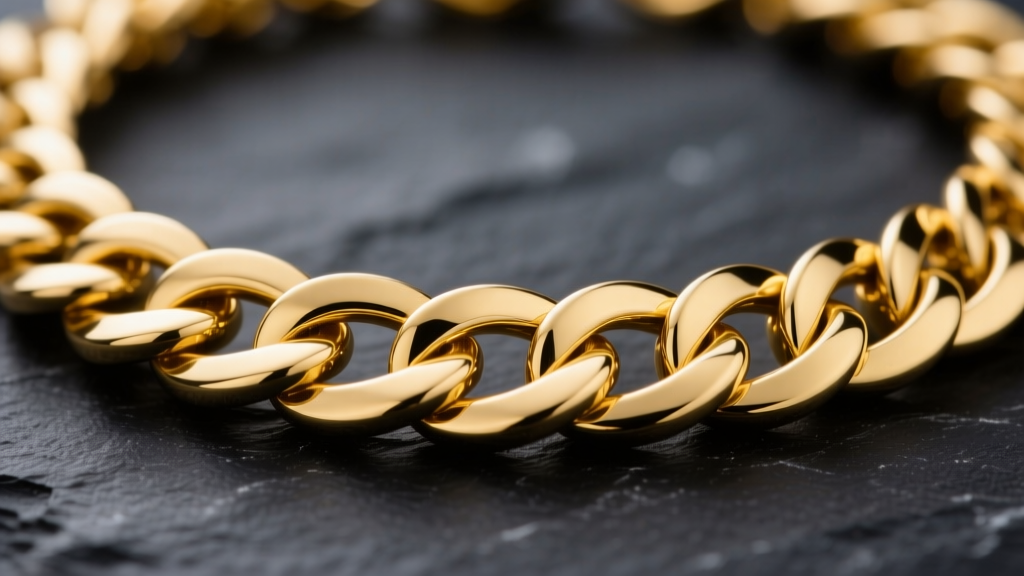
The standard cable chain consists of uniform oval or round links. When these links are flattened and twisted so they lay flush against one another, they become a curb chain. Both configurations are exceptionally strong when soldered. The curb link, in particular, offers a wider surface area of metal-to-metal contact between adjoining links, reducing friction and localized wear. A 2.0mm solid 14k gold curb chain can easily support a 20-gram pendant without exhibiting signs of metal fatigue.
Wheat and Rope Links: Woven Tensile Strength
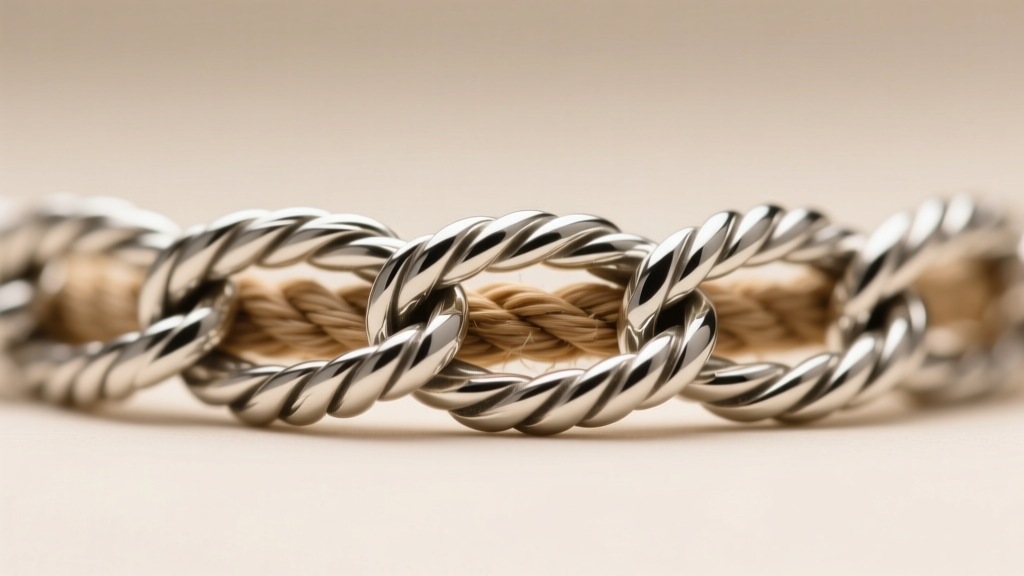
Wheat (or spiga) chains feature oval links woven together in the same direction, creating a braided, semi-rigid tube. Because the links are interlocked at multiple angles, the tensile strength is distributed across four to eight individual wires at any given cross-section. Rope chains operate on a similar principle, twisting multiple strands of links into a helical pattern. While incredibly strong against snapping, rope chains can be prone to trapping body oils and lotions, requiring more rigorous maintenance to prevent the links from becoming brittle over time.
Links to Avoid for Daily Pendant Wear
Just as important as knowing what to buy is knowing what to avoid. Certain necklace links are designed purely for drape and fluidity, making them structurally incompatible with the dynamic load of a pendant.
- Snake Chains: Composed of tightly joined, slightly curved bands that form a smooth, flexible tube. Snake chains have virtually no structural memory. If bent sharply, they kink permanently. The weight of a pendant swinging against the collarbone will eventually cause micro-kinks that lead to snapping.
- Herringbone Chains: These feature flat, short, parallel links set in a V-shaped pattern. They lay beautifully against the skin but are notorious for irreversible kinking. The Gemological Institute of America (GIA) frequently notes that herringbone and snake chains are nearly impossible to repair once the metal's structural memory is compromised.
- Omega Chains: Similar to herringbone, omegas rely on a mesh interior wire to hold flat metal plates. They are rigid and will snap if folded or subjected to the leverage of a heavy pendant bail.
Wire Gauge and Metal Hardness: The Hidden Variables
The physical shape of the link is only half the equation; the thickness of the wire (gauge) and the metallurgical properties of the alloy complete the picture. Wire thickness in jewelry is typically measured in millimeters for chains. Choosing the correct gauge requires matching the chain's mass to the pendant's weight.
Pendant Weight to Chain Gauge Matrix
| Wire Gauge (mm) | Max Pendant Weight | Recommended Link Types | Best Use Case |
|---|---|---|---|
| 0.8mm - 1.0mm | Under 5g | Solid Cable, Box | Lightweight gemstone solitaires, delicate daily wear |
| 1.2mm - 1.5mm | 5g - 15g | Curb, Wheat, Mariner | Standard gold crosses, medium diamond pendants |
| 2.0mm - 3.0mm | 15g - 30g | Rope, Thick Curb, Figaro | Heavy signet pendants, large gemstone statement pieces |
| 4.0mm and above | 30g+ | Heavy Cuban, Solid Curb | Oversized medallions, solid gold talismans |
The Role of Metal Alloys
The karat and alloy composition drastically affect link durability. 24k gold is too soft for chain manufacturing. 14k gold (58.5% pure gold) offers an ideal balance of rich color and tensile strength due to the copper and silver alloys mixed in. Platinum, while heavier and more expensive, possesses a higher density and tensile strength than gold. A 1.2mm platinum cable chain will support significantly more weight before stretching than a 1.2mm 14k gold chain of the exact same link geometry.
The Weakest Point: Clasps and Jump Rings
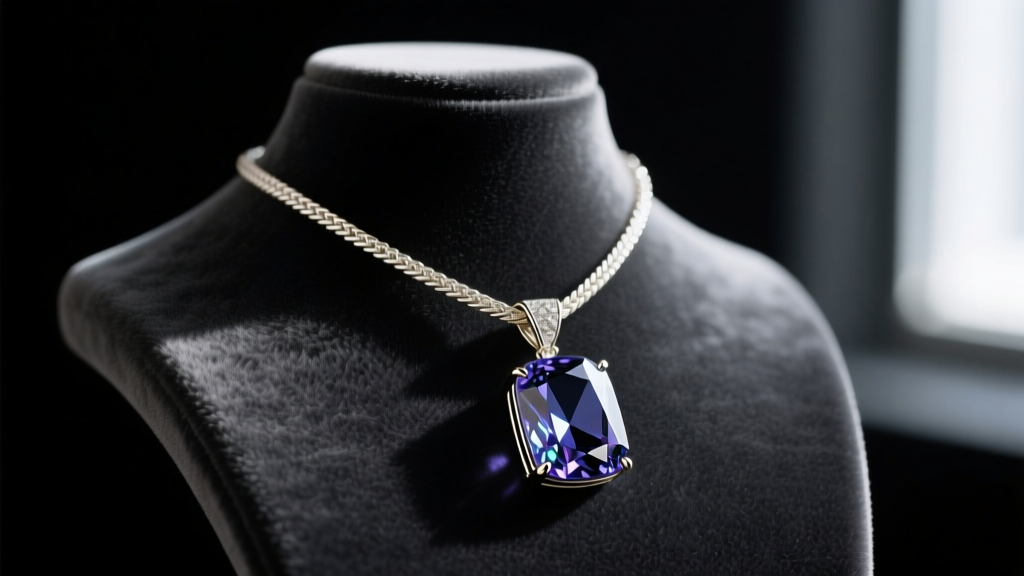
A common mistake buyers make is investing in a heavy-duty 3.0mm curb chain, only to attach it to a pendant using a flimsy, 0.6mm unsoldered jump ring. The structural integrity of your necklace links is entirely negated if the connecting hardware is subpar.
A chain is only as strong as its weakest soldered seam. Upgrading the chain without upgrading the connecting jump ring is a recipe for lost jewelry.
When attaching a pendant, always ensure the jump ring is soldered closed. For heavy pendants, request that your jeweler use a 16-gauge or 14-gauge jump ring (approximately 1.2mm to 1.6mm thick wire) and laser-weld it shut. Additionally, inspect the clasp. Spring ring clasps are prone to internal spring failure and should be avoided for anything over 10 grams. Opt for a solid cast lobster clasp or a box clasp equipped with a secondary figure-eight safety catch.
Evaluating Chain Flexibility and Tangling
Durability is not just about resisting snapping; it is also about resisting tangles and knots, which cause metal fatigue when forcefully pulled apart. Box chains and wheat chains are highly resistant to tangling due to their semi-rigid, interlocking geometry. Conversely, fine rope chains and serpentine chains are notorious for catching on individual hairs and knotting. If you are buying necklace links for a pendant you plan to wear while sleeping or exercising, prioritize geometric rigidity (like a box or curb link) over fluid drape to prevent frustrating micro-tangles that weaken the wire over time.
Final Verdict: Matching Link to Lifestyle
Choosing the right necklace links requires a pragmatic assessment of your lifestyle and the specific pendant you intend to wear. For lightweight, delicate pendants under 5 grams, a 1.0mm solid box or cable chain provides an elegant, unobtrusive profile. For medium to heavy pendants worn daily, a 1.5mm to 2.5mm soldered curb or wheat chain offers the ultimate combination of tensile strength, kink-resistance, and classic aesthetics. Always verify that the links are individually soldered, the jump rings are laser-welded, and the clasp is rated for the dynamic weight of your jewelry. By prioritizing structural engineering over fleeting trends, you ensure your pendant remains secure for decades.


