Is Your Cd Necklace Toxic? 2026 Heavy Metal Safety Guide
Discover the hidden dangers of a Cd necklace. Learn how to identify toxic cadmium in jewelry and compare safe 2026 alternatives like titanium.

The Hidden Danger in Cheap Jewelry: What is a Cd Necklace?
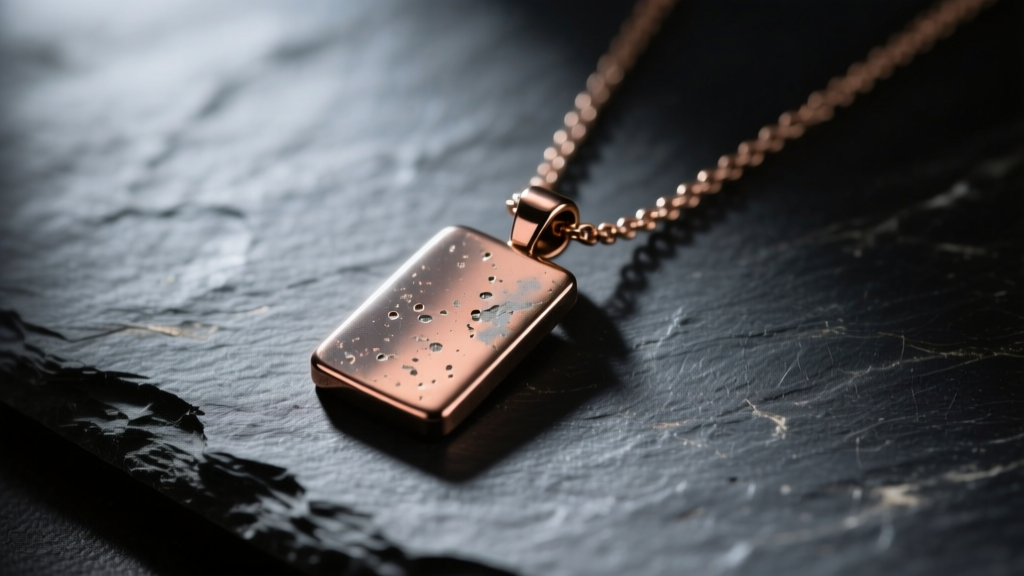
Jewelry shopping should be an exercise in self-expression, not a game of toxicological roulette. Yet, the explosion of ultra-fast fashion and unregulated overseas manufacturing has introduced a silent hazard into millions of jewelry boxes worldwide. When consumers search for a bargain, they might inadvertently purchase a cd necklace containing high levels of cadmium (chemical symbol Cd), a highly toxic heavy metal. While most buyers are familiar with the dangers of lead in vintage or cheap jewelry, cadmium has quietly replaced lead as the go-to brightening agent in low-tier zinc and brass alloys.
Cadmium is a soft, bluish-white metal that is classified as a Group 1 carcinogen by the International Agency for Research on Cancer (IARC). In the context of jewelry, a "Cd necklace" refers to any pendant or chain where cadmium has been intentionally added to the alloy mix. Manufacturers favor it because it drastically lowers the melting point of base metals, improves fluidity during die-casting, and provides a brilliant, silvery finish that resists tarnishing far better than cheap brass or copper. However, this aesthetic benefit comes with severe biological and environmental costs.
Material Properties: Why Manufacturers Use Cadmium
To understand why a cd necklace might end up in your collection, we have to look at the metallurgy of cheap jewelry production. High-quality jewelry relies on precious metals like sterling silver, gold, or platinum. Mid-tier jewelry uses 316L surgical steel or titanium. But the lowest tier of mass-produced jewelry relies on zinc alloys (often referred to as Zamak) or cheap brass.
When melting zinc alloys, adding just 1% to 5% cadmium yields remarkable manufacturing benefits:
- Lower Melting Point: Cadmium melts at just 321°C (610°F). Adding it to zinc reduces the overall energy required to cast thousands of pendants per hour, saving factories significant overhead.
- Enhanced Fluidity: It allows the molten alloy to fill intricate, detailed molds perfectly, reducing factory defect rates for complex pendant designs.
- Tarnish Resistance: Unlike copper or raw zinc, which oxidize and turn green or black upon contact with air and skin oils, cadmium remains bright and silvery for months, mimicking white gold or rhodium-plated silver.
Comparing Cd to Safe Jewelry Alloys
When evaluating the material properties of necklace chains and pendants, it is crucial to compare cadmium-laced alloys against modern, biocompatible alternatives. The table below breaks down the physical and safety properties of common necklace materials in 2026.
| Material | Density (g/cm³) | Melting Point | Biocompatibility | Average Cost (Raw) |
|---|---|---|---|---|
| Cadmium-Zinc Alloy | 7.1 - 8.6 | ~350°C | Highly Toxic / Carcinogenic | $2 - $4 / kg |
| 316L Surgical Steel | 8.0 | 1400°C | Safe (Contains trace Nickel) | $15 - $25 / kg |
| Grade 23 Titanium (Ti-6Al-4V) | 4.43 | 1604°C | 100% Hypoallergenic / Inert | $80 - $120 / kg |
| Niobium | 8.57 | 2477°C | 100% Hypoallergenic / Inert | $150 - $200 / kg |
The Leaching Problem: Sweat, pH, and Heavy Metal Exposure
The primary danger of a cd necklace is not necessarily from simply touching it, but from the leaching process that occurs when the metal interacts with human biology. Human sweat is not just water; it is a complex electrolyte solution containing sodium chloride, urea, and lactic acid. The pH of human sweat typically ranges from 4.5 to 7.0, making it mildly acidic.
When a cadmium-heavy pendant rests against the sternum—an area prone to perspiration—the acidic environment accelerates the corrosion of the base zinc alloy. As the zinc degrades, the cadmium is released as ionic cadmium (Cd2+). This ionized metal easily penetrates the stratum corneum (the outermost layer of skin). Prolonged dermal exposure to cadmium can cause severe contact dermatitis, localized hair loss, and systemic absorption. Once in the bloodstream, cadmium accumulates in the kidneys and liver, possessing a biological half-life of up to 30 years.
2026 Regulatory Standards and Testing Methods
In response to mounting evidence of heavy metal toxicity, global regulatory bodies have cracked down on cadmium in consumer goods. According to the U.S. Consumer Product Safety Commission (CPSC), cadmium levels in children's jewelry are strictly capped, but adult jewelry remains a gray area in many jurisdictions. In Europe, the European Chemicals Agency (ECHA) enforces REACH regulations, which strictly limit cadmium in jewelry to 0.01% by weight (100 ppm).
The Swab Test Misconception
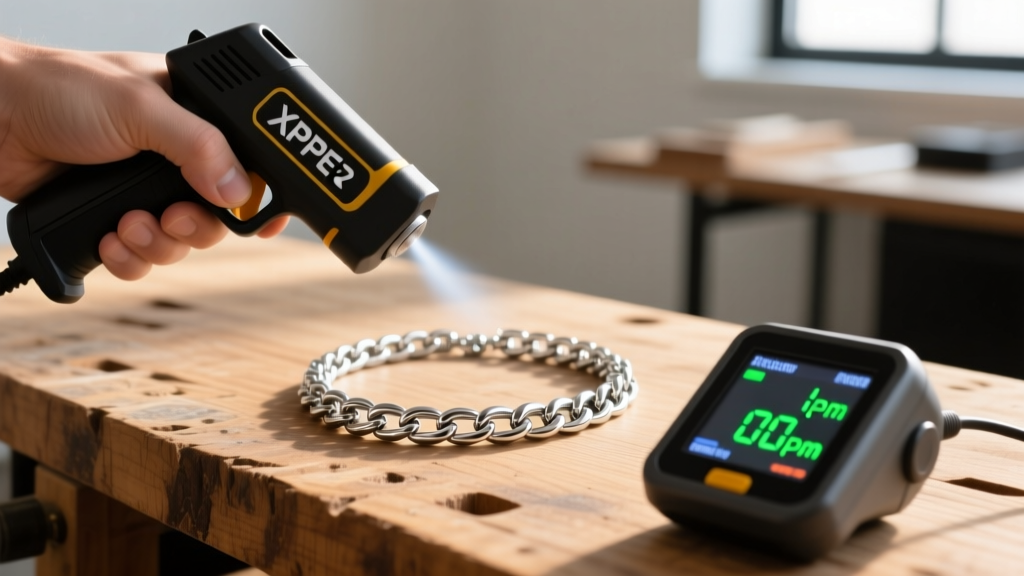
A critical piece of expert advice for jewelry collectors: standard at-home lead test swabs (which use sodium rhodizonate) do not reliably detect cadmium. Many consumers mistakenly believe that a negative lead swab means a necklace is safe. To accurately identify a cd necklace, you must use specialized cadmium test kits or, ideally, X-Ray Fluorescence (XRF) spectrometry. XRF guns can instantly read the elemental composition of a pendant without damaging the surface, providing exact parts-per-million (ppm) readings.
"Consumers must realize that 'lead-free' does not mean 'heavy-metal-free.' The substitution of lead with cadmium in cheap die-cast jewelry remains a significant loophole in international import screening." — 2025 Journal of Materials Safety & Consumer Protection
Environmental Impact of Cadmium Mining
Beyond human health, the material footprint of cadmium is devastating. Cadmium is rarely mined on its own; it is primarily extracted as a byproduct of zinc mining and smelting. The process generates massive amounts of toxic tailings that leach into local water tables. By purchasing unverified, ultra-cheap jewelry, consumers inadvertently fund mining operations that cause severe soil degradation and bioaccumulation of heavy metals in local agricultural zones. Choosing traceable, recycled, or high-grade metals is a vital step toward sustainable jewelry consumption in 2026.
How to Build a Safe, Hypoallergenic Collection
If you are purging your collection of suspicious fast-fashion pieces, what should you replace them with? The key is to look for materials that are chemically inert and possess high corrosion resistance. Here are the top-tier materials to seek out for your next pendant or chain:
- Implant-Grade Titanium (ASTM F136): Often used in medical implants, this alloy is entirely nickel-free and cadmium-free. It is incredibly lightweight, making it perfect for chunky, oversized chain necklaces that won't weigh down your neck.
- Solid Niobium: Niobium is a transitional metal that is highly resistant to corrosion. It can be anodized using electricity to create vibrant, permanent colors (like deep blues, purples, and golds) without the need for toxic chemical plating or cadmium-laced enamels.
- Recycled Sterling Silver (925): While silver does tarnish, it is inherently safe. Look for brands that certify their silver is refined from e-waste or recycled sources, ensuring no toxic heavy metals are introduced during the alloying process.
Red Flags: Identifying a Potentially Toxic Necklace
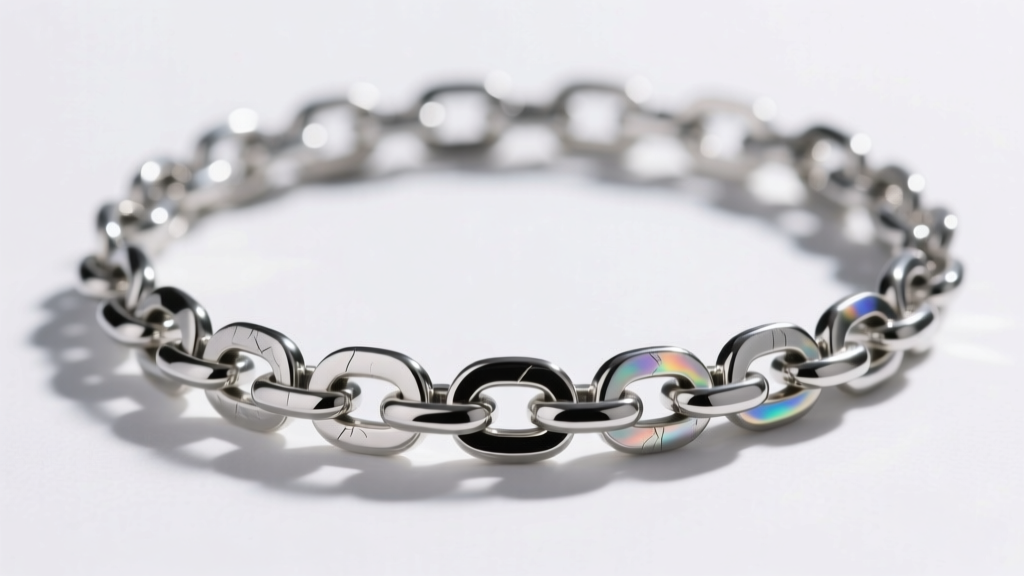
While you cannot see cadmium with the naked eye, there are several contextual red flags that suggest a necklace might be a hazardous cd necklace:
- Price Discrepancy: If a thick, heavy, silver-colored chain necklace costs under $15, it is almost certainly a zinc-cadmium alloy. Solid metals simply cannot be mined, refined, and manufactured at that price point.
- Unbranded "Tibetan Silver" or "Tibetan Bronze": These are marketing terms for cheap, unregulated pot metals that frequently contain high levels of cadmium, lead, and arsenic.
- Chalky White Corrosion: When cheap zinc alloys finally do corrode, they form a white, chalky zinc oxide layer. If you see this white powder forming around the clasp or links, the underlying alloy is highly suspect.
Final Verdict: Upgrading Your Jewelry Box
The era of turning a blind eye to the material science of our accessories is over. A cd necklace might offer a fleeting, silvery shine, but the biological and environmental toll of cadmium makes it a material that belongs in industrial batteries, not against human skin. As we move through 2026, the most stylish choice you can make is an informed one. Demand transparency from brands, invest in biocompatible metals like titanium and niobium, and treat your jewelry box as a curated collection of safe, enduring art rather than a revolving door of toxic fast fashion.


