The Ultimate Locket Heart Necklace Gift Guide 2026
Discover the perfect locket heart necklace for every occasion in our 2026 gift guide. Learn about metals, photo sizing, and chain pairings.

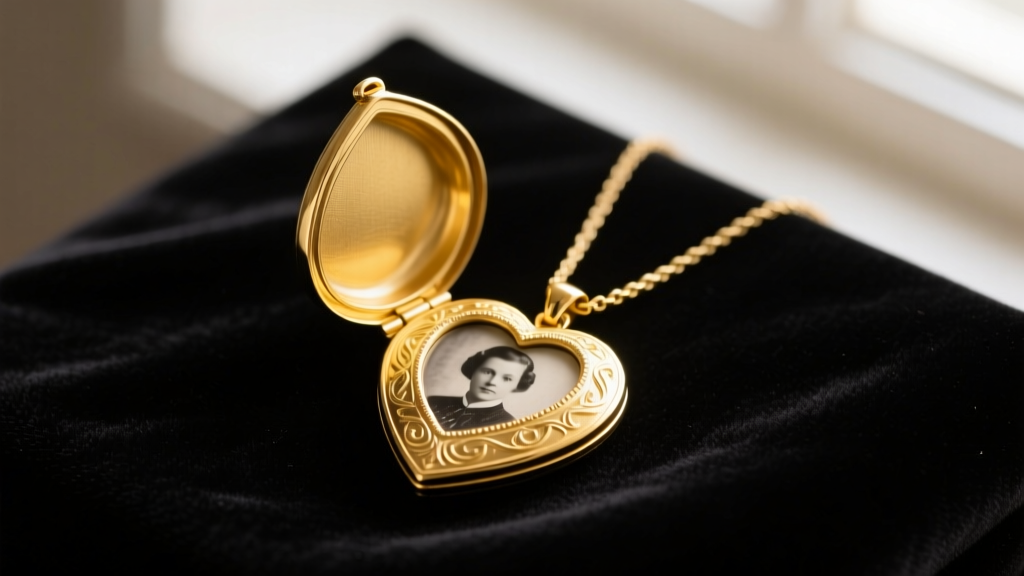
The Timeless Appeal of the Heart Locket
Sentimental jewelry has cemented its place in the 2026 market, with the locket heart necklace standing out as a premier choice for milestone gifting. Unlike fleeting fashion trends, a heart locket bridges the gap between fine jewelry craftsmanship and deeply personal storytelling. According to the Victoria and Albert Museum, lockets have been worn since the 16th century to hold relics, portraits, and locks of hair. Today, they remain a powerful vessel for memory. However, the market is flooded with poorly constructed pieces that fail within months. This guide cuts through the noise, providing a masterclass in selecting, evaluating, and gifting the perfect locket heart necklace for any occasion.
Decoding Metals: What to Buy Based on the Recipient
When selecting a locket heart necklace, the metal dictates both the price point and the generational longevity of the piece. The Gemological Institute of America (GIA) emphasizes that understanding gold karatage and alloy compositions is critical for jewelry buyers. For a gift meant to be worn daily, the metal must withstand friction, sweat, and environmental exposure without degrading.
Solid Gold vs. Gold Vermeil vs. Sterling Silver
Solid 14k gold is the undisputed champion for heirloom-quality lockets. It contains 58.5% pure gold, offering the perfect balance of rich color and structural hardness. 18k gold, while more luxurious in hue, is softer and more prone to scratching on the high-polish surfaces typical of heart lockets. Gold vermeil is an excellent alternative for trend-conscious recipients, but you must verify the plating thickness. True vermeil requires a minimum of 2.5 microns of gold over a sterling silver base. Anything less is standard gold plating and will wear through to the silver within a year of daily wear. Sterling silver remains a classic, budget-friendly option, but ensure it features a rhodium flash to delay inevitable tarnishing.
| Metal Type | Composition | Price Range (2026) | Best Gifting Occasion |
|---|---|---|---|
| 14k Solid Gold | 58.5% pure gold, alloyed for strength | $250 - $800 | Anniversaries, Heirlooms, Push Presents |
| Gold Vermeil | 2.5µm+ 14k/18k gold over 925 silver | $90 - $180 | Graduations, Sweet 16, Trend Gifting |
| Sterling Silver | 92.5% silver, 7.5% copper (rhodium plated) | $60 - $150 | First Valentines, Friendship Milestones |
Occasion Matching: Which Heart Locket Fits the Milestone?
The size, weight, and embellishment of a locket heart necklace should align with the significance of the event. A massive, heavy locket is inappropriate for a subtle everyday reminder, just as a microscopic pendant will get lost as a major anniversary centerpiece.
- The Push Present (New Mother): Opt for a 20mm to 25mm solid gold heart locket. This size comfortably holds a newborn’s hospital portrait. Pair it with a sturdy 18-inch chain that sits safely below the neckline, avoiding interference with nursing or holding the baby.
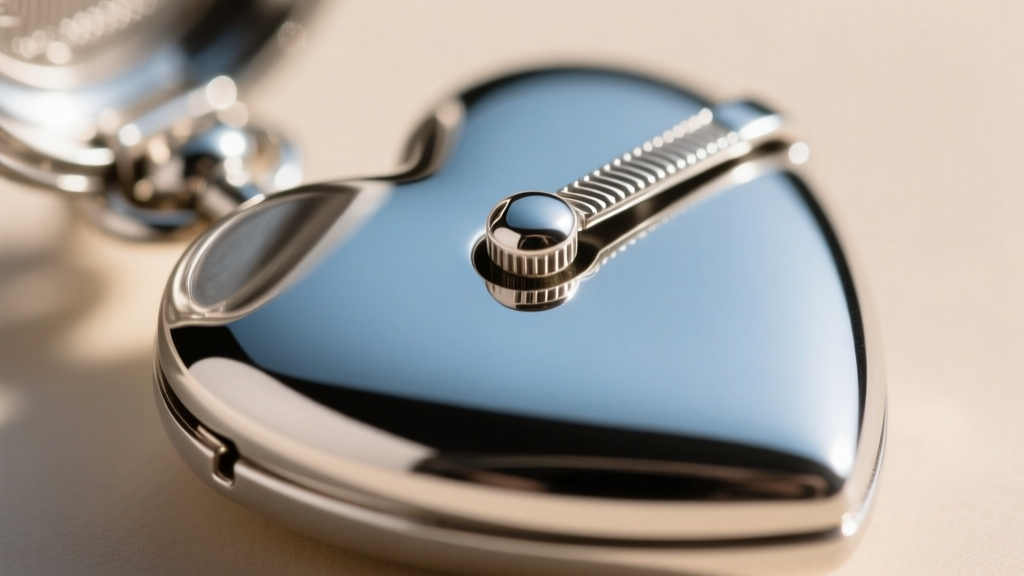
- In Memoriam: For a memorial piece, choose a 15mm to 18mm locket with a secure, soldered bail. Many modern memorial lockets feature a hidden, threaded micro-compartment on the back for a symbolic amount of cremation ash, sealed with a jeweler's screw and O-ring.
- First Anniversary or Valentine's Day: A minimalist 12mm gold vermeil or sterling silver heart locket on a delicate 16-inch choker chain offers a modern, layered look that appeals to younger demographics.
- Milestone Graduation: Look for lockets featuring a subtle birthstone accent on the bail or a hand-engraved monogram on the reverse. Hand engraving removes metal, creating a permanent, tactile mark, whereas laser engraving merely alters the surface color and can fade over decades.
The Mechanics of a Quality Locket: Hinges, Catches, and Photo Inserts
Most buyers focus entirely on the exterior aesthetic, completely ignoring the internal mechanics. A locket is essentially a micro-door; if the hardware is flawed, the piece is useless. As a domain expert, I evaluate lockets based on three critical mechanical failure points.
Common Failure Modes to Avoid
First, examine the hinge. Cheap lockets use a simple 3-barrel hinge with a thin brass pin that easily bends and works itself out of the barrel over time. High-quality lockets utilize a 5-barrel hinge with a hardened steel pin, distributing the tension evenly and ensuring the door opens smoothly for decades. Second, test the catch. The closure should rely on a mechanical "snap" created by a tensioned metal lip, not mere friction. If the locket relies on friction, it will inevitably pop open when the wearer bends over, spilling the photo. Finally, inspect the bail. Cast-in-place bails (where the loop is cast as part of the pendant body) often suffer from porosity and snap at the neck. Always choose a locket with a separately cast, heavy-duty soldered bail or a thick jump ring.
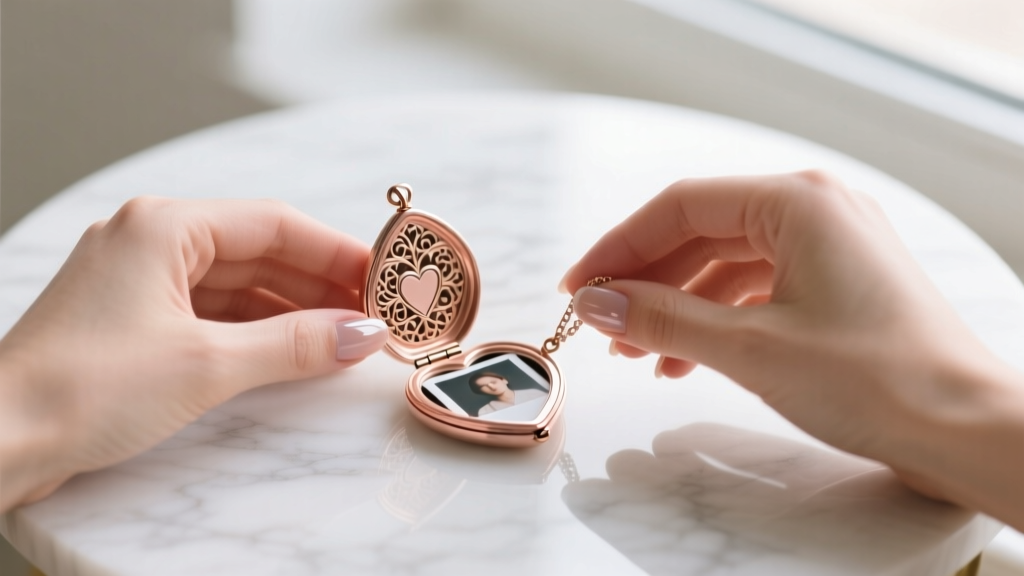
Furthermore, pay attention to the photo inserts. Mass-produced lockets use cheap PVC plastic covers that off-gas and yellow over time, eventually adhering to and destroying the photograph inside. Seek out lockets that use archival-quality Mylar sleeves or mineral glass inserts to protect your precious memories. Standard heart lockets typically require photos cropped to 14mm x 14mm or 18mm x 18mm; always measure the internal recess before printing your inserts.
Chain Pairing and Length Guide for Heart Lockets
A heart locket is inherently front-heavy. The dense metal required for the hinge and catch mechanism shifts the center of gravity downward. Pairing a heavy locket with a delicate 0.8mm cable chain is a recipe for disaster; the chain will stretch, kink, and eventually snap under the pendulum effect of the pendant.
For lockets weighing over 5 grams, you need a chain with structural integrity. A 1.2mm to 1.5mm box chain or a 1.5mm wheat chain provides excellent tensile strength and resists kinking. Ensure the inner diameter of the locket's bail is at least 2.5mm to accommodate these thicker chains without causing abrasive wear.
- 16 Inches (Collarbone): Best for lightweight, small-scale lockets (10mm-14mm). Creates a modern, choker-adjacent silhouette.
- 18 Inches (Bustline): The universal standard. Ideal for medium lockets (15mm-20mm) and the most versatile length for gifting when you are unsure of the recipient's exact preference.
- 20 to 24 Inches (Lower Chest): Reserved for large, statement heart lockets (25mm+) or memorial pieces meant to be worn over clothing.
Final Gifting Advice for 2026
When presenting a locket heart necklace as a gift, the unboxing experience is paramount. Never gift an empty locket; it feels incomplete and shifts the burden of photo sizing onto the recipient. Take the time to source a high-quality, professionally printed and cropped photo, or include a custom gift card with a voucher for a local jeweler to handle the sizing and insertion. By focusing on superior metallurgy, robust mechanical hardware, and thoughtful chain pairing, your locket gift will transcend being a mere accessory and become a cherished, multi-generational family heirloom.


