Jennifer Aniston Gold Disc Necklace: Material & Alloy Guide
Explore the metallurgy of the Jennifer Aniston gold disc necklace. Compare 18k solid gold, vermeil, and gold-filled alternatives for lasting wear.

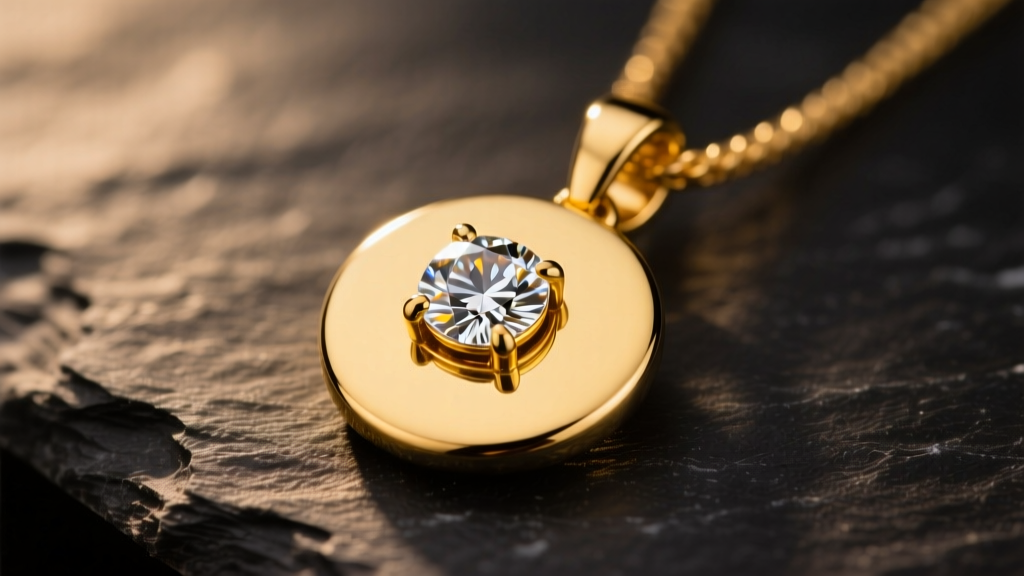
The Anatomy of the Iconic Jennifer Aniston Gold Disc Necklace
When discussing quintessential everyday fine jewelry, the jennifer aniston gold disc necklace remains a benchmark for understated elegance. Frequently spotted on the actress and producer, this specific style—most notably popularized by Jennifer Meyer’s 'Good Luck' collection—relies heavily on the warmth and durability of high-karat gold. The classic iteration features a 12mm to 15mm solid gold disc, a microscopic bezel-set diamond in the center, and a delicate cable chain. However, the true secret to its enduring appeal lies not just in the design, but in the specific metallurgical properties of the materials used.
Understanding the material composition is critical for buyers looking to invest in a piece that will not tarnish, snap, or lose its luster over decades of daily wear. In 2026, the market is flooded with replicas and 'inspired-by' pieces, making it essential to distinguish between solid high-karat gold and superficial plating techniques.
Metallurgical Breakdown: 18k vs. 14k Yellow Gold
The authentic jennifer aniston gold disc necklace is traditionally crafted in 18k yellow gold. To understand why this matters, we must look at the alloy composition. Pure 24k gold is too soft for daily wear jewelry, possessing a Vickers hardness of merely 60-70, making it highly susceptible to warping and deep scratching.
18k gold consists of 75% pure gold and 25% alloy metals (typically a precise blend of 12.5% copper and 12.5% silver). This specific ratio yields a Vickers hardness of approximately 125-130, providing enough structural integrity for a pendant while retaining a rich, buttery yellow hue. By contrast, 14k gold (58.3% pure gold) is harder (around 140-150 Vickers) and more scratch-resistant, but the higher copper content gives it a slightly paler, sometimes brassier undertone that lacks the luxurious depth of the 18k original.
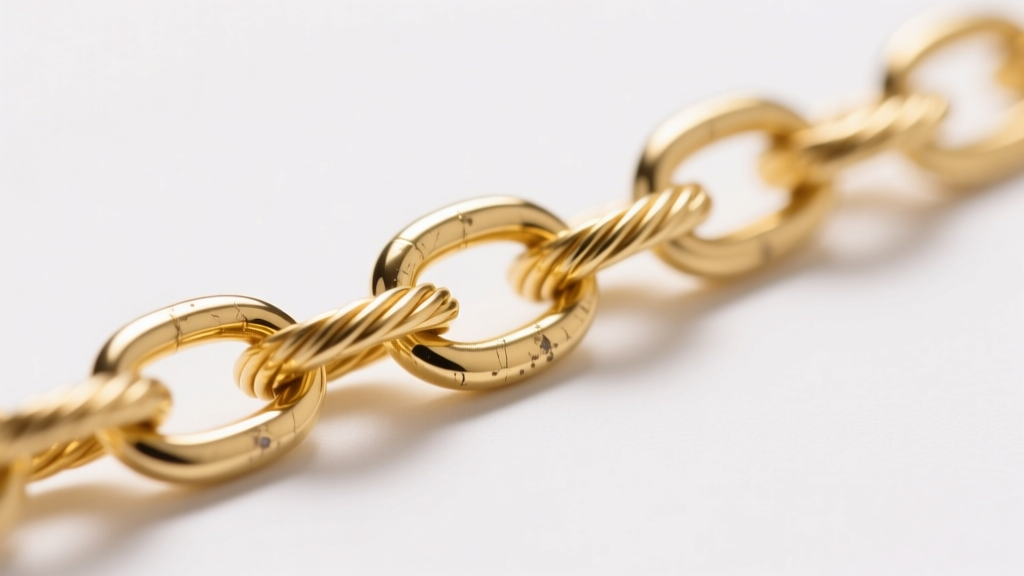
Material Comparison Chart: Solid, Vermeil, and Gold-Filled
For those seeking the aesthetic of the iconic disc necklace at varying price points, the market offers several alternatives. The Federal Trade Commission (FTC) strictly regulates the terminology used for gold jewelry, ensuring consumers know exactly what they are purchasing. Below is a technical comparison of the most common materials used for disc pendants.
| Material Type | Gold Content & Thickness | Core Metal | Tarnish & Wear Resistance | Avg. Price (15mm Disc) |
|---|---|---|---|---|
| 18k Solid Gold | 75% Pure Gold (Solid) | N/A (Solid Alloy) | Excellent; will not flake, may micro-scratch | $800 - $1,400 |
| 14k Solid Gold | 58.3% Pure Gold (Solid) | N/A (Solid Alloy) | Excellent; higher scratch resistance than 18k | $450 - $850 |
| Heavy Gold Vermeil | Min. 2.5 microns of 10k+ Gold | Sterling Silver (925) | Moderate; will eventually wear to silver core | $120 - $250 |
| Gold-Filled | Min. 5% gold by weight (1/20) | Jeweler's Brass | High; mechanically bonded, lasts years | $60 - $150 |
According to the Gemological Institute of America (GIA), solid gold alloys are the only materials guaranteed to last multiple lifetimes without the core metal bleeding through. While gold-filled options offer a mechanically bonded layer of gold that is vastly superior to standard electroplating, they cannot replicate the exact weight and thermal conductivity of a solid 18k disc.
Chain Mechanics: Gauge Sizes and Failure Points
The pendant is only half the equation; the chain dictates the necklace's structural survival. The classic Aniston disc look utilizes a delicate cable chain, typically ranging from 0.9mm to 1.2mm in gauge. While a 0.9mm chain offers a beautiful, barely-there aesthetic, it is highly vulnerable to tensile failure if snagged.
The Clasp Conundrum
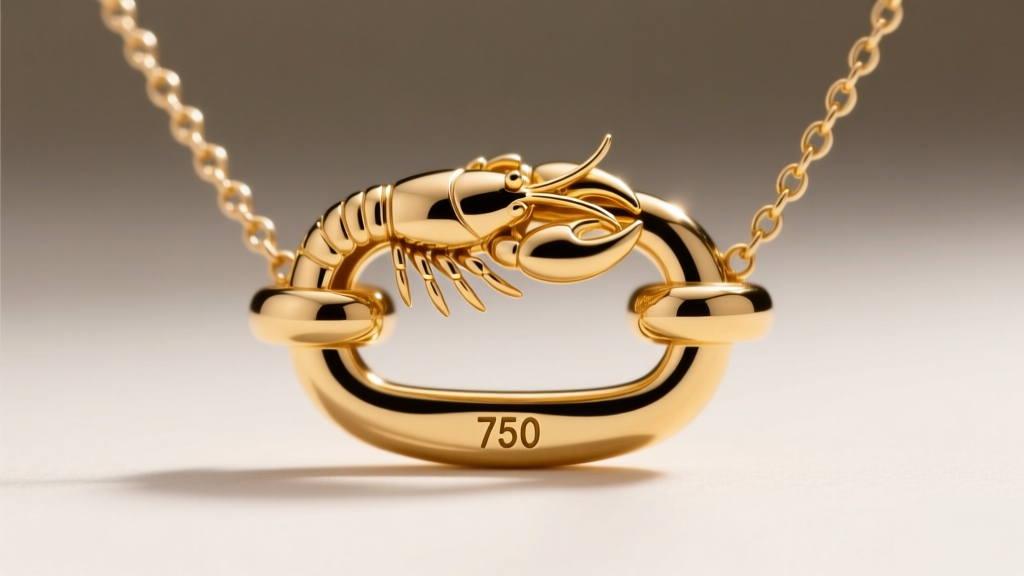
A frequent failure point in fine gold disc necklaces is the clasp. Mass-market replicas often use standard spring-ring clasps. Spring rings contain a tiny internal steel spring that is highly susceptible to corrosion from sweat and humidity, leading to a clasp that refuses to stay closed. High-end 18k gold necklaces utilize cast lobster clasps (usually 5mm or 6mm in size). Cast lobster clasps rely on a solid metal lever and a heavier internal spring, drastically reducing the failure rate and providing a more secure hold for a heavy solid-gold disc.
Diamond Accents: Bezel Settings on Micro-Pendants
The center stone of the jennifer aniston gold disc necklace is typically a 1.5mm to 2.0mm round brilliant diamond. The setting used to secure this stone is critical for both aesthetics and fabric safety. Prong settings, while allowing more light to enter the stone, feature tiny metal claws that frequently snag on silk blouses, cashmere sweaters, and hair.
The iconic disc necklace utilizes a bezel setting. In a bezel setting, a continuous rim of 18k gold is pushed entirely around the girdle of the diamond. This not only protects the fragile edges of the micro-diamond from chipping upon impact but also creates a completely smooth surface that glides over clothing without snagging. When evaluating replicas, check the bezel wall thickness; a high-quality bezel should be flush with the stone's table and have no visible gaps.
Longevity and Care Protocols for High-Karat Gold
Maintaining the pristine condition of an 18k gold disc requires specific care protocols, primarily centered around avoiding chemical stressors. High-karat gold is particularly vulnerable to chlorine. Exposure to chlorinated pool water or harsh household bleach causes a chemical reaction that forms gold chloride, leading to 'stress corrosion cracking' where the alloy metals dissolve, leaving the jewelry brittle and prone to shattering.
- Routine Cleaning: Use a solution of warm water and a few drops of pH-neutral dish soap. Gently agitate with a baby-soft toothbrush to remove sebum and lotion buildup from the bezel setting.
- Polishing: Avoid aggressive machine polishing. 18k gold requires only a soft, untreated microfiber cloth to restore its luster. Frequent abrasive polishing will wear down the crisp edges of the disc and the hallmarks on the clasp.
- Storage: Store the necklace flat or hung vertically. Tossing a delicate 1.0mm cable chain into a jewelry box guarantees micro-kinks that weaken the structural integrity of the oval links.
Ultimately, investing in the authentic material profile of the jennifer aniston gold disc necklace ensures that the piece remains a timeless staple rather than a fleeting trend. By prioritizing 18k solid gold, secure cast clasps, and flush bezel settings, you secure a piece of jewelry engineered to endure decades of daily elegance.


