Double Cross Necklace Meaning: Care & Cleaning Guide
Discover the double cross necklace meaning and learn expert cleaning, maintenance, and storage tips to preserve its symbolism and shine.

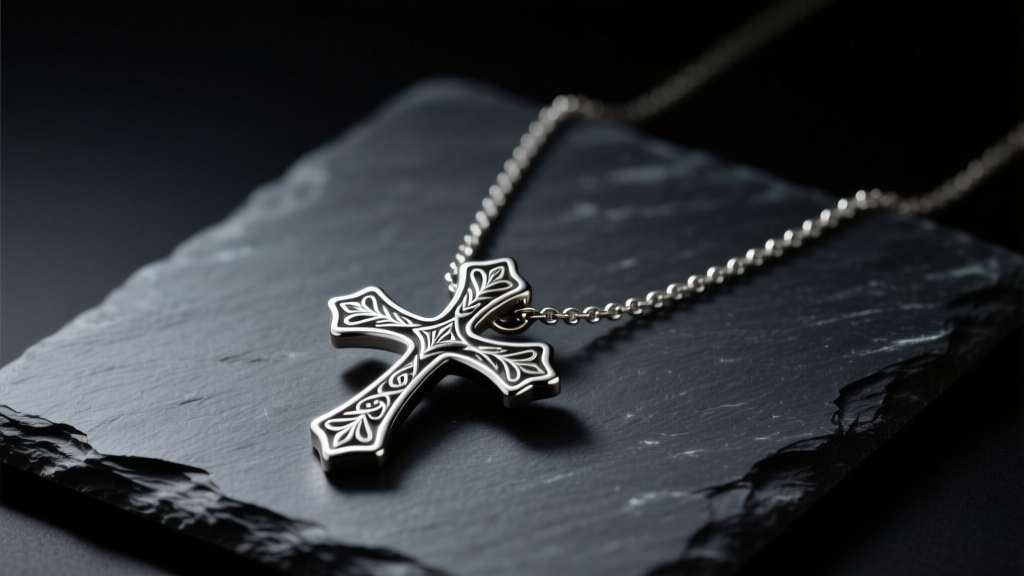
The Intersection of Symbolism and Metallurgy
Jewelry is rarely just an accessory; it is a wearable archive of personal belief, cultural heritage, and aesthetic rebellion. As we navigate the 2026 jewelry landscape, pieces that carry profound historical weight continue to dominate both high-end boutiques and streetwear collections. Among these, the double cross stands out as a powerful emblem. However, understanding the double cross necklace meaning is only half the journey. To truly honor the symbolism of this piece, one must master the metallurgy and maintenance required to keep it pristine. A tarnished, degraded pendant obscures the intricate craftsmanship and disrespects the heritage it represents. This comprehensive guide bridges the gap between historical significance and modern, expert-level jewelry care.
Decoding the Double Cross Necklace Meaning
Before applying any polishing cloth or chemical bath, it is vital to understand what you are preserving. The double cross, historically known as the Patriarchal cross or Archbishop's cross, features a smaller top bar and a longer bottom bar.
"The upper bar represents the inscription board placed above Christ's head, while the lower bar signifies the actual crucifixion. In modern contexts, it symbolizes the duality of spiritual aspiration and earthly grounding."
In contemporary fashion, the double cross necklace meaning has expanded. It is heavily utilized in gothic, punk, and luxury streetwear aesthetics (popularized by heritage brands like Chrome Hearts) to signify rebellion, duality, and a departure from traditional, single-bar religious iconography. Whether worn as a devout religious artifact or a bold fashion statement, the physical degradation of the metal can dull its visual impact.
Material Breakdown: What is Your Cross Made Of?
The cleaning protocol for your necklace depends entirely on its base metal and plating. Misidentifying your material is the fastest way to ruin a meaningful piece. Below is a diagnostic table to help you identify your necklace's composition and its specific vulnerabilities.
| Material | Grade / Standard | Tarnish Risk | Primary Cleaning Method | Ultrasonic Safe? |
|---|---|---|---|---|
| Sterling Silver | 925 (92.5% Ag, 7.5% Cu) | High (Silver Sulfide) | Electrochemical Aluminum Bath | Yes (if no porous gems) |
| Gold Vermeil | 2.5µm Au over 925 Ag | Low (Wear-through risk) | pH-Neutral Soap & Microfiber | No (Strips plating) |
| Stainless Steel | 316L Surgical Grade | Very Low | Isopropyl Alcohol Wipe | Yes |
| Solid Gold | 14k (58.5%) / 18k (75%) | None | Warm Soapy Water & Soft Brush | Yes (if no soft gems) |
Step-by-Step Cleaning Protocols by Material
According to the Jewelers of America, using the wrong chemical agent can cause irreversible micro-abrasions or strip precious metal plating entirely. Follow these material-specific protocols to safely restore your double cross pendant.
Sterling Silver (925): The Electrochemical Bath
Sterling silver tarnishes when the copper alloy reacts with sulfur in the air, creating black silver sulfide. Avoid abrasive pastes, which scratch the soft metal and remove deliberate oxidized detailing in the cross's engravings.
- The Setup: Line a glass bowl with aluminum foil (shiny side up). Place your silver double cross necklace inside.
- The Catalyst: Add 1 tablespoon of baking soda and 1 tablespoon of non-iodized salt.
- The Reaction: Pour 1 cup of boiling water over the mixture. The electrochemical reaction will transfer the silver sulfide from your necklace to the aluminum foil.
- Finishing: Remove after 3-5 minutes with wooden tongs, rinse in distilled water, and pat dry with a lint-free cloth.
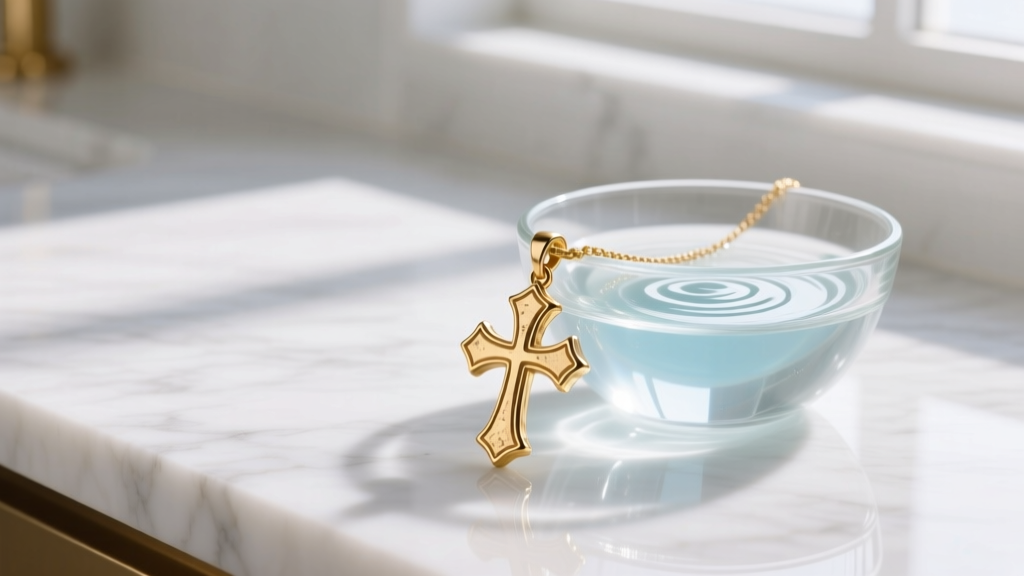
Gold Vermeil: Preserving the Micron Layer
True gold vermeil requires a minimum of 2.5 microns of gold plated over a sterling silver base. Never use commercial silver dips (like Tarn-X) on vermeil. These dips contain thiourea, a chemical that will instantly strip the gold layer, leaving you with a dull, patchy silver cross.
- Mix three drops of pH-neutral dish soap (like Dawn) into a bowl of lukewarm distilled water.
- Submerge the necklace for exactly 60 seconds.
- Gently agitate the water. Do not use a toothbrush, as bristles can cause micro-scratches on the gold layer.
- Rinse under a gentle stream of lukewarm water and dry immediately with a clean microfiber cloth.
316L Stainless Steel: The Low-Maintenance Workhorse
316L stainless steel contains molybdenum, which provides exceptional resistance to chlorides and corrosion. It is the ideal metal for daily-wear double cross necklaces, especially for those who swim or sweat heavily.
- Wipe the pendant and chain down with a lint-free pad soaked in 70% isopropyl alcohol to dissolve sebum and skin oils.
- For deeper cleaning, 316L steel is completely safe for ultrasonic cleaners (operating at 40kHz) using a mild alkaline solution.
Chain Maintenance: Preventing Tangles and Clasp Failure
The pendant may hold the meaning, but the chain bears the physical stress. The most common failure point on any necklace is the clasp mechanism and the jump rings connecting the chain to the double cross bail.
Lobster Clasp Spring Fatigue
Lobster clasps rely on a tiny internal steel spring. Over time, skin oils, lotions, and environmental dust infiltrate the lever mechanism, causing it to stick or fail to snap shut. To maintain your clasp:
- Use a wooden toothpick to gently pick out debris from the clasp crevice.
- Apply a microscopic drop of mineral oil or synthetic watch oil to the hinge pin using a pin-vise.
- Work the lever back and forth 10 times to distribute the lubricant.
Detangling Cable and Curb Chains
When a fine cable chain tangles, pulling it tight creates 'work hardening' in the metal links, making them brittle and prone to snapping. Never pull a knotted chain.
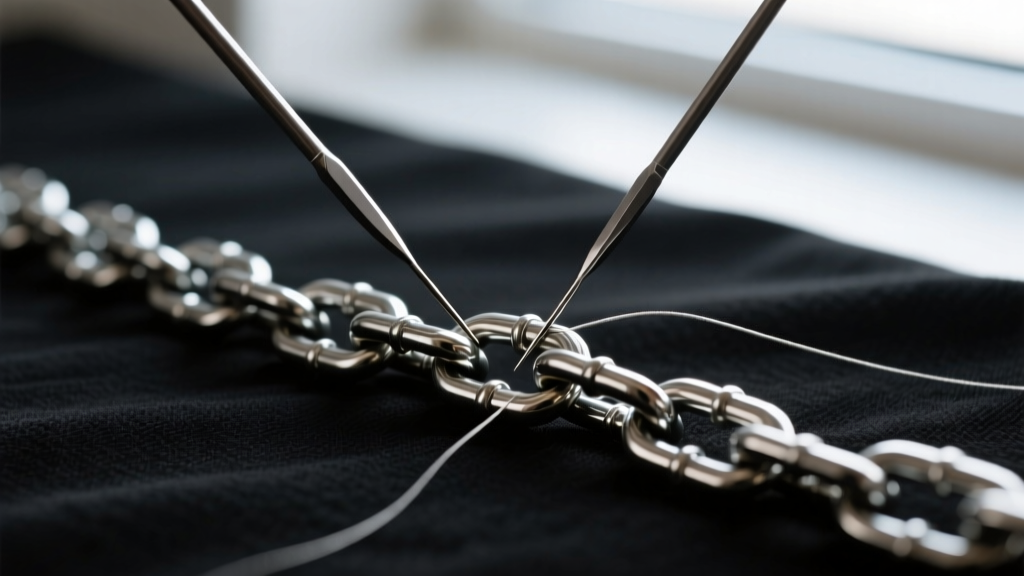
- Lay the tangled chain flat on a smooth, dark surface (like a neoprene mat or slate tile).
- Apply a drop of baby oil or talcum powder directly to the knot to reduce friction.
- Insert two fine sewing needles into the center of the knot and gently wiggle them outward in opposite directions to loosen the links.
Storage Solutions to Preserve Symbolism and Shine
How you store your double cross necklace when it is not being worn dictates how often you need to clean it. The Gemological Institute of America (GIA) emphasizes that environmental control is the first line of defense against metal degradation.
- Anti-Tarnish Strips: Place 3M anti-tarnish tabs inside your jewelry box. These tabs absorb airborne sulfur compounds before they can react with your silver.
- Pacific Cloth Bags: Store the necklace in an untreated, soft flannel or Pacific cloth bag. Avoid polyvinyl chloride (PVC) plastics, which emit gases that accelerate tarnishing.
- Isolation: Never store your double cross necklace in a pile with other jewelry. The Mohs hardness scale dictates that harder metals (like steel or tungsten) will easily scratch softer metals (like silver or gold) during movement.
When to Seek Professional Jewelers
While home maintenance covers surface cleaning, structural failures require professional intervention. If the jump ring connecting your double cross pendant to the chain has pulled apart, do not attempt to squeeze it shut with standard pliers. This leaves a gap where the chain can slip through and be lost.
A professional jeweler will use laser welding or precise torch soldering to fuse the jump ring completely shut. Laser welding is particularly advantageous for gold vermeil or oxidized silver pieces, as the localized heat input prevents the surrounding metal from melting, losing its patina, or blistering its plating. Expect to pay between $35 and $85 for a professional jump ring solder and ultrasonic deep clean, a worthy investment to protect a piece of such profound personal and historical meaning.
Final Thoughts on Preserving Meaning
The double cross necklace meaning—whether rooted in ancient ecclesiastical history or modern subcultural identity—deserves to be maintained with intentionality. By understanding the specific metallurgical properties of your piece and abandoning harsh, one-size-fits-all commercial cleaners, you ensure that your necklace remains a brilliant, untarnished symbol for decades to come.


