Diamond Cut Chain Necklace Buying Guide: What to Look For
Discover what to look for in a diamond cut chain necklace. Learn about faceting techniques, ideal thicknesses, and durability tips in our expert guide.

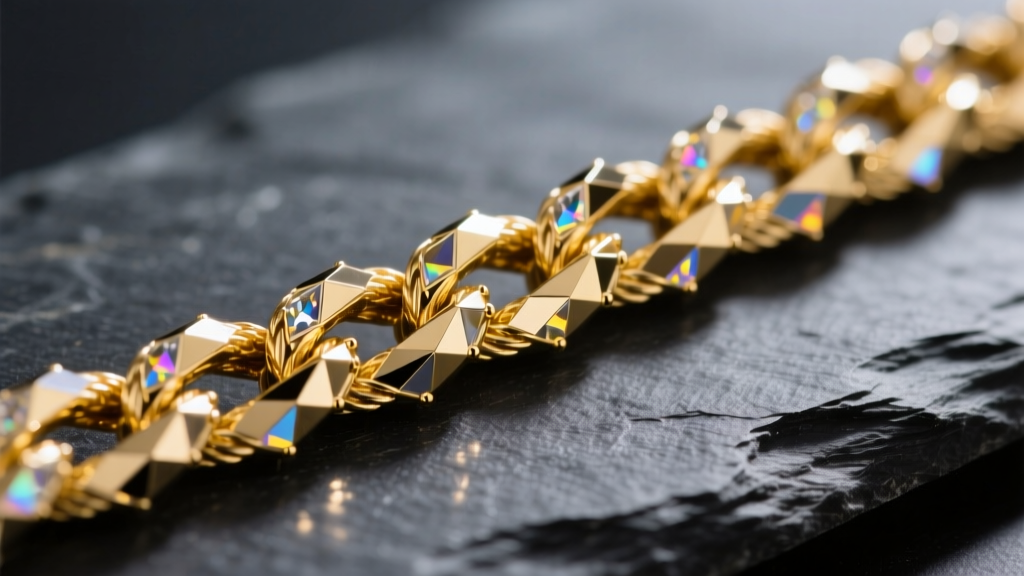
The Anatomy of a Diamond Cut Chain Necklace
When shopping for fine jewelry, the term 'diamond cut' is frequently misunderstood. A diamond cut chain necklace does not contain actual diamonds. Instead, it refers to a precision machining process where tiny, flat facets are sliced into the surface of the metal links. These facets act like microscopic mirrors, catching and reflecting light to mimic the brilliance of gemstones. While the visual payoff is immense, the manufacturing process fundamentally alters the structural integrity of the chain. As a buyer in 2026, understanding the metallurgy and machining behind these pieces is critical to making an investment that lasts.
CNC vs. Laser Faceting: What It Means for Sparkle and Durability
Historically, diamond cutting was achieved using CNC (Computer Numerical Control) lathes equipped with microscopic diamond-tipped blades. The blade physically carves into the gold or silver, creating deep, aggressive facets. While CNC cutting produces a rugged, high-contrast sparkle, it removes a significant amount of metal from the wire. This metal displacement creates a weak point at the exact center of the facet.
By 2026, advanced laser-faceting technology has largely supplemented CNC machining for premium chains. Laser cutting vaporizes microscopic layers of metal with pinpoint accuracy, allowing for intricate, multi-angle facets on complex links like the micro-Franco or Miami Cuban. Laser-faceted chains retain up to 15% more of their original cross-sectional wire thickness compared to traditional CNC cuts, resulting in a necklace that is significantly more resistant to stretching and snapping.
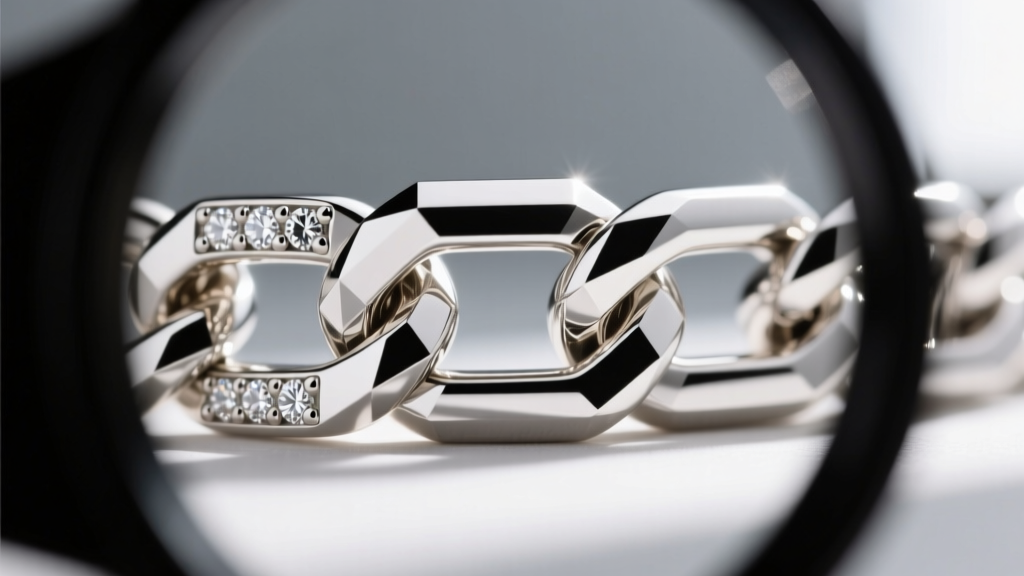
Best Chain Styles for Diamond Cutting
Not all chain architectures respond well to faceting. The geometry of the link dictates how light will bounce off the surface. Below is a breakdown of how popular chain styles perform when subjected to the diamond cut process.
| Chain Style | Faceting Compatibility | Visual Effect | Durability Post-Cut |
|---|---|---|---|
| Rope Chain | Excellent | Maximum brilliance; continuous spiral of light. | Moderate (twisted wires are thinned by cuts) |
| Box Chain | Very Good | Clean, geometric flashes; modern aesthetic. | High (flat surfaces handle faceting well) |
| Cable Chain | Good | Subtle, rhythmic sparkle; understated elegance. | High (simple oval links maintain strength) |
| Franco Chain | Excellent | Deep, multi-dimensional scintillation. | Very High (dense V-shaped links resist warping) |
| Figaro Chain | Poor | Inconsistent light return due to alternating link sizes. | Low (faceting weakens the smaller links disproportionately) |
Critical Buying Factors: Thickness, Karat, and Clasps
Because the faceting process inherently removes metal, you cannot use the same sizing metrics for diamond cut chains as you would for standard polished chains. A 1.2mm standard rope chain might hold a half-carat pendant safely, but a 1.2mm diamond cut rope chain is highly susceptible to micro-fractures under the same load.
Thickness and Gauge Sizing Guide
- 0.8mm - 1.2mm: Strictly for lightweight, standalone wear. Avoid hanging pendants. High risk of snagging and breaking if pulled.
- 1.5mm - 2.2mm: The ideal range for pendant necklaces. Offers a balance of delicate aesthetics and enough residual metal post-faceting to support a 1-3 gram charm.
- 2.5mm - 4.0mm: Best for standalone statement pieces. The wider surface area allows for multi-row faceting, creating a 'crushed ice' visual effect without compromising tensile strength.
- 5.0mm and above: Heavyweight luxury pieces. Ensure these are laser-faceted; deep CNC cuts on thick gold wire can create severe stress fractures over time.
Metal Purity Realities
The karat weight of your gold directly impacts how well the chain survives the diamond cutting process. According to the Gemological Institute of America (GIA), 24k gold is entirely too soft for faceted chains; it will stretch and warp under its own weight. 18k gold (75% pure) offers a rich color but requires a thicker gauge to compensate for the metal removed during cutting. For the optimal balance of durability, color, and structural integrity in a diamond cut chain, 14k gold (58.3% pure) remains the industry gold standard. The higher alloy content provides the necessary tensile strength to prevent the faceted links from pulling apart.
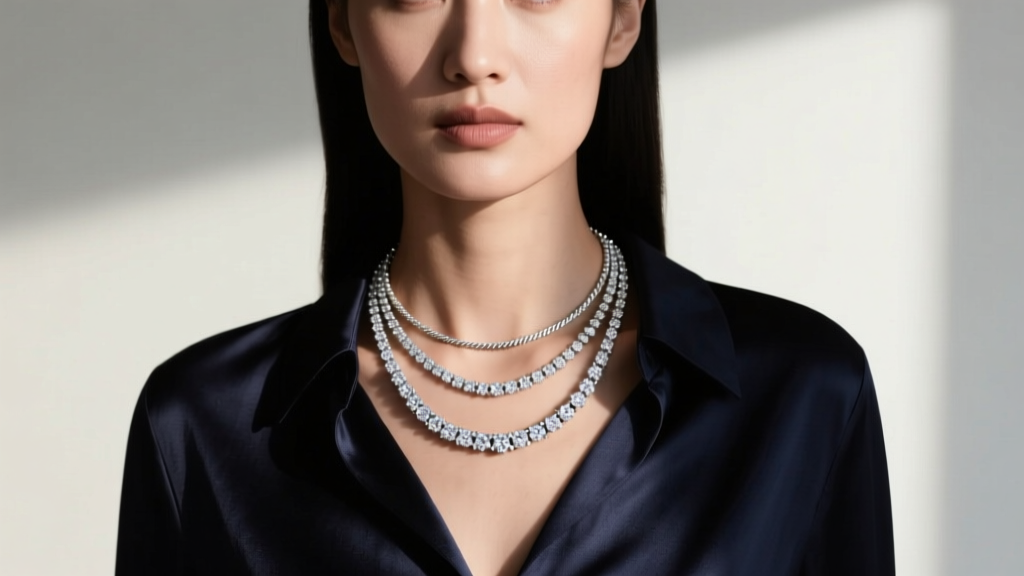
Clasp Selection is Non-Negotiable
Diamond cut chains are notoriously prone to snagging on wool, lace, and even hair due to the microscopic sharp edges left by the faceting blades. When a chain snags, the clasp is the first point of failure.
Expert Rule of Thumb: Never purchase a diamond cut chain equipped with a spring ring clasp. The internal spring mechanism cannot withstand the sudden torque of a snag. Always insist on a solid lobster clasp or a hidden box clasp with a double figure-eight safety catch.
Maintenance, Snag Prevention, and Care
The very facets that give these necklaces their brilliance also act as tiny hooks. To maintain the structural integrity of your necklace, you must adopt a strict maintenance protocol. The Jewelers of America recommends removing all faceted jewelry before sleeping or wearing high-friction textiles like raw silk or knitted wool.
When it comes to cleaning, avoid ultrasonic cleaners for diamond cut chains older than five years. The high-frequency vibrations can exacerbate micro-fractures in the thinned metal links, leading to sudden catastrophic failure. Instead, use a mild dish soap solution, a soft-bristled baby toothbrush, and lukewarm water. Gently brush along the grain of the chain to dislodge sebum and lotion buildup that can dull the faceted reflections.
Final Verdict: Is a Diamond Cut Chain Right for You?
A diamond cut chain necklace is a masterclass in optical illusion, offering the fire and brilliance of gemstones using only precious metal. However, it is not a 'buy it and forget it' piece of jewelry. It requires a mindful buyer who understands the trade-offs between aggressive CNC faceting and conservative laser cutting. By sizing up your chain thickness by at least 0.5mm compared to standard chains, opting for 14k gold, and securing it with a heavy-duty lobster clasp, you can enjoy the unparalleled sparkle of a diamond cut chain for decades to come.


