Expert Care and Cleaning for Your Portrait Necklace
Learn expert cleaning and maintenance tips for portrait necklaces. Protect enamel, photo-etched metals, and resin pendants from tarnish and damage.

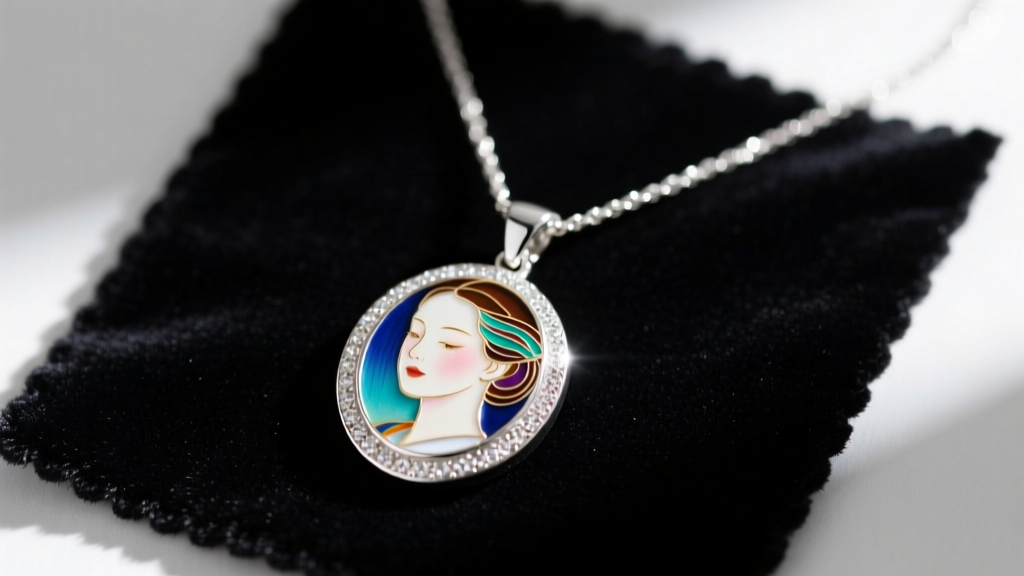
Understanding the Unique Anatomy of Portrait Necklaces
A portrait necklace is more than just an accessory; it is a deeply sentimental artifact that captures a specific face, memory, or pet in miniature. However, the very techniques used to create these intricate pendants—ranging from vitreous enamel fusing to acid photo-etching and UV resin casting—make them exceptionally vulnerable to improper cleaning. Unlike a standard gemstone solitaire, a portrait pendant features complex topographies, mixed material boundaries, and delicate surface treatments that require a highly specialized maintenance protocol.
Before applying any cleaning solution, you must identify the primary medium of your portrait. The three most common portrait necklace styles are:
- Vitreous Enamel (Hot Enamel): Finely ground glass powder fused to a metal base (usually 925 sterling silver or 14k gold) at temperatures exceeding 1,400°F. It has a Mohs hardness of 5 to 6 but is highly susceptible to thermal shock and blunt impact.
- Photo-Etched Metal: A photographic image transferred to a metal plate and etched using ferric chloride or nitric acid. The resulting microscopic grooves trap sebum, dead skin cells, and environmental pollutants, which degrade the image contrast over time.
- Cold Enamel (Epoxy/UV Resin): A polymer-based resin poured into a metal bezel. While highly detailed, resin has a low Mohs hardness (2 to 3), scratches easily, and suffers from severe UV degradation and chemical clouding.
The Step-by-Step Cleaning Protocol
Regardless of the material, the golden rule of cleaning portrait jewelry is to avoid aggressive abrasion and harsh chemical solvents. According to the Jewelers of America, pH-neutral solutions and ultra-soft mechanical agitation are the safest methods for mixed-media pendants.
Preparing the Cleaning Solution
Never use tap water, as the dissolved minerals and chlorides can leave microscopic calcified deposits in the etched grooves or react with silver bases. Instead, use distilled water warmed to room temperature (approximately 70°F). Add exactly two drops of a pH-neutral, dye-free dish detergent (such as original Dawn). Avoid soaps containing citrus extracts or moisturizing beads, as citric acid can corrode metal prongs and moisturizers leave a lipid film over resin portraits.
Agitation and Rinsing
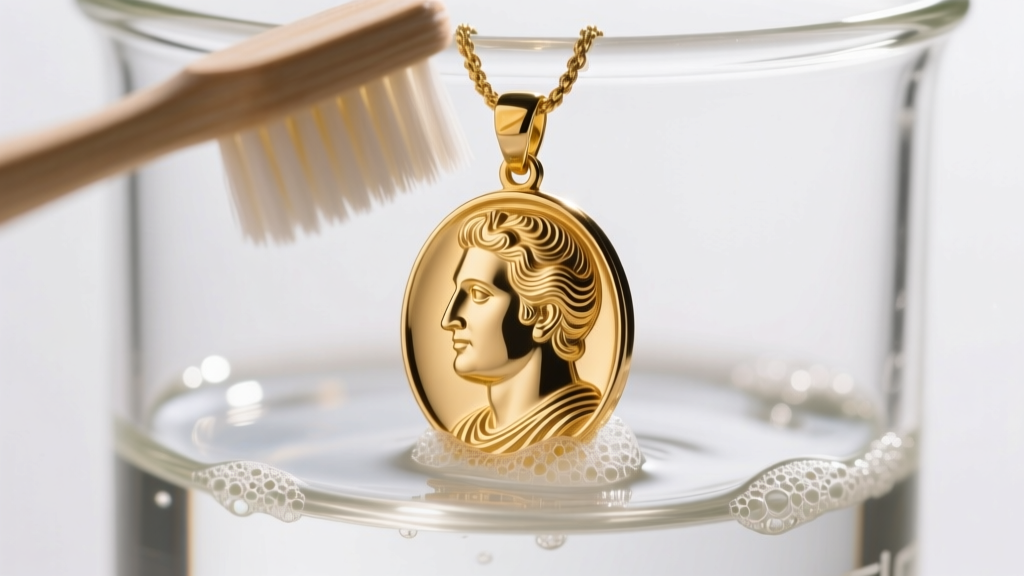
Submerge the portrait necklace for no more than three minutes. Using an extra-soft baby toothbrush (which features bristles thin enough to enter micro-etched grooves without scratching gold vermeil or silver), gently agitate the surface using tight, circular motions. Do not use a scrubbing motion across the face of an enamel portrait, as any trapped silica dust on the bristles could cause micro-scratches. Rinse the pendant by gently swishing it in a secondary bowl of pure distilled water. Never rinse under a high-pressure faucet, which can bend delicate enamel prongs.
Drying Techniques
Air drying leaves water spots. Instead, use a lint-free optical microfiber cloth to gently pat the pendant dry. For deep etched grooves where moisture hides, use a can of compressed air (held at least six inches away) or a hair dryer on the "cool" setting to evaporate trapped water without applying thermal stress.
Critical Maintenance Mistakes and Failure Modes
The majority of irreversible damage to portrait necklaces occurs when owners treat them like standard diamond or gemstone jewelry. Avoid these catastrophic mistakes:
The Ultrasonic Cleaner Trap
Ultrasonic cleaners operate at frequencies around 40kHz, creating microscopic cavitation bubbles that implode with immense localized force. While excellent for diamonds, this implosion will instantly shatter vitreous enamel, delaminate resin from its metal bezel, and strip the intentional oxidation from photo-etched silver portraits. Never place a portrait pendant in an ultrasonic bath.
Silver Dip and Thiourea Damage
Many photo-etched silver portraits rely on intentional oxidation (darkened silver sulfide) in the recessed grooves to create visual contrast and depth. Commercial "silver dip" solutions contain thiourea and strong acids that strip all oxidation instantly. This leaves the portrait looking flat, washed out, and permanently damaged. If the silver base tarnishes, use a dry silver polishing cloth only on the raised, non-etched borders of the pendant.
Chemical Exposure
Resin portraits are highly porous at a microscopic level. Exposure to ethanol (hand sanitizers), acetone (nail polish remover), and even the volatile organic compounds (VOCs) in heavy perfumes will break down the polymer chains, causing the resin to yellow, craze, or turn cloudy. Always apply perfumes and hairsprays at least ten minutes before putting on your necklace.
Storage and Environmental Protection
Proper storage is just as critical as cleaning. The Gemological Institute of America (GIA) emphasizes that environmental control is paramount for preserving delicate jewelry finishes. Portrait necklaces must be protected from sulfur-rich air (which tarnishes silver), UV radiation (which yellows resin), and fluctuating humidity.
| Material Type | Primary Vulnerability | Ideal Storage Environment | Required Accessories |
|---|---|---|---|
| Vitreous Enamel | Thermal shock, impact | Stable room temp (65-75°F) | Padded velvet pouch, rigid box |
| Photo-Etched Silver | Sulfur tarnishing, moisture | Low humidity (30-40% RH) | 3M anti-tarnish strips, silica gel |
| UV/Epoxy Resin | UV yellowing, chemical clouding | Dark, airtight environment | UV-blocking jewelry box |
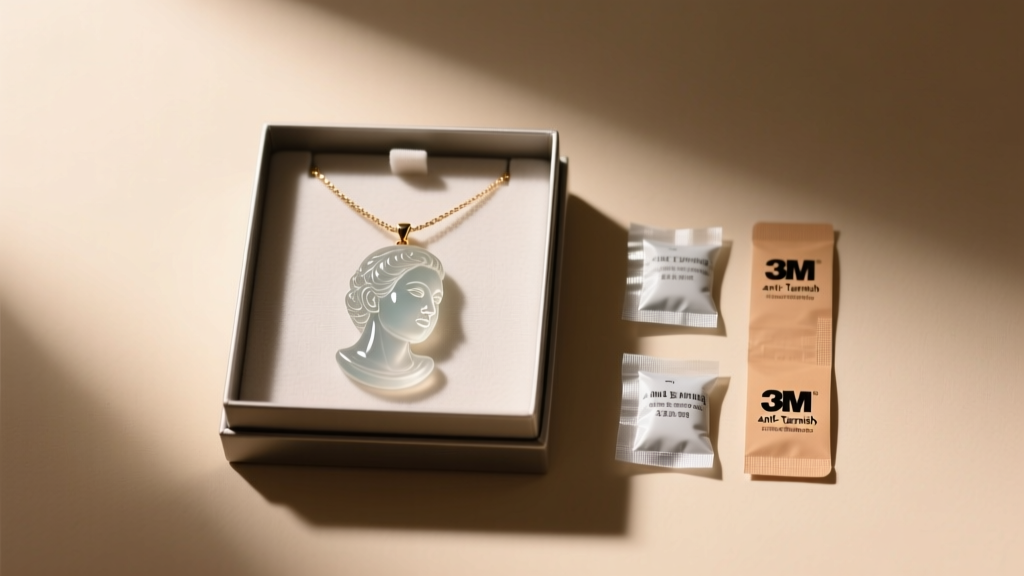
For optimal preservation, store your portrait necklace in an airtight polyethylene ziplock bag alongside a fresh 3M anti-tarnish strip and a small silica gel desiccant packet. Place this bag inside a rigid, fabric-lined jewelry box to prevent the chain from tangling and scratching the pendant face.
Professional Restoration vs. DIY Repair
When a portrait necklace sustains damage, knowing when to intervene at home and when to seek a master jeweler is crucial. If a resin portrait develops minor surface scratches, you can carefully polish it using a jeweler's rouge and a soft Dremel felt wheel at the lowest possible RPM. However, if vitreous enamel chips or cracks, do not attempt to fill it with clear nail polish or superglue; the solvents in these adhesives will stain the surrounding glass and metal. Instead, consult a specialist in plique-à-jour or champlevé enameling for a professional kiln re-firing. Similarly, if a photo-etched portrait loses its contrast due to over-polishing, a professional jeweler can use controlled liver of sulfur to re-oxidize the grooves and restore the image's depth and clarity.


