Tetragrammaton Necklace Metals: Silver, Gold & Titanium Guide
Compare the best metals for a tetragrammaton necklace. Explore durability, spiritual properties, and skin safety of silver, gold, and titanium.

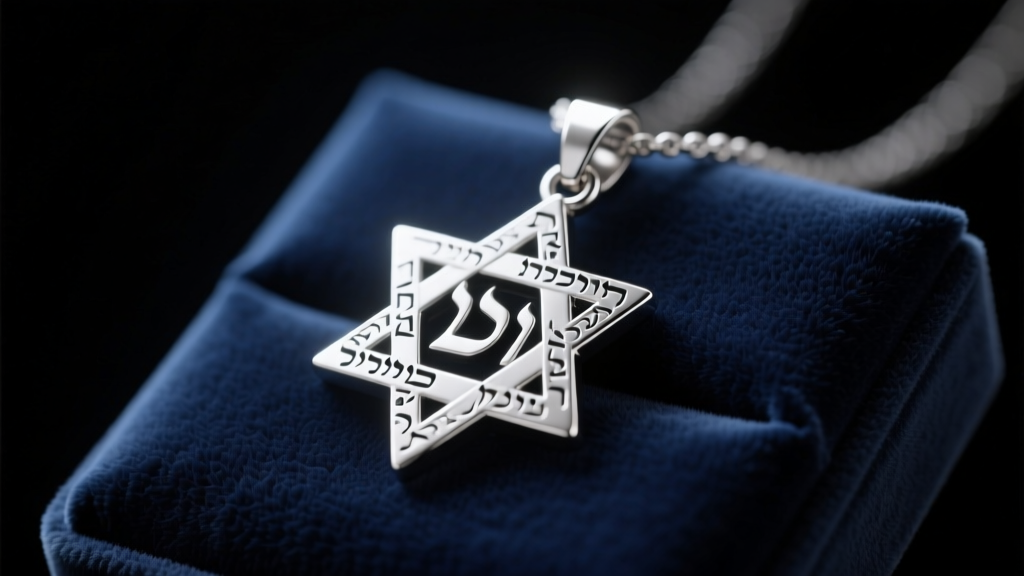
The Tetragrammaton (YHWH) represents the most sacred four-letter name in Kabbalistic and Judeo-Christian mysticism. When commissioning or purchasing a tetragrammaton necklace, the metal you choose is not merely an aesthetic decision—it is a metallurgical, spiritual, and practical one. Sacred jewelry demands precision, and the physical properties of the alloy dictate how well the ancient Hebrew calligraphy will survive decades of daily wear.
In this comprehensive guide, we dissect the material properties, spiritual alignments, and mechanical failure modes of the most popular metals used for tetragrammaton pendants. Whether you prioritize Kabbalistic symbolism, hypoallergenic properties, or sheer tensile strength, understanding these alloys is critical for making an informed investment.
The Intersection of Sacred Script and Metallurgy
The four letters of the Tetragrammaton—Yod, He, Vav, He—require exacting proportions to maintain their sacred geometry. From a manufacturing perspective, this means the engraving must be exceptionally precise. Shallow stamping (under 0.15mm) will wear away within a few years of friction against clothing and skin. For a heirloom-quality tetragrammaton necklace, you must seek out pendants with deep CNC-milled channels or deep fiber-laser engravings (minimum 0.3mm depth), often filled with black enamel or oxidized patina to create high contrast.
The base metal determines which engraving method is viable. Softer metals allow for traditional hand-engraving by master artisans, while harder, modern alloys require industrial laser ablation. Let us break down the core materials.
Core Material Breakdown: Properties & Failure Modes
Sterling Silver (925): The Conductor of Mercy
In Kabbalistic tradition, silver is deeply associated with Chesed (loving-kindness and expansion). Sterling silver (92.5% pure silver, 7.5% copper) is the most traditional choice for mystical amulets. With a Vickers hardness of roughly 60-70 HV, it is soft enough to be hand-engraved with magnificent, fluid Hebrew calligraphy.
The Failure Mode: Silver reacts with sulfur in the air and human sweat to form silver sulfide (tarnish). While some appreciate this antique patina, it can obscure the delicate script of the Tetragrammaton. Furthermore, its low hardness means the bail (the loop connecting the pendant to the chain) is highly susceptible to friction wear and eventual snapping if paired with a harder chain.
14k vs. 18k Yellow Gold: The Incorruptible Standard
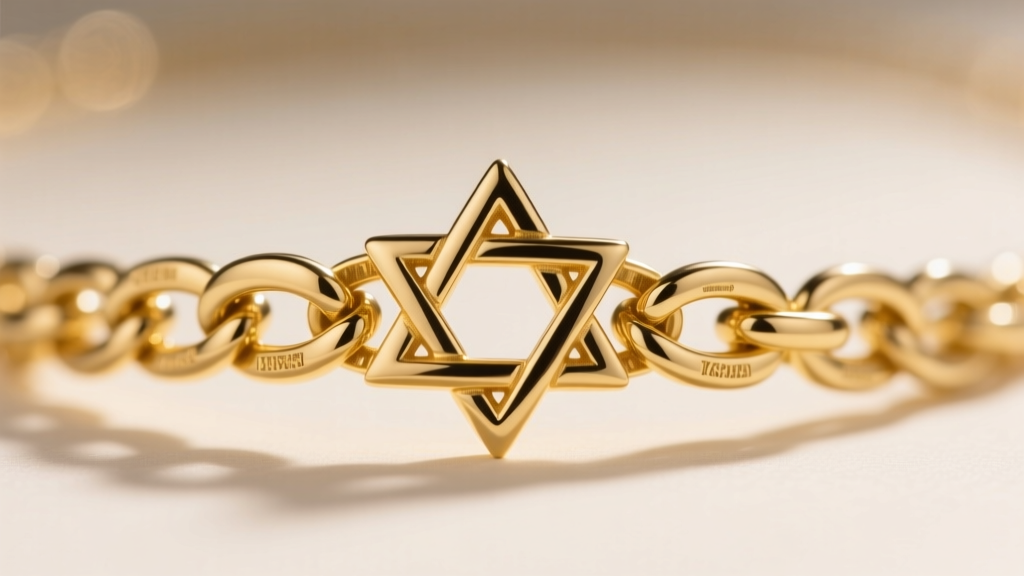
Gold aligns with Tiferet (harmony and truth) and Gevurah (judgment/strength), depending on the specific shade and alloy. Gold does not oxidize or tarnish, making it the ultimate vessel for permanent sacred script.
- 18k Gold (75% Au): Rich, deep yellow color. Vickers hardness of ~115 HV. It is softer and more prone to scratching, but holds deep, luxurious engravings beautifully.
- 14k Gold (58.5% Au): Slightly paler but significantly more durable (Vickers ~130 HV). For a daily-wear tetragrammaton necklace, 14k is the superior metallurgical choice, offering an ideal balance of precious metal content and structural integrity.
Grade 5 Titanium (Ti-6Al-4V): The Modern Armor
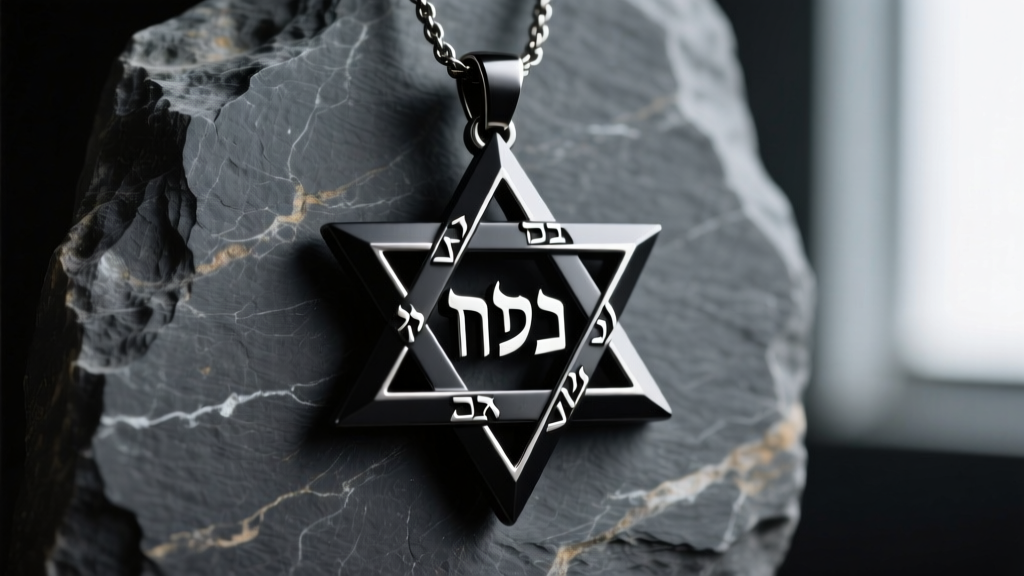
For those seeking modern durability and absolute skin safety, aerospace-grade titanium is unmatched. According to the ASTM International F136 standard, this specific titanium alloy is highly biocompatible and completely hypoallergenic, making it ideal for wearers with severe contact dermatitis.
The Challenge: Titanium's extreme hardness (350 HV) makes traditional hand-engraving impossible. A tetragrammaton necklace made of Grade 5 titanium must be engraved using high-powered fiber lasers. The result is a sharp, permanent, and incredibly precise marking that will never fade, though it lacks the organic, tactile depth of hand-carved silver or gold.
316L Surgical Steel & Brass: Budget and Antiqued Options
Brass (a copper-zinc alloy) is frequently used in occult and hermetic jewelry due to its warm, antique aesthetic and low cost. However, it will oxidize green and requires a protective lacquer coating. 316L Stainless Steel is highly durable and cheap, but as noted by the National Center for Biotechnology Information (NCBI), surgical steel still contains trace amounts of nickel that can trigger allergic reactions in highly sensitive individuals over prolonged skin contact.
Material Comparison Matrix
Use the table below to evaluate which metal aligns with your lifestyle, budget, and spiritual intentions for your tetragrammaton pendant.
| Material | Vickers Hardness (HV) | Engraving Method | Tarnish / Oxidation Risk | Avg. Price Range (USD) |
|---|---|---|---|---|
| 925 Sterling Silver | 60 - 70 | Hand / CNC / Laser | High (Silver Sulfide) | $80 - $250 |
| 14k Yellow Gold | 120 - 130 | Hand / CNC | None | $600 - $1,500+ |
| 18k Yellow Gold | 110 - 115 | Hand / CNC | None | $900 - $2,200+ |
| Grade 5 Titanium | 340 - 360 | Fiber Laser Only | None | $120 - $300 |
| 316L Steel | 150 - 200 | Laser / Rotary | Low (Surface Rust) | $30 - $80 |
The Hidden Danger: Bail Friction and Galvanic Wear
A critical, often overlooked aspect of buying a tetragrammaton necklace is the interaction between the pendant's bail and the chain. The bail takes 90% of the mechanical stress and friction. If you pair a relatively soft 925 sterling silver pendant with a hardened stainless steel or titanium chain, the harder chain will act like a microscopic saw. Over 12 to 18 months of daily wear, the chain will literally saw through the silver bail, resulting in the loss of your sacred pendant.
Expert Rule of Thumb: Always match the metallurgical hardness of your chain to your pendant. If you buy a silver tetragrammaton pendant, wear it on a silver chain. If you prefer the strength of titanium, ensure both the pendant and the chain are Grade 5 titanium to ensure uniform wear rates.
Additionally, be wary of galvanic corrosion. If you wear a silver pendant on a gold chain in high-humidity environments or while sweating, the dissimilar metals can create a micro-galvanic cell, accelerating the degradation of the less noble metal (the silver) at the exact point of contact.
Skin Reactivity and Contact Dermatitis
Sacred jewelry is often worn close to the skin, sometimes continuously. According to the Gemological Institute of America (GIA), metal allergies are primarily triggered by nickel and cobalt, which are frequently used as alloying agents in white gold and lower-tier steels to increase hardness and whiten the color.
If you are purchasing a white gold tetragrammaton necklace, ensure it is alloyed with palladium rather than nickel, or verify that it has a thick, intact rhodium plating. For absolute certainty in avoiding contact dermatitis, stick to high-purity yellow gold (18k), platinum, or Grade 5 titanium, all of which are inherently hypoallergenic.
Care Protocols for Engraved Sacred Script
Maintaining the legibility of the Tetragrammaton requires specific care, especially if the engraving has been oxidized (blackened) for contrast.
- Avoid Ultrasonic Cleaners: The high-frequency vibrations can shake loose the enamel or oxidized patina packed into the Hebrew lettering, leaving the script illegible against the base metal.
- Chemical Dips: Never use harsh silver dip solutions. They strip oxidation instantly and can cause microscopic pitting on the metal's surface.
- Proper Cleaning: Use a mild, phosphate-free dish soap, lukewarm water, and an extra-soft baby toothbrush. Gently brush the surface, avoiding aggressive scrubbing directly into the engraved channels to preserve the darkened contrast.
Final Verdict: Selecting Your Tetragrammaton Alloy
Choosing the right metal for your tetragrammaton necklace is a balance of spiritual resonance, budget, and mechanical reality. For traditionalists and Kabbalistic practitioners, 925 Sterling Silver or 14k Yellow Gold remains the gold standard, offering the deep, tactile engravings that honor the sacred geometry of the text. For those with active lifestyles, sensitive skin, or a preference for modern, indestructible jewelry, a Grade 5 Titanium pendant with laser-ablated script offers unparalleled longevity. Whichever you choose, respect the metallurgy, match your chain hardness, and your sacred pendant will endure for generations.


