How to Choose a Gold Angel Wing Necklace: Buying Guide
Discover how to choose the perfect gold angel wing necklace. Learn about karats, chain pairings, design styles, and pricing in our expert buying guide.

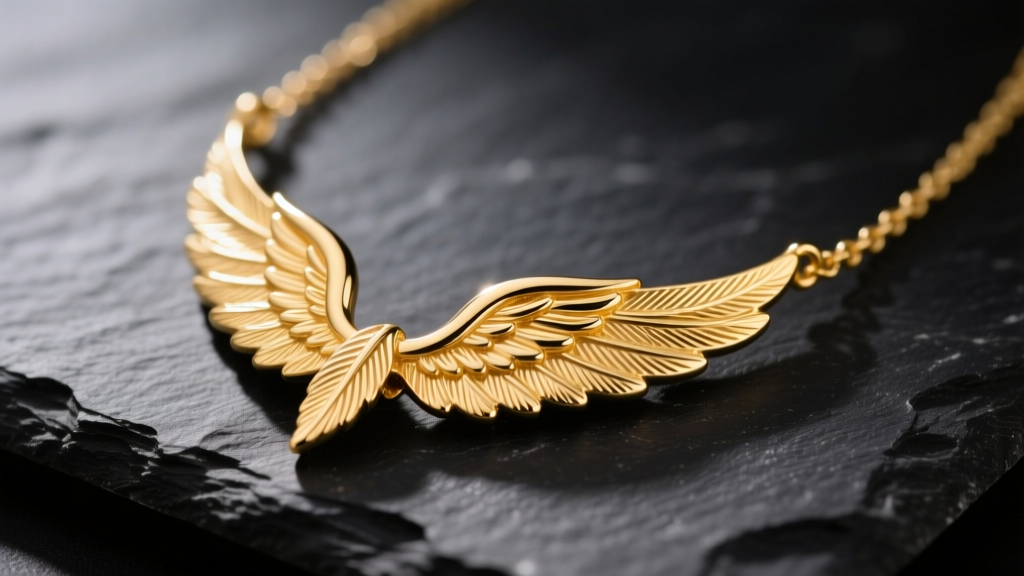
The search for the perfect gold angel wing necklace is often driven by deep personal meaning. Whether symbolizing protection, commemorating a loved one, or representing spiritual freedom, angel wing pendants are a timeless staple in fine jewelry. However, as we navigate the 2026 jewelry market, the sheer volume of options—ranging from delicate minimalist silhouettes to ornate, gem-encrusted statement pieces—can make the buying process overwhelming. To ensure your investment lasts a lifetime, you must look beyond the initial aesthetic and evaluate the metallurgy, structural mechanics, and chain compatibility of the piece. This comprehensive buying guide will equip you with the expert knowledge needed to select a high-quality gold angel wing necklace that balances durability, artistry, and everyday wearability.
Understanding Gold Purity and Metallurgy for Wing Pendants
When evaluating a gold angel wing necklace, the karat weight dictates not only the color and price but, more importantly, the structural integrity of the pendant. Angel wing designs are inherently intricate, often featuring thin, protruding feather motifs that are susceptible to bending or snapping if the metal is too soft.
The Case for 14k Gold
For daily wear, 14k gold (58.5% pure gold alloyed with metals like copper, silver, and zinc) is the undisputed champion. According to the Gemological Institute of America (GIA), the alloy mix in 14k gold yields a Vickers hardness of approximately 135 HV. This specific hardness provides the necessary rigidity to protect high-relief feather carvings and delicate wing tips from warping when caught on clothing. Furthermore, 14k yellow gold offers a warm, classic hue that flatters a wide variety of skin tones without the premium price tag of higher karats.
The Luxury and Liability of 18k Gold
18k gold (75% pure gold) boasts a richer, deeper yellow color and is hypoallergenic, making it ideal for those with metal sensitivities. However, its Vickers hardness drops to around 125 HV. If you choose an 18k gold angel wing necklace, opt for a solid, 3D cast design with rounded edges rather than a flat, stamped silhouette with sharp, extended feather tips, which are prone to bending under pressure.
Design Variations and Dimensional Guidelines
Angel wing pendants generally fall into three distinct design categories, each requiring different sizing considerations to achieve the right visual balance on the chest.
- Single Outstretched Wings: Often chosen for a modern, asymmetric look. Because a single wing is horizontally weighted, it requires a pendant bail (the loop that holds the chain) positioned precisely at the top arch to prevent the wing from flipping upside down during wear.
- Paired Wings (Shield Motif): Two wings folded together or spread wide. These are naturally symmetrical and lay flat against the sternum. They tend to be heavier, requiring a sturdier chain.
- Minimalist Geometric Wings: Stripped-down outlines or abstract representations of wings. These are lightweight and perfect for layering with other delicate gold chains.
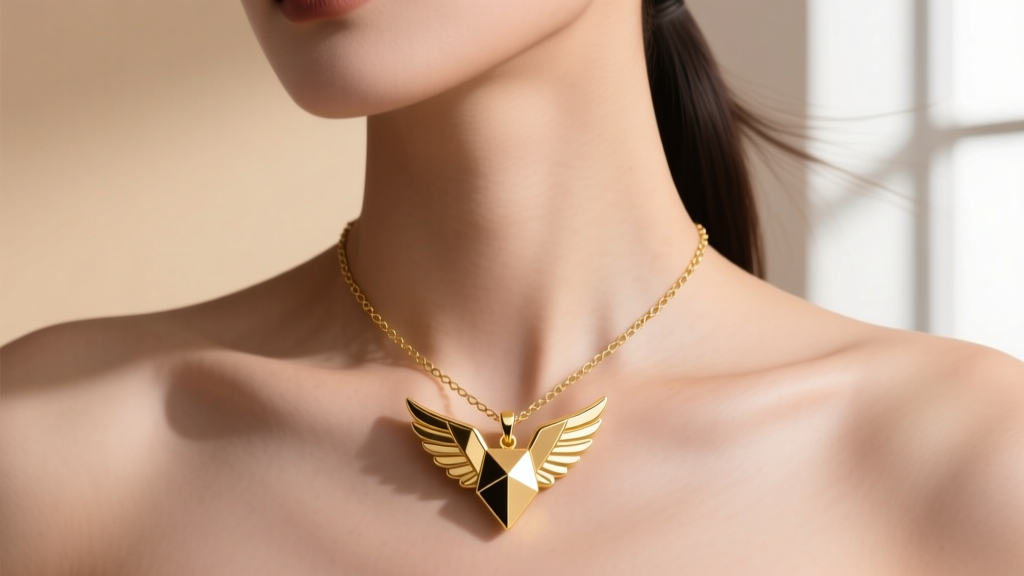
Proportion Rule of Thumb: For a subtle, everyday piece that tucks easily under a blouse, look for pendant dimensions between 12mm and 18mm in height. For a statement piece meant to be worn over clothing or as a solitary focal point, seek out dimensions ranging from 25mm to 35mm.
Chain Selection: Weight, Link Style, and Bail Mechanics
A common mistake buyers make is pairing a heavy, solid gold pendant with a flimsy chain. The chain must support the pendant's weight without overpowering its delicate aesthetics.
Optimal Chain Styles
For most gold angel wing necklaces, a 1.2mm to 1.5mm Box Chain or Rope Chain is ideal. Box chains feature interlocking square links that lay flat and are highly resistant to kinking. Kinking is a critical failure point; a twisted chain will constantly rub against the pendant's bail, eventually wearing a hole through the gold loop. Rope chains offer excellent tensile strength and a brilliant sparkle that complements the texture of engraved feathers.
Clasp and Bail Hardware
Always inspect the clasp. A spring-ring clasp is acceptable for lightweight pendants under 3 grams. However, if your angel wing pendant is solid and weighs more than 4 grams, a lobster clasp is mandatory for security. Additionally, look for a hidden bail (where the chain threads directly through a hollowed-out section of the pendant) or a soldered jump ring. Open jump rings can easily pull apart under the swinging weight of a wing pendant, leading to lost jewelry.
Material Tiers: Solid Gold vs. Vermeil vs. Plated
As sustainability and longevity become paramount for consumers in 2026, understanding the difference between solid gold and gold alternatives is crucial. The Federal Trade Commission (FTC) strictly regulates jewelry labeling, and knowing these definitions will protect you from deceptive marketing.
| Material Type | Composition & FTC Requirements | Longevity & Wear | Typical Price Range |
|---|---|---|---|
| Solid 14k/18k Gold | Gold alloyed throughout the entire piece. No base metal. | Lifetime durability. Can be polished and repaired indefinitely. | $250 - $1,200+ |
| Gold Vermeil | Sterling silver base with a gold plating of at least 10k purity and a minimum thickness of 2.5 microns. | Lasts 2-5 years with careful wear. Can be re-plated by a jeweler. | $80 - $180 |
| Gold Plated | Brass or copper base with a microscopic layer of gold (less than 2.5 microns). | High failure rate. Plating wears off in months, exposing skin to base metals. | $20 - $60 |
Expert Advice: If you are buying a gold angel wing necklace as a memorial piece or a permanent daily talisman, invest in solid gold. The friction of daily wear will inevitably strip away vermeil and plating, especially along the high points of the feather engravings.
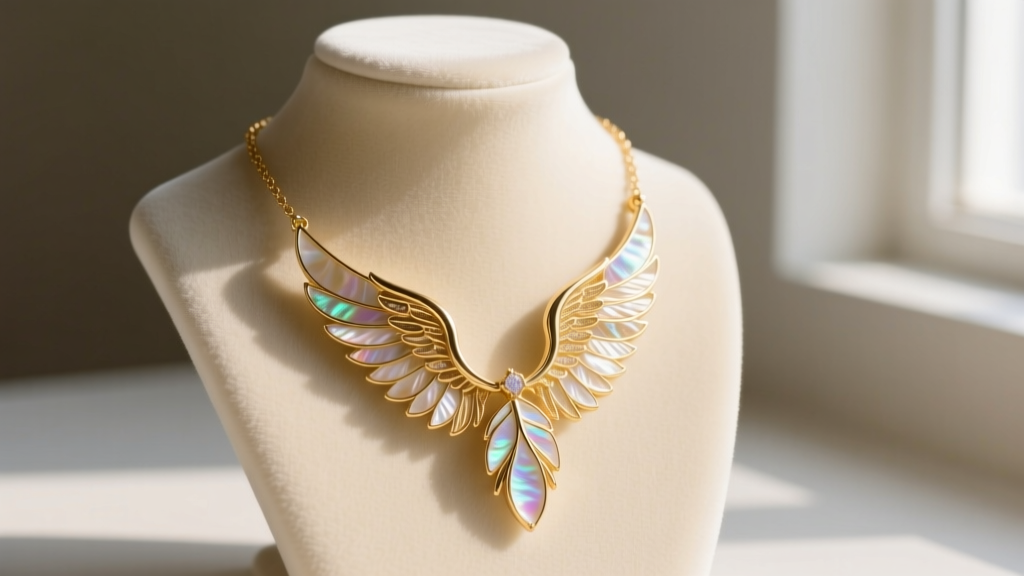
Gemstone Accents and Inlay Techniques
Many premium angel wing necklaces incorporate gemstones to represent light or the heavens. When evaluating these accents, the setting technique is just as important as the stone quality.
- Mother of Pearl Inlay: A highly popular choice for wing feathers due to its iridescent, ethereal glow. Ensure the mother of pearl is channel-set or bezel-set flush with the gold. If the shell is glued on top of the gold (cabochon style), it will eventually pop off upon impact.
- Diamond or CZ Accents: If the wings feature a halo of diamonds or a central stone, look for bezel settings or flush/gypsy settings. Traditional prong settings on small wing feathers create microscopic snag points that will catch on knitwear and silk, potentially loosening the stones over time.
Pricing Expectations in the 2026 Market
Understanding current market valuations will help you identify fair pricing and avoid overpaying for brand markups. Based on current gold spot prices and standard jewelry manufacturing costs, here is what you should expect to pay for a quality gold angel wing necklace:
- Small Solid 14k Gold Single Wing (10mm - 15mm): $180 to $350
- Medium Solid 14k Gold Paired Wings (20mm - 25mm): $400 to $750
- Large 18k Gold Wings with Diamond Accents (0.10 - 0.25 CTW): $900 to $2,200
- High-Quality 14k Gold Vermeil Options: $85 to $150
Be highly skeptical of "solid gold" angel wing pendants selling for under $100. Given the weight of the gold and the labor required for detailed casting and polishing, a price point this low almost always indicates hollowed-out construction (which dents easily) or undisclosed gold plating over brass.
Care, Maintenance, and Longevity
To preserve the crispness of the feather engravings and the luster of the gold, proper maintenance is required. Gold is highly resistant to tarnish, but the alloy metals in 14k and 18k gold can react to harsh chemicals.
The Chlorine Warning: Never wear your gold angel wing necklace in a swimming pool or hot tub. Chlorine reacts with the copper and zinc alloys in karat gold, causing a phenomenon known as stress corrosion cracking. This can make the delicate tips of the wings brittle and cause them to snap off entirely.
For routine cleaning, soak the necklace in a bowl of warm water with a few drops of mild, phosphate-free dish soap for 15 minutes. Use a soft-bristled baby toothbrush to gently sweep away sebum and lotion trapped between the feather grooves. Rinse thoroughly with lukewarm water and pat dry with a microfiber cloth. Store the necklace flat or hanging in a dry environment to prevent the chain from tangling and scratching the pendant's polished surface.
Final Thoughts
A gold angel wing necklace is more than just an accessory; it is a deeply symbolic piece of wearable art. By prioritizing 14k gold for structural integrity, selecting a kink-resistant box or rope chain, and demanding proper bezel or flush settings for any gemstone accents, you ensure that your necklace will remain a beautiful, enduring symbol for decades to come. Take your time, verify the hallmark stamps, and choose a piece that resonates with your personal journey.


