Ribbon Necklace With Pendant: 2026 Value & Budget Guide
Discover the true value of a ribbon necklace with pendant. We break down 2026 pricing tiers, material costs, and cost-per-wear to help you buy smart.

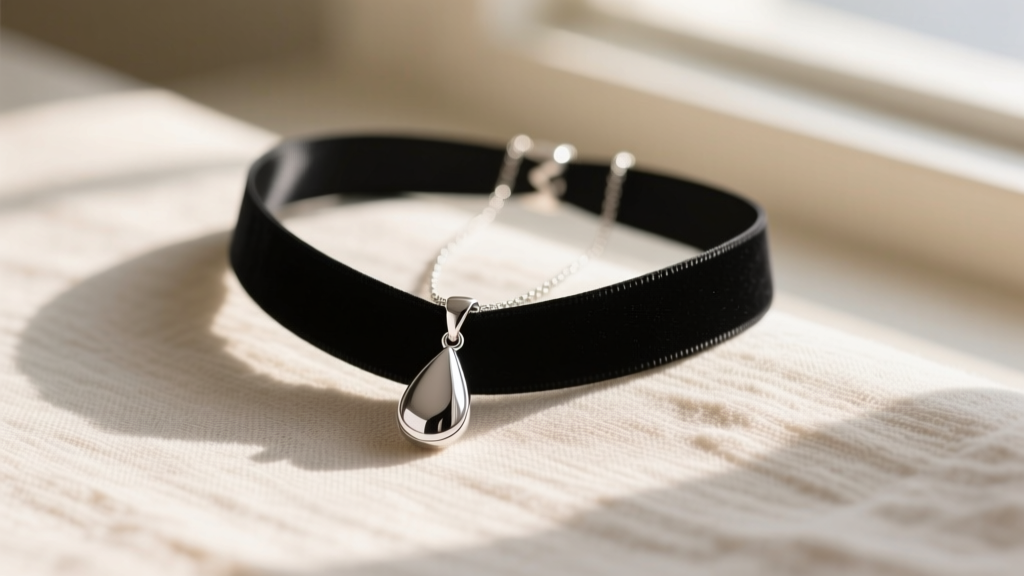
The True Cost of a Ribbon Necklace With Pendant in 2026
The structural integrity and long-term value of a ribbon necklace with pendant rely entirely on the intersection of textile tensile strength and metallurgical durability. In the 2026 jewelry market, the gap between fast-fashion accessories and artisanal craftsmanship has widened significantly. While a mass-produced satin ribbon and zinc-alloy pendant might retail for $12, its functional lifespan rarely exceeds a few months. Conversely, a meticulously crafted piece utilizing silk or cotton velvet paired with solid 925 sterling silver or 14k gold vermeil commands a higher upfront cost but delivers a vastly superior cost-per-wear (CPW) ratio.
Assessing the budget and true value of this specific necklace silhouette requires looking past the initial price tag. You must evaluate the weave of the ribbon, the edge finishing, the micron thickness of the pendant's plating, and the mechanical failure points where the metal bail meets the textile. This guide deconstructs the pricing tiers and material realities to help you make an informed, value-driven purchase.
Material Breakdown: What You Are Actually Paying For
The term 'ribbon' encompasses a wide variety of textiles, each with distinct wear profiles, fraying thresholds, and price points. When paired with a pendant, the ribbon must support the weight of the metal without stretching or tearing.
Ribbon Textiles: Durability vs. Luxury
- Grosgrain (Polyester/Nylon Blend): The undisputed workhorse of ribbon necklaces. Recognizable by its ribbed texture, grosgrain offers exceptional tensile strength and resists fraying. It easily supports heavy pendants (15g+) without warping. Wholesale cost is roughly $0.15 per yard, making it a high-value choice for mid-market jewelry.
- Cotton Velvet: A premium option that drapes beautifully and avoids the 'crushing' seen in cheap synthetic velvets. It provides a luxurious, vintage aesthetic but requires careful edge-sealing. Expect to pay $8 to $15 per yard for high-grade cotton velvet.
- Silk: The most luxurious and fragile option. Silk ribbons offer an unparalleled luminous sheen but are highly susceptible to friction burns from heavy metal bails. A silk ribbon necklace with pendant should only feature lightweight pendants (under 8g) and requires French seams or heat-sealed edges to prevent unraveling.
- Satin (Polyester): Common in fast fashion. While it mimics the shine of silk, polyester satin snags easily and frays rapidly when subjected to the friction of a metal clasp or pendant bail. It offers poor long-term value.

Pendant Metals and Plating Standards
The pendant itself dictates the majority of the piece's financial value. According to the Federal Trade Commission Jewelry Guides, strict terminology must be used for metal plating. When shopping in the $40 to $80 range, look for 'Gold Vermeil' rather than 'Gold Plated.' Vermeil guarantees a base of 925 sterling silver coated with at least 2.5 microns of 10k or higher gold. Standard gold-plated brass or zinc alloy (often found in $15 pieces) will inevitably tarnish, pit, and cause skin discoloration within a year of regular wear.
Budget Tiers and Cost-Per-Wear Analysis
To accurately assess value, we must calculate the Cost-Per-Wear (CPW). A $15 necklace worn three times before the ribbon frays or the pendant tarnishes costs $5.00 per wear. A $75 artisan piece worn twice a week for two years costs roughly $0.72 per wear.
| Market Tier | Typical Price (2026) | Ribbon Material | Pendant Metal | Est. Lifespan | Value Verdict |
|---|---|---|---|---|---|
| Fast Fashion | $10 - $18 | Polyester Satin | Zinc Alloy / Brass | 1 - 3 Months | Poor (High CPW) |
| Mid-Market Artisan | $35 - $65 | Grosgrain / Cotton Velvet | 925 Silver / Vermeil | 1.5 - 3 Years | Excellent (Low CPW) |
| Fine Jewelry | $120 - $250+ | Pure Silk / High-Grade Velvet | Solid 14k / 18k Gold | Generational | Good (Investment Piece) |
Hidden Costs: Clasp Hardware and Bail Friction
When evaluating a ribbon necklace with pendant, buyers often overlook the mechanical hardware. The failure points of these necklaces are rarely the ribbon snapping in the middle; they occur at the connection points.
The Bail Friction Problem
The bail is the loop that connects the pendant to the ribbon. If a heavy sterling silver pendant has a sharp, unpolished bail, it will act like a saw against a silk or satin ribbon. Over weeks of wear, the friction will sever the textile fibers. High-value pieces feature a 'lined bail' or use a smooth, soldered 16-gauge or 18-gauge jump ring as a buffer between the pendant and the ribbon. If you are buying a piece with a delicate ribbon, inspect the bail for microscopic burrs or rough casting lines.
Clasp and End Finishing
How the ribbon attaches to the clasp dictates its structural lifespan. Glued ribbon ends are a hallmark of low-budget manufacturing and will inevitably fail when exposed to skin oils, perfume, or humidity. High-value necklaces utilize fold-over crimps with internal teeth, secured with a drop of jeweler's epoxy, or they feature hand-stitched loops reinforced with metallic thread. Spring ring clasps are lightweight and cheap, but they snag on velvet and silk. A well-proportioned lobster clasp is the industry standard for durability and ease of use.

DIY vs. Retail: Is Crafting Your Own Worth the Budget?
Given the seemingly simple construction of a ribbon necklace with pendant, many consumers consider sourcing materials to build their own. Is this a viable budget hack in 2026?
Sourcing high-quality materials requires buying in quantities that often exceed the needs of a single project. For example, purchasing a yard of premium silk ribbon from a textile supplier like Mood Fabrics may cost $25. Adding a solid 925 sterling silver pendant from a dedicated jewelry supplier like Rio Grande ($30 to $45), plus sterling silver fold-over crimps and a lobster clasp ($8), brings the raw material cost to roughly $63 to $78.
While this matches the retail price of a mid-market artisan piece, the DIY route lacks the professional edge-sealing, precision soldering, and ultrasonic cleaning that a jeweler provides. Unless you already possess a jewelry bench kit and textile finishing tools, purchasing from a reputable mid-market artisan offers a better return on investment and guarantees structural integrity.
The Value-Buyer's Inspection Checklist
Before purchasing any ribbon necklace with pendant, run the piece through this physical or photographic inspection checklist to ensure you are paying for genuine quality:
- Edge Inspection: Are the edges of the ribbon heat-sealed or hemmed? If you see loose threads at the cut ends, the ribbon will fray within weeks.
- Bail Smoothness: Run a cotton swab through the pendant bail. If cotton fibers catch, the metal is too rough for textile wear and will slice through your ribbon.
- Metal Stamps: Look for the '925' stamp on silver or the 'Vermeil' designation. Avoid pieces labeled simply 'gold toned' or 'alloy' if you want the piece to last beyond a single season.
- Hardware Weight: The clasp and crimp beads should feel substantial. Flimsy, paper-thin base-metal crimps will bend and release the ribbon under the pendulum weight of the pendant.
Final Verdict: Maximizing Your Jewelry Budget
A ribbon necklace with pendant is a timeless, versatile silhouette that bridges the gap between casual daytime wear and elegant evening layering. However, its value is entirely dependent on material synergy. By avoiding polyester satins and unverified base metals, and instead investing in the $40 to $70 range for grosgrain or velvet paired with verified sterling silver or vermeil, you secure a piece that offers exceptional cost-per-wear. In 2026, smart jewelry budgeting isn't about finding the cheapest option; it's about funding the structural details that ensure longevity.


