Pink and Turquoise Necklace Buying Guide: Stones, Metals & Styling
Discover how to choose the perfect pink and turquoise necklace. Our 2026 buying guide covers gemstone grading, metal pairings, and pricing.

The Allure of Pink and Turquoise Gemstones
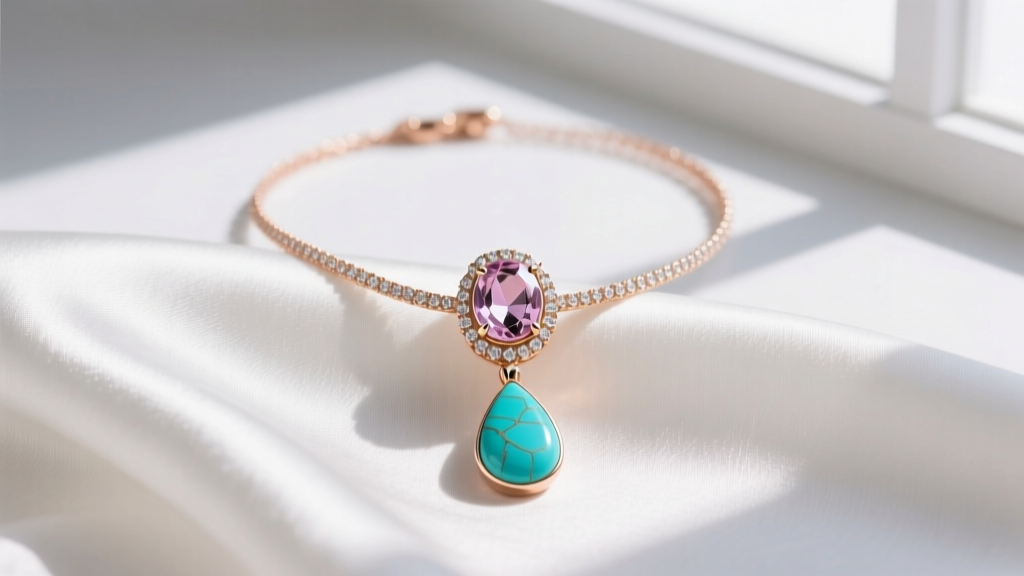
The combination of pink and turquoise in jewelry design is a masterclass in color theory. Pink, a warm and romantic hue, contrasts beautifully with the cool, vibrant, and earthy tones of turquoise. When shopping for a pink and turquoise necklace, you are not just buying a piece of jewelry; you are investing in a striking visual dialogue between two completely different mineral families. In 2026, jewelers are moving away from overly uniform, mass-produced bead strands and leaning heavily into asymmetrical designs, raw cabochons, and mixed-metal settings that highlight the unique inclusions of these stones.
However, navigating the market requires a sharp eye. Turquoise is one of the most heavily treated and imitated gemstones on earth, while pink gemstones range from incredibly durable sapphires to fragile, porous quartz. This comprehensive buying guide will break down exactly what to look for regarding gemological grading, metal pairings, and structural integrity.
Decoding the Turquoise: Natural vs. Treated
Turquoise is a porous, hydrous phosphate of copper and aluminum. Its Mohs hardness ranges from 5 to 6, making it relatively soft. Because of its porosity, the vast majority of turquoise on the market undergoes some form of treatment. According to the Gemological Institute of America (GIA), understanding these treatments is critical to determining the value and longevity of your necklace.
Common Turquoise Treatments
- Stabilization (Epoxy/Resin): Approximately 90% of commercial turquoise is stabilized. A clear epoxy is forced into the stone under pressure to harden it and enhance the color. This is an accepted industry practice for mid-tier jewelry and ensures the stone won't absorb oils or crack.
- Dyeing: Lower-grade, chalky turquoise is often dyed blue or green. This significantly lowers the value. Always look for disclosures regarding color enhancement.
- The Zachery Treatment: A proprietary method using potassium silicate to reduce porosity without adding polymers or dyes. It is highly regarded and difficult to detect without advanced lab equipment.
- Natural/Untreated: Rare, expensive, and highly prized by collectors. Untreated turquoise will naturally change color over time as it absorbs the wearer's skin oils, developing a unique patina.
Matrix and Origin
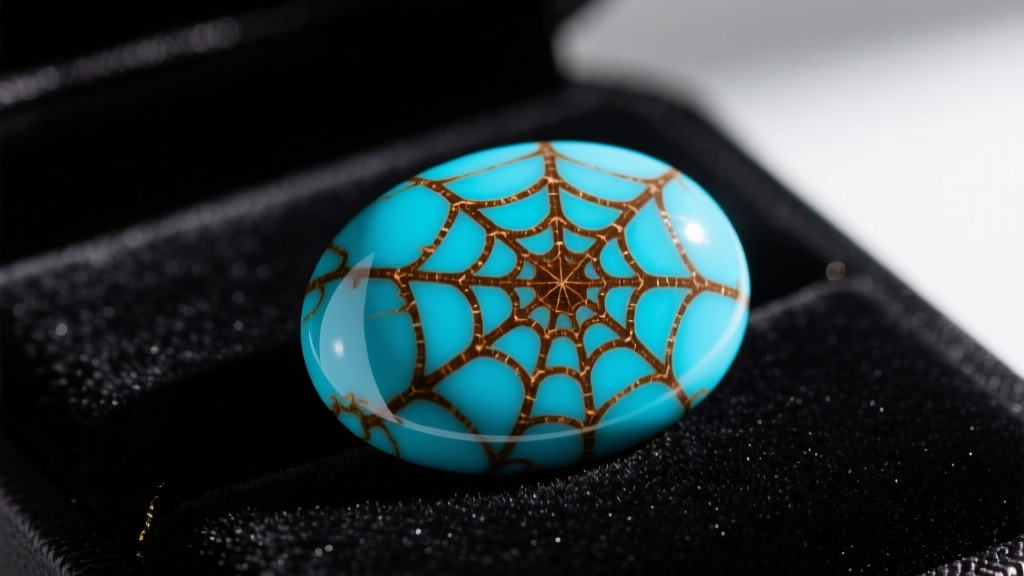
The "matrix" refers to the host rock trapped within the turquoise. A fine, spiderweb matrix (often seen in Kingman or Lander Blue turquoise) can actually increase the stone's value if the pattern is aesthetically pleasing. Conversely, heavy, muddy brown matrix can detract from the vibrant blue. When buying a pink and turquoise necklace, ensure the turquoise cabochon has a smooth, even polish without pitting, which indicates poor stabilization or low-grade chalk turquoise.
Selecting the Perfect Pink Centerpiece
While turquoise provides the earthy foundation, the pink gemstone dictates the necklace's overall durability and price point. Here is a breakdown of the most common pink stones paired with turquoise, ranked by their Mohs hardness and suitability for daily wear.
1. Pink Sapphire (Mohs 9)
The most durable and expensive option. Pink sapphires offer brilliant light return and exceptional scratch resistance. They are ideal for prong-set pendants that will be worn daily. Expect to pay a premium for untreated, naturally saturated pink sapphires.
2. Morganite (Mohs 7.5 - 8)
A member of the beryl family, morganite is the undisputed favorite for pairing with turquoise in modern fine jewelry. Its peachy-pink hue complements the warm matrix of turquoise beautifully. The GIA notes that morganite is strongly pleochroic, meaning it shows different colors from different angles. A skilled lapidary will cut the stone to maximize the pink face-up color. Morganite is durable enough for everyday necklaces but should be protected from hard impacts.
3. Pink Tourmaline / Rubellite (Mohs 7 - 7.5)
Tourmaline offers a deeper, more saturated magenta-pink compared to the pastel tones of morganite. However, it is heavily included. If your necklace features a pink tourmaline, ensure the inclusions do not reach the surface of the stone, as this creates structural weak points.
4. Rose Quartz (Mohs 7)
The budget-friendly, bohemian choice. Rose quartz is almost always translucent to opaque and is typically cut into smooth cabochons rather than faceted. It pairs wonderfully with raw or roughly cut turquoise in artisan, wire-wrapped, or bezel-set designs.
Metal Pairings: Setting the Stage
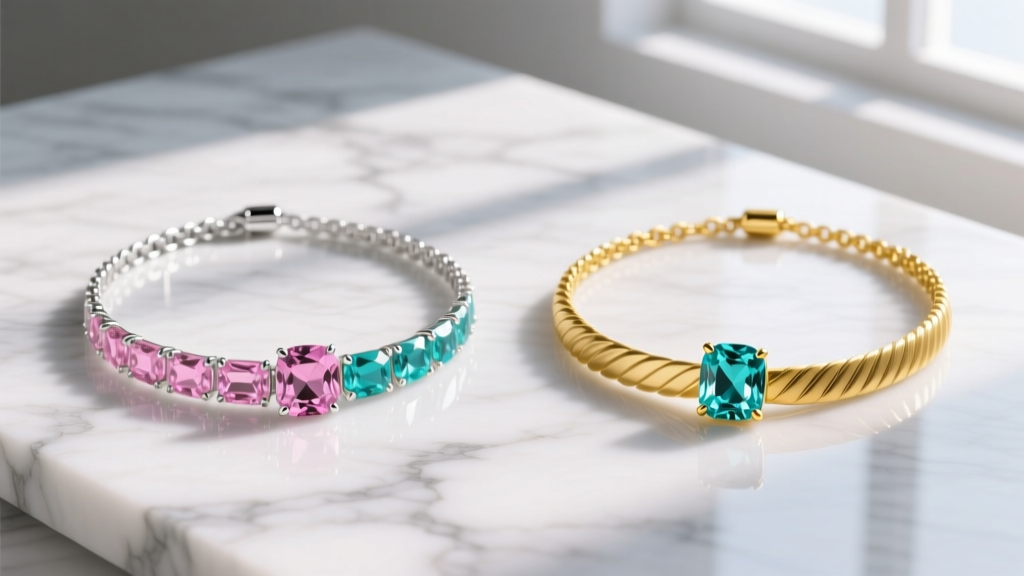
The metal you choose for your pink and turquoise necklace acts as the bridge between the warm pink and cool turquoise. Here is how different metals interact with this specific color palette.
| Metal Type | Visual Interaction | Durability & Care | Best Suited For |
|---|---|---|---|
| 14k Rose Gold | Enhances the pink stone's warmth; creates a soft, romantic gradient. | Highly durable due to copper alloy; requires occasional polishing. | Morganite and Sleeping Beauty turquoise. |
| Sterling Silver | Provides a crisp, high-contrast backdrop; emphasizes the cool tones of turquoise. | Prone to tarnish; requires regular polishing, especially near the porous turquoise. | Southwestern styles, Rose Quartz, and raw turquoise. |
| 14k Yellow Gold | Creates a vintage, regal look; highlights the brown/black matrix in turquoise. | Excellent longevity; hypoallergenic and low maintenance. | Pink Sapphires and high-grade Kingman turquoise. |
Pricing Tiers and What to Expect
When evaluating a pink and turquoise necklace, price is heavily dictated by the origin, treatment, and carat weight of the gemstones, as well as the metal purity. Use this framework to gauge if a piece is fairly priced in the current market.
Tier 1: Artisan & Fashion ($40 - $150)
Materials: Sterling silver, dyed howlite (imitation turquoise), rose quartz, or stabilized low-grade turquoise.
What to look for: Ensure the seller discloses if the "turquoise" is actually dyed howlite or magnesite. At this price point, you are paying for the design and metal weight, not gemstone investment value.
Tier 2: Fine Jewelry Mid-Range ($400 - $1,800)
Materials: 14k Rose or Yellow Gold, natural stabilized turquoise (e.g., Sleeping Beauty), and faceted morganite or pink tourmaline.
What to look for: Secure bezel settings (prongs can catch and chip soft turquoise). The turquoise should have a rich, even color without chalky white spots.
Tier 3: Investment & Collector ($3,000+)
Materials: 18k Gold or Platinum, untreated high-grade turquoise (e.g., Lander Blue, Bisbee), and untreated, vivid pink sapphires.
What to look for: Independent gemological lab reports (GIA or AGL) verifying the lack of heat treatment in the sapphire and the natural, untreated status of the turquoise.
Authenticity Checks: Spotting the Fakes
The most common deception in the turquoise market is passing off dyed howlite as genuine turquoise. Howlite is a naturally white, porous stone that takes dye exceptionally well. To protect your investment, perform these quick checks:
- The Acetone Test: If you are buying a vintage or loose piece, a cotton swab dipped in nail polish remover (acetone) rubbed gently on an inconspicuous area will remove dye from howlite, revealing white underneath. (Note: Do not do this on finished jewelry without the jeweler's permission).
- Examine the Matrix: In dyed howlite, the black "matrix" veins are often dyed as well and will look like uniform, printed lines. Genuine turquoise matrix has depth, varying thickness, and natural irregularities.
- Temperature: Genuine turquoise and morganite feel noticeably cool to the touch and take time to warm up. Glass or plastic imitations will feel room temperature immediately.
Styling and Layering Your Necklace
A pink and turquoise necklace is inherently a statement piece, but its impact changes drastically depending on the chain length and layering technique.
Optimal Lengths for Dual-Stone Pendants
Because you are dealing with two distinct colors, you want the pendant to rest in an area of high visibility. A 16-inch choker length works beautifully for asymmetrical designs where the pink and turquoise stones are separated on the chain. For a traditional drop pendant featuring both stones, an 18-inch princess length allows the piece to rest perfectly on the collarbone, framing the face and catching the light.
Layering Framework
If you wish to layer your pink and turquoise necklace, follow the "Rule of Three" to avoid visual clutter:
- Layer 1 (14-16 inches): A delicate, minimalist 14k gold chain with a single, tiny diamond or plain gold bead.
- Layer 2 (18 inches): Your primary pink and turquoise pendant necklace.
- Layer 3 (22-24 inches): A longer, textured chain (like a paperclip or rope chain) featuring a solid metal pendant or a single, large turquoise cabochon to anchor the bottom of the stack.
Care and Maintenance Protocols
Maintaining a multi-gemstone necklace requires understanding the weakest link. In a pink and turquoise necklace, turquoise is always the weakest link.
Expert Warning: Never place a turquoise necklace in an ultrasonic cleaner. The high-frequency vibrations and heat can fracture the stone and strip away stabilization resins, leaving the stone dull and brittle.
To clean your necklace, use a soft, lint-free microfiber cloth. If the pink gemstone (like morganite or sapphire) becomes cloudy from skin oils, you can gently clean only the pink stone with a drop of mild dish soap and warm water using a soft baby toothbrush. Keep the soapy water away from the turquoise. Always apply perfumes, hairsprays, and lotions before putting on your necklace, as the chemicals and alcohols can permanently discolor porous turquoise.
By prioritizing natural, well-stabilized turquoise, selecting a durable pink counterpart like morganite, and choosing a metal that bridges the color gap, your pink and turquoise necklace will remain a vibrant, head-turning staple in your collection for decades to come.


