Hawaiian Seed Necklace Buying Guide: What to Look For
Discover how to choose an authentic Hawaiian seed necklace. Learn about native seeds, knotting techniques, treatments, and pricing in our expert guide.

The Cultural and Botanical Weight of Hawaiian Seed Jewelry
A genuine Hawaiian seed necklace is far more than a tropical souvenir; it is a wearable piece of ethnobotanical history. Often referred to as seed leis, these necklaces represent a profound connection to the ʻāina (land) and have been integral to Hawaiian hula, ceremony, and daily life for centuries. However, as we navigate the jewelry market in 2026, the proliferation of mass-produced, imported seed necklaces sold in tourist hubs has made it increasingly difficult to distinguish authentic, handcrafted native pieces from commercial replicas.
Whether you are seeking a polished kukui nut lei for everyday wear or a rare, endemic wiliwili seed necklace for a special occasion, understanding the botanical origins, craftsmanship markers, and proper curing techniques is essential. This comprehensive buying guide will equip you with the specific, actionable knowledge needed to invest in authentic Hawaiian seed jewelry that honors its cultural roots and withstands the test of time.
Identifying Authentic Native Seeds vs. Commercial Imports
The most critical factor in purchasing a Hawaiian seed necklace is verifying the origin of the materials. Many necklaces sold under the guise of 'Hawaiian' are actually made from Job's Tears (Coix lacryma-jobi) or generic hardwood beads imported from Southeast Asia. While beautiful, they lack the cultural and endemic significance of true Hawaiian seeds. According to the ethnobotany archives at the Bishop Museum, true native and Polynesian-introduced seeds possess distinct physical characteristics that cannot be perfectly replicated by machine-made imports.
The Weight and Texture Test
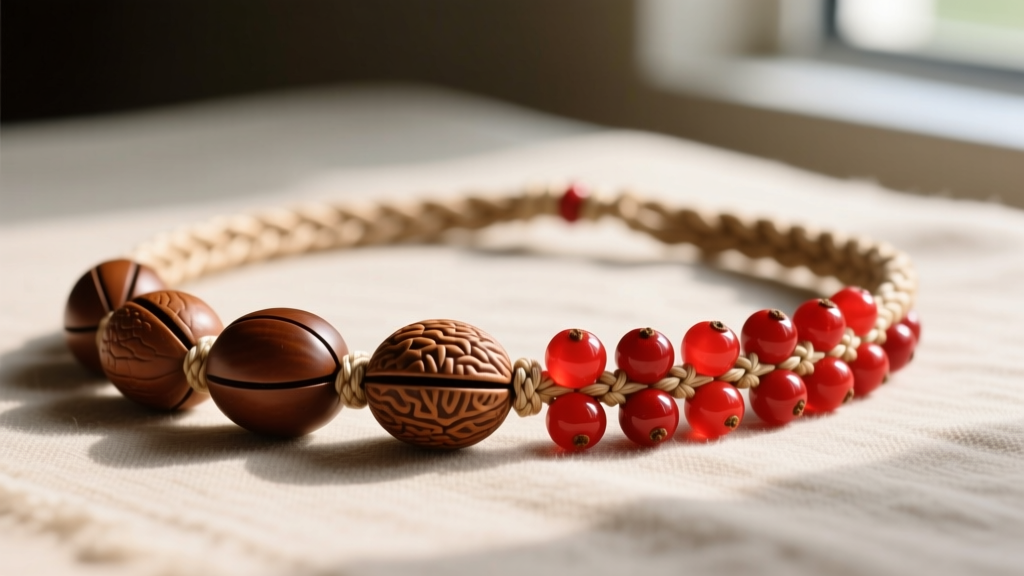
Endemic Hawaiian seeds have unique density profiles. The wiliwili (Erythrina sandwicensis), for example, is incredibly lightweight—historically used by Native Hawaiians as floats for fishing nets. A genuine wiliwili necklace feels almost weightless against the collarbone, whereas dyed wood or plastic imitations feel noticeably heavy and dense. Conversely, the kukui nut (Aleurites moluccanus) has a substantial, smooth weight and a natural marbled interior that is visible if the seed is cut or heavily polished.
| Seed Type | Botanical Origin | Color & Texture | 2026 Artisan Price Range | Rarity |
|---|---|---|---|---|
| Kukui Nut | Polynesian Introduction | Dark brown/black, mottled, highly polishable | $45 - $120 | Common |
| Wiliwili | Endemic (Native) | Red, orange, or yellow; porous, extremely lightweight | $150 - $350 | Rare |
| Koa Seed Pod | Endemic (Native) | Rich mahogany grain, woody, often carved | $180 - $400+ | Uncommon |
| Job's Tears | Naturalized / Imported | Grey, white, or dyed; hard, teardrop shape | $15 - $40 | Abundant |
Evaluating Craftsmanship: Drill Holes and Knotting Techniques
The hallmark of an artisan-crafted Hawaiian seed necklace lies in the stringing and drilling methods. Mass-produced necklaces are typically strung on cheap elastic or thin cotton thread using machine-drilled beads. Machine drilling often leaves microscopic burn marks inside the hole or results in perfectly uniform, razor-sharp edges that eventually fray the stringing material.
Hand-Drilling and Knotting Protocols
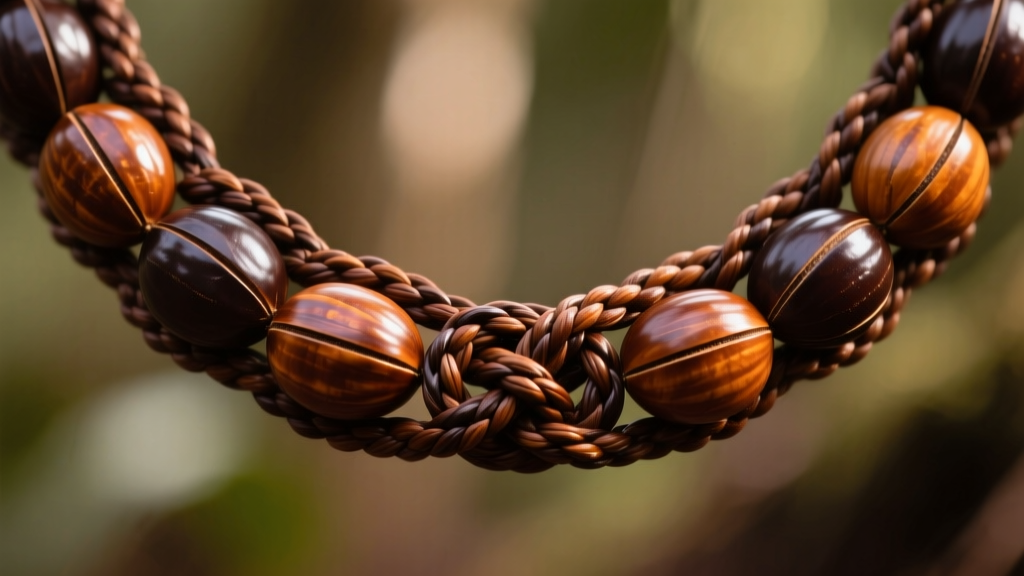
Master artisans hand-drill seeds using fine bits (typically 1.5mm for wiliwili and 2.5mm for kukui) to prevent cracking the natural hull. When examining a necklace, look closely at the drill holes: authentic hand-drilled seeds will have very slight variations in angle and diameter. Furthermore, traditional high-end seed leis are hand-knotted between each seed using overhand or square knots. This technique, similar to premium pearl stringing, ensures that if the cord breaks, the entire necklace does not spill and the seeds do not grind against one another. While historically strung on olonā (a native plant fiber renowned as the strongest natural cordage in the world), modern artisans primarily use high-test braided nylon or pure silk for longevity and moisture resistance.
Seed Treatments and Finishes: Preventing Rancidity
One of the most common failure modes for poorly processed kukui nut necklaces is rancidity. Kukui nuts are packed with natural oils (historically extracted for lamps and skin salves). If the seeds are harvested green and not properly dried, cured, and sealed, the internal oils will oxidize, emitting a sour, rancid odor and eventually causing the nut to crack or mold.
When purchasing from an artisan or a reputable gallery certified by the University of Hawaii agricultural extensions, always ask about the curing process. Properly cured seeds are dried in shaded, well-ventilated areas for several months before drilling. For the finish, avoid thick, plastic-like polyurethane coats that trap moisture and look artificial. Instead, seek out necklaces finished with natural tung oil, macadamia nut oil, or traditional kukui oil, which penetrate the porous surface, enhance the natural marbling, and allow the seed to breathe while providing a beautiful, soft luster.
Sizing, Layering, and Neckline Pairings
Hawaiian seed necklaces are traditionally worn in lengths that mimic standard floral leis, typically ranging from 18 to 24 inches. However, contemporary styling has introduced new ways to integrate these organic textures into modern wardrobes.
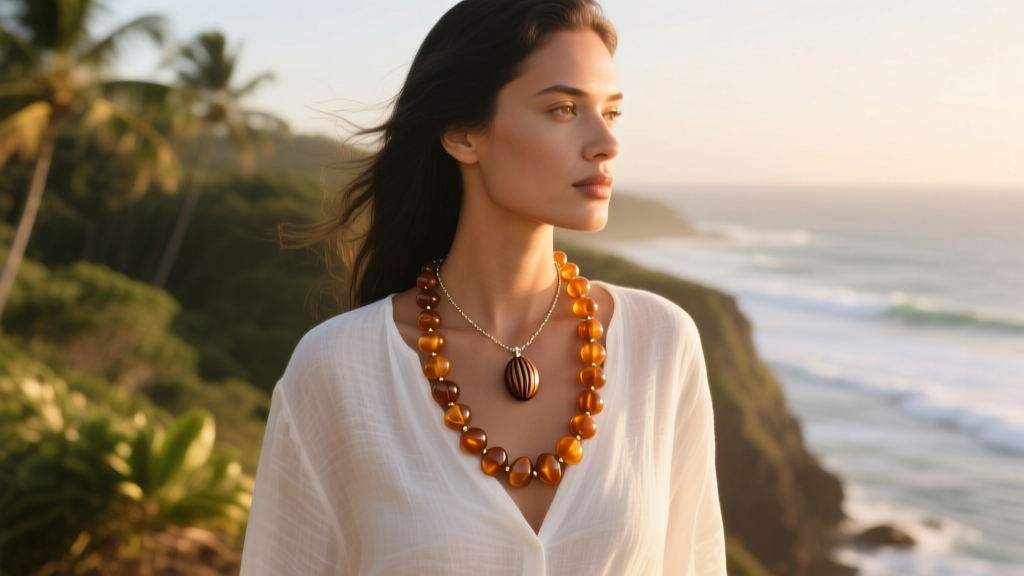
- The 18-Inch Choker/Princess Length: Ideal for single-strand, tightly knotted wiliwili or small kukui necklaces. Pairs beautifully with V-necklines or open-collared linen shirts, allowing the vibrant reds or deep browns to frame the face without overwhelming the outfit.
- The 24-Inch Matinee Length: Best for larger, unknotted kukui nuts or heavy koa seed pods. This length rests on the sternum and is perfect for layering over solid-colored turtlenecks or casual dresses in the fall and winter months.
- Layering with Metals: In 2026, mixing organic seeds with metals is highly popular. Try layering a 20-inch matte brown kukui seed necklace with a 22-inch 14k yellow gold chain featuring a small honu (turtle) or maile leaf pendant. The contrast between the warm, organic wood tones and the reflective gold creates a sophisticated, island-modern aesthetic.
Care, Maintenance, and Cultural Respect
To ensure your Hawaiian seed necklace lasts for generations, it requires specific care. Never wear seed jewelry in the ocean, swimming pools, or hot tubs. Chlorine and saltwater will rapidly degrade the natural oils and cause the stringing material to rot. If the necklace becomes dull from skin contact and environmental dust, gently wipe it with a dry, soft microfiber cloth. Once a year, you can revitalize the seeds by rubbing a single drop of food-grade macadamia or jojoba oil into your palms and gently massaging the necklace, wiping away any excess immediately.
A Note on Cultural Protocol: In Hawaiian culture, a lei or seed necklace is a symbol of aloha, respect, and connection. When gifted, it is customary to accept it graciously and wear it in the presence of the giver. If you purchase a necklace made from rare, endemic seeds like wiliwili or koa, recognize that you are wearing a piece of a fragile ecosystem. Always buy from verified local artisans who practice sustainable, ethical harvesting rather than commercial foragers who strip native forests.
Quick Purchasing Checklist
- Verify the Seed: Ask for the botanical or Hawaiian name. If the seller only knows it as 'wood beads,' walk away.
- Inspect the Holes: Look for slight variations in drill holes and the absence of machine burn marks.
- Check the Knots: Ensure there are tight, uniform knots between each seed to prevent friction and loss.
- Smell the Necklace: It should smell earthy, woody, or faintly of natural oil. Any sour or chemical odors indicate poor curing or synthetic sealants.
- Ask About the Cord: Opt for braided nylon or pure silk over cheap cotton or elastic for long-term durability.