Open Heart Necklace Silver: 2026 Occasion Gift Guide
Discover the perfect open heart necklace silver for every occasion in our 2026 gift guide. Learn about silver grades, chain pairings, and styling tips.

The Enduring Symbolism of the Open Heart
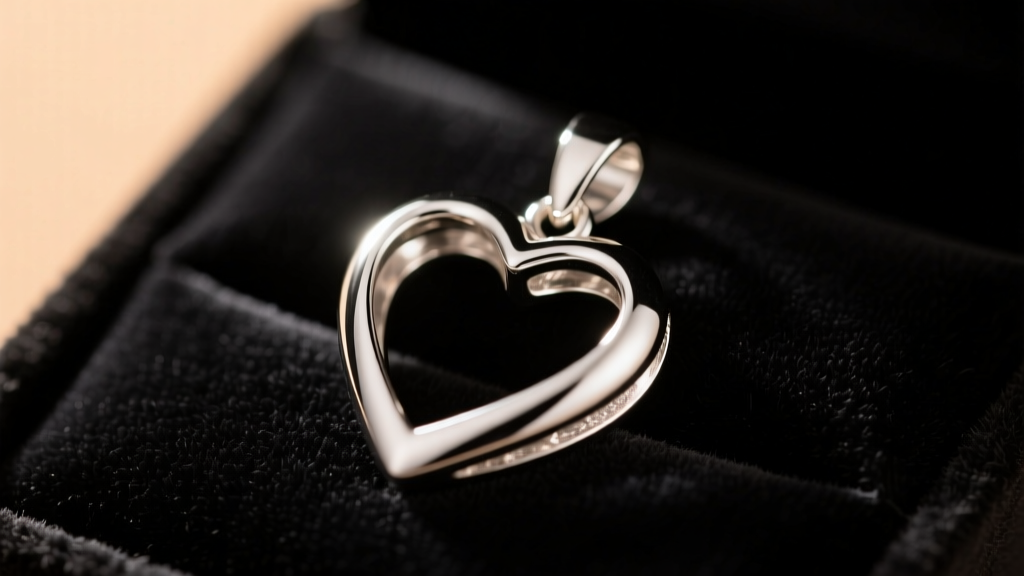
Since Elsa Peretti first introduced her iconic bone and heart motifs in the 1970s, the open heart necklace silver pendant has remained a cornerstone of fine jewelry gifting. Unlike a solid heart, which can feel heavy and visually dense, the open heart represents unbound love, emotional availability, and modern minimalism. As we navigate the 2026 jewelry market, this motif has evolved beyond the classic symmetrical curve. Today, you will find asymmetrical cut-outs, intertwined double-heart frames, and negative-space designs that play with light and shadow. However, selecting the right piece requires looking past the silhouette and understanding the metallurgy, chain mechanics, and occasion-specific styling that elevate a simple pendant into a lifelong heirloom.
Decoding Silver Alloys: What You Are Actually Gifting
When shopping for an open heart necklace silver design, the term "silver" is not a monolith. The durability, tarnish resistance, and price of the piece depend entirely on the alloy composition. According to the Gemological Institute of America (GIA), pure silver is too soft for daily wear jewelry. Therefore, understanding the hallmark stamped on the bail is your first line of defense as a gifter.
.925 Sterling Silver vs. .999 Fine Silver
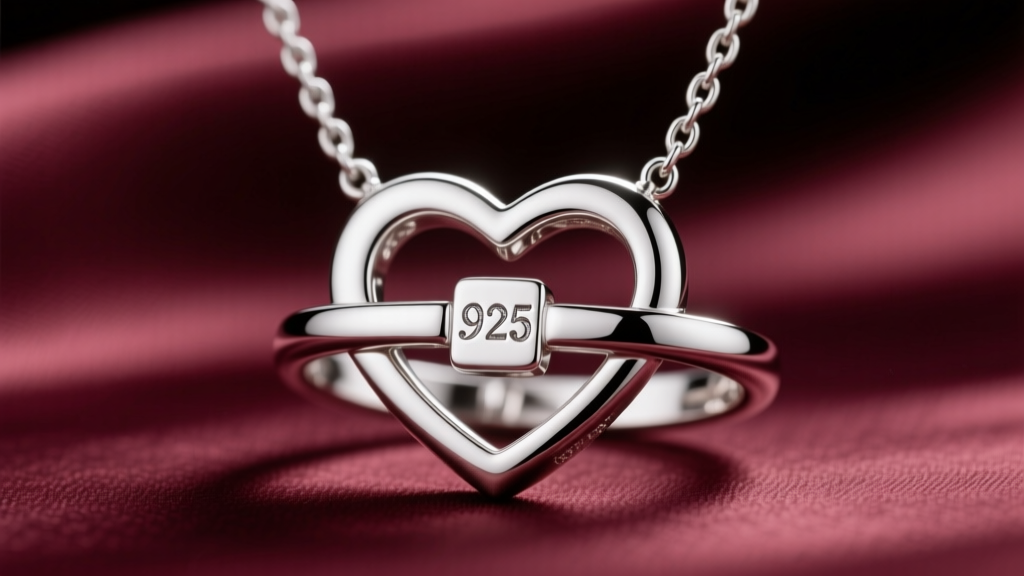
Standard sterling silver is an alloy consisting of 92.5% pure silver and 7.5% copper. This copper addition increases the Vickers hardness from roughly 25 HV (fine silver) to over 60 HV, allowing the pendant to withstand drops, pulls, and daily friction without warping. Never gift a .999 fine silver open heart pendant for daily wear; the bail will bend under the weight of the chain, and the heart itself will easily dent. Conversely, .925 sterling is the industry standard, offering the perfect balance of bright luster and structural integrity.
The Rise of Argentium Silver
For a premium 2026 gift, seek out Argentium Silver. This patented alloy replaces a portion of the copper with germanium. The result is a silver that is highly tarnish-resistant, hypoallergenic, and possesses a naturally whiter, brighter finish that rivals platinum. While a standard .925 open heart pendant might range from $60 to $150, an Argentium version from an artisan jeweler typically commands $180 to $350, making it an exceptional choice for milestone anniversaries where longevity is paramount.
Occasion Matching: The 2026 Gifting Matrix
Matching the weight, chain style, and finish of an open heart necklace silver piece to the specific occasion ensures your gift feels intentional rather than generic. Below is a strategic framework for pairing the right specifications with the right life event.
| Occasion | Ideal Chain Style | Pendant Finish | Estimated Price Range |
|---|---|---|---|
| 16th Anniversary (Silver) | 2.0mm Box Chain (18") | High-Polish with Rhodium Flash | $150 - $300 |
| College Graduation | 1.2mm Cable Chain (16") | Brushed or Matte Texture | $80 - $140 |
| Valentine's Day | 1.5mm Rope Chain (17") | Polished with Diamond Accent | $120 - $250 |
| New Mother (Push Present) | 2.5mm Snake Chain (20") | Intertwined Double Heart | $200 - $450 |
For graduations, a lighter, shorter cable chain offers a youthful, layered aesthetic that pairs well with professional attire. For anniversaries, the structural weight of a box chain combined with a rhodium-plated pendant provides a luxurious, white-gold appearance that signifies permanence.
Chain Pairings: The Mechanics of the Bail
The most common point of failure in gifting an open heart necklace silver pendant is a mismatch between the chain thickness and the pendant's bail. The bail is the loop through which the chain passes. Open heart designs typically utilize one of two bail mechanisms:
- The Hidden Bail: A small loop soldered to the back of the top curve. This preserves the unbroken line of the heart from the front. Hidden bails usually accommodate thicker chains, up to 3.0mm.
- The Direct Drill: A hole drilled directly through the top lobe of the silver heart. This creates a seamless, modern look but severely limits your chain options. You must use a chain with a detachable clasp or a very thin, flexible chain like a 1.0mm snake or omega chain that can thread through a 2.5mm aperture.
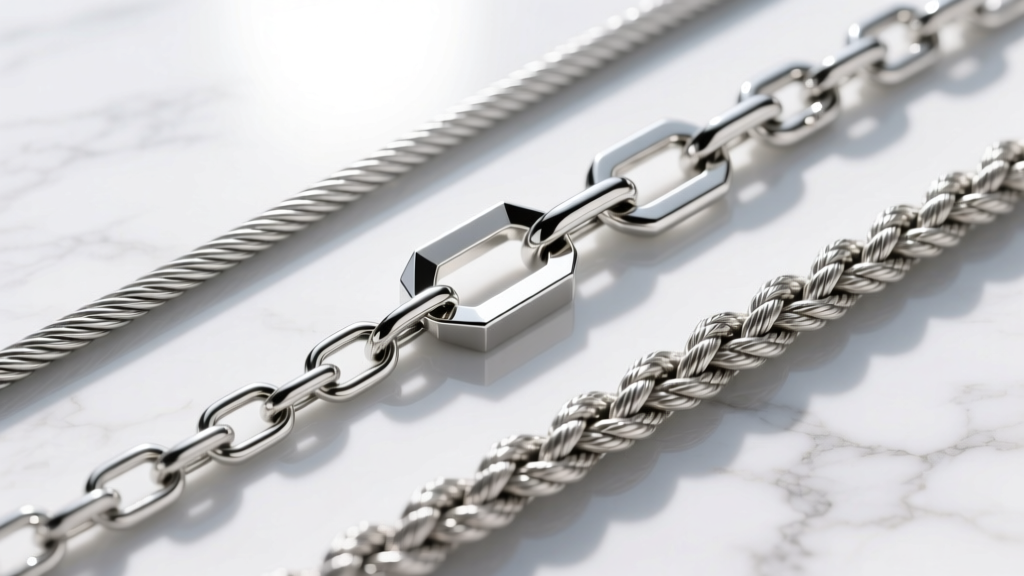
Always verify the inner diameter of the bail before purchasing a chain. A heavy 3.0mm rope chain forced through a 1.5mm bail will cause excessive friction, eventually wearing through the silver loop and resulting in a lost pendant.
Proportions and Drop Lengths
The visual impact of an open heart pendant changes drastically depending on where it rests on the chest. The standard 18-inch drop places the heart exactly on the collarbone, making it the most versatile length for both V-neck and crew-neck garments. However, if the recipient frequently wears high-neck blouses or business attire, a 20-inch matinee length allows the pendant to rest below the collar, ensuring it remains visible. For a modern, choker-adjacent look popular in 2026 streetwear and minimalist fashion, a 15-inch chain with a 2-inch extender offers customizable layering options.
Consider the physical dimensions of the heart itself. A delicate 12mm open heart requires a delicate 1.0mm chain to maintain visual harmony; pairing it with a thick chain will make the pendant look like an afterthought. Conversely, a bold 25mm asymmetrical heart needs the visual anchor of a 2.0mm to 2.5mm chain to prevent the necklace from looking top-heavy and snapping under the pendulum effect of a swinging pendant.
Long-Term Care and Tarnish Prevention
Silver sulfide—the black tarnish that forms on silver—is caused by exposure to sulfur in the air, cosmetics, and household materials. To ensure your gift remains pristine, include a care kit with your presentation. Jewelers of America recommends storing silver in airtight environments with anti-tarnish strips.
Expert Gifting Tip: Never wrap a silver open heart necklace in a standard rubber band to secure it in a box. Rubber contains high levels of sulfur and will cause deep, irreversible black pitting on the silver within 48 hours. Instead, use a 100% cotton tie or a specialized Pacific Silvercloth pouch.
Furthermore, advise the recipient to adopt the 'last on, first off' rule. Hairsprays, perfumes, and lotions contain alcohols and aerosolized chemicals that can degrade the rhodium flash often applied to high-end sterling silver to enhance its reflectivity. Applying these products before putting on the necklace preserves the microscopic plating layer, extending the time between necessary professional re-polishing.
For daily maintenance, gift an untreated microfiber polishing cloth. Avoid liquid silver dips, as they strip away the protective rhodium plating and can leave a chalky residue in the crevices of the open heart design. By understanding the metallurgy, mechanics, and maintenance of the open heart necklace silver pendant, you transform a simple jewelry purchase into a deeply considered, expertly curated gift that will endure for decades.


