Bratz Necklace Troubleshooting: Fixing & Authenticating Y2K Gems
Authenticate and repair vintage Bratz necklaces with our expert guide. Fix Y2K base metal tarnish, loose rhinestones, and cracked acrylic pendants easily.

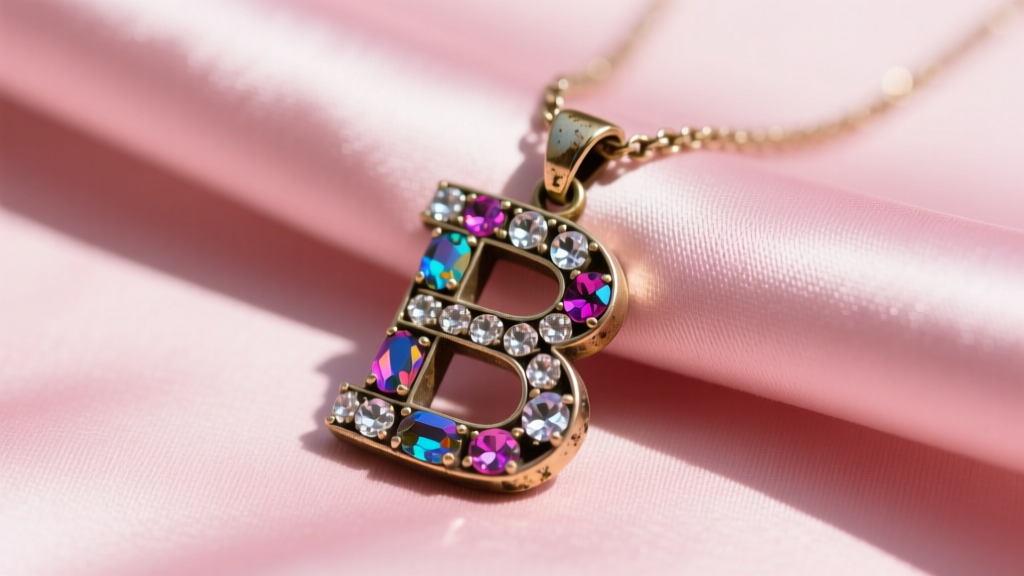
The Y2K fashion revival has reached a fever pitch in 2026, and at the center of this nostalgia boom is the iconic Bratz necklace. Originally released by MGA Entertainment between 2001 and 2006 to coincide with the doll line's massive success, these pieces are now highly coveted collector's items. However, because they were originally manufactured as affordable children's costume jewelry, vintage Bratz necklaces are notorious for structural failures, severe tarnishing, and missing components. Furthermore, the market is currently flooded with modern fast-fashion reproductions masquerading as vintage originals.
If you have inherited, thrifted, or purchased a vintage Bratz necklace that needs some serious TLC, this comprehensive troubleshooting guide will help you authenticate your piece, reverse common material degradations, and restore it to its former Y2K glory.
The Authentication Matrix: Original 2000s vs. Modern Repros
Before you invest time and money into restoring a piece, you must verify its authenticity. Modern reproductions often use lightweight aluminum and acrylic rhinestones, whereas original MGA-licensed pieces utilized heavier zinc alloys and glass stones. According to the Federal Trade Commission Jewelry Guides, vintage costume jewelry often lacks strict hallmarking, making physical inspection your best authentication tool.
| Feature | Original Vintage (2001-2006) | Modern Reproduction (2020s) |
|---|---|---|
| Base Metal | Heavy zinc alloy (pot metal), nickel or silver-plated | Lightweight aluminum or hollow brass |
| Rhinestones | Glass with silver foil backing, glued into prong settings | Acrylic or resin hotfix stones, often machine-pressed |
| Acrylic Pendants | Thick cast acrylic, visible mold seams, heavy weight | Thin injection-molded plastic, lightweight, seamless |
| Markings | 'MGA', 'Bratz', or copyright symbols stamped on the back | Blank, or generic 'Made in China' sticker residue |
| 2026 Market Value | $45 - $250+ (depending on rarity and condition) | $12 - $18 (retail fast-fashion pricing) |
Troubleshooting Common Vintage Bratz Necklace Failures
Once you have confirmed you are holding a genuine piece of Y2K history, it is time to address the inevitable wear and tear. Costume jewelry from this era was not built for longevity, but with the right conservation techniques, you can halt degradation.
1. The 'Green Skin' Base Metal Tarnish
The most common complaint with vintage Bratz necklaces is the severe oxidation of the base metal, which leaves a green or black residue on the wearer's skin. This occurs because the underlying zinc alloy (pot metal) reacts with the acids and moisture in human sweat once the thin outer plating wears away.
The Fix: Do not use harsh commercial silver dips or ultrasonic cleaners, as these will strip the remaining nickel or rhodium plating entirely. Instead, create a gentle paste of baking soda and distilled water. Apply it with a soft-bristled toothbrush to lift surface oxidation. Rinse with distilled water and pat dry immediately. To prevent future skin reactions and seal the metal, apply a micro-crystalline wax like Renaissance Wax or a specialized jewelry sealant like ProtectaClear. The Victoria and Albert Museum's conservation guidelines highly recommend micro-crystalline waxes for sealing base metals in costume jewelry collections without altering their visual finish.
2. Rhinestone Fallout and Blackened Settings
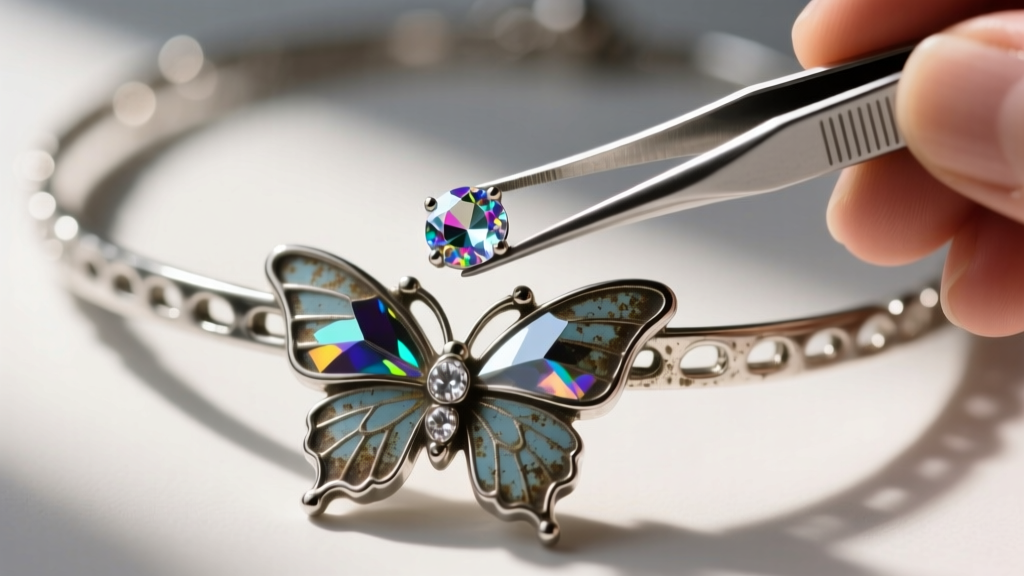
The iconic rhinestone 'B' pendants and butterfly chokers are notorious for losing their sparkle. This happens for two reasons: the original industrial adhesive dries out and becomes brittle over two decades, and the silver foil backing on the glass stones oxidizes, turning the stones a dull, cloudy gray.
The Fix: Carefully remove any loose or clouded stones using a wax-tipped jewelers' pick. Clean the empty prong settings with 99% isopropyl alcohol to remove old glue residue. For replacements, source high-quality Preciosa or Swarovski flatback rhinestones (typically sizes SS12 or SS16 for Bratz pendants). For the adhesive, use Beacon Adhesives' Gem-Tac. Never use cyanoacrylate (Super Glue), as the fumes will permanently fog the glass and ruin the foil backing. Apply a micro-drop of Gem-Tac with a toothpick, drop the stone in, and let it cure flat for 24 hours.
3. Yellowed and Cracked Acrylic Pendants
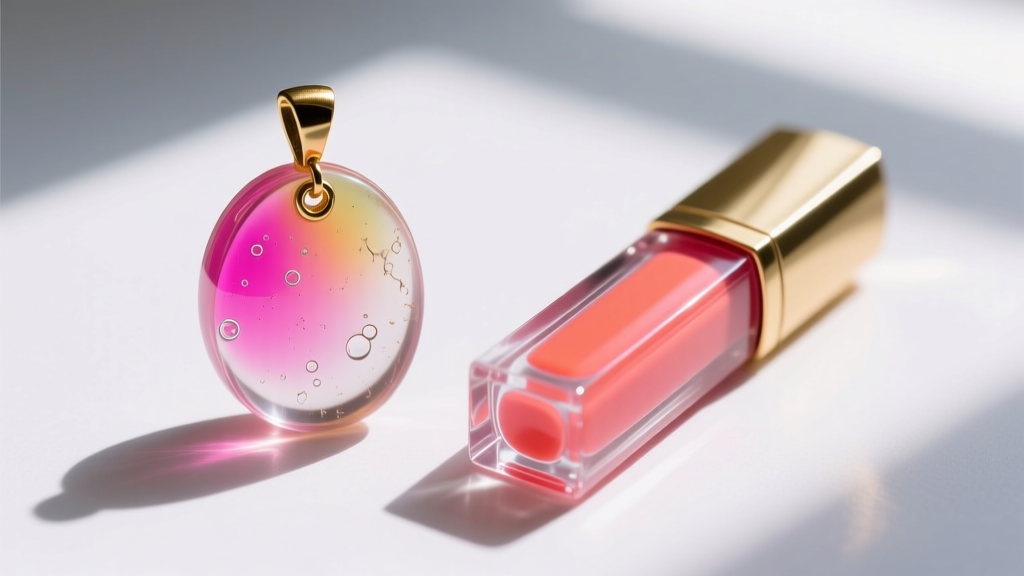
Pendants shaped like lip gloss tubes, chunky hearts, or the 'Rock Angelz' guitars were made from cast acrylic. Over time, exposure to UV light and the loss of chemical plasticizers causes these pieces to yellow or develop stress fractures near the jump ring loops.
The Fix for Yellowing: You can reverse UV yellowing using the 'Retrobrite' method. Submerge the acrylic pendant (removed from the metal chain) in a bath of 12% hydrogen peroxide cream and expose it to direct UV sunlight or a UV lamp for 2 to 4 hours. Rinse thoroughly.
The Fix for Cracks: Standard super glue will melt and cloud acrylic. Instead, use a specialized plastic epoxy like the Loctite Plastics Bonding System, which includes a primer that prepares the acrylic surface for a secure, invisible bond.
Sourcing Replacement Hardware for Discontinued Chains
The chains used on early 2000s Bratz necklaces were often cheap, prone to rust, and featured flimsy lobster clasps that snap under minimal tension. Upgrading the hardware is essential for making the necklace wearable again without compromising its vintage aesthetic.
- Chain Style: Look for 'cable' or 'curb' chains in 1.5mm to 2.0mm widths to match the original Y2K proportions.
- Material Upgrade: Swap the rusted base metal for 316L surgical stainless steel or brass plated in antique silver. This maintains the chunky Y2K look while ensuring the chain will not snap or rust.
- Jump Rings: Use 18-gauge or 20-gauge jump rings (4mm or 5mm outer diameter). Always use two pairs of flat-nose pliers to twist the jump ring open laterally, rather than pulling it apart, which weakens the metal.
- Clasps: Replace tiny, failing spring-ring clasps with 5mm or 7mm stainless steel lobster clasps. Add a 1-inch extender chain to the back for modern styling versatility.
Expert Verdict: Is It Worth the Effort?
Restoring a vintage Bratz necklace requires patience, specific adhesives, and a gentle touch. However, with the 2026 Y2K market showing no signs of slowing down, the return on investment—both financially and sentimentally—is substantial. A heavily tarnished, broken 'Step Out & Style' lip gloss necklace purchased for $15 at a thrift store can easily be restored and sold for over $90 on curated vintage platforms once the acrylic is polished, the hardware is upgraded, and the metal is sealed. More importantly, you are preserving a tangible piece of 2000s pop culture history, ensuring that your favorite 'Bratz' accessories survive for the next generation of collectors.


