Sun and Moon Necklace for Couples: The Ultimate Buying Guide
Discover how to choose the perfect sun and moon necklace for couples. Explore materials, chain lengths, and design tips for matching celestial jewelry.

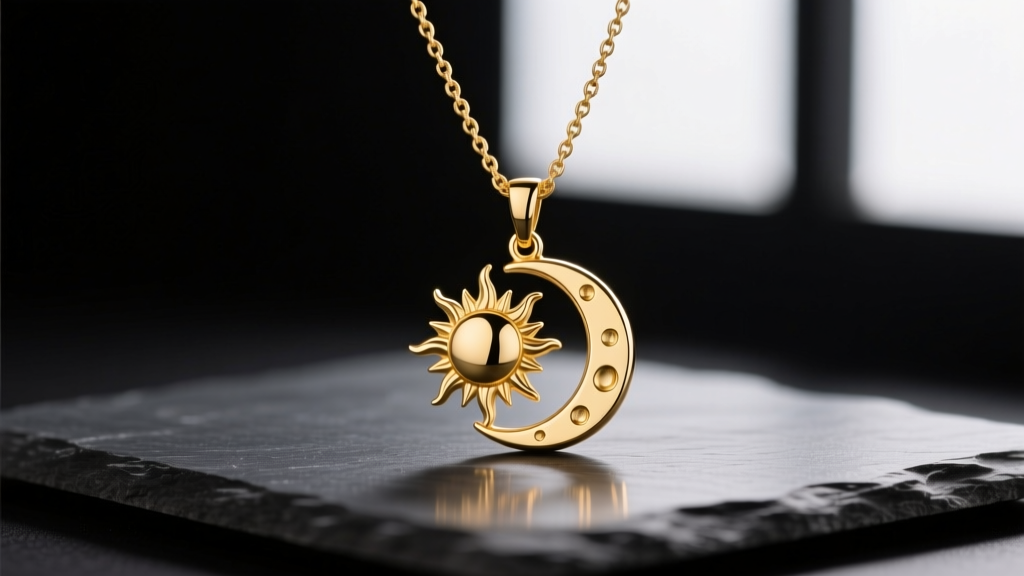
The Enduring Appeal of Celestial Couple Jewelry
Few motifs in jewelry history carry the profound symbolic weight of celestial bodies. When searching for the perfect sun and moon necklace for couples, you are not just buying matching accessories; you are investing in a wearable metaphor for balance, duality, and eternal connection. The sun represents vitality, warmth, and the conscious mind, while the moon embodies intuition, calm, and the subconscious. Together, they form a complete universe.
As we navigate the jewelry market in 2026, the demand for meaningful, high-quality couple jewelry has surged. Buyers are moving away from cheap, mass-produced trinkets and seeking pieces that offer durability, ethical sourcing, and sophisticated design. This comprehensive buying guide will walk you through the exact specifications, material grades, and structural details you need to evaluate before purchasing your matching celestial pendants.
Decoding Metal Grades and Hallmarks
The longevity of your necklaces depends entirely on the base metals and plating techniques used. Many retailers use misleading terminology, so understanding official hallmarks is critical. According to the Federal Trade Commission's Jewelry Guides, strict rules govern how precious metals can be stamped and marketed.
Solid Gold vs. Vermeil vs. Gold Plated
- Solid 14k Gold (585): The gold standard for daily wear. It contains 58.5% pure gold mixed with alloy metals like copper and zinc for tensile strength. It will not tarnish and is hypoallergenic.
- Solid 18k Gold (750): Contains 75% pure gold. It offers a richer, deeper yellow hue but is softer and more prone to scratching than 14k. Ideal for pendants, less ideal for ultra-thin chains.
- Gold Vermeil: A premium plating technique. By definition, vermeil must feature a thick layer of gold (at least 2.5 microns) plated over a solid 925 sterling silver base. It is highly durable and valuable.
- Standard Gold Plated: Usually a microscopic layer of gold (often less than 0.5 microns) over a base metal like brass or copper. This will inevitably wear off, exposing the base metal and potentially causing skin discoloration.
The Gemological Institute of America (GIA) notes that alloy compositions drastically affect both the color and durability of gold jewelry. For couples with active lifestyles or sensitive skin, solid 14k gold or heavy gold vermeil over sterling silver are the only acceptable choices for pieces worn against the skin daily.
Chain Architecture and Clasp Mechanics
A pendant is only as secure as the chain and clasp supporting it. When buying a sun and moon necklace for couples, pay close attention to the chain weave and the clasp mechanism. Matching necklaces often feature delicate chains that can easily snap if the pendant is too heavy.
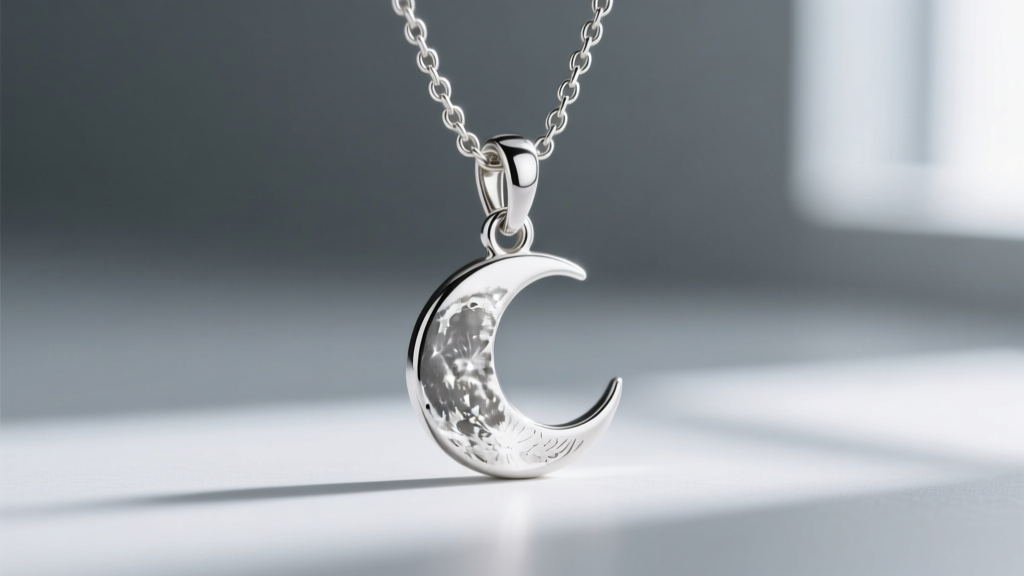
Choosing the Right Chain Weave
| Chain Type | Durability | Tangle Factor | Best For |
|---|---|---|---|
| Cable Chain | Moderate | High | Lightweight, minimalist sun/moon pendants under 3 grams. |
| Rolo Chain | High | Low | Everyday wear; the round interlocking links resist kinking. |
| Box Chain | Very High | None | Heavier pendants; the square links lay flat and rarely catch on hair. |
Clasp Durability
Avoid standard spring-ring clasps on chains thicker than 1.0mm; the internal springs are notoriously weak and fail under the tension of a swinging pendant. Instead, look for lobster clasps or parrot clasps, which feature a solid, spring-loaded lever mechanism that locks securely into the jump ring. For couples who struggle with small clasps, high-grade neodymium magnetic clasps are an emerging trend in 2026, but they must be rated for the specific weight of your pendants to prevent accidental drops.
Pendant Proportions and Weight Ratios
A common mistake couples make is purchasing oversized pendants on micro-chains. The golden rule of jewelry proportion is that the chain should be at least one-third the weight of the pendant to prevent stress fractures at the bail (the loop connecting the pendant to the chain).
Optimal Dimensions
- Minimalist/Everyday: Pendants measuring 10mm to 15mm in diameter. These sit flush against the collarbone and are ideal for layering.
- Statement/Bold: Pendants measuring 20mm to 30mm. These require a chain thickness of at least 1.5mm to 2.0mm to support the visual and physical weight.
Furthermore, consider the chain length. For a traditional look, a 16-inch or 18-inch chain works best for the 'moon' pendant (often worn by the feminine partner), while a 20-inch or 22-inch chain suits the 'sun' pendant, allowing it to rest lower on the chest. If both partners prefer a modern, gender-neutral aesthetic, matching 18-inch chains with slightly varied pendant sizes offer a cohesive yet individualized look.
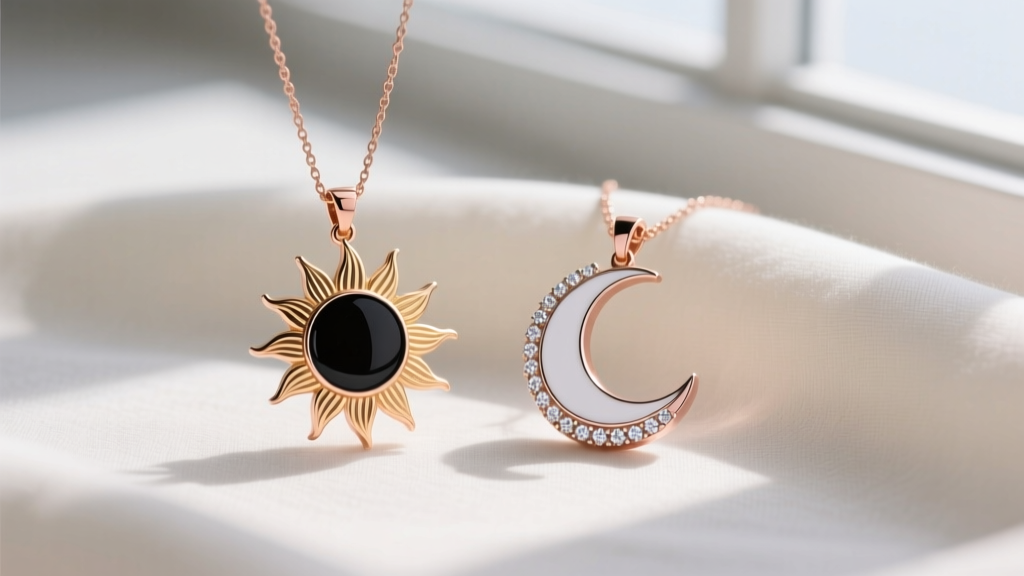
Design Variations: Beyond the Basic Split
The classic 'split circle' design—where one half is the sun and the other is the moon, fitting together like puzzle pieces—remains popular. However, modern jewelers are pushing the boundaries of celestial design.
Expert Styling Tip: Instead of a literal puzzle-piece split, look for interlocking designs where the sun and moon are distinct, fully-formed pendants that overlap when the wearers stand close together. This allows each piece to stand alone as a beautiful, complete work of art when worn separately.
Enamel and Gemstone Inlays
To add contrast, many 2026 collections incorporate cold enamel or vitreous (kiln-fired) enamel. Vitreous enamel is vastly superior; it is essentially crushed glass fused to metal at high temperatures, making it scratch-resistant and impervious to fading. Black or deep navy enamel on the moon pendant, paired with a brilliant citrine or yellow sapphire pavé on the sun pendant, creates a stunning visual dichotomy. Avoid painted resins, which will chip and yellow within months of daily wear.
2026 Pricing Tiers and What to Expect
Understanding the market value ensures you do not overpay for inferior materials. Here is a breakdown of what you should expect to pay for a high-quality sun and moon necklace for couples based on current market rates.
| Material Category | Expected Price Range (Per Set) | Longevity |
|---|---|---|
| 925 Sterling Silver (No plating) | $60 - $120 | High (Requires polishing) |
| Heavy Gold Vermeil (Over Sterling) | $130 - $250 | Medium-High (3-5 years daily) |
| Solid 14k Gold (Minimalist) | $350 - $600 | Lifetime (Heirloom quality) |
| Solid 18k Gold with Diamond Accents | $800 - $1,500+ | Lifetime (Investment grade) |
Care and Maintenance for Longevity
Even the finest celestial jewelry requires proper maintenance. Sterling silver and gold alloys are susceptible to environmental factors. According to jewelry care experts at The Spruce Crafts, the oils from your skin can actually help polish solid gold and silver, but exposure to chlorine, salt water, and sulfur will accelerate tarnishing.
Cleaning Protocols
- Solid Gold & Silver: Use a mild dish soap and warm water solution with a soft-bristled baby toothbrush. Dry thoroughly with a microfiber cloth.
- Enamel Pieces: Never use ultrasonic cleaners or harsh chemical dips on enameled sun and moon pendants. The high-frequency vibrations can cause the enamel to crack or separate from the metal base.
- Storage: Store each necklace separately in an anti-tarnish cloth pouch. Leaving them tangled in a jewelry box will cause the chains to knot and the pendants to scratch one another.
Choosing the right sun and moon necklace for couples is an exercise in balancing aesthetics with structural integrity. By prioritizing solid metals, robust chain weaves, and high-quality enamel or gemstone accents, you ensure that your celestial symbols of love will endure for a lifetime, shining just as brightly as the day you first clasped them around your necks.


