Is a Hugging Necklace Worth the Price? 2026 Value Guide
Discover if a hugging necklace is worth the investment. We compare 2026 pricing, material lifespans, and clasp durability to find true value.

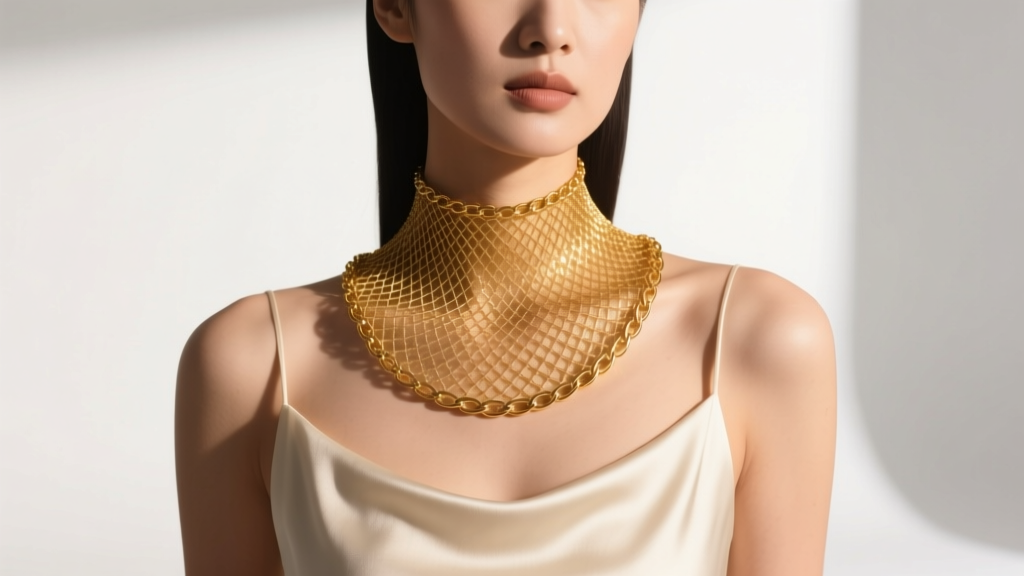
The Anatomy of the Hug: Beyond the Standard Choker
The hugging necklace has evolved from a fleeting trend into a permanent staple of minimalist jewelry wardrobes. Unlike standard 16-inch chokers that rest loosely at the base of the throat, a true hugging necklace (typically 14 to 15 inches) is engineered to move seamlessly with your skin. It sits higher, resting flush against the mid-neck or collarbone depending on the chain's flexibility. But as the 2026 jewelry market floods with options ranging from $25 fast-fashion pieces to $2,000 solid gold collars, how do you determine actual value? Assessing a hugging necklace requires looking past the initial price tag and evaluating material degradation, clasp mechanics, and cost-per-wear (CPW).
Material Tiers and True Value Assessment
Because a hugging necklace maintains constant contact with the skin, it is subjected to continuous friction, sweat, and cosmetic exposure. This makes the base metal and plating thickness the most critical factors in your budget assessment. According to the Gemological Institute of America (GIA), gold plating on jewelry can vary wildly in thickness, directly dictating its lifespan. Below is a breakdown of the three primary market tiers for hugging necklaces in 2026.
| Material Tier | Avg. Price Range (2026) | Lifespan & Durability | Tarnish & Wear Risk |
|---|---|---|---|
| Budget: PVD-Coated 316L Steel | $30 - $75 | 3-5 years. PVD (Physical Vapor Deposition) bonds at a molecular level, resisting sweat and friction exceptionally well. | Very Low. Will not turn skin green, but cannot be polished if deeply scratched. |
| Demi-Fine: Gold Vermeil | $85 - $180 | 1-3 years with daily wear. Requires a minimum of 2.5 microns of gold over sterling silver to be legally classified as vermeil. | Moderate to High. The sterling silver base will oxidize if the gold layer wears through at high-friction points. |
| Fine: Solid 14k or 18k Gold | $600 - $2,500+ | Lifetime. Can be polished, repaired, and passed down. 14k offers better scratch resistance than softer 18k gold. | None. Will not tarnish, though 18k may develop a soft patina over decades of skin contact. |
Value Verdict: For daily-wear hugging necklaces, PVD-coated stainless steel offers the highest functional ROI. If you require the prestige and resale value of precious metals, solid 14k gold is the only financially sound choice, as vermeil will inevitably require expensive re-plating.
The Friction Factor: Skin Sensitivity and Metal Grades
A frequently overlooked aspect of budgeting for a hugging necklace is the hidden cost of allergic reactions. Because these necklaces sit tightly against the pulse points, they trap heat and moisture. If you are purchasing a budget-friendly piece, you must verify the exact stainless steel grade. The European Chemicals Agency (ECHA) strictly regulates nickel release in jewelry due to contact dermatitis risks.
Cheap brass or copper alloys plated with a microscopic flash of gold will cause severe irritation when worn as a tight collar. Always look for 316L surgical stainless steel or Titanium Grade 5 in the budget tier. These metals are nickel-compliant and hypoallergenic. If a brand simply lists 'stainless steel' without the 316L designation on a $30 hugging necklace, assume it contains nickel and factor in the 'cost' of skin irritation.
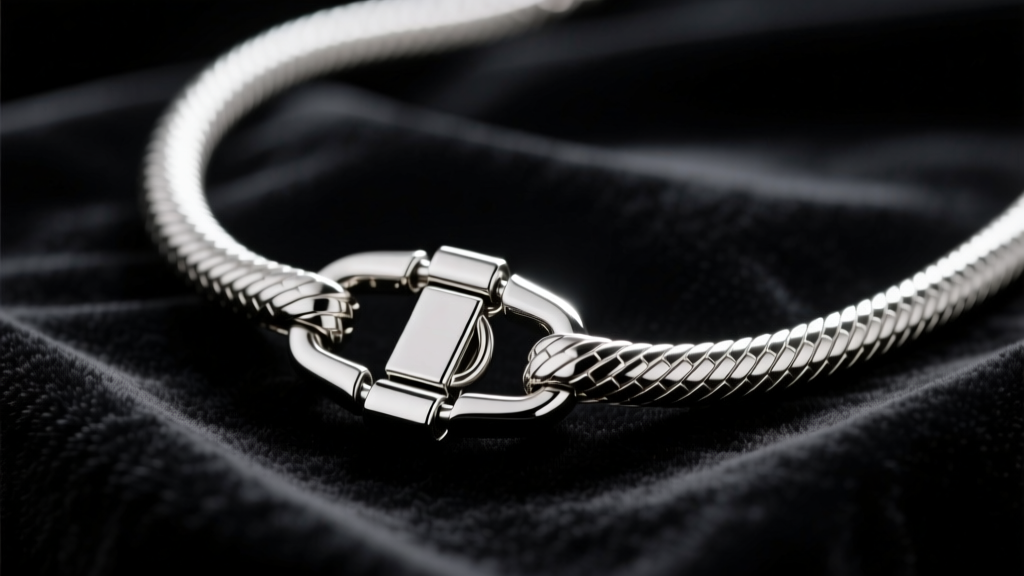
Clasp Mechanics Under Lateral Tension
The structural integrity of a hugging necklace relies entirely on its clasp. Tight-fitting jewelry experiences significant lateral tension when you turn your head, swallow, or look down. This mechanical stress is where budget brands consistently fail, turning a seemingly good deal into a lost necklace.
- Spring Ring Clasps (The Budget Trap): Common on sub-$50 chains, these small circular clasps rely on a tiny internal spring. Under the constant tension of a 14-inch fit, the spring fatigues rapidly, leading to a failure rate of nearly 40% within the first year of daily wear.
- Magnetic Clasps (The Trendy Compromise): Highly convenient for tight necklaces, but notoriously unreliable for heavier chains. If your hugging necklace weighs more than 15 grams, the neodymium magnets will eventually slip apart during sudden movements.
- Lobster Clasps (The Secure Standard): The most secure option for tension, but highly frustrating to fasten blindly behind a tight neck. Pro-Tip: Look for a lobster clasp paired with a 2-inch extender chain. This allows you to fasten the necklace loosely at the back of your head, then slide the clasp down to the desired tight 'hug' position.
Calculating Cost-Per-Wear (CPW) for Hugging Styles
Because hugging necklaces are inherently minimalist, they serve as foundational layering pieces or standalone daily drivers. This high rotation rate drastically alters the value proposition. Let's apply a standard CPW formula to a 2026 market example:
Scenario A: A $45 Gold-Plated Brass Hugging Necklace. Worn daily for 6 months before the plating rubs off at the clasp and friction points.
CPW: $0.25 per wear, but ends up in a landfill.Scenario B: A $120 PVD-Coated 316L Steel Hugging Necklace. Worn daily for 4 years without tarnishing.
CPW: $0.08 per wear, retaining full structural integrity.
As noted by Jewelers of America, consumers are increasingly shifting toward demi-fine and advanced metallurgy for close-fitting pieces, recognizing that the upfront savings on flash-plated jewelry are negated by rapid degradation.
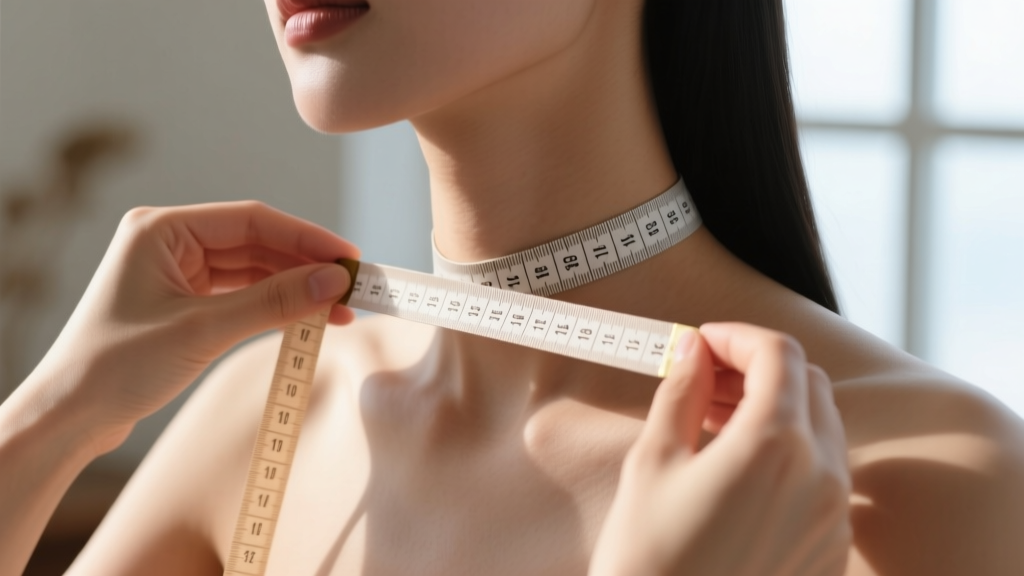
Sizing Framework: Avoiding the 'Choke' Effect
The final component of value assessment is fit. A hugging necklace that is too tight will stretch the chain links over time, while one that is too loose defeats the aesthetic purpose. Human necks fluctuate in size by up to 0.5 inches due to hydration, temperature, and sodium intake.
To ensure your investment fits perfectly year-round, measure your neck using a soft fabric tape measure while standing upright and breathing normally. Add exactly 0.75 inches to your base measurement for a 'hugging' fit that accommodates natural swelling without constricting your airway. If your measurement is 14.25 inches, purchase a 15-inch necklace with a 1-inch adjustable slider. Avoid fixed-length chains under 15 inches unless they feature a woven, flexible mesh design that expands with your skin.
Final Verdict: Where Should You Invest?
Is a hugging necklace worth the price? Absolutely, provided you align your budget with the correct metallurgy. If your budget is under $100, abandon traditional gold plating entirely and invest in PVD-coated 316L stainless steel for superior longevity. If you are spending over $500, demand solid 14k gold and a reinforced lobster clasp mechanism. By prioritizing material science and mechanical durability over fleeting brand hype, your hugging necklace will remain a secure, comfortable, and valuable fixture in your jewelry rotation for years to come.


