Hummingbird Necklaces: Metal & Material Comparison
Compare the best metals and materials for hummingbird necklaces. Discover how silver, gold, platinum, and enamel affect durability, price, and design.

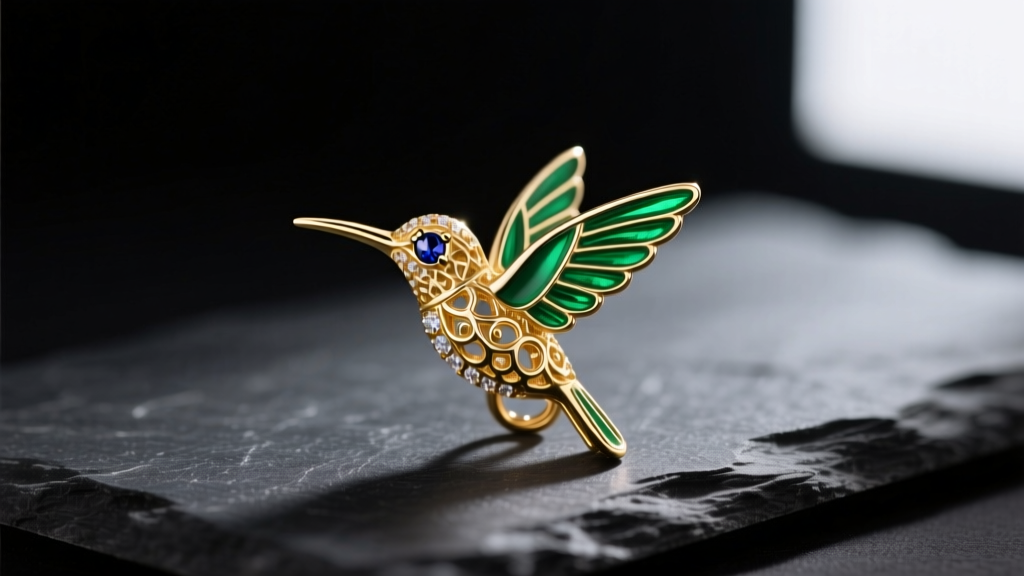
The Anatomy of a Hummingbird Pendant: Why Material Dictates Longevity
When shopping for hummingbird necklaces, the aesthetic appeal of iridescent wings and delicate beaks often overshadows the metallurgical realities of the piece. Unlike simple geometric pendants or solid lockets, a hummingbird silhouette presents unique structural vulnerabilities. The elongated beak, the extended tail feathers, and the intricate surface area required for wing texturing demand specific material properties to prevent bending, snapping, or premature wear.
As of 2026, advancements in 3D wax printing and CNC milling allow for astonishingly detailed avian jewelry, but the fundamental laws of metallurgy still apply. A beautifully cast hummingbird pendant will quickly become a source of frustration if the metal alloy cannot withstand the rigors of daily wear. In this comprehensive material comparison, we break down the exact properties, failure modes, and best use cases for the metals and inlays used in fine hummingbird necklaces.
Precious Metal Breakdown for Avian Jewelry
Sterling Silver (925): The Oxidized Detail Master
Sterling silver is an alloy consisting of 92.5% pure silver and 7.5% copper. According to the Silver Institute, the addition of copper provides the necessary tensile strength for jewelry, but it also introduces a susceptibility to oxidation. For hummingbird necklaces, this is actually a massive advantage.
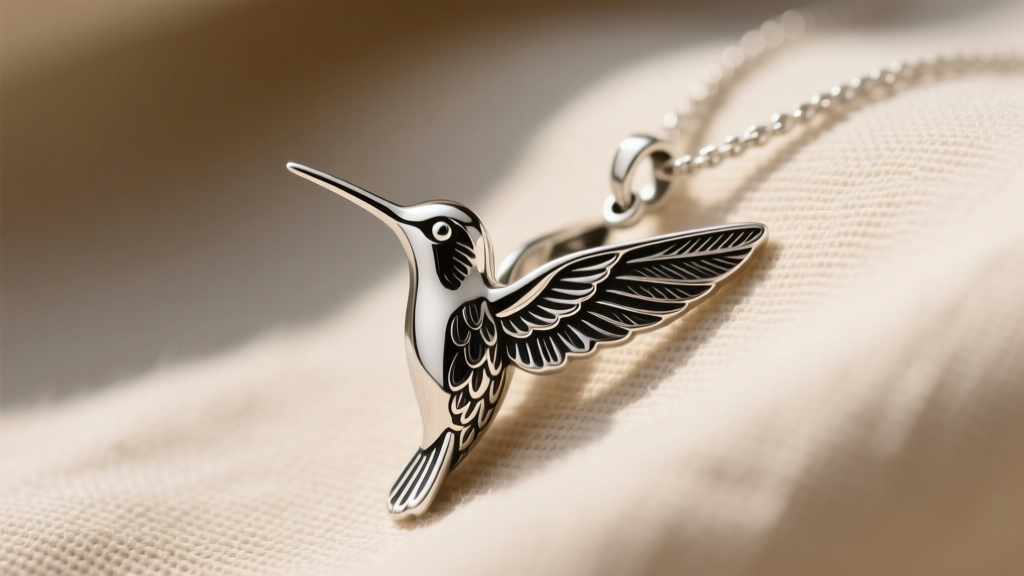
Jewelers frequently use liver of sulfur to intentionally oxidize sterling silver, turning the recessed areas black while polishing the raised areas to a high shine. This technique is unparalleled for highlighting the individual barbs and rachises of hummingbird feathers. However, sterling silver has a relatively low Vickers Hardness (HV) of roughly 60-70. This means the long, thin beak of a silver hummingbird pendant is highly prone to bending if it snags on a sweater or is dropped onto a hard surface.
14k vs. 18k Gold: Balancing Warmth and Wing Durability
Gold is the premier choice for capturing the sunlit, warm plumage of species like the Anna's or Rufous hummingbird. However, pure 24k gold is far too soft for intricate pendants. The World Gold Council outlines that alloying gold with metals like zinc, copper, and silver drastically alters its physical properties.
- 14k Gold (58.5% Pure): With a Vickers Hardness of 130-150 HV, 14k gold is exceptionally resilient. It is the ideal material for hummingbird pendants featuring long, protruding beaks or sharp, extended tail feathers that require high yield strength to avoid permanent deformation.
- 18k Gold (75% Pure): Slightly softer (110-120 HV) but possessing a much richer, deeper yellow hue. 18k gold is best suited for compact, stylized hummingbird designs where the beak is tucked or shortened, prioritizing color saturation over structural rigidity.
Platinum (950): The Micro-Pavé Anchor
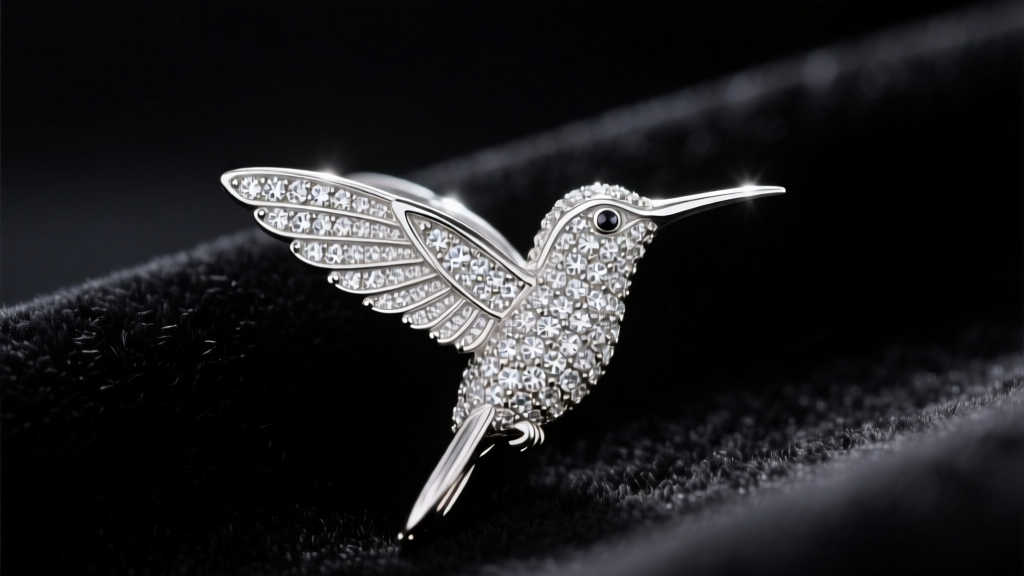
Platinum is a dense, heavy, and naturally white metal, typically alloyed with ruthenium or iridium (95% platinum, 5% alloy). Its most critical property for jewelry is its malleability combined with extreme durability; when platinum is scratched, the metal is merely displaced, not lost. For premium hummingbird necklaces that feature micro-pavé diamond wings or sapphire accents, platinum is the undisputed king. Platinum prongs will not wear away over decades of friction, ensuring that tiny accent stones remain securely anchored in the bird's wings or eyes.
Capturing Iridescence: Enamel and Gemstone Inlays
A hummingbird's defining trait is its iridescent plumage, which shifts color depending on the angle of light. Replicating this in metal requires specialized inlay techniques.
'The challenge with avian jewelry is mimicking structural coloration. While gemstones like tsavorite garnet or Paraiba tourmaline offer intense greens and blues, vitreous enamel allows for the seamless gradients required to replicate the throat gorget of a hummingbird.' — GIA Gem Encyclopedia Editorial Notes on Art Jewelry.
Vitreous Enamel vs. Cold Enamel (Resin)
Vitreous Enamel is essentially crushed glass fused to metal in a kiln at temperatures exceeding 1,400°F (760°C). It offers a Mohs hardness of 5.5 to 6.5, making it highly scratch-resistant and capable of achieving translucent, gem-like depth. However, the high firing temperature means it can only be applied to high-melting-point metals like gold, platinum, or sterling silver, and the piece must be structurally sound enough to survive thermal shock.
Cold Enamel (epoxy resin) is a modern alternative that cures at room temperature. While it allows for vibrant, opaque colors and is frequently used in more affordable hummingbird necklaces, it has a Mohs hardness of only 2.0 to 3.0. It will scratch easily against zippers or keys and may yellow slightly over a decade of UV exposure.
Material Properties Comparison Matrix
Use the following data table to evaluate which material aligns with your budget, design preference, and lifestyle requirements when selecting a hummingbird necklace.
| Material | Vickers Hardness (HV) | Tarnish / Scratch Risk | Best Pendant Feature | Avg. Price Range (2026) |
|---|---|---|---|---|
| Sterling Silver (925) | 60 - 70 | High Tarnish / Medium Scratch | Oxidized feather textures | $45 - $180 |
| 14k Yellow Gold | 130 - 150 | Low Tarnish / Medium Scratch | Long beaks, durable silhouettes | $250 - $650 |
| 18k Yellow Gold | 110 - 120 | Low Tarnish / High Scratch | Rich color, compact designs | $400 - $950 |
| Platinum (950) | 130 - 150 | No Tarnish / Patinas over time | Micro-pavé diamond wings | $800 - $2,500+ |
| Vitreous Enamel | N/A (Mohs 5.5-6.5) | Chipping if impacted | Iridescent throat gradients | +$150 to base metal |
Chain Pairing and Failure Mode Troubleshooting
The material of the pendant must be correctly matched with an appropriate chain to prevent structural failure. Hummingbird pendants are typically lightweight (ranging from 1.5 grams for silver to 6 grams for solid platinum), but their asymmetrical shape causes them to swing and catch.
Optimal Chain Selection
Avoid snake chains or herringbone chains. These styles are notoriously prone to kinking, and when they catch on clothing, they transfer sudden, high-tension shock directly to the pendant's bail (the loop connecting the bird to the chain). Instead, opt for a 1.0mm to 1.5mm cable chain or box chain. These styles feature individual, soldered links that articulate freely, absorbing kinetic energy and reducing stress on the hummingbird's delicate bail.
Common Failure Modes & Repair Realities
- The Bent Beak (Sterling Silver): If a 925 silver beak bends, it can be gently straightened by a jeweler using nylon-jaw pliers. However, repeated bending will cause work-hardening, eventually leading to a clean snap. Laser welding is required to reattach a broken silver beak without melting the nearby oxidized textures.
- Prong Wear (Gold vs. Platinum): If your hummingbird features diamond-set wings, 14k gold prongs will eventually wear thin from friction against clothing, requiring re-tipping every 10-15 years. Platinum prongs will flatten but rarely break, requiring only occasional polishing and tightening.
- Enamel Chipping: Vitreous enamel on a hummingbird's wing can chip if the necklace is dropped on tile or stone. Repairing vitreous enamel requires a specialist who can match the glass frit and re-fire the piece, which carries a high risk of altering the surrounding metal's finish.
Final Verdict: Which Metal Should You Choose?
The ideal material for your hummingbird necklace depends entirely on the specific design and your maintenance preferences. If you prioritize intricate, high-contrast feather detailing and are willing to polish your jewelry regularly, oxidized sterling silver offers the best artistic value. For an heirloom piece featuring a long, delicate beak and warm, sunlit tones, 14k gold provides the perfect intersection of structural integrity and beauty. Finally, if you are investing in a luxury piece with diamond-encrusted wings, platinum is the only metal that guarantees the stones will remain secure for generations.


