Finding the Perfect Everyday Necklace for Mom From Daughter
Struggling to find a meaningful gift? Learn how to choose a durable, hypoallergenic necklace for mom from daughter that she will actually wear daily.

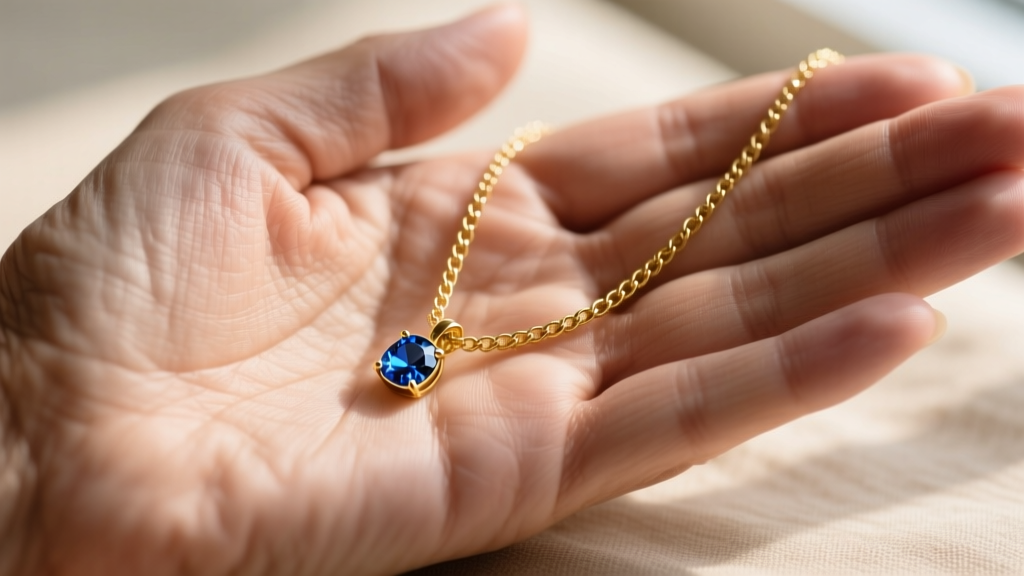
Gifting jewelry to a maternal figure carries immense emotional weight. When you begin your search for the perfect necklace for mom from daughter, you are likely looking for a piece that symbolizes your unique bond. However, the jewelry market is saturated with mass-produced, sentimental trinkets that often end up in the back of a drawer. The primary culprits? Cheap base metals that cause contact dermatitis, flimsy chains that tangle into impossible knots, and impractical clasps that frustrate aging hands.
To ensure your gift becomes her most cherished everyday accessory rather than a forgotten novelty, we must approach the selection process through the lens of problem-solving. This guide breaks down the metallurgy, mechanical construction, and lifestyle compatibility required to choose a high-quality, wearable necklace that she will never want to take off.
The "Sentimental Trap": Why Most Gifts Fail
The most common mistake daughters make when buying a necklace for mom from daughter is prioritizing the symbolic motif (like interlocking rings or birthstones) over the structural integrity of the piece. Many boutique brands manufacture these pendants using brass or copper alloys coated in a microscopic layer of gold or silver plating. Within weeks, the friction against the neck and the natural acidity of the skin wear away the plating, resulting in tarnished skin and an unwearable pendant.
Solving this requires ignoring the marketing fluff and inspecting the material grade. If the product description does not explicitly state the base metal and the exact thickness of any plating, it is a red flag. True luxury and longevity lie in solid metals or heavily plated alternatives that meet strict industry standards.
Troubleshooting Material Allergies and Tarnish
Nickel allergies and copper sensitivities are incredibly common, particularly as skin becomes more sensitive with age. According to the Gemological Institute of America (GIA), pure 24k gold is too soft for daily wear, so it must be alloyed. However, some manufacturers use nickel as a hardening agent in white gold or silver alloys, which triggers severe allergic reactions.
Here is a troubleshooting matrix to help you select the correct metal based on her skin sensitivity and your budget:
| Metal Grade | Composition & Durability | Allergy Risk | Estimated 2026 Price Range |
|---|---|---|---|
| 14k Solid Gold | 58.5% pure gold, alloyed with silver/copper. Highly durable, will not tarnish. | Very Low (if nickel-free) | $250 - $600+ |
| ASTM F136 Titanium | Medical-grade implant titanium. Extremely lightweight, impervious to water/sweat. | Zero (100% Biocompatible) | $80 - $180 |
| Gold Vermeil | Sterling silver base with at least 2.5 microns of 14k/18k gold plating. | Low (silver base) | $90 - $150 |
| Standard Plated | Brass/copper base with <0.5 microns of gold. Tarnishes quickly. | High (nickel/copper) | $20 - $50 |
Expert Tip: If you opt for sterling silver, ensure it has been rhodium-plated. Rhodium is a precious metal from the platinum family that provides a brilliant, tarnish-resistant finish. A rhodium layer should be at least 0.75 microns thick to withstand daily friction.
Solving the Chain Tangling and Clasp Fumbling Issue
A beautiful pendant is useless if the chain it hangs on is a mechanical failure. The "tangle coefficient" of a chain is determined by its weave.
- Cable Chains: Classic, but the uniform oval links easily fold in on themselves, creating stubborn knots. Avoid these for lengths over 18 inches.
- Box Chains: Composed of square links that lay flat. They are highly resistant to tangling but can catch on fine vellus hair (peach fuzz) on the neck if the links are not laser-welded shut.
- Wheat (Spiga) Chains: Woven in a continuous, braided pattern. These are virtually tangle-proof and possess immense tensile strength, making them the ultimate choice for heavier pendants.
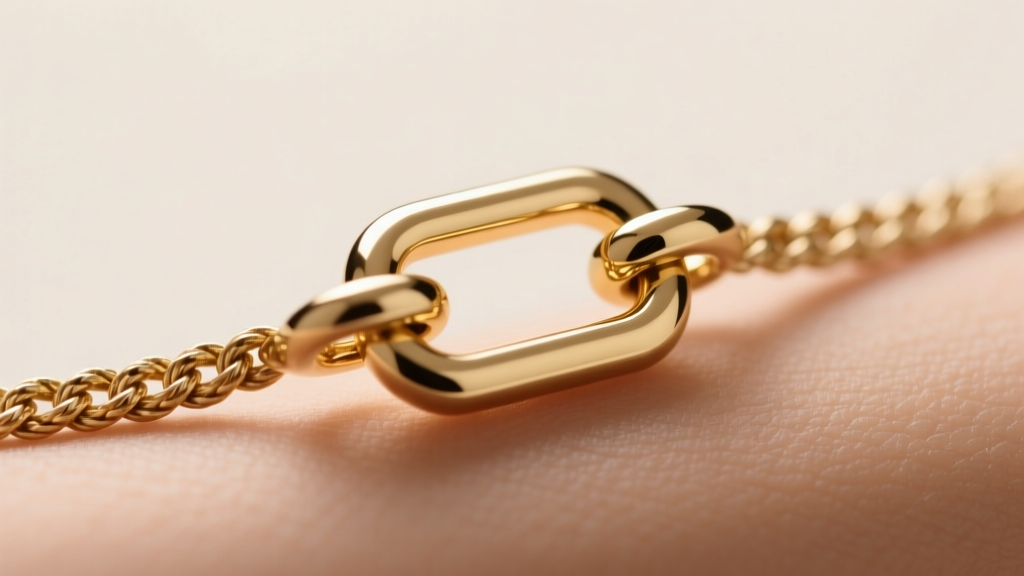
The Clasp Conundrum: Accessibility Matters
Spring ring clasps—the tiny circular clasps with a microscopic lever—are a universal frustration. They require high dexterity and perfect vision to operate. As we age, or if your mother deals with conditions like osteoarthritis, manipulating a 5mm spring ring becomes a daily chore. The Arthritis Foundation frequently recommends adaptive dressing tools, which translates in jewelry to swapping out traditional clasps.
The Solution: Look for jewelers who offer a 5mm to 8mm magnetic clasp (featuring a neodymium core and a safety catch) or an oversized 12mm lobster clasp. Magnetic clasps snap together effortlessly, allowing her to put on her necklace for mom from daughter independently and without frustration.
Matching the Pendant to Her Actual Lifestyle
Sentimental pendants often feature prong-set gemstones (like birthstones) or intricate, raised lettering. While beautiful in a display case, these designs fail in real-world environments. Prongs catch on cashmere sweaters, silk blouses, and even hair. Raised lettering traps lotion, perfume, and dead skin cells, turning the pendant dull and unsanitary.
For the Active, Hands-On Mom
If your mother is constantly gardening, playing with grandchildren, or running errands, you must choose a bezel setting. A bezel setting encircles the gemstone entirely with a smooth rim of metal. This eliminates any snag points, protects the girdle of the stone from chipping upon impact, and creates a sleek, modern silhouette that transitions from the gym to the grocery store.
For the Corporate or Professional Mom
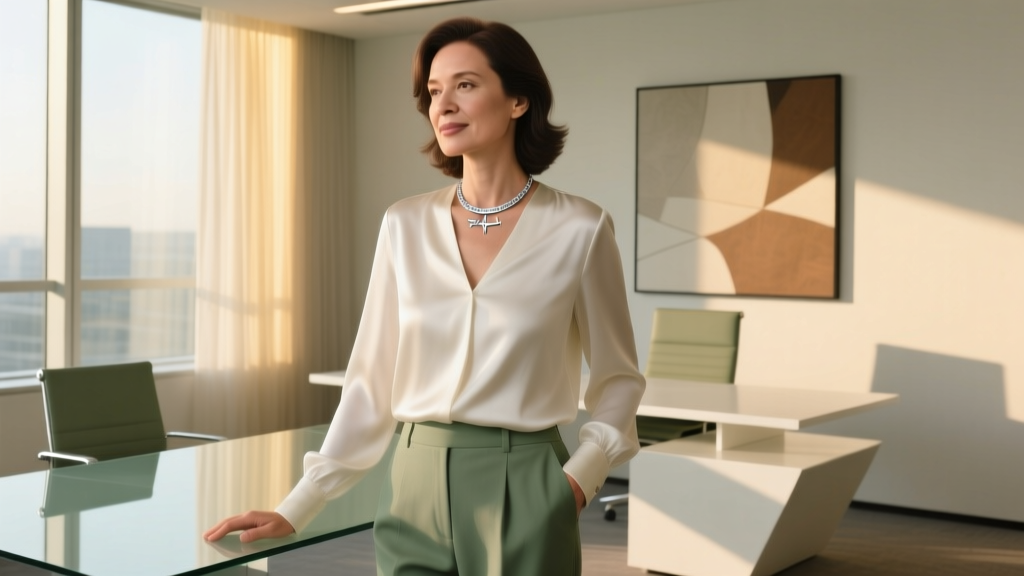
For a mother who spends her days in boardrooms or client-facing roles, overt sentimental motifs (like "Best Mom Ever" charms) can clash with professional attire. Instead, opt for stealth sentimentality. A minimalist 14k gold bar necklace featuring the GPS coordinates of her childhood home, or the exact time of your birth engraved in a subtle, 2mm sans-serif font on the back of the pendant, provides deep personal meaning without sacrificing her polished, executive aesthetic.
Engraving and Customization: Avoiding the Tacky Trap
Custom engraving elevates a standard piece of jewelry into a family heirloom, but poor execution can ruin an otherwise beautiful pendant. When ordering custom text, pay strict attention to the typography and depth.
"Laser engraving offers precision down to a fraction of a millimeter, allowing for micro-text that remains legible without overwhelming the design. Always request a digital proof before the jeweler commits the laser to the metal."
Avoid script or cursive fonts on pendants smaller than 15mm. The loops in cursive letters (like 'e', 'a', and 'o') blur together when scaled down, making the engraving look like a scratch. Stick to clean, uppercase serif or sans-serif fonts (like Helvetica or Garamond) for maximum legibility and timeless elegance.
Final Troubleshooting Checklist Before Checkout
Before you finalize your purchase, run the jewelry through this rapid diagnostic checklist to ensure it meets the criteria for a lifelong keepsake:
- Is the base metal explicitly stated? (Acceptable: Solid Gold, Sterling Silver, Titanium. Unacceptable: "Metal alloy", "Brass", "Base metal").
- Is the chain weave tangle-resistant? (Look for Wheat, Box, or Rope chains).
- Is the clasp accessible? (Magnetic or oversized lobster; avoid standard spring rings).
- Is the setting snag-free? (Bezel or flush settings are superior to prongs).
- Does the chain length suit her wardrobe? (16 inches for crew necks, 18 inches for V-necks and button-downs, 20+ inches for tunics and layering).
By shifting your focus from purely emotional marketing to the structural and material realities of jewelry making, you guarantee that the necklace for mom from daughter you select will not only survive the rigors of daily life but will serve as a beautiful, comfortable, and enduring testament to your relationship for decades to come.


