How to Choose and Style Your First Ichthus Necklace
Discover how to choose, size, and style your first ichthus necklace. Learn about metal grades, chain types, and neckline pairing in this beginner guide.

Understanding the Ichthus: More Than Just a Symbol
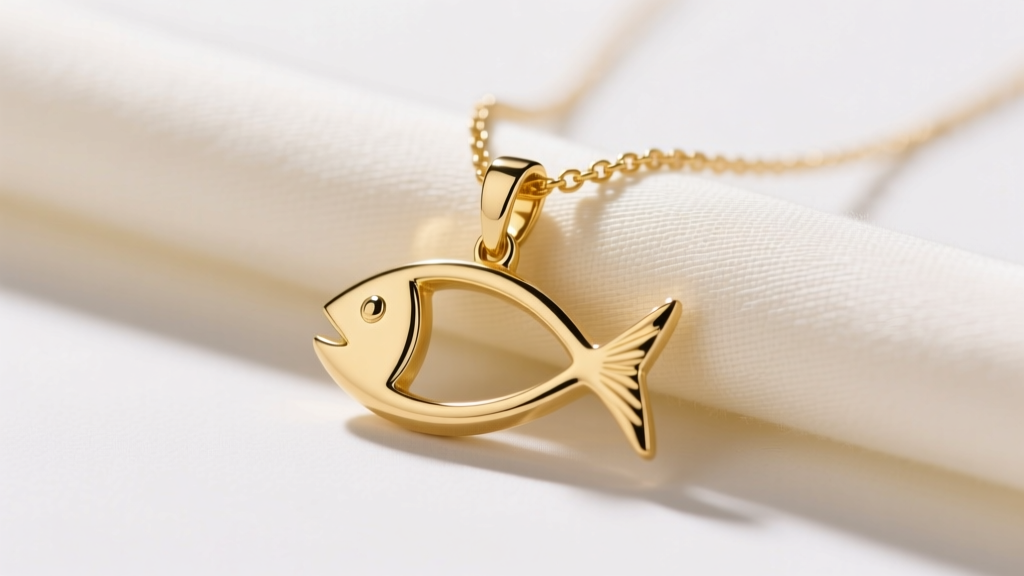
When you begin exploring faith-based jewelry, the ichthus necklace is often the first piece you encounter. The word "ichthus" (or ichthys) is the Greek word for fish, and its simple, elegant outline has served as a profound symbol of Christian faith since the early days of the church. According to Britannica's historical archive, early Christians used the fish symbol as a secret marker to identify one another during times of persecution. Today, as we move through 2026, the ichthus has evolved from a hidden marker into a celebrated piece of everyday minimalist jewelry, blending deep personal meaning with modern aesthetic sensibilities.
However, buying your first ichthus necklace involves more than just picking a fish shape off a display rack. To ensure your piece lasts a lifetime, you need to understand metallurgy, chain mechanics, and proportional styling. This beginner-friendly explainer will decode the technical details so you can invest in a pendant that looks beautiful and withstands daily wear.
Decoding Metal Grades: What to Actually Buy
The longevity of your necklace depends entirely on the metal grade. Many mass-market retailers sell "gold-tone" or "silver-tone" pendants made from brass or zinc alloys, which will inevitably tarnish, turn your skin green, and degrade within months. Here is what you should actually look for when checking the hallmark stamps on your jewelry.
Sterling Silver (925) and Rhodium Plating
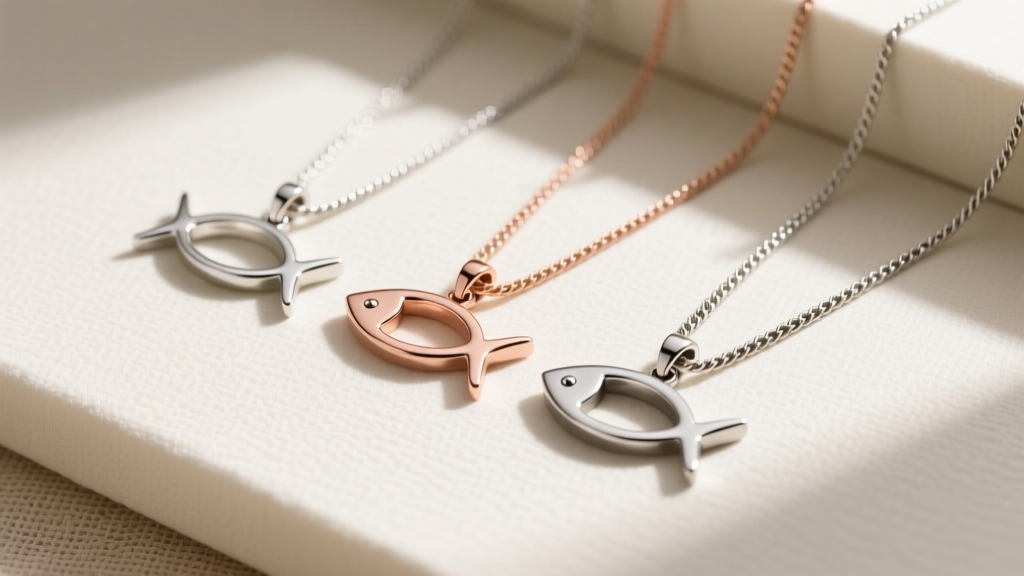
Sterling silver is an alloy containing 92.5% pure silver and 7.5% copper. While beautiful, the copper content makes it susceptible to tarnishing when exposed to sulfur and moisture in the air. When buying a silver ichthus necklace, look for pieces that feature a rhodium plating. Rhodium is a precious metal in the platinum family that provides a brilliant, tarnish-resistant shield over the silver. Always verify the ".925" stamp on the back of the pendant or the clasp.
Gold Karats: 10k, 14k, and 18k
Pure 24k gold is too soft for everyday pendants; it will scratch and bend easily. For an ichthus necklace that you plan to wear daily, 14k gold (58.5% pure gold) is the industry sweet spot. It offers the perfect balance of rich color and structural durability. 18k gold (75% pure) is softer and more expensive, making it better suited for occasional wear. Avoid anything below 10k, as the high alloy content can trigger skin sensitivities.
Surgical Steel (316L vs. 304)
For budget-conscious buyers or those with severe metal allergies, surgical steel is an excellent choice. However, not all steel is created equal. You must look specifically for 316L stainless steel. Unlike standard 304 steel, 316L contains molybdenum, which drastically increases its resistance to corrosion from sweat, chlorine, and saltwater. The American Academy of Dermatology frequently recommends 316L surgical steel for patients with nickel contact dermatitis, as the nickel is tightly bound within the alloy and unlikely to leach.
Sizing and Proportions: Finding the Right Pendant
An ichthus pendant that is too large can look clunky and outdated, while one that is too small may lose its distinct shape from a distance. The ideal size depends on how you plan to wear it. Below is a functional sizing framework to help you choose the right dimensions.
| Pendant Category | Dimensions (Length x Height) | Best Chain Width | Styling Use Case |
|---|---|---|---|
| Micro / Delicate | 10mm - 14mm | 0.8mm - 1.0mm | Layering with other chains, subtle everyday wear, high necklines. |
| Standard / Classic | 18mm - 24mm | 1.2mm - 1.5mm | Solo wear over t-shirts, V-necks, and casual button-downs. |
| Statement | 30mm - 45mm+ | 2.0mm - 3.0mm | Worn over sweaters, streetwear, or as a bold outer layer. |
Chain Styles That Complement the Fish Motif
The chain you select will either enhance the sleek lines of the ichthus or distract from it. Because the fish symbol is inherently curved and fluid, you want a chain that provides structural contrast without overpowering the pendant. Jewelers of America notes that matching the chain weight to the pendant bail (the loop at the top) is critical for preventing premature wear and tear.
- Cable Chain (1.0mm - 1.5mm): The most traditional choice. Its simple, uniform oval links keep the focus entirely on the ichthus pendant. It is lightweight and drapes beautifully against the collarbone.
- Box Chain (1.2mm - 1.5mm): Made of square links connected to form a smooth, continuous tube. Box chains are incredibly durable and resist kinking, making them ideal for heavier 14k gold or solid silver pendants.
- Rolo Chain (1.5mm - 2.0mm): Featuring alternating round or oval links, the rolo chain adds a bit of vintage texture. It pairs exceptionally well with matte-finished or hammered ichthus designs.
Pro Tip: Pay attention to the bail. A "standard loop bail" threads the chain directly through the pendant, allowing it to slide freely. A "hidden bail" is soldered to the back, giving the illusion that the fish is floating on your chest. Hidden bails look more modern but restrict the pendant's movement.
Styling Your Ichthus Necklace for Everyday Wear
Styling faith-based jewelry in 2026 is all about integration and subtlety. You want your ichthus necklace to feel like a natural extension of your personal style rather than an isolated accessory.
Neckline Matching
For crew neck t-shirts, a standard 18mm pendant on an 18-inch chain will rest perfectly just below the collar seam. If you are wearing a V-neck or scoop neck, opt for a 20-inch chain so the fish motif rests in the center of the exposed skin, drawing the eye downward and elongating the neck. For button-down shirts, leave the top two buttons undone and let a delicate 14mm micro-pendant sit subtly against the skin.
The Art of Layering
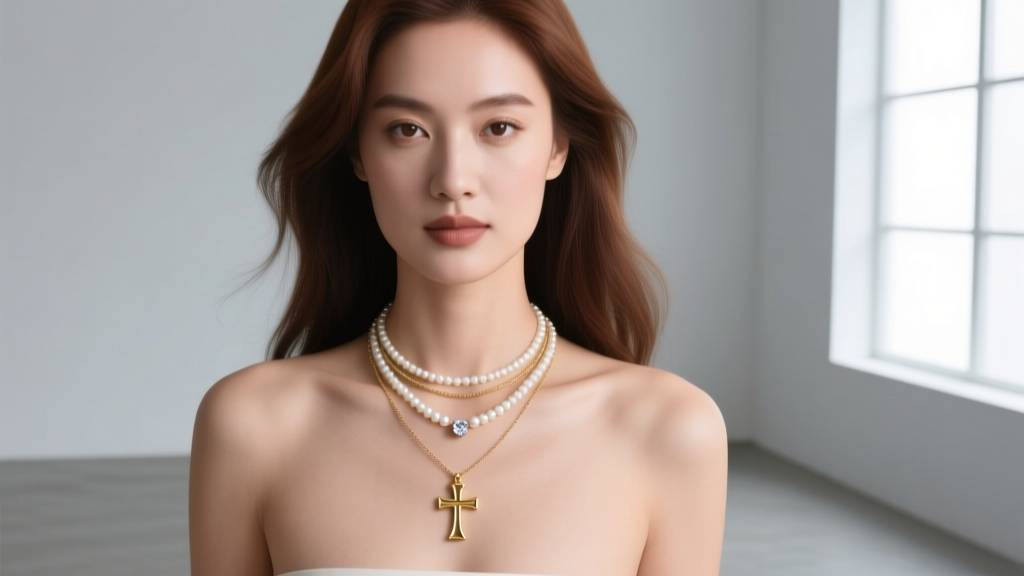
Layering your ichthus necklace is a fantastic way to incorporate it into a trendy, fashion-forward stack. The golden rule of layering is to maintain at least a 2-inch gap between chains to prevent tangling.
The 16-18-20 Layering Formula: Start with a 16-inch choker (like a simple herringbone or pearl strand), place your 18-inch ichthus necklace in the middle as the focal point, and finish with a 20-inch chain featuring a slightly larger geometric pendant or a simple solitaire diamond.
Price Guide: What Should You Expect to Pay?
Understanding the market rate for an ichthus necklace will protect you from overpaying for plated metals disguised as solid gold. Here is a realistic pricing breakdown for a standard 20mm pendant with an 18-inch chain in the current market.
- 316L Surgical Steel: $15 – $35 (Excellent for teens, active lifestyles, and strict budgets).
- Sterling Silver (925): $45 – $95 (The best value for everyday wear; ensure it is rhodium-plated).
- 10k Solid Gold: $120 – $180 (Durable, but slightly paler in color).
- 14k Solid Gold: $200 – $450+ (The premium standard; price fluctuates with the daily spot price of gold).
Care and Maintenance for Longevity
Even the highest quality metals require basic maintenance. Because the ichthus shape features a curved tail and a pointed nose, dirt and lotion can easily accumulate in the crevices. Once a month, clean your necklace using a few drops of mild, phosphate-free dish soap and warm water. Use a soft-bristled baby toothbrush to gently scrub the inside curves of the fish outline. Rinse thoroughly and pat dry with a microfiber cloth. Never use harsh chemical dips or ultrasonic cleaners on oxidized or antiqued silver ichthus pendants, as these treatments will strip the intentional dark detailing from the grooves.
By paying close attention to metal grades, chain mechanics, and proportional sizing, your first ichthus necklace will become a timeless, durable staple in your wardrobe that carries both deep meaning and impeccable style.


