2026 Raptor Claw Necklace Gift Guide & Occasion Match
Discover the ultimate 2026 raptor claw necklace gift guide. Match materials, chain lengths, and styles to the perfect occasion for paleo fans.

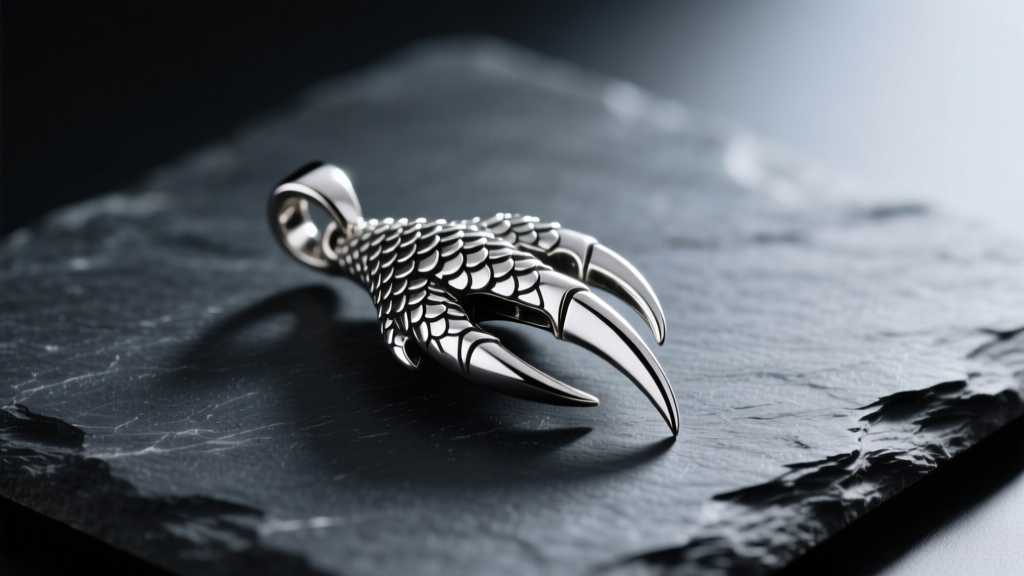
The intersection of paleontology, fantasy fandom, and edgy streetwear has given rise to one of the most striking jewelry trends of the decade. As we move through 2026, the raptor claw necklace has evolved from a niche convention accessory into a highly sought-after statement piece. But gifting a theropod-inspired pendant is not as simple as picking a shiny object off a shelf. The market is flooded with everything from ethically questionable fossil exports to cheap, brittle resin casts.
Whether you are shopping for a graduating geology student, a dedicated cosplayer, or a fashion-forward minimalist, this comprehensive gift guide will help you navigate the material grades, chain mechanics, and ethical considerations of buying a raptor claw necklace.
The Ethics and Reality of "Raptor" Claws
Before making a purchase, it is vital to understand what you are actually buying. True Velociraptor mongoliensis fossils are strictly protected by the Mongolian government and international CITES regulations. Any vendor offering a "real Velociraptor claw" for under $5,000 is likely selling a fake or participating in illegal fossil trafficking.
Instead, reputable jewelers and fossil dealers in 2026 rely on three ethical alternatives:
- North American Dromaeosaurids: Authentic fossil claws from species like Dromaeosaurus or Saurornitholestes, legally sourced from private lands in the US and Canada.
- Modern Avian Talons: Ethically sourced, naturally molted claws from modern birds of prey (eagles, hawks, falcons), which share a direct evolutionary lineage and striking visual similarity to theropod claws.
- Museum-Quality Casts: 3D-scanned and printed molds of museum specimens, cast in precious metals or high-density resins.
For more information on ethical fossil collection and trade, always refer to the guidelines established by the Society of Vertebrate Paleontology.
Material Breakdown & Pricing Matrix
Choosing the right material depends heavily on your budget and the recipient's lifestyle. Below is a breakdown of the most common materials used for raptor claw pendants in the current market.
| Material Type | Price Range (2026) | Durability & Weight | Best Gift For |
|---|---|---|---|
| High-Density Resin | $30 - $75 | Lightweight, prone to scratching | Cosplayers, teens, convention-goers |
| Solid Brass / Bronze | $60 - $120 | Heavy, develops a natural patina | Streetwear enthusiasts, history buffs |
| 925 Sterling Silver Cast | $110 - $250 | Durable, requires polishing | Everyday wear, minimalist fashion |
| Modern Avian Talon (Silver Capped) | $150 - $350 | Organic, sensitive to moisture | Nature lovers, bohemian styles |
| Authentic Dromaeosaurid Fossil | $400 - $2,000+ | Brittle, requires careful handling | Paleontology students, serious collectors |
Matching the Occasion: Who to Gift and When
The Academic & Paleontology Enthusiast
The Occasion: University graduation, thesis defense, or acceptance into a master's program.
The Recommendation: An authentic Saurornitholestes fossil claw capped in 14k gold or sterling silver. Academics appreciate scientific accuracy, so avoid stylized, exaggerated "movie monster" claws. Look for a specimen that retains its natural flexor tubercle (the bony bump where the tendon attached). Pair it with a subdued 18-inch black leather cord to let the fossil remain the focal point.
The Edgy Streetwear & Fantasy Fan
The Occasion: Birthdays, comic-conventions, or holiday gifting.
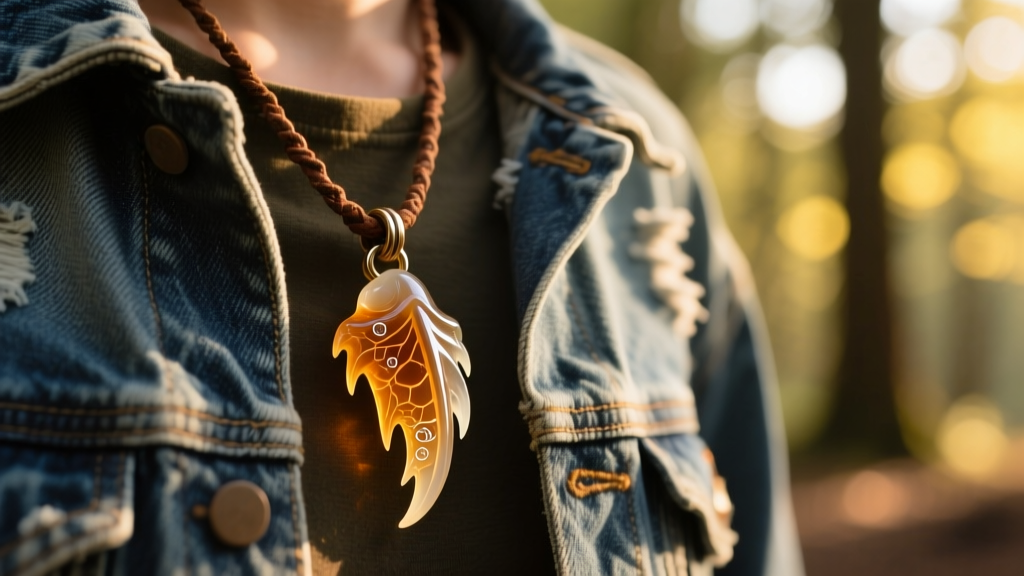
The Recommendation: A solid brass or oxidized 925 sterling silver cast. Fantasy fans and streetwear enthusiasts gravitate toward larger, more dramatic pieces. Look for a claw that is at least 2.5 inches in length with a heavily oxidized finish that highlights the scaly texture of the scutes. Layering is key here; gift the pendant with a 24-inch stainless steel Figaro chain so it rests comfortably over hoodies and graphic tees.
The Modern Minimalist
The Occasion: Anniversaries or milestone celebrations.
The Recommendation: A sleek, highly polished sterling silver raptor claw, scaled down to a subtle 1-inch size. The claw should be abstract and smooth, resembling a modern geometric talon rather than a hyper-realistic dinosaur relic. Suspend it from a delicate 1.5mm 18-inch box chain for a sophisticated, high-fashion look that transitions easily from the office to an evening out.
Sizing, Bails, and Chain Pairings (The Technical Details)
A raptor claw necklace is only as good as its hardware. The unique, asymmetrical shape of a curved claw creates a pendulum effect, which can cause severe wear on the chain and bail if not engineered correctly. According to jewelry manufacturing experts at Rio Grande, matching the bail type to the pendant weight is critical for longevity.
Bail Mechanics and Failure Modes
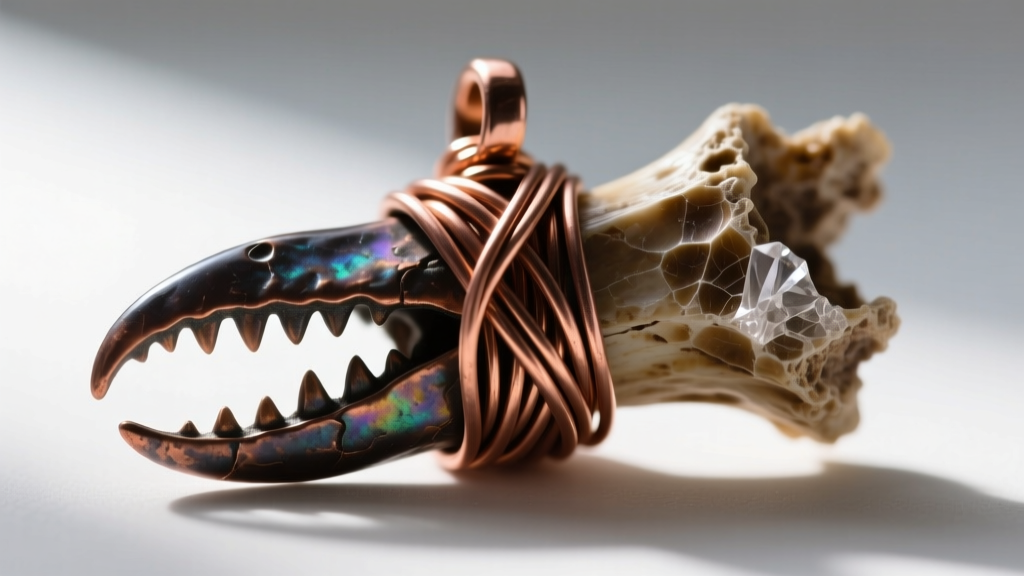
- Wire Wrapping: Common for raw fossils and organic talons. Failure Mode: Over time, the pendulum motion of the curved claw can cause the wire to saw through itself or loosen, dropping the pendant. If buying wire-wrapped, ensure the artisan uses dead-soft copper or silver wire that has been work-hardened, and check that the wrap includes a locking loop at the top.
- Epoxy-Set Tube Bails: Often used for resin and smooth silver casts. Failure Mode: Cheap cyanoacrylate (super glue) will degrade with skin oils and sweat, causing the bail to pop off. Ensure the jeweler uses a two-part jeweler's epoxy for a permanent bond.
- Cast-Integrated Bails: The safest option for heavy metal claws. The bail is molded directly into the top of the silver or brass claw, eliminating the risk of detachment entirely.
Chain Selection by Gauge
Never pair a heavy solid silver claw with a thin, lightweight chain. The friction will snap the links within months.
- Under 15 grams (Resin/Small Silver): 1.5mm to 2.0mm Box or Rope chains.
- 15 to 30 grams (Standard Brass/Silver): 2.5mm to 3.0mm Figaro, Wheat, or Curb chains.
- Over 30 grams (Large Fossils/Heavy Casts): 4.0mm+ thick Cuban links or heavy leather cords with sterling silver end caps.
Care, Maintenance, and Preservation
Different materials require vastly different care routines. Gifting a raptor claw necklace also means gifting the knowledge of how to preserve it.
For Authentic Fossils and Organic Talons: These materials are porous and can dehydrate or crack in dry, climate-controlled environments. The Gemological Institute of America (GIA) notes that organic and fossilized materials should be kept away from harsh chemicals, ultrasonic cleaners, and prolonged direct sunlight. Wipe them gently with a damp cloth and apply a microscopic layer of mineral oil once a year to prevent micro-fracturing.
For Sterling Silver and Brass: The curved crevices of a textured claw trap sulfur and skin oils, accelerating tarnish. Provide your recipient with a treated silver polishing cloth. Advise them to avoid using liquid silver dips, which can strip the intentional oxidation (antiquing) from the deep scales of the claw, leaving it looking flat and artificial.
Final Verdict for 2026 Gifting
The raptor claw necklace is a masterclass in conversational jewelry. It bridges the gap between raw natural history and modern metallurgical art. By paying close attention to the ethical sourcing of the materials, selecting the appropriate chain gauge to support the pendant's weight, and matching the specific finish to the recipient's personal style, you can gift a piece that is not only visually stunning but structurally sound and historically respectful. Whether you opt for a museum-grade fossil or a sleek silver cast, this is a gift that will undoubtedly leave a lasting impression.


