The Ultimate Beginner Guide to Styling a Void Key Necklace
Discover how to choose, style, and care for a void key necklace. Our beginner guide covers metal grades, chain pairings, and everyday wear tips.

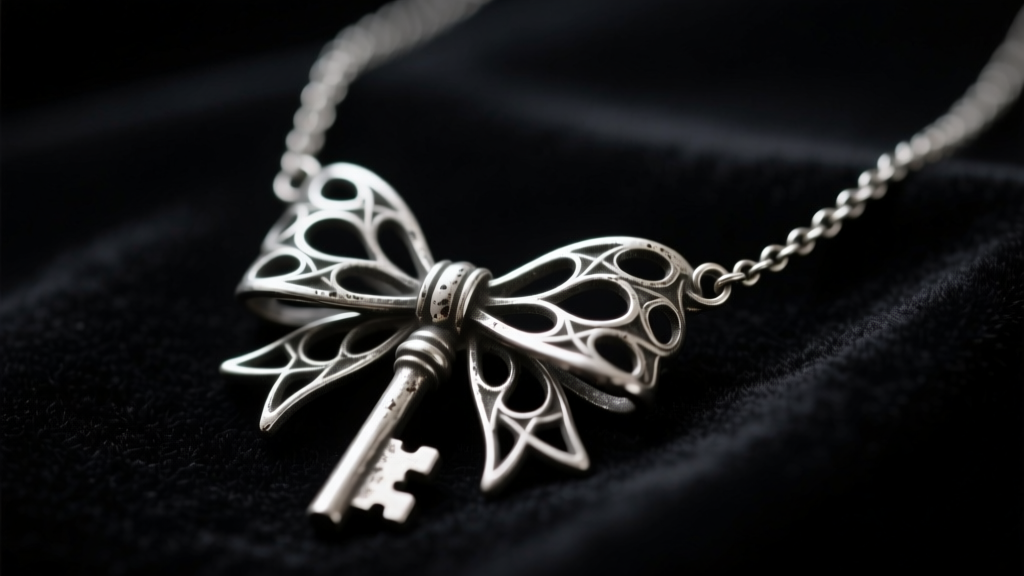
What Exactly is a Void Key Necklace?
In the realm of alternative, gothic, and dark academia jewelry, few pieces carry the mystical weight of a void key necklace. Unlike standard stamped key pendants, a 'void' key is defined by its negative space. The bow (the top handle), the shaft, and the bit (the teeth) are intricately skeletonized, featuring deep cutouts, lace-like filigree, and hollowed chambers. This design isn't just an aesthetic choice; it reduces the overall weight of what would otherwise be a massive, heavy block of metal, making it comfortable for daily wear while maintaining a bold, oversized silhouette.
Historically, these intricate designs are achieved through lost-wax casting, a metallurgical process where a detailed wax model is encased in plaster, melted away, and replaced with molten metal. For beginners stepping into the world of statement pendants, understanding the anatomy and material composition of your void key is the first step toward building a sustainable, high-quality jewelry collection.
Material Matters: Avoiding the 'Green Neck' Syndrome
The most common mistake beginners make when purchasing their first gothic or antique-style pendant is prioritizing intricate details over metal integrity. Many fast-fashion void keys are made from cheap zinc alloys that contain copper and nickel. When these metals react with the natural acidity and salts in your sweat, they oxidize rapidly, leaving a stubborn green or black ring around your neck and causing contact dermatitis.
To ensure your necklace lasts beyond a single season, you must understand the grading of jewelry metals. Below is a comparative breakdown of the most common materials used for void key pendants in 2026:
| Metal Grade | Pros | Cons | Avg. Price Range |
|---|---|---|---|
| Zinc Alloy (Tibetan Silver) | Extremely cheap; captures hyper-detailed molds. | Brittle; causes skin reactions; heavy tarnishing. | $8 - $15 |
| 316L Surgical Steel | Hypoallergenic; highly durable; resists rust. | Cannot be easily resized; heavier than aluminum. | $20 - $45 |
| Solid Brass | Develops a beautiful, authentic vintage patina. | Requires lacquer coating to prevent skin staining. | $25 - $50 |
| 925 Sterling Silver | Premium heirloom quality; holds intrinsic value. | Requires regular polishing; higher initial cost. | $60 - $150+ |
For everyday wear, 316L stainless steel is the undisputed champion for beginners. It offers the dark, oxidized look of antique silver without the maintenance. If you prefer a premium investment piece, always look for the '925' stamp, which guarantees the piece meets the Silver Institute's standard of 92.5% pure silver mixed with 7.5% copper for structural hardness.
Choosing the Right Chain: The Physics of Jewelry
A void key pendant is inherently top-heavy. The elaborate bow and elongated shaft create a pendulum effect against your chest. If you pair a 25-gram brass key with a delicate 20-gauge (0.81mm) cable chain, the constant friction will eventually cause metal fatigue, snapping the chain or wearing through the pendant's bail (the loop the chain passes through).

Gauge and Tensile Strength
When selecting a chain, you must look at the wire gauge. In jewelry, the lower the gauge number, the thicker the wire. For a standard void key pendant weighing between 15 and 30 grams, you should never go thinner than 16-gauge (1.29mm). For heavier, solid brass or steel pieces, a 14-gauge (1.63mm) or even 12-gauge (2.05mm) chain is mandatory.
Chain Styles That Complement the Void Aesthetic
- Rolo Chains: Featuring uniform, round links, rolo chains offer excellent tensile strength and a classic, utilitarian look that grounds the ornate filigree of the key.
- Wheat (Spiga) Chains: Woven in a continuous braided pattern, wheat chains distribute weight evenly and resist kinking, making them ideal for heavy pendants that move frequently.
- Curb Chains: Flat, interlocking links that lay flush against the skin. They provide a harsher, more industrial contrast to the romantic, antique vibe of a skeleton key.
Pro Tip: Always check the clasp. Avoid spring-ring clasps for heavy pendants; their internal springs fail under tension. Opt for a 12mm or 15mm lobster claw clasp with a soldered jump ring for maximum security.
Sizing and Length: Where Should the Key Fall?
The visual impact of your void key necklace changes dramatically depending on the chain length. Unlike a simple stud earring or a thin band ring, a long pendant dictates the vertical lines of your outfit.
The 18-Inch Collarbone Rest
An 18-inch chain places the bow of the key right at the hollow of the throat, with the shaft resting on the upper sternum. This length is perfect for V-neck blouses, open-collared shirts, and scoop necks. It draws the eye upward and acts as a focal point for the face. However, if your void key has an exceptionally long shaft (over 3 inches), an 18-inch chain may cause the teeth of the key to poke uncomfortably into your chest when you sit or bend over.
The 22 to 24-Inch Statement Drop
For a true dark academia or mystical aesthetic, a 24-inch chain is the gold standard. This length allows the pendant to hang over crew-neck t-shirts, turtlenecks, and heavy knitwear. The lower drop prevents the pendant from tangling in scarves or collars and allows the intricate negative space of the void key to be fully visible against the fabric of your clothing.
Layering Techniques for Beginners
Layering a massive statement piece like a void key can feel intimidating. The secret to mastering the 'neck mess' trend without looking cluttered is utilizing the Rule of Thirds and varying the visual weight of your chains.

- The Anchor (16-18 inches): Start with a lightweight, minimalist chain. A simple 18-inch gold or silver cable chain with a tiny bezel-set gemstone or a simple herringbone snake chain provides a base layer that catches the light without competing for attention.
- The Bridge (20 inches): Introduce a contrasting texture. A strand of dark freshwater pearls or a medium-weight box chain bridges the gap between your collarbone and the sternum, adding organic texture to the metallic stack.
- The Statement (24+ inches): Your void key necklace serves as the final, longest layer. Because it sits significantly lower than the other two chains, it won't tangle with them, and the negative space of the key will frame the shorter layers perfectly.
Care and Maintenance: Protecting the Voids
The very feature that makes this pendant unique—the deep, hollowed-out voids and filigree cutouts—makes it a magnet for dust, skin oils, and lotion buildup. Cleaning a void key requires a specific approach to avoid ruining its finish.
Many beginners mistakenly toss their jewelry into an ultrasonic cleaner. While ultrasonic waves are excellent for removing grime from solid diamond rings, they are destructive to antiqued or oxidized void keys. Jewelers intentionally apply a dark chemical patina (often liver of sulfur) to the recessed areas of the key to make the intricate details pop against the polished high-points. An ultrasonic bath, especially with harsh chemical solutions, will strip this dark oxidation away, leaving your key looking flat, cheap, and overly bright.
The Correct Cleaning Method:
- Mix a few drops of mild, phosphate-free dish soap into a bowl of lukewarm water.
- Submerge the pendant for 3 to 5 minutes to loosen oils.
- Use a soft-bristled horsehair jewelry brush (or a clean, extra-soft baby toothbrush) to gently agitate the bristles inside the voids and cutouts.
- Rinse thoroughly under distilled water to prevent hard water spots.
- Pat dry with a microfiber cloth, and use a hairdryer on the 'cool' setting to blast water out of the deep crevices where a cloth cannot reach.
By understanding the metallurgy, physics, and proper maintenance of your jewelry, your void key necklace will transition from a fleeting trend accessory into a reliable, enduring staple of your personal style arsenal.


