Beginner's Guide to Buying a Silver Snake Chain Necklace
Discover how to choose, style, and care for a silver snake chain necklace. Learn about gauges, clasps, and kink prevention in this beginner guide.

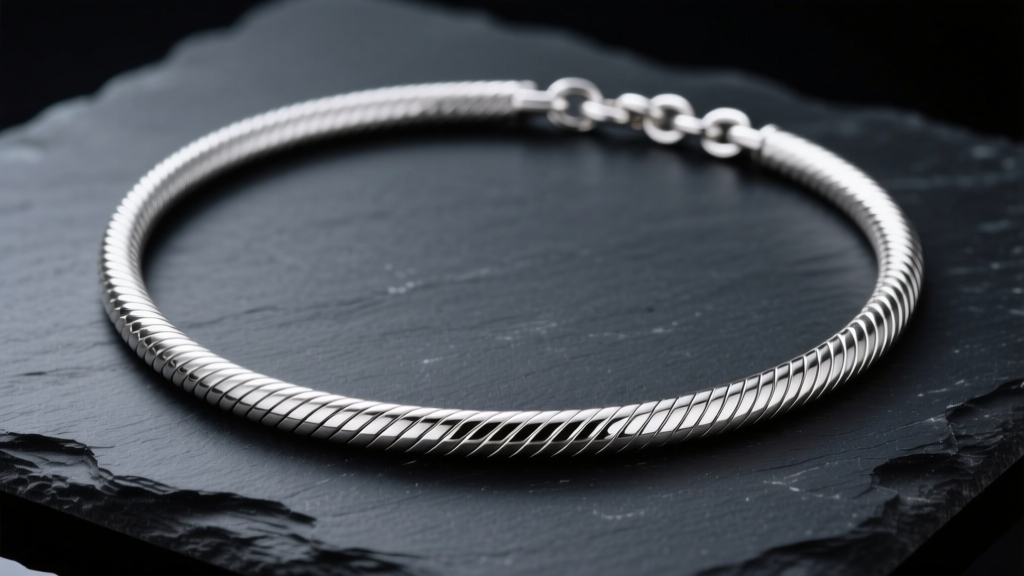
When entering the world of fine jewelry, the silver snake chain necklace often stands out for its sleek, modern aesthetic and liquid-like drape. Unlike traditional link chains, snake chains offer a continuous, unbroken line of metal that catches the light beautifully. However, their unique construction also introduces specific vulnerabilities that every beginner must understand before purchasing. This comprehensive guide breaks down the metallurgy, structural mechanics, and maintenance protocols of snake chains, ensuring your investment lasts for decades.
The Anatomy of a Snake Chain: Beyond the Illusion
Despite the name, a snake chain is not a 'chain' in the traditional sense of interlocking open links (like a cable or curb chain). Instead, it is a complex micro-assembly. According to the Gemological Institute of America (GIA), understanding jewelry construction is vital for assessing durability. A snake chain is formed by tightly packing wavy, slightly curved metal rings or plates onto a central core or mesh interior. These bands are pressed together so tightly that the seams become virtually invisible, creating the illusion of a solid, flexible metal tube.
This dense construction gives the necklace its signature smooth texture and high reflectivity, but it also means the chain lacks the independent articulation of standard links. This structural reality dictates how the chain moves, how it holds pendants, and most importantly, how it fails.
Silver Alloys: 925 Sterling vs. Argentium
Not all silver is created equal. Pure silver (99.9%) is too soft for jewelry that must withstand daily tension and friction. Therefore, a silver snake chain necklace will typically be crafted from one of two primary alloys:
- 925 Sterling Silver: Composed of 92.5% pure silver and 7.5% copper. The copper provides the necessary tensile strength to hold the tight snake-chain formation. However, copper reacts with sulfur and moisture in the air, leading to tarnish.
- Argentium Silver: A modern alloy that replaces some or all of the copper with germanium. Argentium (usually 93.5% or 96% silver) is highly resistant to tarnish and possesses a natural whiteness that outshines traditional sterling. For a low-maintenance snake chain, Argentium is the superior, albeit slightly more expensive, choice.
Gauge and Width: Sizing Your Chain for Purpose
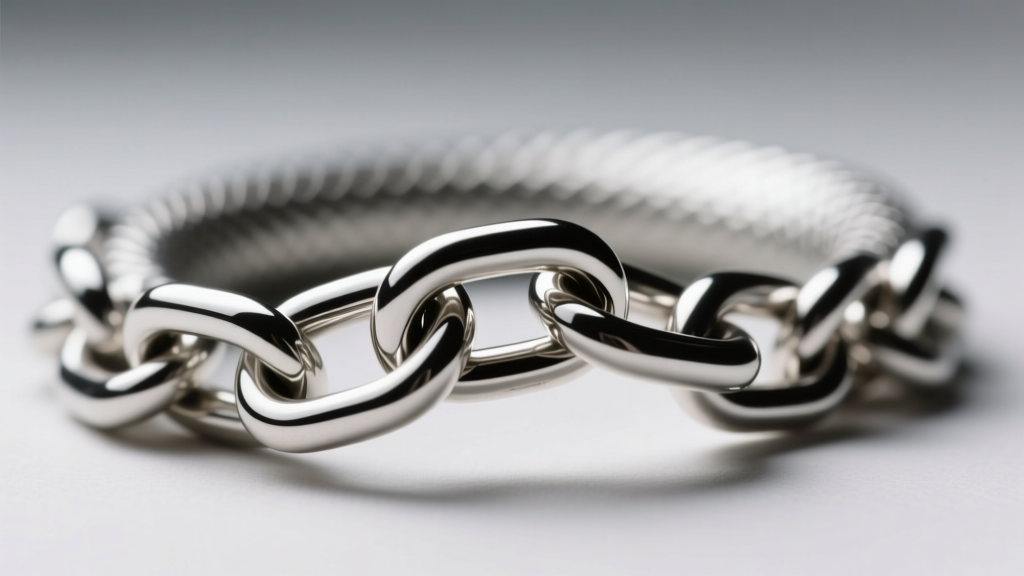
The width (or gauge) of a silver snake chain necklace determines not only its visual weight but also its structural integrity. Because the metal bands are tightly compressed, thinner chains are highly susceptible to permanent deformation. Use the framework below to select the correct width for your needs.
| Width (mm) | Style Profile | Pendant Suitability | Kink Risk Level |
|---|---|---|---|
| 0.8mm - 1.0mm | Ultra-delicate, barely visible | None (micro-pendants only) | Extreme |
| 1.2mm - 1.5mm | Everyday standard, elegant | Light (under 5 grams) | Moderate |
| 2.0mm - 3.0mm | Statement piece, noticeable | Medium (5 to 15 grams) | Low |
| 4.0mm+ | Bold, stiff, high-impact | Heavy (15+ grams) | Very Low |
The Kinking Problem: Failure Modes and Prevention
The most common point of failure for any silver snake chain necklace is 'kinking.' Because the wavy metal bands are locked tightly together, bending the chain sharply past its yield point causes the bands to collapse into one another. Once they overlap and lock, the chain forms a rigid, sharp hinge that will eventually snap if forced.
How to Prevent Kinking
Prevention is entirely reliant on proper storage and wear habits. Never sleep in a snake chain, as the friction and pressure of your body weight against the mattress will easily fold the metal. When storing, do not toss the necklace into a jewelry box where it can bend under heavier items. Instead, hang it from a jewelry stand or store it laid perfectly flat in a rigid, velvet-lined tray.
Troubleshooting a Minor Kink
If your chain develops a slight bend or stiffness, do not pull it. Lay the necklace perfectly flat on a hard, smooth surface. Using a smooth, cylindrical object (like a polished steel pen or a glass spice jar), gently roll it back and forth over the affected area. The mild, distributed pressure can often coax the microscopic metal bands back into their parallel alignment. For severe, sharp kinks, professional jeweler intervention using specialized stretching pliers is required.

Clasp Mechanics: The Hidden Weak Point
Beginners often overlook the clasp, but on a snake chain, it is a critical component. The smooth, tubular nature of the chain makes it notoriously difficult to feed through small jump rings. Consequently, manufacturers often use specific clasp styles:
- Barrel Clasps: These screw together to create a seamless continuation of the tube. While aesthetically pleasing, barrel clasps are prone to unscrewing over time due to the natural rotation of the chain against the skin, leading to lost necklaces.
- Lobster Clasps: The most secure option. Ensure the lobster clasp is attached via a soldered jump ring (a ring with no visible gap) to prevent the chain from slipping through under the weight of a pendant.
Styling and Pendant Pairing Rules
Pairing a pendant with a silver snake chain necklace requires understanding the 'Clasp Clearance Issue.' Because snake chains cannot easily be threaded through the small, cast-in bails of many commercial pendants, you must look for pendants with 'European bails' (large, open loops) or tube bails that slide over the end of the chain before the clasp is attached.
The 10% Weight Rule: As a general metallurgical guideline, the weight of your pendant should never exceed 10% of the total weight of the chain. Exceeding this ratio on a snake chain will cause premature stretching and micro-fractures in the core mesh.
Maintenance and Cleaning Protocol
The tight micro-gaps between the metal bands in a snake chain act as magnets for skin oils, lotions, and environmental sulfur. Over time, this buildup causes the chain to stiffen and lose its liquid drape. The Federal Trade Commission (FTC) Jewelry Guides emphasize the importance of proper material care to maintain jewelry integrity.
Unlike chains with open links that can be wiped down, a silver snake chain necklace requires deep cleaning to remove debris from its internal seams. An ultrasonic jewelry cleaner is the most effective tool for this specific chain type. The high-frequency sound waves create microscopic cavitation bubbles that penetrate the tight seams, shaking loose trapped oils and tarnish without the need for aggressive scrubbing. If you do not own an ultrasonic cleaner, soak the chain in a solution of warm water and a few drops of phosphate-free dish soap for 15 minutes, then gently agitate it with a soft-bristled baby toothbrush before rinsing and patting dry with a microfiber cloth.
By understanding the unique engineering of the silver snake chain necklace, you can confidently select a piece that offers both striking visual appeal and long-term structural reliability.


