Imam Ali Sword Necklace Guide: Meaning, Metals & Styling
Discover the history of the Imam Ali sword necklace. Learn how to choose the right Zulfiqar pendant metal, chain length, and wear it with respect.

The Legacy of Zulfiqar: Understanding the Symbolism
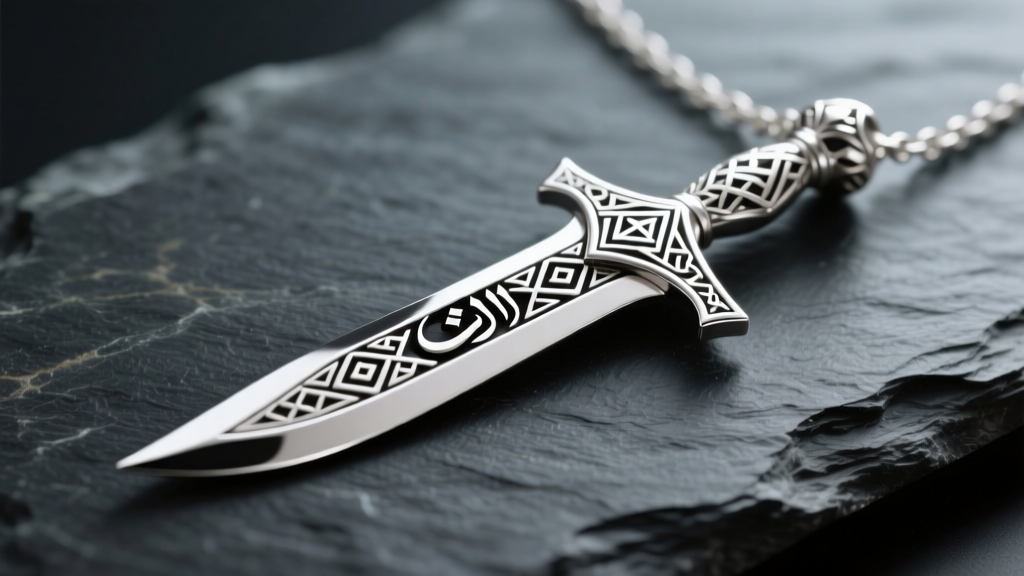
The Imam Ali sword necklace is far more than a striking piece of jewelry; it is a profound emblem of faith, justice, and unwavering courage. The pendant depicts Zulfiqar (also spelled Dhu al-Fiqar), the legendary sword of Ali ibn Abi Talib, the cousin and son-in-law of the Prophet Muhammad, and the fourth Rashidun Caliph. For many wearers, this necklace serves as a daily reminder of the virtues that Ali embodied: chivalry, devotion, and the pursuit of truth.
Historically, the sword was gifted to Ali by the Prophet Muhammad during the Battle of Uhud. According to Britannica's historical archives, Ali's prowess in battle with this very weapon birthed the famous Arabic proverb: 'La fata illa Ali, la sayf illa Zulfiqar' (There is no youth but Ali, and there is no sword but Zulfiqar). When you wear an Imam Ali sword necklace, you are carrying a piece of Islamic history that has been revered for over fourteen centuries.
The Mystery of the Bifurcated Blade
If you have ever examined a Zulfiqar pendant closely, you likely noticed its distinct, scissor-like split tip. Interestingly, early historical texts suggest the original sword was a standard straight, double-edged blade. The bifurcated (split) iconography became prominent centuries later, particularly during the Safavid and Ottoman empires, as a stylized way to represent the sword's supernatural sharpness and its ability to cleave through armor and deceit alike. Today, jewelry artisans almost exclusively craft the Imam Ali sword necklace with this iconic split tip to ensure immediate cultural recognition.
Choosing the Right Metal for Your Pendant
Selecting the correct metal is crucial for both the longevity of your necklace and your skin's comfort. Because the Zulfiqar pendant features intricate detailing—especially around the hilt and the split blade—the metal must be capable of holding fine casts without degrading over time.
| Metal Grade | Durability & Tarnish | Price Range | Best For |
|---|---|---|---|
| 925 Sterling Silver | Moderate; requires polishing to remove silver sulfide tarnish. | $40 - $90 | Everyday wearers who don't mind occasional maintenance. |
| 316L Surgical Steel | Extremely high; virtually tarnish-proof and hypoallergenic. | $20 - $50 | Active individuals, shower-swimmers, and sensitive skin. |
| 18k Gold Vermeil | High; features a thick 2.5-micron gold layer over sterling silver. | $80 - $150 | Those seeking a luxury gold look without the solid gold price tag. |
| Solid 14k/18k Gold | Lifetime durability; will never flake or tarnish. | $350 - $900+ | Heirloom investments and lifelong daily wear. |
For a beginner, 316L surgical stainless steel is often the smartest entry point. It is highly resistant to oxidation, meaning the intricate crevices of the sword's hilt won't turn black with trapped moisture and sulfur. However, if you prefer a traditional, luminous finish, 925 sterling silver plated with a micro-layer of rhodium will provide a brilliant white shine while delaying tarnish.
Chain Styles and Lengths That Complement the Sword
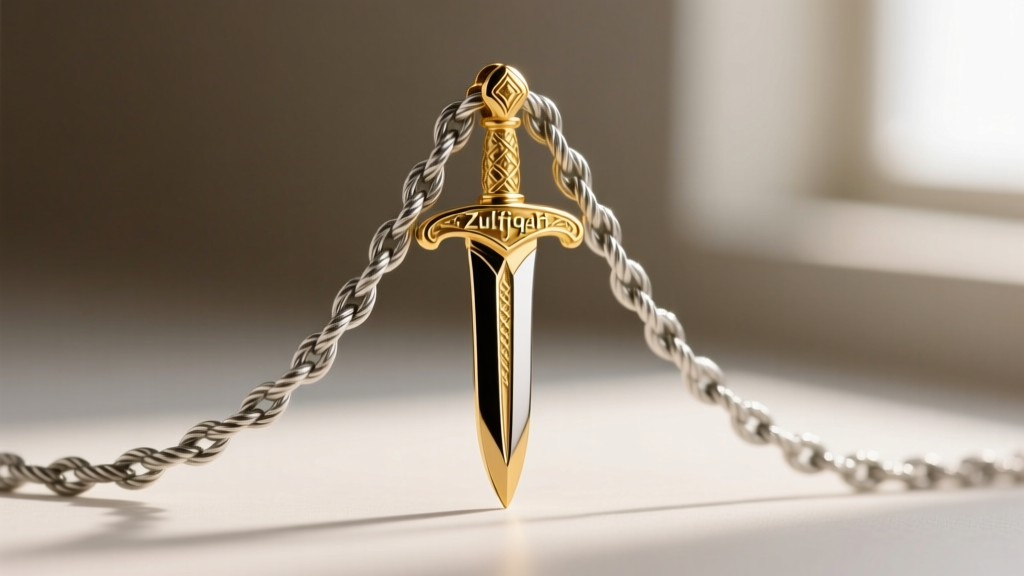
The Zulfiqar pendant is typically top-heavy due to the detailed hilt and the elongated blade. Pairing it with a flimsy chain is a common beginner mistake that leads to broken links and lost pendants. You need a chain that offers structural integrity while respecting the pendant's aesthetic.
- Box Chains (2.0mm - 3.0mm): The interlocking square links provide exceptional tensile strength. A 2.5mm box chain is the gold standard for medium-to-large Imam Ali sword pendants, offering a modern, geometric contrast to the curved hilt of the sword.
- Rope Chains (2.5mm - 4.0mm): Twisted links create a spiraling effect that catches the light beautifully. Rope chains add a vintage, heirloom quality to the necklace and are incredibly difficult to snap.
- Wheat Chains (2.0mm - 3.0mm): Featuring braided, teardrop-shaped links, wheat chains offer a sophisticated, woven texture that pairs exceptionally well with antique-finished or oxidized silver Zulfiqar pendants.
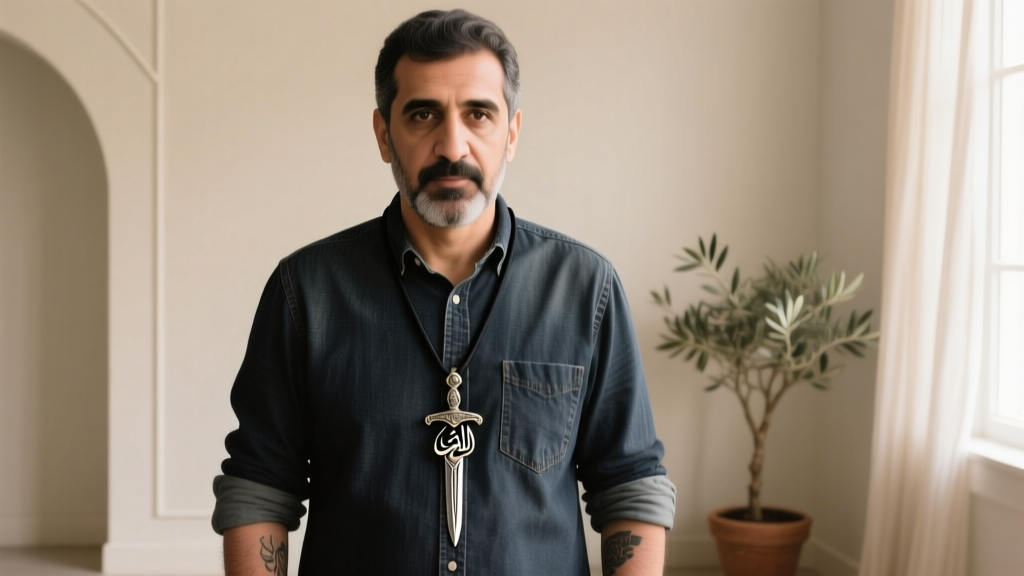
Length Guide: For men, a 22-inch or 24-inch chain allows the tip of the sword to rest comfortably on the sternum, making it visible over a t-shirt or under an open button-down. For women, an 18-inch or 20-inch chain positions the pendant elegantly at the collarbone or upper chest, perfect for layering over modest fashion pieces or abayas.
Sizing the Pendant: Proportions Matter
Imam Ali sword necklaces generally range from 1.5 inches to 3.5 inches in length. Choosing the right scale depends on your body type and how you intend to style it.
A 1.5-inch to 2-inch pendant is ideal for a subtle, minimalist look. It works beautifully for professional environments where you want to keep your expression of faith close to your heart without drawing overwhelming attention. Conversely, a 2.5-inch to 3.5-inch pendant makes a bold statement. These larger pieces often feature additional embellishments, such as cubic zirconia accents on the hilt or Arabic calligraphy etched directly into the flat of the blade. According to the Metropolitan Museum of Art, historical Islamic arms were frequently adorned with intricate inlays and calligraphy, making these larger, detailed pendants a accurate homage to traditional Islamic metalwork.
Cultural Respect and Daily Care
Wearing a symbol tied to one of the most revered figures in Islamic history carries a responsibility of respect. While the sword itself is a historical and cultural symbol rather than a direct Quranic verse, it represents the defense of faith and justice.
Wearing with Intention
Many wearers choose to tuck the pendant inside their shirt when entering places of impurity or when engaging in activities that contradict the virtues of chivalry and respect. It is also a common practice to remove the necklace before sleeping to prevent the chain from tangling and the pendant's split tip from snagging on bedding.
Cleaning and Maintenance
To keep the intricate details of the Zulfiqar blade sharp and visible, avoid using harsh chemical dips, which can strip away oxidized accents that give the sword its depth. Instead, use a soft-bristled baby toothbrush with a drop of mild dish soap and warm water to gently agitate dirt from the hilt's crevices. Dry it immediately with a microfiber cloth to prevent water spots. If you own a sterling silver piece, store it in an airtight bag with an anti-tarnish silica strip when not in use to preserve the brilliant finish of the blade.
Final Thoughts
The Imam Ali sword necklace is a timeless intersection of spirituality, history, and artisan jewelry design. By understanding the profound legacy of the bifurcated blade, selecting a durable metal like 316L steel or rhodium-plated silver, and pairing it with a robust box or rope chain, you ensure that your pendant remains a lasting testament to courage and faith. Whether worn as a personal talisman or a bold stylistic centerpiece, the Zulfiqar necklace commands respect and carries a legacy that transcends generations.


