The Ultimate Intertwined Necklace Buying Guide: Styles & Metals
Discover how to choose the perfect intertwined necklace. Learn about metal friction, anti-tangle chain weaves, and clasp security in our expert guide.

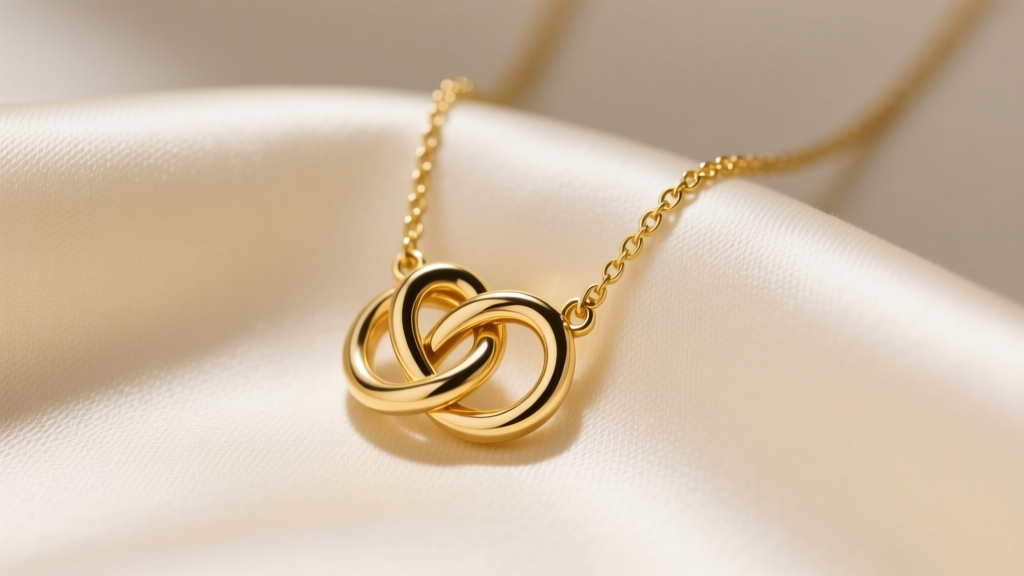
The Anatomy of an Intertwined Necklace
An intertwined necklace is a masterclass in jewelry engineering, featuring two or more chains, cords, or metal loops that weave, twist, or link together. Whether you are looking at a classic Celtic knot, a modern double-strand lariat, or a permanently soldered twisted rope chain, the visual appeal lies in the continuous flow of the metal. However, the very nature of intertwining metals introduces unique structural challenges that buyers often overlook until after purchase.
Unlike a single-strand pendant necklace, an intertwined design subjects the metal to continuous micro-friction, rotational torque, and complex tangling physics. When shopping for these intricate pieces, you must evaluate the jewelry not just on its aesthetic merit, but on its metallurgical durability and mechanical construction. This guide breaks down the exact specifications, material grades, and structural red flags you need to know before investing in an intertwined necklace.
Metal Hardness and Friction Wear
The most critical factor in the longevity of an intertwined necklace is metal hardness. When two metal strands rub against each other with every movement, they create friction. Over time, this friction acts like a very fine sandpaper, causing micro-abrasions that can thin the metal links.
According to the Gemological Institute of America (GIA), pure 24k gold is exceptionally soft. To make it wearable, it is alloyed with other metals. However, even 18k gold (which is 75% pure gold) remains relatively soft, registering around 2.5 to 3 on the Mohs scale of hardness. In a high-friction intertwined design, an 18k gold chain can lose up to 15% of its link thickness at the contact points over three to five years of daily wear. Therefore, 14k gold (58.3% pure) or platinum are vastly superior choices for woven or twisted designs due to their higher tensile strength and resistance to friction wear.
| Metal Grade | Mohs Hardness (Approx.) | Friction Resistance | Best Use Case |
|---|---|---|---|
| Sterling Silver (925) | 2.5 - 3.0 | Moderate | Occasional wear, thicker gauge links |
| 18k Yellow Gold | 2.5 - 3.0 | Low | Soldered twists (no loose link friction) |
| 14k Yellow/White Gold | 3.5 - 4.0 | High | Daily wear, loosely draped multi-strands |
| Platinum (950) | 4.0 - 4.5 | Very High | Heirloom pieces, high-tension weaves |
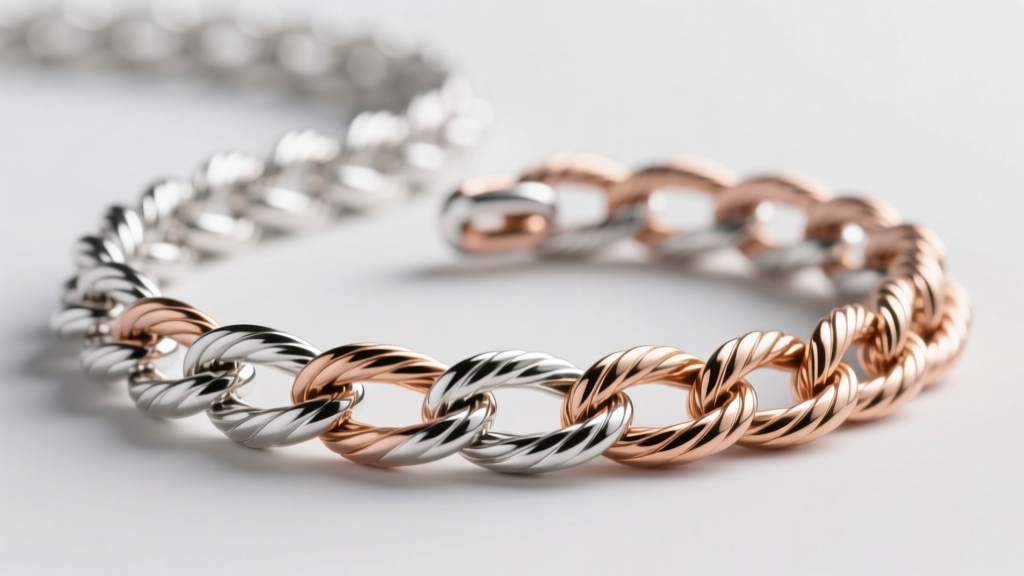
Chain Weaves That Resist Tangling
Tangling is the most common complaint among owners of multi-strand or loosely intertwined necklaces. Tangling occurs when the surface profile of one chain catches on the links or texture of its partner chain. Understanding the geometry of chain weaves is essential for selecting a piece that lays flat and remains tangle-free.
The Physics of Micro-Catching
Chains with highly textured, helical, or protruding surfaces act like tiny gears. For example, rope chains and figaro chains have uneven surface profiles that easily hook into the gaps of adjacent strands. If you are buying a loosely draped double-strand necklace, avoid pairing a rope chain with a cable chain, as the cable links will inevitably slip into the grooves of the rope chain, creating a frustrating knot.
Smooth Profile Solutions
To prevent tangling, look for intertwined necklaces that utilize chains with flush, smooth surface profiles. Box chains, snake chains, and herringbone weaves offer a continuous, flat exterior that allows the strands to glide past one another without catching. If you prefer the look of a textured chain, ensure the intertwined strands are permanently soldered together at regular intervals (often seen in twisted rope or cobra chains) to eliminate the physical space required for tangling to occur.
Clasp Mechanics for Multi-Strand Designs
The clasp on an intertwined necklace must manage significantly more mechanical stress than a standard single-strand piece. Data and care guidelines from Jewelers of America emphasize that asymmetric tension is the primary cause of clasp failure. When a multi-strand necklace twists, it exerts rotational torque on the clasp.
A standard spring-ring clasp is generally rated for roughly 1.5 lbs of direct linear tension, but it is highly vulnerable to lateral torque, which can bend the tiny internal spring or warp the circular housing. For an intertwined necklace, you should actively avoid spring-ring clasps. Instead, look for the following secure alternatives:
- Lobster Claw with Swivel Ring: The swivel ring allows the clasp to rotate independently of the chain, neutralizing the rotational torque before it reaches the clasp mechanism.
- Slide Tube Clasp: Common in high-end multi-strand designs, this clasp features a friction-fit tube that locks multiple strands into a single, unified anchor point, distributing tension evenly.
- Magnetic Barrel Clasps: Ideal for heavier intertwined pieces, provided they feature a secondary safety latch or figure-eight wire to prevent accidental detachment if bumped.

Pricing Tiers and Market Value
Because intertwined necklaces require more raw material and significantly more labor to construct than single chains, their pricing structure reflects both metal weight and fabrication complexity. Here is what you should expect to pay in the current market.
Vermeil and Gold-Filled ($60 - $180)
For fashion-forward buyers, gold vermeil (a thick layer of 14k or 18k gold over sterling silver) or gold-filled wire offers an accessible entry point. However, be cautious with intertwined vermeil pieces. The friction between the strands will eventually wear through the gold plating at the contact points, exposing the silver beneath. Expect a lifespan of 1 to 3 years with regular wear before requiring re-plating.
Solid 14k Gold ($450 - $1,400+)
Solid 14k gold is the sweet spot for fine jewelry buyers seeking an intertwined necklace for daily wear. The price is heavily dictated by the gram weight. A delicate 16-inch intertwined box chain may weigh around 4 grams (approx. $450-$550), while a substantial 20-inch twisted rope chain can weigh upwards of 15 grams (approx. $1,200-$1,400). Always verify the exact gram weight before purchasing to ensure you are paying a fair market premium over the spot price of gold.
Length, Drop, and Neckline Pairing
The visual impact of an intertwined necklace changes dramatically based on its length and how the strands interact at the drop. A 14-to-16-inch choker length forces the intertwined strands to sit tightly against the collarbone, highlighting the weave pattern but restricting movement. This length pairs best with V-necks or off-the-shoulder tops.
Conversely, an 18-to-20-inch princess or matinee length allows the intertwined strands to drape and separate slightly as they follow the contour of the bust. This creates a more fluid, dynamic look that complements crew necks and high-neck blouses. When trying on an intertwined piece, always perform the "movement test": lean forward and shift your shoulders. The necklace should lay flat and return to its intended draped position without requiring manual untangling or adjustment.


