Rainbow Beaded Necklace Value: How Much Should You Pay?
Discover the true value of a rainbow beaded necklace. Compare pricing tiers, bead materials, and hardware to ensure you never overpay for costume pieces.

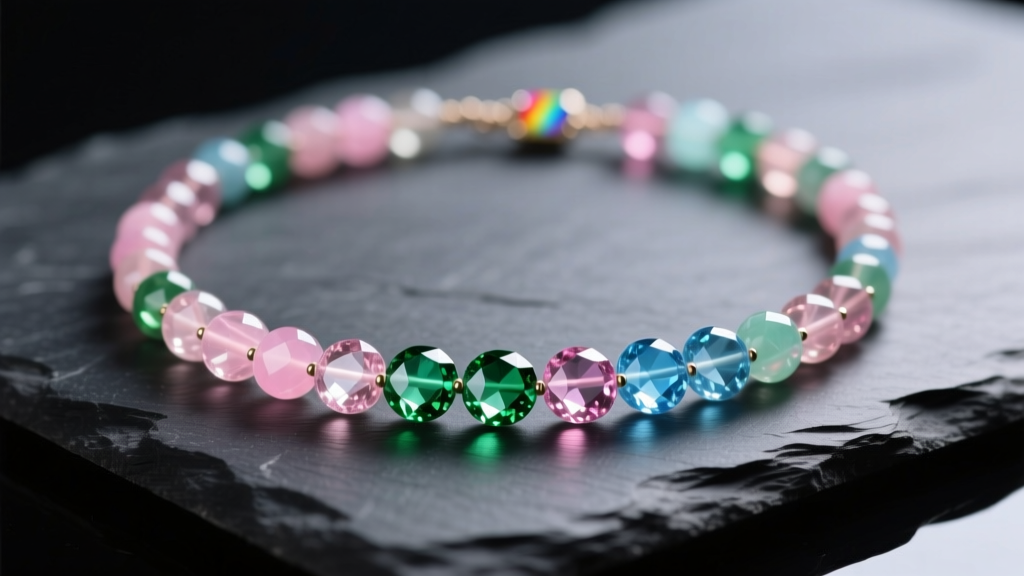
The market for a rainbow beaded necklace is notoriously opaque. A quick search yields options ranging from $12 on fast-fashion marketplaces to over $1,500 at high-end artisan boutiques. For the untrained eye, a strand of vibrant, multi-colored beads looks universally appealing, but the underlying material science and hardware quality dictate whether you are investing in a lasting piece of jewelry or buying disposable costume wear. As we navigate the 2026 jewelry market—where lab-grown multi-color sapphires and advanced synthetic resins have disrupted traditional pricing—understanding the true value of your beads has never been more critical.
This comprehensive value assessment breaks down the gemology, stringing mechanics, and metallurgical standards you must evaluate before purchasing a rainbow beaded necklace.
The Anatomy of Bead Materials: Natural vs. Synthetic
The primary cost driver in any beaded necklace is the origin and treatment of the beads themselves. A genuine rainbow effect can be achieved through several distinct material tiers, each with vastly different price points and longevity.
Tier 1: Fine Natural Gemstones ($150 – $2,500+)
At the apex of the market are natural, multi-color gemstone strands. The most coveted is the rainbow tourmaline necklace, featuring a continuous gradient of indicolite (blue), verdelite (green), and rubellite (pink). According to the Gemological Institute of America (GIA), natural tourmaline is highly pleochroic, meaning it displays different colors when viewed from different angles. In a high-value strand, beads should be 6mm to 8mm in diameter, exhibit high translucency, and have minimal visible fracturing. Multi-color sapphire strands are another premium option, though in 2026, the influx of lab-grown rainbow sapphires has created a mid-tier sub-market ($80–$200) that buyers must carefully distinguish from natural stones.
Tier 2: Premium Crystal & Lampwork Glass ($45 – $120)
For buyers seeking vibrant color without the gemstone premium, premium glass is the standard. Authentic Murano glass beads from Italy or precision-cut crystal beads (like legacy Swarovski or current Preciosa lines) offer exceptional light refraction. These beads are typically strung on high-quality wire and feature uniform drill holes. The value here lies in the artisan craftsmanship of the lampwork or the optical purity of the lead-free crystal.
Tier 3: Dyed & Synthetic Imitations ($10 – $35)
The lowest tier relies on porous stones like howlite or quartzite that have been vacuum-dyed in a spectrum of colors, or mass-cast acrylic resins. While visually striking from a distance, dyed howlite is prone to color leaching when exposed to sweat, perfumes, or UV light. Acrylic beads scratch easily (rating a mere 2 on the Mohs hardness scale) and will develop a cloudy, micro-abraded surface within months of daily wear.
Pricing Breakdown: What Are You Actually Paying For?
To accurately assess a rainbow beaded necklace, cross-reference the seller's asking price with this material and hardware matrix. If a piece claims to be 'natural semi-precious' but falls into the Tier 3 price bracket, you are likely looking at dyed quartz.
| Material Category | Bead Size / Quality | Stringing Material | Clasp Hardware | Fair Market Value (2026) |
|---|---|---|---|---|
| Natural Tourmaline / Sapphire | 6mm-8mm, eye-clean to slightly included | 49-strand stainless steel (0.018') | 14k Gold-Filled Lobster | $350 – $2,500+ |
| Lab-Grown Multi-Color Sapphire | 4mm-6mm, VVS clarity | 19-strand steel or heavy nylon | Sterling Silver Toggle | $80 – $200 |
| Premium Crystal / Murano Glass | 8mm-10mm, precision cut / artisan | Soft Flex 49-strand wire | Gold-Plated (1.0 micron) Lobster | $45 – $120 |
| Dyed Howlite / Acrylic Resin | Uniform 8mm, opaque | Elastic cord or cheap nylon thread | Base Metal Spring Ring | $10 – $35 |
Hardware & Stringing: The Hidden Value Indicators
A common mistake in budget assessment is focusing entirely on the beads while ignoring the structural engineering of the necklace. A $500 strand of natural rainbow moonstone is a poor investment if it is strung on degradable silk thread with a base-metal clasp that will snap under its own weight.
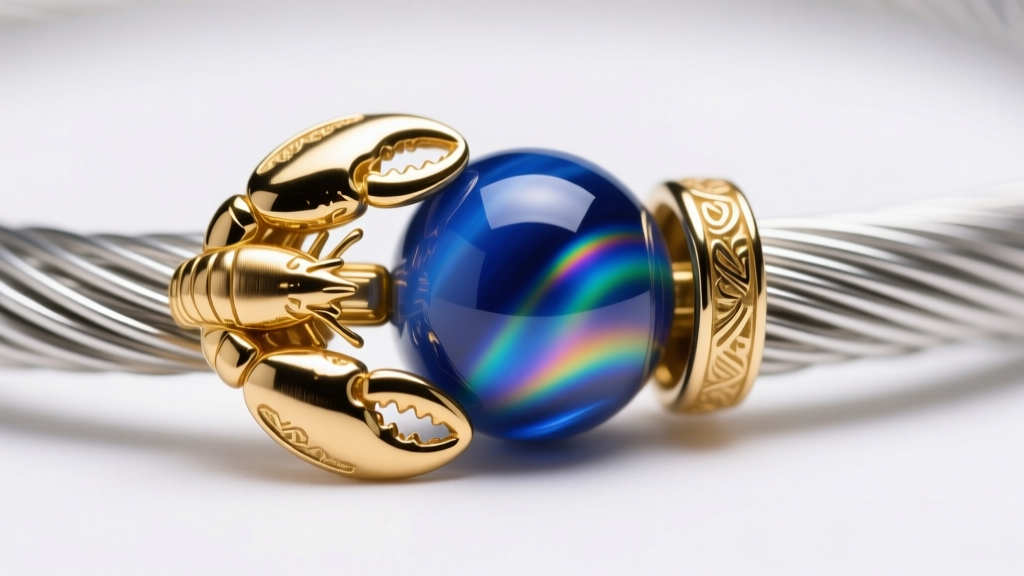
Stringing Durability and Gauge
According to the Fire Mountain Gems Encyclopedia, professional-grade beaded necklaces should utilize multi-strand stainless steel beading wire coated in nylon. For gemstone beads weighing over 15 grams total, a 49-strand wire with a 0.018-inch to 0.024-inch diameter is mandatory. This provides the drape of silk with the tensile strength of steel. Avoid necklaces strung on elastic cords (which degrade and snap) or single-strand nylon threads (which fray at the drill holes).
Clasp Metallurgy and Plating Standards
The clasp is the highest-stress point on any necklace. High-value rainbow beaded necklaces will feature 14k gold-filled or solid sterling silver hardware. The Federal Trade Commission (FTC) strictly regulates these terms: 'gold-filled' means the outer layer constitutes at least 1/20th of the total metal weight, ensuring years of wear without peeling. Conversely, 'gold-plated' flash finishes are often less than 0.5 microns thick and will rub off against the skin within weeks, leaving a base-metal core that can cause contact dermatitis.
How to Spot Overpriced 'Semi-Precious' Fakes
Retailers frequently mark up dyed or synthetic beads by using ambiguous terminology like 'rainbow crystal' or 'multi-color quartz.' Use these three physical tests to verify value before purchasing:
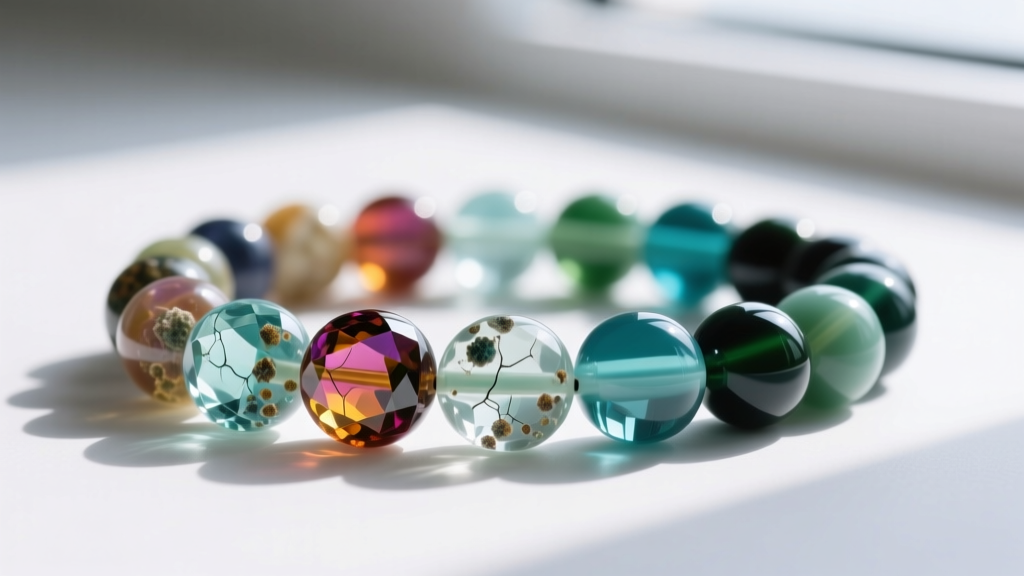
- The Drill Hole Inspection: Use a jeweler's loupe to examine the area immediately surrounding the drill hole. In dyed howlite or quartz, you will see a high concentration of dark dye pooling in the micro-fractures near the hole. Natural gemstones will show consistent color distribution and clean, sharp drill margins.
- The Thermal Conductivity Test: Natural gemstones and high-density glass possess high thermal mass; they will feel distinctly cool to the touch when first picked up and take several seconds to warm to body temperature. Acrylic and resin beads will feel room-temperature or warm instantly.
- The Inclusion Check: Natural rainbow tourmaline and sapphire almost always feature microscopic rutile needles, liquid inclusions, or slight color zoning within individual beads. If every single bead in a 30-bead strand is perfectly clear with mathematically uniform color saturation, you are looking at lab-grown glass or synthetic spinel.
Final Verdict: Maximizing Your Budget
When evaluating a rainbow beaded necklace, align your budget with your expectations for longevity. If you are spending under $40, accept that you are purchasing a seasonal fashion accessory made of dyed stone or acrylic, and avoid exposing it to moisture. If your budget exceeds $150, demand transparency: ask the seller for the exact gemstone species, the strand's wire gauge, and the metallurgical breakdown of the clasp.
'True value in beaded jewelry is not just the sum of the gemstones; it is the structural integrity of the stringing and the permanence of the hardware. A premium bead on a cheap wire is a broken necklace waiting to happen.'
By prioritizing 49-strand steel stringing, gold-filled hardware, and verified natural or premium lab-grown stones, you can confidently navigate the 2026 market and secure a rainbow beaded necklace that retains both its physical beauty and its financial value for decades.


