Best Metals For An Inverted Pentagram Necklace: Material Guide
Discover the best metals for an inverted pentagram necklace. Compare sterling silver, titanium, and surgical steel for durability, tarnish, and skin safety.

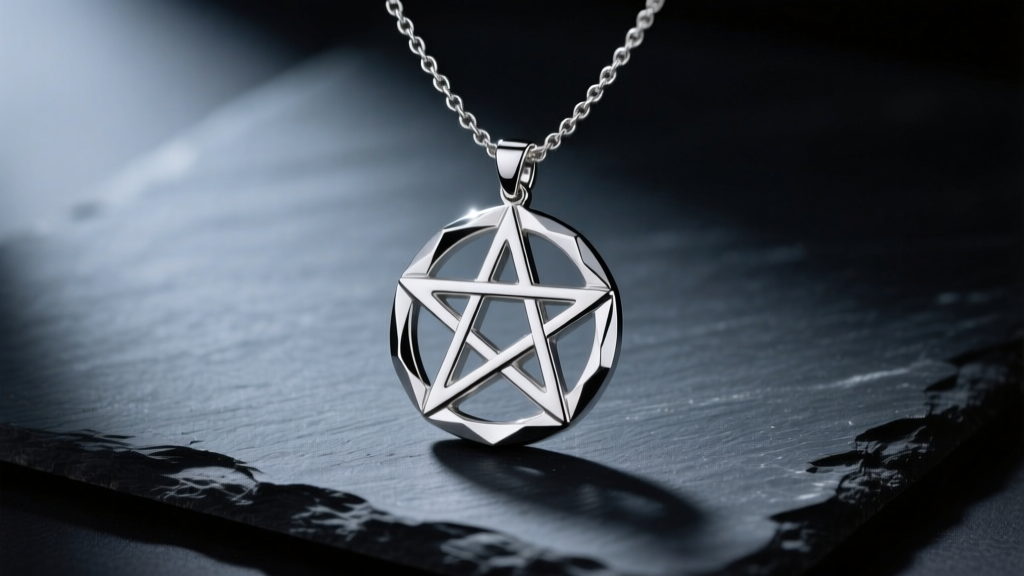
The inverted pentagram is one of the most striking and historically complex symbols in alternative and occult jewelry. Representing elements ranging from earthly dominion to specific esoteric traditions, an inverted pentagram necklace is rarely a piece you wear only on special occasions. It is a daily talisman, meaning it endures constant contact with skin oils, sweat, friction, and environmental pollutants. Because of this rigorous wear cycle, the metallurgy of your pendant and chain is just as important as the design itself.
Choosing the wrong alloy can result in severe skin irritation, rapid tarnishing, or structural failure at the bail. In this comprehensive material guide, we dissect the exact properties, failure modes, and maintenance requirements of the most common metals used to forge inverted pentagram necklaces in 2026.
The Symbolism and Weight of the Inverted Pentagram
Before diving into alloys, it is vital to understand how the geometry of an inverted pentagram dictates its manufacturing requirements. Unlike a simple circular coin pendant, a pentagram features five sharp, elongated points and a complex inner web of intersecting lines. This geometry creates high-stress concentration points at the tips. If a metal is too brittle, the points can snap off if caught on clothing. If the metal is too soft, the tips will warp and dull over time. Furthermore, the intricate inner angles make polishing and cleaning a challenge, meaning the metal’s natural resistance to oxidation is a major factor in long-term aesthetics.
Material Showdown: Which Metal Suits Your Wear Habits?
The market is flooded with inverted pentagram pendants, but the metal stamps tell the real story. Here is a deep dive into the four most prevalent materials used in gothic and occult jewelry manufacturing.
Sterling Silver (925): The Classic Occult Standard
Sterling silver is the traditional choice for high-end occult jewelry. By definition, it consists of 92.5% pure silver and 7.5% alloying metals, almost always copper. According to the Gemological Institute of America (GIA), the addition of copper is necessary to give pure silver the structural integrity required for jewelry, but it is also the culprit behind tarnish. When the copper in sterling silver reacts with hydrogen sulfide in the air or sulfur compounds in human sweat, it forms silver sulfide—the black layer we recognize as tarnish.
- Pros: Exceptional detail retention during the casting process; holds a brilliant mirror polish; can be intentionally oxidized with liver of sulfur to create deep, gothic contrast in the pendant's recesses.
- Cons: Relatively soft (Mohs hardness of 2.5 to 3.0); the sharp points of the pentagram are prone to scratching and denting; requires regular maintenance to prevent unwanted blackening in high-polish areas.
- Best For: Collectors who appreciate traditional jewelry craftsmanship and don't mind occasional polishing.
316L Surgical Steel: The Heavy-Duty Workhorse
For those who want a dark, aggressive aesthetic with zero maintenance, 316L stainless steel is the industry workhorse. The "L" stands for low carbon, and the alloy contains 16-18% chromium, 10-14% nickel, and 2-3% molybdenum. The molybdenum is the secret weapon here; it specifically prevents pitting corrosion from chlorides, meaning you can swim in the ocean or sweat heavily at the gym without the metal degrading.
- Pros: Highly scratch-resistant (Mohs 5.5-6.0); virtually immune to tarnish; very affordable; possesses a naturally dark, gunmetal-like undertone that suits gothic aesthetics.
- Cons: Contains nickel, which can trigger contact dermatitis in highly sensitive individuals; extremely difficult for a jeweler to resize, solder, or repair if the bail breaks.
- Best For: Daily wearers, athletes, and those on a budget who prioritize durability over precious metal value.
Grade 23 Titanium: The Hypoallergenic Premium Choice
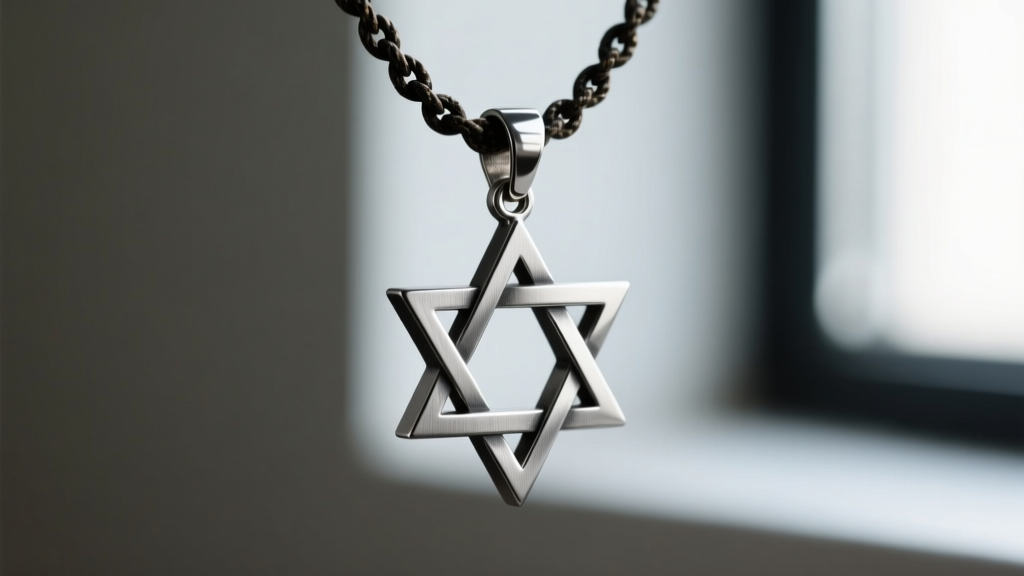
When discussing titanium jewelry, the specific grade is non-negotiable. While Grade 2 is common, Grade 23 (Ti 6Al-4V ELI) is the gold standard for biocompatibility. "ELI" stands for Extra Low Interstitial, meaning it has reduced levels of oxygen, nitrogen, and carbon, making it significantly more fracture-resistant and entirely hypoallergenic. As noted by Titanium.org, this specific alloy is widely used in surgical implants because the human body simply does not react to it.
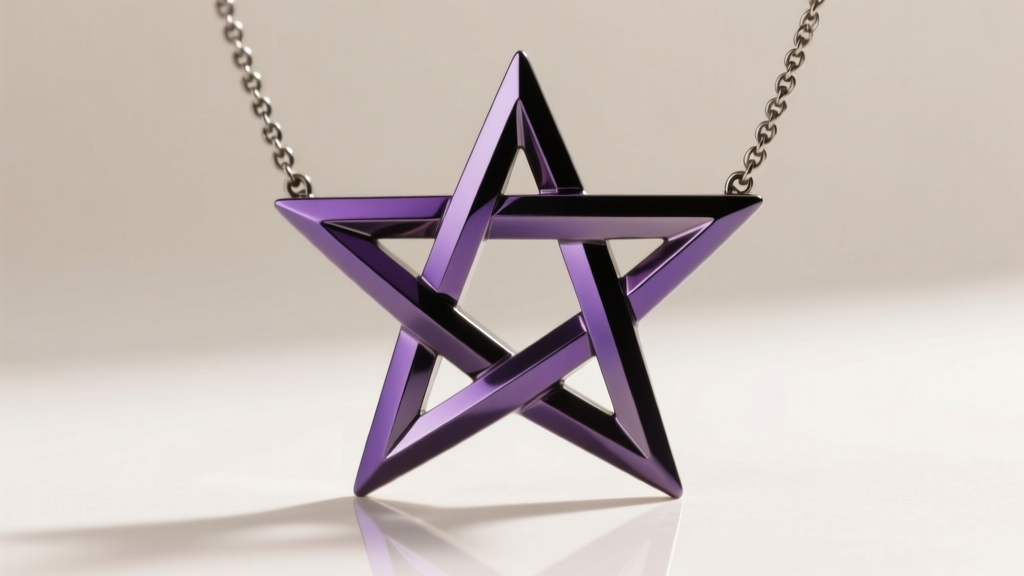
- Pros: 45% lighter than steel, making large, heavy pentagram pendants comfortable for all-day wear; 100% hypoallergenic; can be anodized using electricity to create permanent, vibrant colors (like deep purples or blacks) without using chemical plating.
- Cons: Very expensive; cannot be traditionally cast, meaning designs are usually CNC-milled and lack the ornate, flowing curves of cast silver.
- Best For: Individuals with severe metal allergies and those who prefer large, oversized pendants without the neck strain.
Black Rhodium Plated Brass: The Budget Dark Aesthetic
Many fast-fashion occult brands use a brass core (an alloy of copper and zinc) plated with black rhodium. While it looks incredibly striking on the first day, this material combination is a ticking time bomb for daily wearers.
- Pros: Very low cost; heavy, substantial feel; deep, pitch-black initial color.
- Cons: The plating will inevitably wear off at the high-friction points (the pentagram tips and the bail) within 3 to 9 months. Once the brass is exposed, the copper reacts with skin acids to create copper chloride, which will stain your skin green and cause irritation.
- Best For: Occasional wear, costume use, or photo shoots. Not recommended for daily talismans.
Comparative Data: Tarnish, Weight, and Pricing
To make an informed purchasing decision, it helps to view these materials through a strictly empirical lens. The table below outlines the physical properties of a standard 1.5-inch (38mm) inverted pentagram pendant across the four primary metals.
| Material | Mohs Hardness | Density (g/cm³) | Tarnish Resistance | Avg. Price Range |
|---|---|---|---|---|
| 925 Sterling Silver | 2.5 - 3.0 | 10.4 | Low | $80 - $250 |
| 316L Surgical Steel | 5.5 - 6.0 | 8.0 | High | $25 - $75 |
| Grade 23 Titanium | 6.0 - 6.5 | 4.4 | Absolute | $120 - $350 |
| Plated Brass | 3.0 - 4.0 | 8.5 | Very Low | $15 - $40 |
Chain Selection and Galvanic Corrosion
A common and costly mistake in alternative jewelry is mixing dissimilar metals. If you pair a 316L surgical steel inverted pentagram pendant with a sterling silver chain, you risk galvanic corrosion. When two dissimilar metals are in physical contact in the presence of an electrolyte (like human sweat or high humidity), an electrochemical reaction occurs. The less "noble" metal will corrode at an accelerated rate. In this scenario, the silver chain will degrade, pit, and weaken exactly at the bail connection point, eventually leading to the loss of your pendant.
Always match your chain metallurgy to your pendant. Furthermore, consider the chain style. The sharp inner angles of a pentagram pendant require a bail that can accommodate a thicker chain. A 2.5mm to 3.5mm Cuban link or Figaro chain provides the necessary structural support. Avoid rope chains for heavy gothic pendants; the twisted grooves trap dead skin cells, sebum, and environmental dirt, which are highly acidic and will degrade the metal finish over time.
Care and Maintenance for Dark Aesthetics
Maintaining the sharp, aggressive look of an inverted pentagram requires specific care routines depending on your chosen alloy. For sterling silver pieces that feature intentional oxidation (blackened recesses to highlight the geometric web), never use liquid silver dips or harsh chemical polishes. These will strip the intentional patina, leaving you with a flat, overly bright pendant. Instead, use a treated jeweler's polishing cloth to gently buff only the raised, high-polish surfaces.
For 316L steel and Grade 23 titanium, ultrasonic cleaners are highly effective. Because these metals are non-porous and lack chemical plating, a three-minute cycle in a standard ultrasonic jewelry cleaner with a mild dish soap solution will dislodge trapped sebum from the intricate inner angles of the pentagram without damaging the metal. However, if your titanium piece is anodized, limit ultrasonic cleaning to short bursts, as prolonged high-frequency vibrations can occasionally dull the microscopic oxide layer responsible for the anodized color.
Final Verdict: Choosing Your Alloy
When investing in an inverted pentagram necklace, you are buying a piece of wearable architecture. If you value heritage, intricate casting details, and the traditional feel of precious metals, 925 Sterling Silver remains unmatched, provided you are willing to maintain it. If your lifestyle is active, and you demand a piece that can survive the gym, the ocean, and daily friction without a second thought, 316L Surgical Steel is the most pragmatic choice. Finally, for those with sensitive skin or a desire for a massive, lightweight statement piece, Grade 23 Titanium offers unparalleled modern metallurgical performance. Always verify the hallmark or material stamp before purchasing, ensuring your talisman is built to last a lifetime. For more information on verifying precious metal hallmarks, consult the London Assay Office guidelines on metal purity standards.


