Vintage Givenchy Necklace: 2026 Trend & Styling Guide
Discover the 2026 trends for the vintage Givenchy necklace. Learn authentication hallmarks, era-specific pricing, and expert styling tips.

The 2026 Archival Resurgence: Why Givenchy Dominates
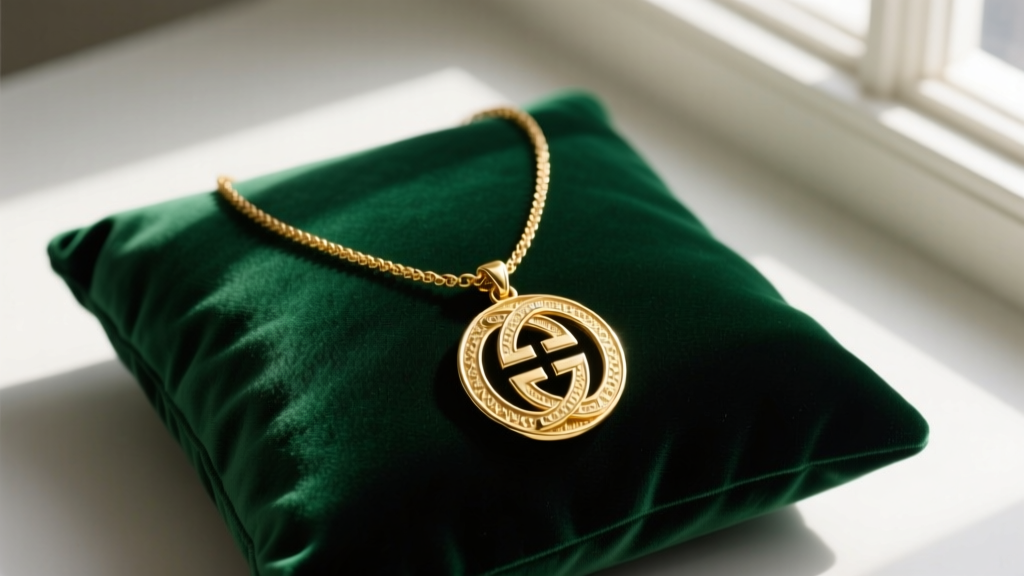
In the evolving landscape of 2026 fashion, the pendulum has decisively swung away from the understated minimalism of 'quiet luxury' and back toward the bold, unapologetic statement of archival costume jewelry. At the forefront of this maximalist revival is the vintage Givenchy necklace. Hubert de Givenchy’s foray into accessories was never an afterthought; it was an integral extension of his haute couture vision. Today, collectors and style enthusiasts are aggressively hunting for these pieces, not merely as nostalgic artifacts, but as vital components of modern power dressing.
According to Vogue's vintage jewelry trend reports, the demand for mid-century and 1980s European couture house jewelry has surged by over 40% in secondary markets over the last eighteen months. The vintage Givenchy necklace represents a unique intersection of accessibility and high-fashion pedigree. Unlike fine jewelry, which is constrained by the intrinsic value of its metals, Givenchy’s costume pieces were designed purely for visual impact, utilizing innovative glass-making techniques, heavy gold-tone plating, and avant-garde silhouettes that continue to dictate runway trends today.
Decoding the Eras: From Scemama to 1980s Maximalism
To truly understand the market and style value of a vintage Givenchy necklace, one must be able to distinguish between the distinct manufacturing eras. The house collaborated with different master jewelers and manufacturers over the decades, resulting in vastly different aesthetics, material compositions, and price points.
The 1960s: Roger Scemama and Gripoix Glass
In the 1950s and 1960s, Givenchy collaborated closely with Roger Scemama, a visionary jeweler who also worked for Dior and Balenciaga. Necklaces from this era are highly prized for their use of pâte de verre (glass paste) created by the legendary Maison Gripoix. These pieces often feature faux baroque pearls, poured glass cabochons, and intricate filigree settings. They are rare, fragile, and command premium prices at auction.
The 1970s and 1980s: The Gold-Tone Power Era
As fashion shifted toward the bold, broad-shouldered silhouettes of the late 1970s and 1980s, so did Givenchy’s jewelry. The brand began producing heavy, gold-tone base metal chains, massive medallions featuring the interlocking 'G' logo, and intricate hammered collars. These pieces were designed to sit prominently on the lapels of oversized blazers and the necklines of sweeping silk gowns. The 1980s pieces are the most commonly found on the vintage market today and serve as the quintessential vintage Givenchy necklace for modern layering.
| Era | Primary Materials | Key Design Motifs | 2026 Market Price Range |
|---|---|---|---|
| 1960s (Scemama) | Gripoix glass, faux pearls, rhinestones, silver-tone alloys | Floral clusters, baroque drops, delicate filigree | $1,200 – $3,500+ |
| 1970s | Gold-tone brass, enamel, lucite | Geometric pendants, shield logos, woven chains | $400 – $900 |
| 1980s | Heavy gold-tone base metals, large glass crystals | Interlocking G medallions, chunky chains, hammered collars | $250 – $750 |
| 1990s | Rhinestones, crystal mesh, lighter plated alloys | Chokers, crystal-encrusted crosses, logo plaques | $150 – $450 |
Authentication Protocols: Spotting the Genuine Article
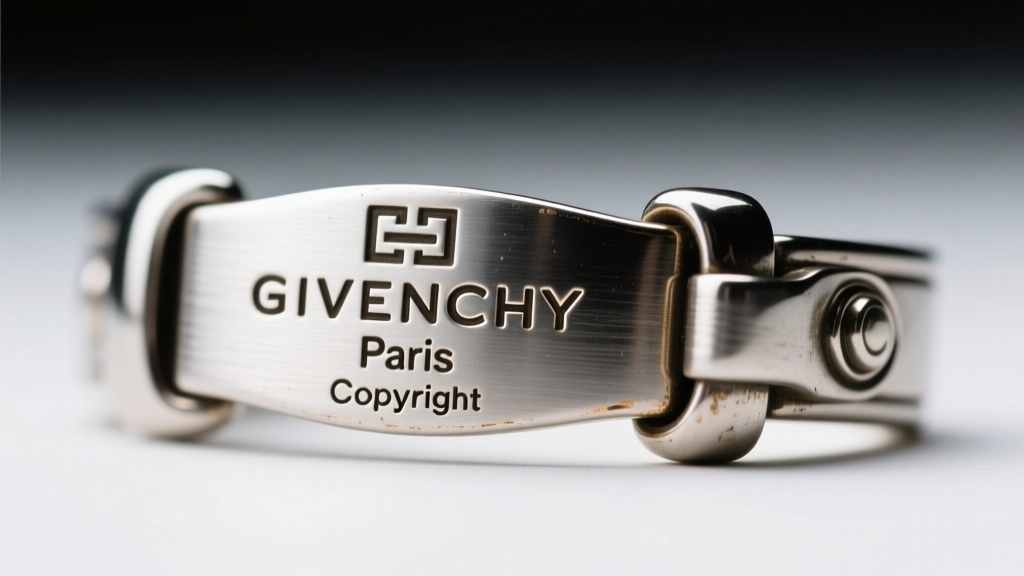
The secondary market is flooded with counterfeit costume jewelry, and the vintage Givenchy necklace is a frequent target due to its recognizable branding. Authentication requires a meticulous examination of hallmarks, casting quality, and hardware weight. As noted by the curators at The Metropolitan Museum of Art's Costume Institute, understanding the evolution of a house's stamp is critical for accurate archival dating.
Hallmark Evolution and Red Flags
- The Early Stamp (1950s-1960s): Look for 'Givenchy Paris' without a copyright symbol. The font should be crisp, often stamped on a separate soldered plaque rather than directly into the cast metal.
- The Copyright Era (1970s-1980s): The stamp evolved to include the '©' symbol, typically reading 'Givenchy © Paris'. Some pieces from the late 70s feature the 'Givenchy Paris' stamp alongside a small shield logo.
- The VBC Mark (1980s): Certain pieces produced for specific markets or collaborations bear the 'VBC' (Victoria & Albert) mark alongside the Givenchy stamp. Counterfeiters rarely replicate this obscure secondary stamp.
- Font and Depth Analysis: Authentic vintage stamps are deeply cast or cleanly machine-stamped. Fakes often exhibit shallow, laser-etched hallmarks with blurred edges or incorrect serif fonts.
Material Weight and Plating Quality
Authentic 1980s Givenchy chains possess a distinct, heavy drape due to the thick brass or bronze base metals used before the brand transitioned to lighter alloys in the late 1990s. The gold plating on genuine vintage pieces was applied in thick micron layers, resulting in a rich, warm, almost 22k yellow hue. Modern fakes often have a brassy, overly reflective, or slightly greenish tint to the plating.
'A true vintage Givenchy piece feels substantial in the hand. The clasps should operate with a firm, mechanical precision, and the jump rings should be seamlessly soldered, never merely pinched shut.'
Styling Frameworks: Integrating Archival Pieces in 2026
Styling a vintage Givenchy necklace today requires balancing its inherent maximalism with contemporary tailoring. The goal is to let the archival piece act as the focal point without overwhelming the silhouette.
The Contrast Layering Technique
One of the most effective ways to wear an 1980s chunky gold Givenchy chain is through high-contrast layering. Pair a heavy, 18-inch gold-tone medallion necklace with a delicate, modern 14k solid gold paperclip chain. The juxtaposition of the vintage, opaque gold-tone brass against the bright, reflective modern fine jewelry creates a dynamic, curated look that feels intentional rather than costumed.
The Power Lapel Pairing
For professional or evening environments, pin a vintage Givenchy gripoix glass pendant or a heavy gold collar directly onto the lapel of a structured, oversized wool blazer. This technique, popularized on recent Parisian runways, transforms a necklace into a quasi-brooch, drawing the eye upward and emphasizing the garment's architectural shoulders. Ensure the blazer is in a muted tone—charcoal, deep navy, or camel—to allow the intricate glasswork or hammered gold to command attention.

Preservation and Care: Maintaining Base Metals
Unlike fine jewelry, vintage costume jewelry requires specialized care to prevent irreversible degradation. The base metals used in vintage Givenchy necklaces are highly susceptible to moisture, skin oils, and environmental humidity.
Combating Verdigris and Plating Loss
Verdigris—the green, powdery corrosion that forms on copper alloys—is the enemy of vintage base metal jewelry. If you spot early signs of verdigris on the clasps or links of your Givenchy piece, gently remove it using a dry, soft-bristled toothbrush. Never use water or liquid jewelry cleaners, as these will strip the remaining gold plating and accelerate internal corrosion.
For long-term preservation, apply a micro-thin layer of Renaissance Wax to the metal surfaces using a lint-free cloth. This museum-grade wax creates a breathable barrier against humidity and skin acids. Store your vintage Givenchy necklace flat in an acid-free tissue-lined box with a silica gel desiccant packet to control ambient moisture. By adhering to these strict preservation protocols, you ensure that these wearable pieces of fashion history remain pristine for decades to come.
Whether you are bidding on a rare 1960s Scemama collar or styling an 1980s logo chain for a modern editorial look, the vintage Givenchy necklace remains a testament to the enduring power of bold, unapologetic design. For further historical context on European fashion houses, the Givenchy historical archives provide a fascinating look into Hubert de Givenchy's broader design philosophy.


