Is an Invisible Necklace With Diamond Worth the Cost in 2026?
Discover if an invisible necklace with diamond offers true value in 2026. We analyze pricing, nylon vs. wire durability, and diamond grading for illusion sets.

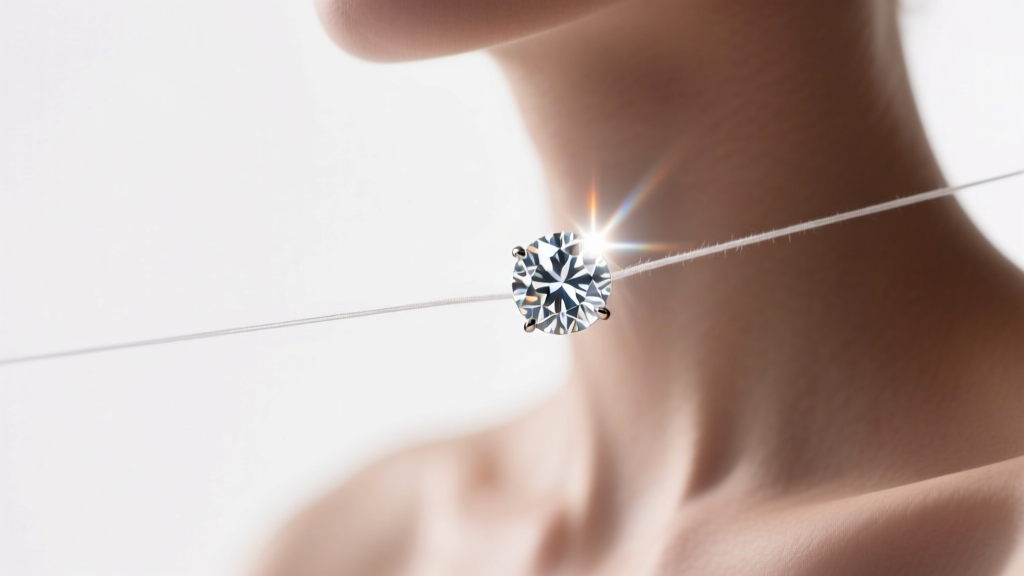
The Anatomy of an "Invisible" Diamond Necklace
When consumers search for an invisible necklace with diamond, they are typically referring to one of two distinct jewelry constructions. The first is the "floating" illusion necklace, where a solitary diamond appears to levitate on the skin, suspended by a nearly undetectable clear nylon or fluorocarbon line. The second is the "invisible setting" pendant, where a diamond is mounted in an illusion plate or tension setting on an ultra-fine, skin-toned or transparent micro-wire, minimizing the appearance of metal.
From a budget and value assessment perspective, these necklaces present a unique paradox. The aesthetic is undeniably striking and highly sought after for minimalist styling, yet the structural compromises required to achieve this "invisible" look introduce hidden costs, specific durability risks, and strict diamond grading requirements. In 2026, as lab-grown diamond prices continue to stabilize and jewelry markup structures shift, it is crucial to understand exactly what you are paying for when investing in this delicate style.
2026 Pricing Tiers: What Should You Actually Pay?
The value proposition of an invisible necklace with diamond hinges heavily on the origin of the stone and the suspension material used. Because the metal weight is negligible (often less than 1 gram of gold or entirely synthetic line), the retail price should primarily reflect the diamond's carat weight and quality. However, luxury brands often apply a massive "design premium" to illusion pieces. Below is a realistic 2026 pricing framework for a solitaire floating necklace.
| Diamond Origin & Carat | Suspension Material | Fair Market Value (2026) | Luxury Brand Markup |
|---|---|---|---|
| Lab-Grown 0.25ct (VS1, F) | Clear Fluorocarbon Line | $180 - $280 | $600 - $950 |
| Lab-Grown 0.50ct (VS2, G) | 14k Gold Micro-Wire (0.3mm) | $350 - $550 | $1,100 - $1,600 |
| Natural 0.25ct (SI1, H) | Clear Fluorocarbon Line | $400 - $650 | $1,200 - $1,800 |
| Natural 0.50ct (VS2, F) | 14k Gold Micro-Wire (0.3mm) | $1,400 - $2,100 | $3,500 - $5,000 |
As the data illustrates, purchasing from direct-to-consumer or specialized online jewelers yields significantly better value than traditional mall-based luxury retailers. When evaluating an invisible necklace with diamond, always calculate the price-per-carat and subtract an estimated $50 to $120 for the custom setting and clasp hardware. Anything beyond that margin is purely a brand tax.
The Durability Debate: Nylon Line vs. Micro-Wire
The most critical factor in assessing the long-term value of a floating diamond necklace is the suspension medium. The "invisible" look is most commonly achieved using heavy-duty fluorocarbon fishing line (often sourced from premium brands like Seaguar). While fluorocarbon is highly resistant to water and skin oils compared to standard monofilament nylon, it is still a synthetic polymer subject to environmental degradation.
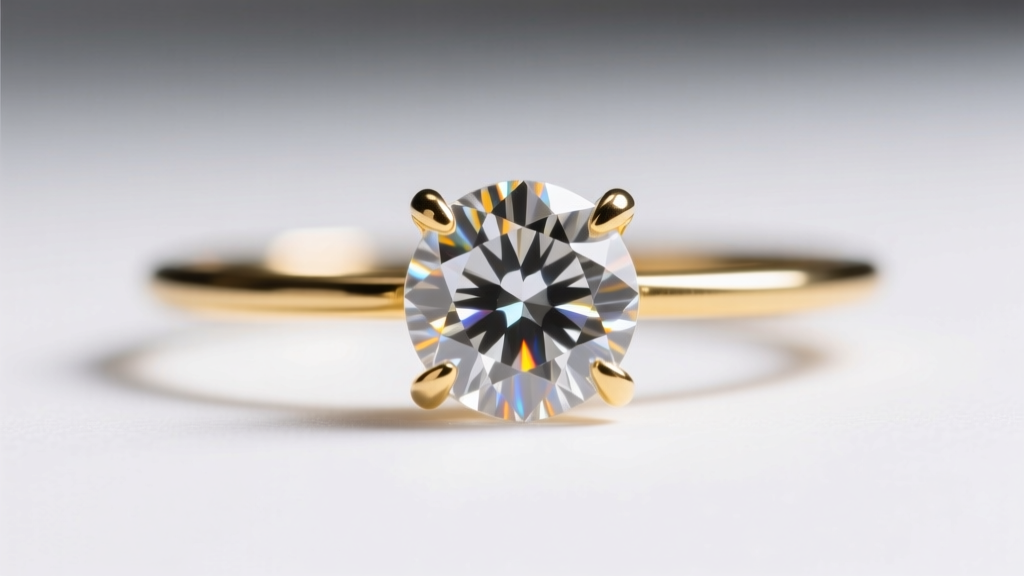
Fluorocarbon Line Realities
- Tensile Strength: Typically rated for 10-15 lbs, which is more than enough to hold a 1-carat diamond (which weighs roughly 0.2 grams).
- Failure Modes: UV exposure from sunlight and microscopic abrasions from the diamond's girdle rubbing against the knot hole will eventually cause the line to snap.
- Lifespan: 12 to 24 months with daily wear. You must budget $25 to $45 annually for professional restringing.
The Micro-Wire Alternative
For buyers seeking a true "buy it for life" piece, ultra-thin 14k or 18k gold micro-wire (ranging from 0.25mm to 0.4mm in thickness) is the superior investment. While it is not 100% invisible like clear nylon, it catches the light beautifully and eliminates the recurring cost and anxiety of restringing. However, micro-wire is prone to kinking if pulled, and repairing a kinked wire often requires a complete chain replacement rather than a simple restring.
Diamond Grading for Illusion and Floating Settings
You cannot apply standard diamond grading rules to an invisible necklace with diamond. In a traditional basket or pavé setting, the metal reflects light back into the stone and hides certain imperfections. A floating diamond, suspended in mid-air, has no metallic backing. Light escapes out the pavilion, and the wearer's skin tone acts as the backdrop. This structural reality demands a highly specific approach to the 4Cs.
Why Clarity and Cut Matter Most
According to the Gemological Institute of America (GIA), clarity grades are determined by the visibility of inclusions under 10x magnification. However, in a floating setting, inclusions are visible to the naked eye much more easily because there is no metal prong or bezel to obstruct the sightline. You must insist on a minimum clarity grade of VS2. Anything in the SI (Slightly Included) range risks having black carbon spots visible against the skin.
Furthermore, cut quality is non-negotiable. A poorly cut diamond will suffer from "extinction" (dark areas) when not backed by reflective metal. Only Excellent or Ideal cut grades should be considered to ensure the stone maintains its fire and brilliance while floating.
The Color Grade Sweet Spot
The GIA color scale ranges from D (colorless) to Z (light yellow). When a diamond is set in a traditional yellow gold basket, a near-colorless grade (J or K) can look warm and beautiful. In an invisible necklace, the back of the stone is completely exposed. If you choose a lower color grade, the yellow or brown tints of the diamond will be magnified by the contrast against your skin. For clear nylon lines, stick strictly to D, E, or F color grades. If you opt for a 14k yellow gold micro-wire, you can safely drop down to G or H without noticing adverse color reflection.
Hidden Costs and Maintenance Realities
Budgeting for an invisible necklace with diamond does not end at the checkout page. The minimalist hardware required for these necklaces introduces specific maintenance vulnerabilities that buyers must factor into their total cost of ownership.
"The weakest point of any floating illusion necklace is not the line itself, but the crimp bead or knot securing the line to the jump ring. Repeated friction from taking the necklace on and off will fray the fluorocarbon at the clasp connection point long before the center of the line degrades."
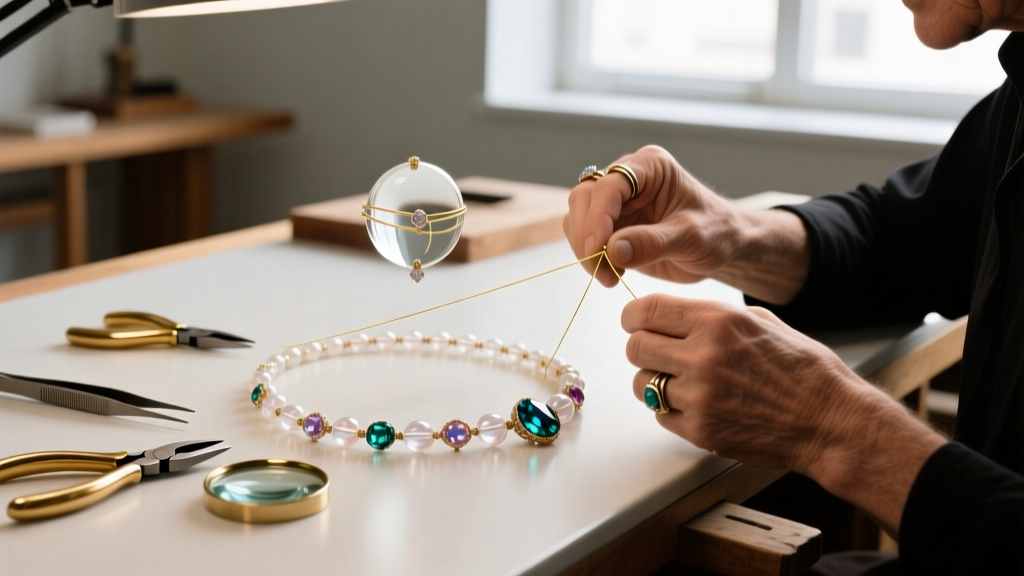
To mitigate this, high-end jewelers use silicone-lined micro-tubes or specialized wire guardians at the clasp connection points. If the piece you are evaluating uses simple wire crimps directly on the nylon, walk away; it is a manufacturing shortcut that guarantees premature breakage. Additionally, the clasps on these necklaces are often tiny 5mm lobster clasps or magnetic barrel clasps to maintain the invisible aesthetic. Magnetic clasps, while easy to use, can accumulate iron dust from cosmetics and environmental pollutants, requiring ultrasonic cleaning every few months to maintain their grip strength.
Final Verdict: Budget vs. Value Assessment
Is an invisible necklace with diamond a sound financial investment in 2026? From a strict resale perspective, no. The labor-intensive restringing requirements and the delicate nature of the suspension materials mean these pieces depreciate quickly on the secondary market. However, from a cost-per-wear and aesthetic value perspective, they are unparalleled.
To maximize your budget, prioritize a high-quality lab-grown diamond (0.50ct, VS1, E color, Ideal cut) set on a 14k gold micro-wire rather than a clear nylon line. This configuration eliminates the recurring restringing costs, provides a durable everyday wear experience, and delivers the optical illusion of a floating stone without the structural liabilities of synthetic polymers. By understanding the hidden mechanics of illusion settings and demanding the correct diamond specifications, you can secure a breathtaking piece of jewelry that offers genuine, long-term value.
For more information on maintaining delicate jewelry pieces and understanding diamond light performance, refer to the GIA's comprehensive guide on diamond cut and brilliance, which details how light behaves in unbacked gemstone settings.


