Italian Necklace Charms: 2026 Value & Pricing Guide
Discover how to evaluate Italian necklace charms in 2026. Learn hallmark decoding, manufacturing costs, and fair market pricing for 18k gold.

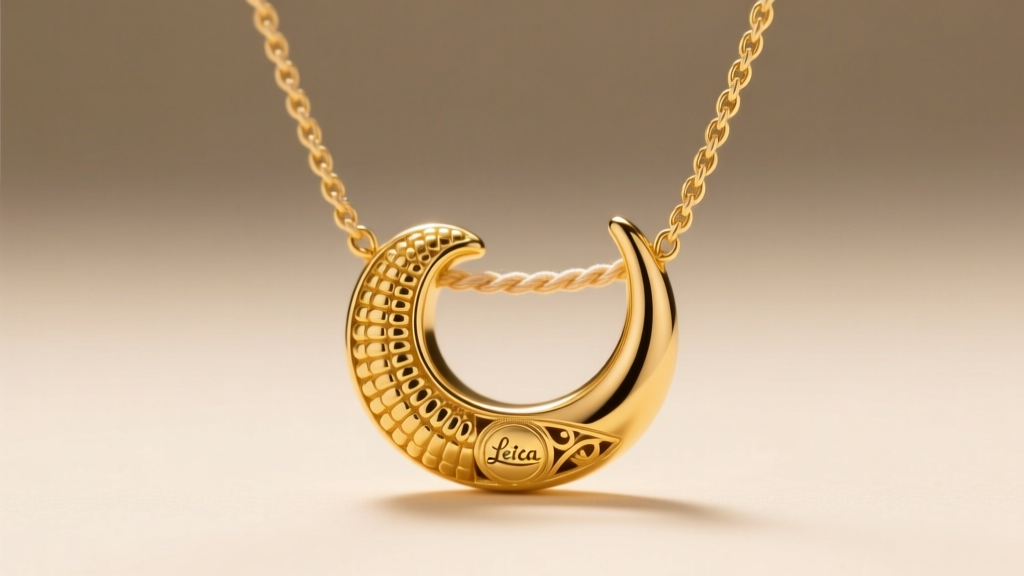
The True Cost of Authentic Italian Necklace Charms
When building a curated pendant collection, the phrase 'Made in Italy' carries immense weight. However, the prestige of Italian goldsmithing often obscures the actual financial value of the pieces you are buying. In 2026, the market for italian necklace charms is more fragmented than ever, with pricing that ranges from mass-produced tourist trinkets to master-crafted heirloom pieces. To assess true value, buyers must look beyond the brand name and understand the intersection of regional manufacturing techniques, gold purity laws, and artisan labor costs.
Italy's jewelry production is heavily regionalized. The district of Arezzo is globally renowned for high-volume, lightweight chain and charm production, often utilizing advanced electroforming. Vicenza remains the historic heart of classic, solid goldsmithing, while Valenza focuses on high-end gemstone settings. Understanding where and how your charm was made is the first step in determining if you are paying a fair market price or an inflated tourist premium.
Decoding the Lozenge: Italian Hallmarks and Purity Laws
Unlike the United States, where hallmarking is largely unregulated and often limited to a simple '14K' stamp, Italy enforces strict hallmarking laws under Legislative Decree 251/1999. Every authentic piece of Italian gold jewelry must bear two distinct marks within a polygonal lozenge (a diamond shape with truncated corners).
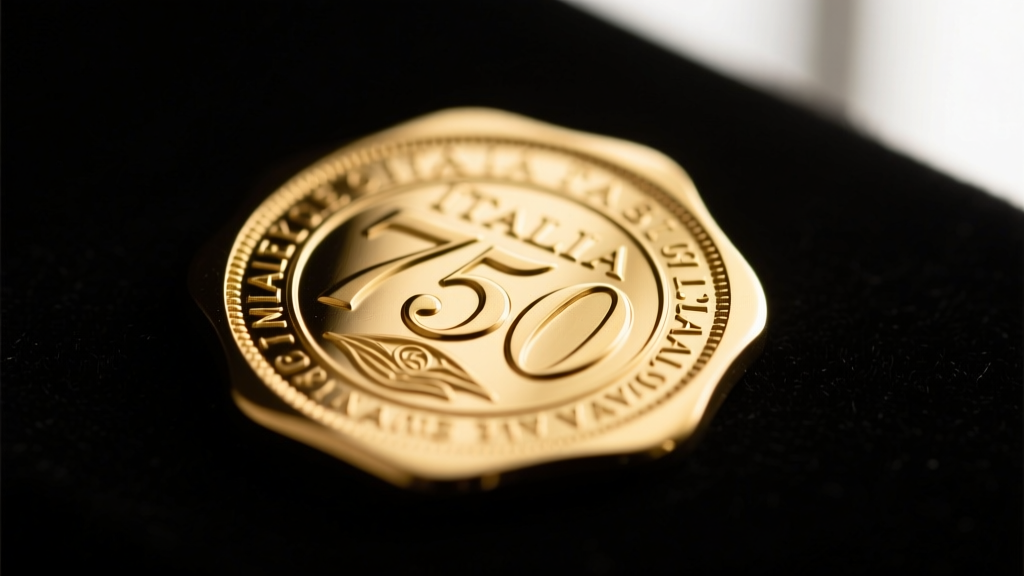
The first mark indicates the metal purity, known as the titolo. For gold, you will typically see 750 (18-karat gold, which is 75% pure) or 585 (14-karat gold, which is 58.5% pure). According to the Gemological Institute of America (GIA), 18k gold is the standard for premium Italian jewelry due to its rich color and malleability for intricate hand-carving, though 14k is frequently used for durable, everyday charms.
The second mark is the maker's mark, consisting of a number and a provincial abbreviation (e.g., '123 VI' for a manufacturer in Vicenza, or '456 AR' for Arezzo). This traceability is a cornerstone of Italian jewelry value. If a charm lacks this specific lozenge hallmark, it is either vintage (pre-1999 laws), imported, or counterfeit, which immediately diminishes its assessed value.
Material Grades and 2026 Pricing Differentials
To accurately assess the budget required for Italian charms, you must separate the melt value of the gold from the making charge (manifattura). Italian artisans price their labor based on the complexity of the design, not just the weight of the metal. Below is a comparative breakdown of typical retail pricing for authentic Italian charms in the current market.
| Charm Type & Origin | Weight | Purity | Approx. Melt Value | Making Charge | Fair Retail Price |
|---|---|---|---|---|---|
| Stamped Cornicello (Arezzo) | 1.2g | 14k (585) | $45 | $30 - $40 | $95 - $120 |
| Solid Cast Initial (Vicenza) | 2.5g | 18k (750) | $145 | $80 - $110 | $250 - $290 |
| Electroformed Animal (Arezzo) | 4.0g (Hollow) | 18k (750) | $115 (Actual Gold) | $150+ | $300 - $350 |
| Hand-Engraved Zodiac (Valenza) | 5.0g | 18k (750) | $290 | $250 - $400 | $600 - $750 |
Understanding the 'Making Charge' Premium
As highlighted by the Italian Exhibition Group, which hosts the Vicenza Oro trade show, the 'Made in Italy' premium is largely driven by the making charge. A mass-stamped charm from a large factory in Arezzo will have a low making charge, resulting in a retail price that closely tracks the spot price of gold. Conversely, a hand-finished piece from a boutique goldsmith in Valenza will carry a making charge that exceeds the value of the gold itself. When budgeting, decide whether you are buying for intrinsic metal weight or for artisan craftsmanship.
Manufacturing Techniques: Stamped vs. Cast vs. Electroformed
The manufacturing method dictates the structural integrity, weight, and ultimate value of your charm. Recognizing these techniques is vital for budget assessment.
- Die-Struck / Stamped (Tranciato): Sheets of gold are stamped under immense pressure. These charms are thin, lightweight, and highly affordable. They are excellent for budget-conscious buyers but lack the three-dimensional depth of cast pieces.
- Lost-Wax Casting (Cera Persa): The traditional method for solid, intricate charms like zodiac signs or initial letters. The charm is solid throughout, making it durable and heavy. The value here is high due to the gold weight and the labor-intensive finishing process.
- Electroforming: A modern technique popular in Arezzo where gold is electrodeposited over a wax or resin core, which is later melted or dissolved away. This creates large, voluminous charms that are surprisingly lightweight. Buyer Beware: You are paying for the technology and labor, not the gold weight. These charms are also fragile and cannot be easily resized or soldered if damaged.
- Hand-Engraving (Bulino): The pinnacle of Italian charm craftsmanship. Artisans use specialized burins to carve floral, scroll, or geometric patterns into solid gold. This adds massive value and is priced by the hour. According to data from the World Gold Council, artisanal labor premiums continue to outpace raw gold inflation, making hand-engraved charms excellent stores of artistic value.
Assessing Popular Motifs: Cornicello, Murano, and Zodiacs
Certain motifs are uniquely tied to Italian heritage, and their materials drastically affect the price point.
The Cornicello (Italian Horn)
The Cornicello is a staple of Italian jewelry, designed to ward off the evil eye. Budget buyers will often find these carved from red coral or pink opal, set in 14k gold, ranging from $80 to $150. However, high-value collectors seek out solid 18k gold Cornicellos with a matte satin finish and a diamond chip at the base, which typically retail between $350 and $600 depending on the carat weight of the diamond.
Murano Glass and Gold Foil
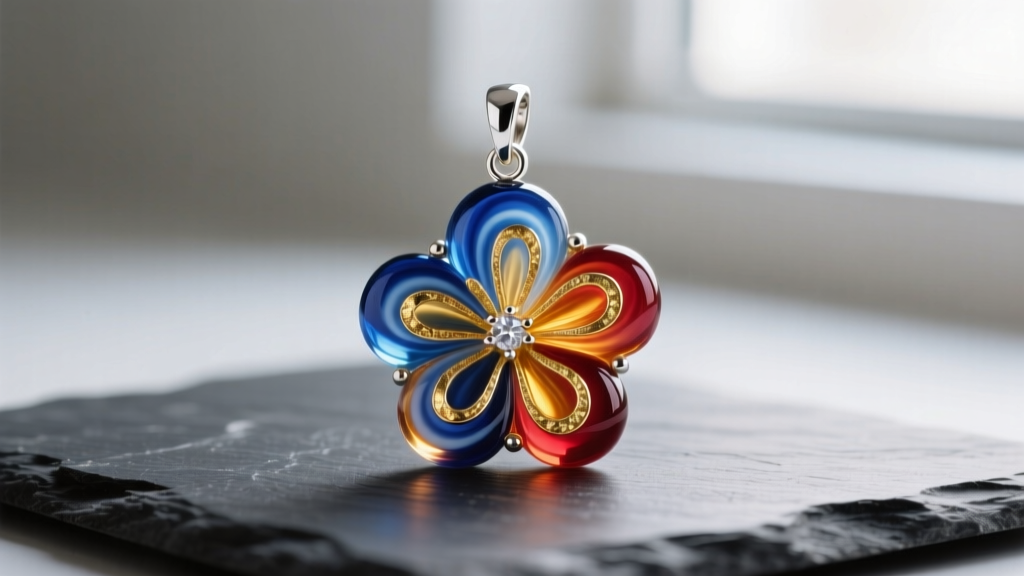
Authentic Venetian glass charms feature intricate 'millefiori' or gold foil inclusions. The value assessment here relies entirely on the provenance of the glass and the purity of the metal bail. A genuine Murano charm with a sterling silver or 14k gold bail should cost between $60 and $120. If the glass is mass-produced in Asia and merely assembled in Italy, the value drops below $30. Always look for the 'Vetro Artistico Murano' trademark etched into the glass or the metal tag.
The Value Assessment Checklist for Buyers
'Never pay solid gold prices for an electroformed hollow charm. Always ask the jeweler for the exact gram weight and the manufacturing technique before making a purchase.' - Master Goldsmith Proverb, Vicenza District.
Before purchasing any Italian necklace charm, run it through this rapid assessment checklist to ensure your budget aligns with the actual value:
- Verify the Lozenge: Use a jeweler's loupe to find the 750/585 mark and the provincial maker's mark.
- Weigh the Piece: Ask for the exact gram weight. If a large charm weighs under 2 grams, it is likely hollow or electroformed.
- Inspect the Bail: The loop that connects the charm to the chain should be seamlessly soldered. Open, unsoldered jump rings indicate lower-tier manufacturing.
- Evaluate the Finish: High-end Italian charms feature multi-tone finishes (e.g., sandblasted backgrounds with high-polish raised edges). Flat, uniform polishing is a sign of mass production.
Sourcing Without the Tourist Premium
If you are buying Italian necklace charms in tourist hubs like Rome, Florence, or Venice, expect to pay a 40% to 60% markup on the retail prices listed in our table. To maximize your budget, seek out independent oreficerie (goldsmith shops) located outside the main piazzas, or purchase directly from Italian e-commerce artisans who ship globally. By understanding the hallmarks, the regional manufacturing styles, and the true cost of labor, you can confidently invest in Italian charms that offer both enduring beauty and genuine financial value.


