Italian Necklace Horn Meaning: How to Select an Authentic Cornicello
Explore the Italian necklace horn meaning. Our guide shows how to choose, authenticate, and style a traditional cornicello pendant for protection and luck.

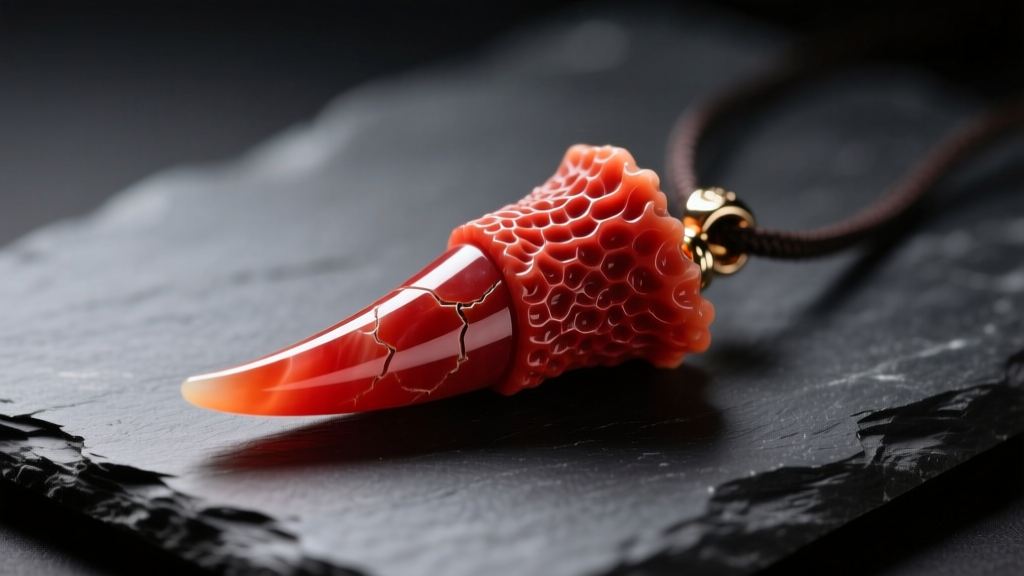
The cornicello, or Italian horn, is far more than a simple aesthetic choice; it is one of the oldest and most fiercely protected talismans in Mediterranean culture. Whether you have inherited a family piece or are looking to purchase your first amulet, understanding the true Italian necklace horn meaning is critical to wearing it with respect and authenticity. This step-by-step guide will walk you through the cultural history, material grading, authentication testing, and styling techniques required to choose and wear a genuine cornicello in 2026.
Step 1: Decode the Italian Necklace Horn Meaning and Origins
Before selecting a piece, you must understand what it represents. The Italian horn is historically tied to the Malocchio (the Evil Eye), a curse believed to be cast by a malevolent glare, usually stemming from envy. According to Encyclopedia Britannica, the belief in the Evil Eye spans thousands of years across multiple cultures, but the Italian iteration relies heavily on the horn shape to deflect it.
The Anatomy of the Cornicello
A traditional Italian horn is not shaped like a modern bull's horn. Instead, it mimics the twisted, elongated shape of a chili pepper or the horn of an African eland. This specific twisted shape is believed to represent fertility, virility, and the crescent moon, acting as a physical shield that catches and snaps the negative energy of the Malocchio before it reaches the wearer.
Step 2: Choose the Right Material Grade
The efficacy and value of your pendant depend entirely on its material. Historically, the horn was carved from specific organic and precious materials. As of 2026, market shifts and environmental regulations have changed how these materials are sourced and priced.
| Material | Traditional Significance | 2026 Market Status & Pricing | Durability (Mohs Scale) |
|---|---|---|---|
| Mediterranean Red Coral | Represents blood, life force, and ultimate protection. | Highly restricted by CITES. Vintage pieces command a 40% premium ($400–$1,200+). | 3.5 (Fragile) |
| 18k Yellow Gold | Represents the sun, wealth, and divine protection. | Widely available. Standard for high-end Neapolitan jewelers ($800–$2,500). | 2.5 - 3 (Soft) |
| Carnelian Stone | Modern alternative to coral; shares the vital red color. | Abundant and ethical. Excellent for daily wear ($50–$150). | 6.5 - 7 (Durable) |
| Sterling Silver | Represents the moon and emotional clarity. | Highly accessible. Best for minimalist, modern layering ($80–$300). | 2.5 (Soft) |
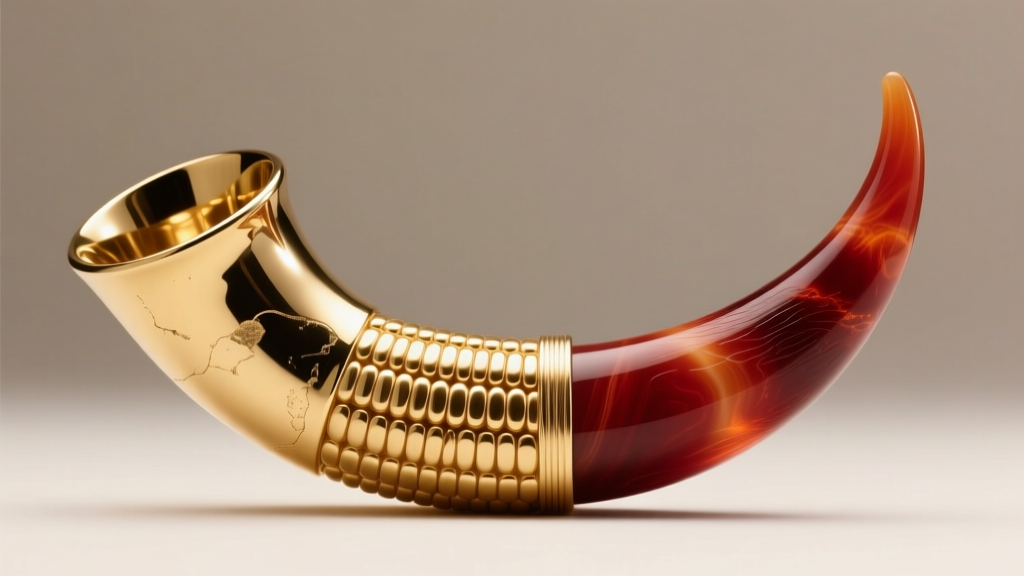
According to the Gemological Institute of America (GIA), genuine Corallium rubrum (Mediterranean red coral) is an organic gemstone that requires careful handling. Because of strict harvesting bans to protect dying coral reefs, buying newly harvested red coral is largely illegal or heavily restricted. Therefore, if you want authentic coral, you must seek out certified antique or vintage pieces, or opt for high-grade carnelian as a visually and spiritually acceptable alternative.
Step 3: Authenticate Your Coral Cornicello
If you are purchasing a vintage red coral Italian horn, you must verify its authenticity. The market is flooded with dyed howlite, plastic, and resin fakes. Follow these three non-destructive testing steps:
- The Magnification Test: Use a 10x jeweler's loupe to inspect the surface. Genuine coral will show subtle, organic wood-grain-like striations and tiny pits. Plastic and resin will appear perfectly smooth or display artificial, uniform bubbles.
- The Temperature Test: Hold the pendant against your cheek or inner wrist. Real coral and carnelian are dense and will feel distinctly cool to the touch, taking several seconds to warm up to your body temperature. Plastic or resin will feel room-temperature or warm almost instantly.
- The Acetone Swab Test: Dip a cotton swab in pure acetone (nail polish remover) and rub it gently on an inconspicuous area, such as the back of the pendant or the inside of the bail. If the swab picks up red pigment, the stone is dyed howlite or glass. Genuine Corallium rubrum color is intrinsic and will not bleed.
For a deeper dive into identifying organic gemstones, the Lang Antiques University offers extensive visual guides on historical coral carving techniques that can help you date vintage Italian pieces.
Step 4: Select the Proper Chain and Length
The cornicello is a heavy, visually striking pendant. Pairing it with a flimsy chain is both a structural risk and a stylistic error. The chain must complement the amulet's weight and cultural roots.
Recommended Chain Types
- Italian Figaro (1.5mm - 2.5mm): The most traditional choice. The 3:1 link pattern (three short links, one long link) originates from Italy and provides excellent tensile strength to support a solid gold or coral horn.
- Rope Chain (2.0mm - 3.0mm): Offers a twisted, reflective surface that mimics the spiral of the horn itself. Ideal for 18k gold pendants.
- Box Chain (1.5mm - 2.0mm): Best for a modern, minimalist look, particularly when pairing a sterling silver horn with casual streetwear.
Dialing in the Length
The horn should rest directly on the sternum to act as a 'shield' over the heart. For most men and women, an 18-inch chain places the pendant perfectly at the collarbone/sternum junction. If you are layering (see Step 5), opt for a 20-inch or 22-inch chain to allow the horn to sit below the collar line.
Step 5: How to Wear, Layer, and Gift the Horn
Wearing the Italian horn comes with strict cultural etiquette, particularly regarding how it is acquired and how it interacts with other jewelry.
The Rule of Acquisition
'Il cornicello non si compra, si regala.' (The horn is not bought, it is gifted.)
Tradition dictates that a cornicello loses its protective power if you buy it for yourself. It must be given to you as a gift by a loved one. However, if you must buy it for yourself, Neapolitan superstition requires a 'counter-payment' to trick fate: you must drop a coin into a fountain, give a coin to a stranger, or throw a pinch of salt over your left shoulder immediately after the purchase to 'buy' the luck back.
Layering the Cornicello
In 2026, layered necklace stacks are a dominant trend, and the Italian horn serves as an excellent anchor piece. To layer correctly without diluting the amulet's visual power:
- The Inner Layer (16-18 inches): Use a simple, unadorned chain or a small, subtle pendant like a minimalist cross or a plain gold disc.
- The Anchor Layer (20-22 inches): Your Italian horn on a heavier Figaro or Rope chain.
- The Complementary Layer (24 inches): Pair the horn with a San Benedetto (Saint Benedict) medal or a traditional blue glass Evil Eye (Malocchio charm). The combination of the horn (to snap the envy) and the Evil Eye (to reflect the glare) creates a culturally authentic 'double-shield' stack.

What to Do if the Horn Breaks
If your coral or stone horn snaps or chips while you are wearing it, do not panic, and do not attempt to glue it back together. In Italian folklore, a broken cornicello means it has successfully absorbed a massive hit of negative energy or a severe curse meant for you. Its job is done. You must respectfully dispose of the broken pieces (traditionally by returning them to the earth or burying them in a garden) and acquire a new one, following the gifting rules outlined above.
Final Thoughts on the Cornicello
Understanding the Italian necklace horn meaning elevates the piece from a simple souvenir to a profound cultural artifact. By carefully selecting ethically sourced or vintage materials, rigorously testing for authenticity, and respecting the traditional rules of wearing and gifting, you ensure that your cornicello provides both impeccable style and centuries-old protection.


