2026 Guide: How Do You Make a Beaded Necklace Look High-End?
Discover how do you make a beaded necklace that rivals fine jewelry. Explore 2026 trends, premium stringing materials, and expert finishing techniques.

The 2026 Renaissance of Artisan Beaded Jewelry
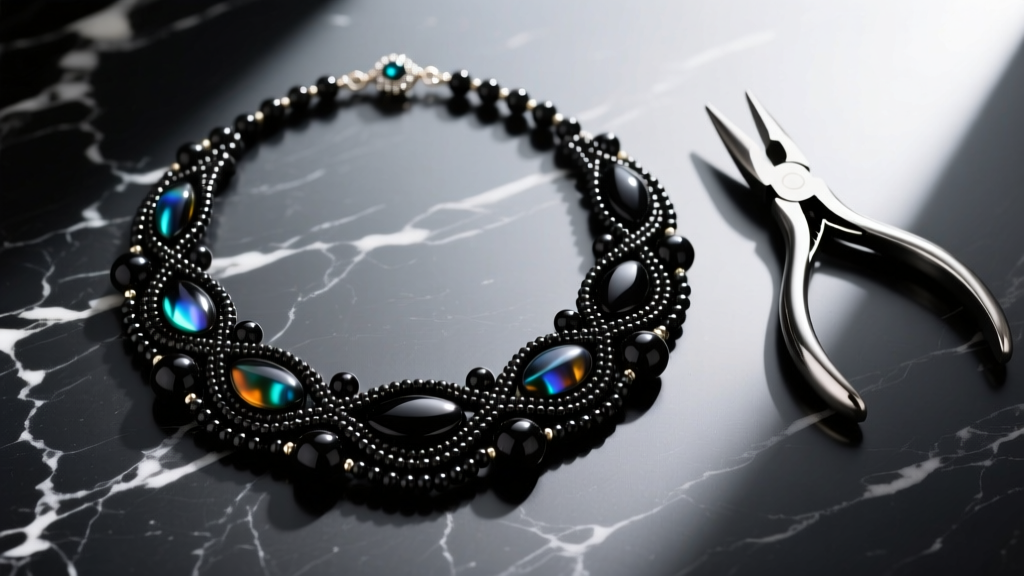
The landscape of handcrafted jewelry has shifted dramatically. In 2026, the question is no longer just how do you make a beaded necklace, but rather how do you engineer one that rivals the drape, durability, and aesthetic of fine luxury jewelry. The era of stiff, plastic-looking craft beads and bulky, poorly finished crimps is over. Today’s style radar highlights a massive consumer pivot toward "quiet luxury" artisanal pieces—necklaces that utilize semi-precious stones, high-refraction glass, and micro-fused stringing technologies. According to industry sourcing data from Fire Mountain Gems, demand for premium Czech fire-polished beads and precision-cut crystal alternatives has surged as designers seek to bridge the gap between DIY craftsmanship and high-end retail pricing.
Creating a luxury-tier beaded necklace requires abandoning basic nylon threads and embracing the material science of modern jewelry making. This guide breaks down the exact specifications, material grades, and finishing techniques required to elevate your beaded designs from craft-fair staples to boutique-ready investments.
Sourcing High-Caliber Beads and Components
The foundation of any high-end necklace lies in the optical clarity and physical consistency of the beads. Cheap acrylic or low-grade glass will immediately betray a piece's origin. To achieve a luxury aesthetic, focus on these specific material grades:
- Czech Fire-Polished Glass: Known for their faceted cuts and polished finishes, these beads catch light similarly to leaded crystal but at a fraction of the cost. Opt for 4mm to 6mm sizes for a sophisticated, delicate drape.
- Preciosa Crystal Components: As the premier alternative to Swarovski, Preciosa offers machine-cut crystal beads with exceptional light refraction. Their bicone and rondelle shapes are essential for adding high-end sparkle.
- Matte Semi-Precious Stones: In 2026, high-contrast textures are trending. Pairing glossy Czech glass with matte-finished onyx, frosted aquamarine, or unpolished lapis lazuli creates a tactile, artisanal depth that mass-produced jewelry lacks.
- Miyuki Delica Spacers: Never use generic seed beads for spacing. Miyuki Delicas are precision-milled Japanese glass cylinders that lock together seamlessly, providing a flawless, uniform metallic or opaque break between primary stones.
The Engineering of Drape: Selecting Stringing Materials
When asking how do you make a beaded necklace that moves like liquid metal, the answer lies in the stringing material. The drape of a necklace is dictated by the flexibility and tensile strength of its core. According to the engineering specifications provided by the Soft Flex Company, professional designers rely almost exclusively on 49-strand micro-fused stainless steel wire coated in nylon.
Wire Gauge Selection Framework
Choosing the wrong diameter will result in either a stiff, unwearable collar or a fragile piece prone to snapping. Use this framework to select your wire:
- .013" to .015" (Fine): Best for lightweight seed beads, freshwater pearls with small drill holes, and delicate illusion necklaces. Yields a highly flexible, thread-like drape.
- .018" (Medium - The Industry Standard): The workhorse for 80% of luxury beaded designs. Perfect for 4mm-8mm glass, crystal, and semi-precious stones. It offers the ideal balance of tensile strength and supple drape.
- .024" (Heavy): Reserved for large, heavy gemstones, chunky artisan lampwork beads, or pieces with high abrasion risk (like turquoise or unpolished jasper) that might saw through thinner wires over time.
The Anatomy of a Professional Finish
The true mark of a luxury beaded necklace is invisible or flawlessly executed hardware. Smashed, flattened crimps are the hallmark of amateur work. In 2026, high-end finishing requires seamless tubes, wire guardians, and mechanical clasps that integrate into the design.
| Component | Specification | Luxury Application |
|---|---|---|
| Crimp Tubes | 2x2mm Seamless Sterling or 14k Gold-Filled | Must be folded and rounded using a micro-crimper tool, never smashed flat with chain-nose pliers. |
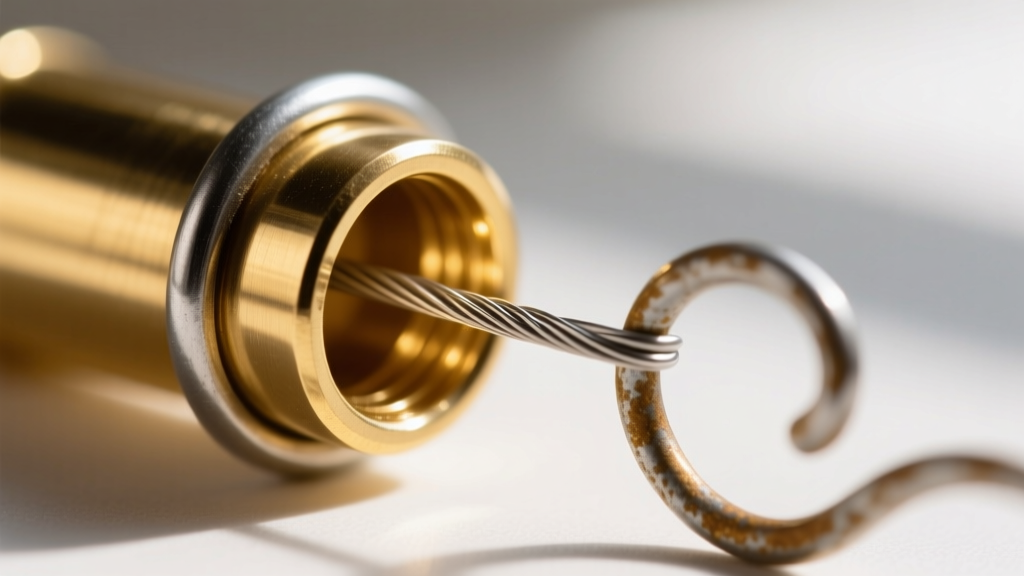
| Wire Guardians | French Wire / Bullion (1.2mm interior diameter) | Protects the steel wire from metal-on-metal friction at the clasp jump ring, preventing catastrophic failure. |
| Clasps | Magnetic Tube or Heavyweight Toggle | Magnetic clasps offer seamless aesthetics; toggles add a mechanical, industrial-chic focal point to the nape. |
| Crimp Covers | 3mm or 4mm Clamshell Metal Covers | Snaps over the rounded crimp and is squeezed shut, mimicking a perfectly round metal bead. |

Execution: How Do You Make a Beaded Necklace Step-by-Step?
To construct a boutique-grade piece, precision and tension management are critical. Follow this exact sequence to ensure your necklace hangs perfectly without gaps or stiffness.
- Prep the Wire: Cut a length of .018" 49-strand wire exactly 4 inches longer than your desired finished length. This allows ample room for finishing both ends.
- Secure the First End: Thread on a 2x2mm crimp tube and a wire guardian. Pass the wire back through the crimp tube, leaving a 1.5-inch tail. Use a micro-crimper tool to fold and round the crimp securely.
- String the Design: Begin threading your beads. Pro-Tip: Every 4 inches, lift the wire and let the beads slide down. This prevents the wire from being strung too tightly, which causes the necklace to stiffen and kink when worn.
- Integrate Spacers: Use Miyuki Delicas between larger focal beads to protect their drill holes from grinding against one another, a technique heavily emphasized in gemological preservation guides by the GIA (Gemological Institute of America).
- Tension and Finish: Once the pattern is complete, thread the second crimp tube and wire guardian. Pull the tail wire taut using chain-nose pliers to remove all slack, but do not stretch the wire itself. Crimp, trim the excess tail flush with the bead hole using flush cutters, and apply a crimp cover.
2026 Styling: Integrating Beaded Pieces into Modern Wardrobes
The way we style beaded jewelry has evolved past the single-strand, collarbone-length standard. The 2026 trend radar emphasizes "curated imperfection" and strategic layering. A high-end beaded necklace is no longer just a standalone accessory; it is an anchor piece in a mixed-metal, mixed-texture stack.
For a contemporary look, pair a matte onyx and Czech glass beaded choker (15-16 inches) with a 20-inch delicate 14k gold-filled satellite chain and a 24-inch heavy paperclip link necklace. The contrast between the organic, light-absorbing matte beads and the high-shine metallic chains creates a sophisticated, editorial silhouette. When wearing high-necklines or structured blazers, opt for longer, opera-length beaded ropes (30+ inches) finished with a silk tassel or a geometric metal pendant, allowing the beads to elongate the torso and draw the eye downward. By mastering these advanced material selections and finishing techniques, you transform the simple act of stringing beads into the creation of heirloom-quality, trend-defining luxury jewelry.


