Is an Aquamarine Gold Necklace Worth It? 2026 Value Guide
Discover the true market value of an aquamarine gold necklace in 2026. Learn pricing tiers, gold purity impacts, and how to avoid retail markups.

The Anatomy of an Aquamarine Gold Necklace Price Tag
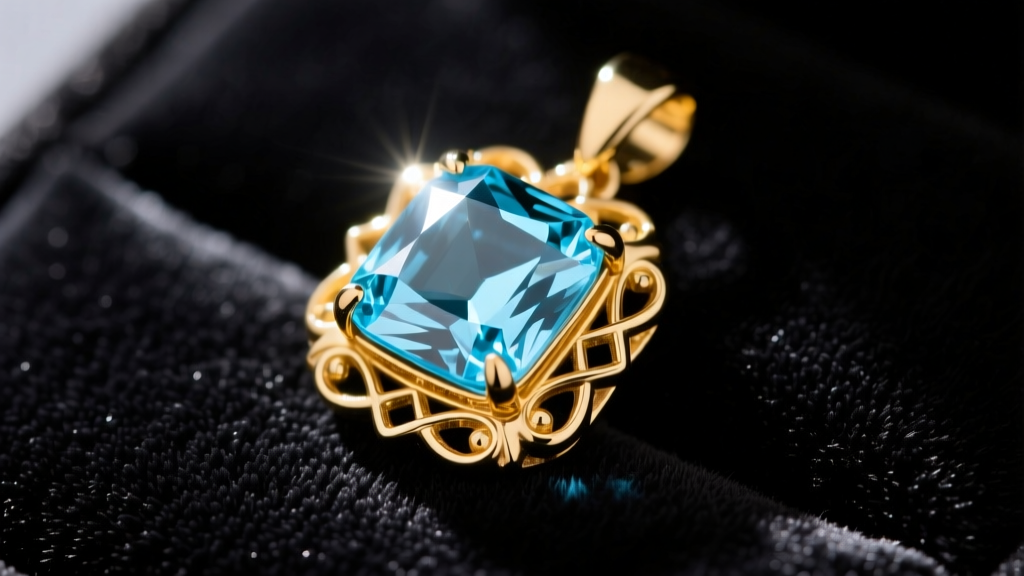
When evaluating an aquamarine gold necklace, buyers are often confronted with staggering price disparities. A delicate pendant might retail for $350, while a seemingly similar piece commands $3,500. As we navigate the 2026 jewelry market, understanding the true value of these pieces requires separating the gemological worth of the aquamarine from the intrinsic and fabrication value of the gold setting. Aquamarine, a stunning blue variety of the mineral beryl, ranks at 7.5 to 8 on the Mohs hardness scale, making it an exceptionally durable choice for daily-wear necklaces. However, its durability does not inherently dictate its price. To assess whether a specific necklace is a sound investment or a heavily marked-up retail trap, we must deconstruct its two primary cost drivers: the gemstone's quality tier and the gold's purity and weight.
Aquamarine Quality Factors and 2026 Pricing Tiers
Unlike diamonds, which are heavily standardized, colored gemstones rely on nuanced color grading. According to the Gemological Institute of America (GIA), the most critical value factor for aquamarine is its color saturation. The vast majority of commercial aquamarines are pale, almost icy blue, and are relatively abundant. The real value lies in deeply saturated, medium-dark blue stones, historically referred to as 'Santa Maria' aquamarines, named after the famous Brazilian mine.
Below is a breakdown of what you should expect to pay for the gemstone component alone (based on a standard 2.00 to 3.00-carat emerald or oval cut) in the current market:
| Quality Tier | Color Description | Clarity Expectation | Estimated Price Per Carat (2026) |
|---|---|---|---|
| Commercial | Pale, icy blue with slight green/yellow tints | Eye-clean to slightly included | $15 - $45 |
| Fine | Medium light blue, good saturation | Eye-clean (Type I Gemstone standard) | $60 - $130 |
| Extra Fine (Santa Maria) | Deep, vivid blue to slightly greenish-blue | Loupe-clean, exceptional brilliance | $180 - $350+ |
If a retailer is charging $2,500 for a necklace featuring a pale, 2-carat commercial-grade aquamarine, you are paying a massive brand premium rather than intrinsic gemstone value. Always demand a detailed description of the color saturation before purchasing high-ticket aquamarine jewelry.
The Gold Component: Purity, Weight, and Fabrication
The second half of the value equation is the gold chain and setting. In 2026, gold spot prices remain a significant factor in jewelry pricing, but the 'retail markup' on gold fabrication is where consumers lose the most money. An aquamarine gold necklace is typically crafted in either 14k (58.5% pure gold) or 18k (75% pure gold).
Calculating the Melt vs. Retail Value
A standard 16-inch, 1.5mm cable chain in 14k gold weighs approximately 2.2 grams. With raw gold prices fluctuating, the pure melt value of that chain might be around $85 to $100. However, retail jewelers often price this basic chain at $350 to $500. To find true value, look for chains that offer structural integrity without excessive markup. For pendants weighing over 3 carats, a 14k gold chain is actually preferable to 18k. 14k gold is alloyed with metals like copper and zinc, giving it superior tensile strength to support heavier beryl stones without stretching or breaking at the clasp.
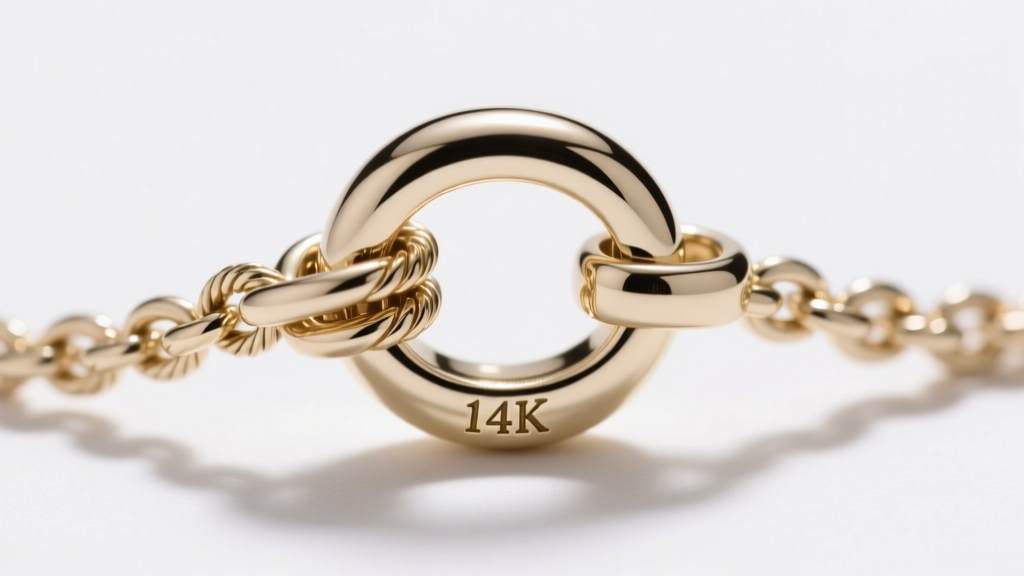
Always inspect the bail (the loop connecting the pendant to the chain). A high-value necklace will feature a solid, soldered bail rather than a thin, stamped sheet-metal loop that can easily wear through from the friction of the gold chain over time.
Treatments, Synthetics, and Imitations
Budget assessment also requires verifying that you are actually buying natural aquamarine. The Federal Trade Commission (FTC) Jewelry Guides mandate that sellers disclose treatments that significantly affect a gem's value. Virtually all natural aquamarine on the market is heat-treated to around 400°C to remove greenish undertones, resulting in the stable, pure blue color consumers desire. This treatment is permanent, universally accepted, and does not negatively impact the stone's value.
However, you must be wary of imitations. The most common substitute is Swiss or London Blue Topaz. While beautiful, blue topaz is significantly more abundant and cheaper than aquamarine. Topaz has a higher refractive index (1.61-1.64) compared to aquamarine (1.57-1.58) and a noticeably higher specific gravity (3.53 vs. 2.72), meaning a topaz stone will feel distinctly heavier in the hand than an aquamarine of the exact same millimeter dimensions. Furthermore, synthetic hydrothermal aquamarine exists, though it is less common than synthetic emerald. If a stone is completely flawless under 10x magnification and priced suspiciously low, request a report from a reputable lab like GIA or AGS.
Retail Markups vs. Bespoke Value
Where you buy your aquamarine gold necklace drastically alters its value proposition. Large mall-based jewelers typically operate on a 'keystone' or triple-keystone markup model. A necklace that cost the corporation $400 to manufacture may be retailed for $1,200 to $1,800 to cover overhead, marketing, and mall leasing costs.
Conversely, purchasing from a bespoke jeweler or a direct-to-consumer lapidary often yields a higher quality gemstone for the same price. Independent jewelers can source specific Santa Maria aquamarines and cast custom 18k gold settings, often keeping the total price under $1,500 by eliminating the middleman and retail real estate markups. When assessing value, a bespoke piece with a verifiable gold weight and a GIA-graded center stone will always retain more resale and appraisal value than a mass-produced commercial piece.
Final Assessment Checklist for Buyers
Before finalizing your purchase, run the necklace through this expert value-assessment checklist:
- Verify the Hallmark: Ensure the clasp is stamped with 14k, 18k, or 750, and check for a maker's mark.
- Assess the Color: Compare the stone against a white background. If it looks mostly like clear glass with a hint of blue, it is commercial grade and should be priced accordingly.
- Check the Prongs or Bezel: Aquamarine is durable but can chip if struck. A bezel setting offers superior protection and indicates higher craftsmanship than thin, mass-cast prongs.
- Calculate Gold Weight: Ask the jeweler for the exact gram weight of the gold. If they cannot provide it, walk away.
- Request Treatment Disclosure: Ensure the receipt explicitly states 'Natural Aquamarine, Heat-Treated' rather than vague terms like 'Blue Gemstone'.
By applying these strict gemological and metallurgical metrics, you can confidently navigate the 2026 market, ensuring that the aquamarine gold necklace you choose is a genuine reflection of both artistry and intrinsic material value.


