Jade Necklace Meaning: A Symbolic Gift Guide for Loved Ones
Discover the deep jade necklace meaning and learn how to choose the perfect jadeite or nephrite pendant for graduations, weddings, and new beginnings.

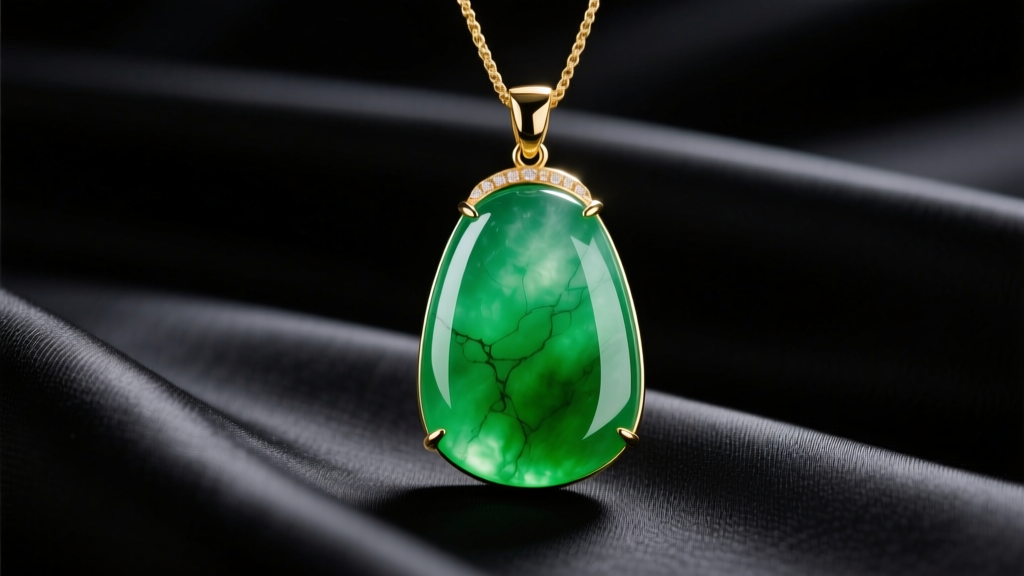
Gifting jewelry is an intimate act, but gifting jade is a profound transmission of culture, protection, and well-wishes. Unlike diamonds, which are valued primarily for their optical brilliance, jade is prized for its depth, texture, and ancient symbolism. If you are researching the jade necklace meaning to find a thoughtful gift for a loved one, you are stepping into a gemological world that bridges East and West, antiquity and modern luxury.
As we navigate the 2026 fine jewelry market, the demand for certified, untreated jadeite has surged, driven by a renewed appreciation for heritage stones and mindful gifting. This comprehensive guide will decode the cultural significance of jade, break down the gemological realities of jadeite versus nephrite, and provide a structured framework for matching the perfect jade necklace to life’s most pivotal occasions.
Decoding the Jade Necklace Meaning Across Cultures
To give jade is to give a talisman. The jade necklace meaning shifts subtly depending on the cultural lens through which it is viewed, but the core themes of protection, purity, and prosperity remain universal.
The Chinese Tradition: Yu and the Heavens
In Chinese culture, jade (yu) is historically valued above gold. Confucius famously associated jade with eleven virtues, including benevolence, justice, and truth. A jade pendant, particularly a Ping An Kou (safety buckle) or a Bi disc, is traditionally gifted to ward off negative energy and protect the wearer’s physical health. According to the Gemological Institute of America (GIA), jade has been carved in China for over 5,000 years, originally used for ritualistic objects before transitioning into personal adornment.
Mesoamerican Heritage: The Breath of Life
Long before European contact, the Maya and Aztec civilizations prized jadeite more highly than any other material. It was associated with water, maize, and the breath of life. Gifting a jade necklace in this context symbolizes vitality, agricultural abundance, and a deep connection to the earth.
Modern Crystal Healing and Mindfulness
In contemporary wellness circles, jade is revered as a stone of emotional balance. Green jade is linked to the heart chakra, promoting empathy and emotional release, while lavender jade is associated with spiritual grounding. For a friend navigating a stressful life transition, a jade necklace serves as a tactile, cooling reminder to stay centered.
Jadeite vs. Nephrite: What You Are Actually Gifting
A common failure mode for novice buyers is assuming all 'jade' is the same. In gemology, 'jade' is an umbrella term for two distinct metamorphic rocks: Jadeite and Nephrite. Understanding the difference is critical for pricing and gifting expectations.
Gemological Breakdown
- Jadeite (NaAlSi2O6): The rarer, more valuable variety. It boasts a higher specific gravity (3.30–3.38) and a refractive index of approximately 1.66. Jadeite takes a superior polish, resulting in a glassy, highly reflective luster. The most prized color is 'Imperial Green'.
- Nephrite (Ca2(Mg,Fe)5Si8O22(OH)2): More common and historically significant in regions like New Zealand (Maori pounamu) and Canada. It has a lower specific gravity (2.90–3.03) and a slightly greasy, matte luster. Nephrite is incredibly tough due to its interlocking fibrous structure, making it ideal for intricate, heavy carvings like dragons or koi fish.
The Treatment Spectrum: Type A, B, and C
When buying a jade necklace as a meaningful gift, you must understand treatment grades. Gifting treated jade without disclosure is a major faux pas in the gemological community.
- Type A (Untreated): Completely natural, only polished with traditional plum juice or wax. This is the only grade appropriate for a significant, heirloom-level gift.
- Type B (Bleached & Polymer-Impregnated): Acid-washed to remove brown impurities, then filled with polymer resin. Over time (usually 3–5 years), the polymer degrades, turning the jade yellow and brittle.
- Type C (Dyed): Artificially colored. The dye fades rapidly under UV light and heat.
For a deep dive into the mineralogy of these stones, the Mindat mineral database provides extensive crystallographic data on jadeite and its pyroxene group origins.
Occasion Matching: The Jade Gift Matrix
Because the jade necklace meaning is so heavily tied to intention, matching the color and carving to the recipient's current life stage elevates the gift from beautiful to deeply personal.
| Occasion | Recommended Jade Color | Symbolic Intent | Ideal Necklace Style |
|---|---|---|---|
| Graduation / New Career | Vivid Green (Jadeite) | Growth, prosperity, and ambition | 18' Princess chain with a geometric cabochon |
| Wedding / Anniversary | Translucent White ('Ice' Jade) | Purity, enduring love, and clarity | 16' Choker or delicate 18' chain with a Bi-disc |
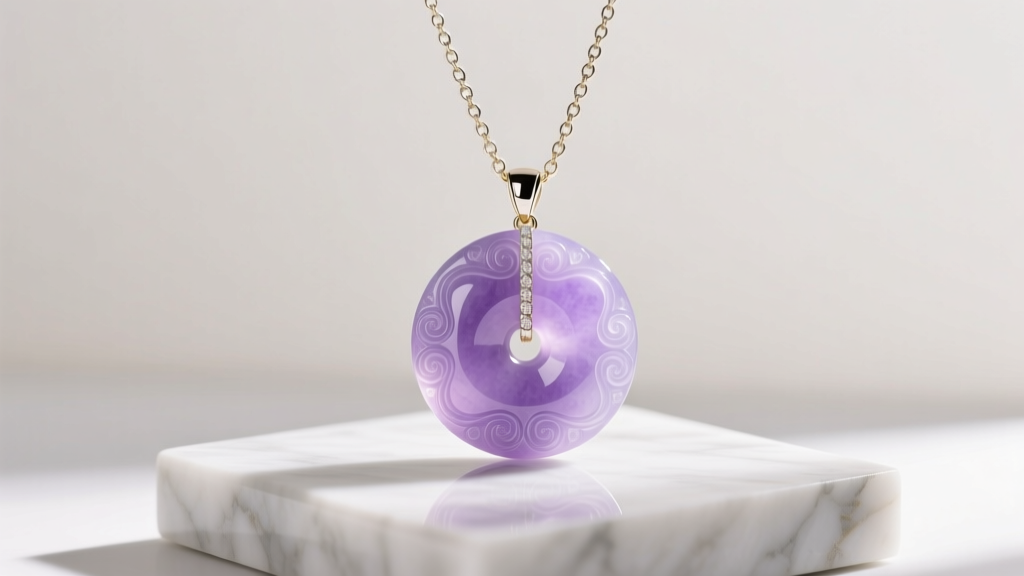
| Healing / Recovery | Lavender / Lilac Jadeite | Spiritual peace, emotional soothing | 24' Matinee length on a silk cord for grounding |
| New Business / Startup | Deep Spinach Green (Nephrite) | Stability, wealth retention, protection | Heavy 20' rope chain with a carved Pi Xiu |
| Motherhood / Baby Shower | Soft Apple Green (Jadeite) | Nurturing, safety, and gentle growth | Adjustable knotted cord with a safety buckle |
Selecting the Right Chain and Length for Jade Pendants
Jade is dense. A solid nephrite carving can easily weigh between 15 and 30 grams, which will snap a delicate 0.8mm cable chain. Selecting the correct chain gauge and material is a matter of both engineering and aesthetics.
Chain Gauges and Materials
- For Heavy Nephrite Carvings (15g+): Use a 1.5mm to 2.0mm 18k yellow gold rope chain or a braided silk cord. The rope chain’s interlocking links distribute weight evenly, preventing stress fractures at the clasp.
- For Jadeite Cabochons (Under 10g): A 1.0mm to 1.2mm Omega chain or a delicate box chain in 14k or 18k white gold works beautifully, especially with cooler jade colors like lavender or icy white.
- The Traditional Silk Cord: Hand-knotted silk or nylon cords are not just traditional; they are highly practical. They do not tarnish, they are gentle on the stone's drill hole, and the adjustable macramé closures fit any neckline without the need for a fragile metal clasp.
Length and Neckline Pairing
An 18-inch (Princess) length is the most versatile, resting perfectly on the collarbone and pairing well with V-necks and scoop necks. For high-neck blouses or traditional mandarin collars, opt for a 24-inch (Matinee) length so the jade pendant rests below the fabric line, allowing its translucency to catch the light.
Authentication and Pricing Realities in 2026
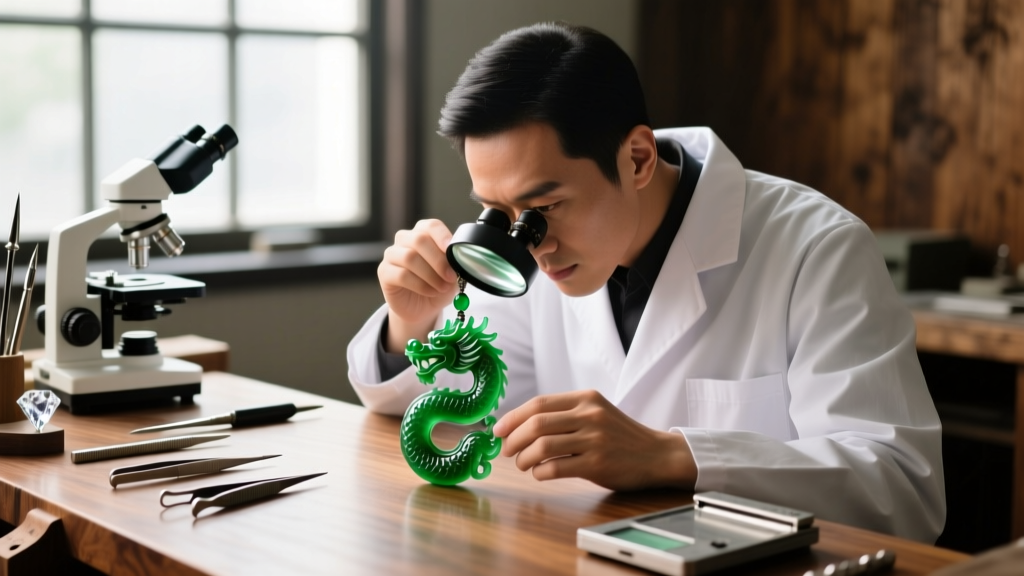
The jade market is notoriously opaque, and counterfeit materials—ranging from dyed quartzite to glass-filled composites—are rampant. When gifting jade, always prioritize certified stones.
Real-World Pricing Tiers
Understanding the financial commitment helps set expectations. Prices below reflect the 2026 market for certified, Type A stones of average pendant size (approx. 20mm x 15mm):
- Imperial Green Jadeite: $10,000 to $100,000+. Highly translucent, emerald-like color. Rarely given as a casual gift; reserved for milestone anniversaries or heirloom transfers.
- Lavender / 'Ice' Jadeite: $1,500 to $8,000. Highly sought after by younger demographics for their modern, ethereal aesthetic.
- Commercial Green Jadeite: $300 to $1,200. Opaque with mottled green and white patterns. Excellent for everyday wear and meaningful, budget-conscious gifting.
- Canadian / Hetian Nephrite: $100 to $800. Valued more for the intricacy of the carving than the raw material cost. Ideal for heavy, symbolic talismans.
The Buyer's Troubleshooting Checklist
Before purchasing, perform these checks to avoid common failure modes in the retail market:
- Demand a Lab Report: Accept only reports from GIA, NGTC (National Gemstone Testing Center of China), or SSEF. A store-branded 'certificate of authenticity' is worthless.
- The Thermal Test: Real jade is highly thermally conductive. It should feel distinctly cold to the touch and take several seconds to warm up in your hand. Glass and plastic fakes warm up almost instantly.
- Inspect the Drill Hole: Under a 10x loupe, the edges of a drill hole in natural jade should be sharp and clean. If the edges look rounded, melted, or show a concentration of dye, you are looking at a polymer-filled (Type B) or dyed (Type C) stone.
Final Presentation: Honoring the Stone
Because the jade necklace meaning is so deeply rooted in ritual, the presentation matters. Avoid standard velvet clamshells. Instead, present the necklace in a wooden box lined with raw silk, accompanied by a handwritten note explaining the specific symbolism of the carving you chose. If you are gifting a Pi Xiu (mythical beast), explain its role in guarding wealth. If it is a Bamboo carving, mention its representation of resilience and steady growth.
By combining gemological rigor with cultural empathy, you transform a simple jewelry purchase into the gifting of a protective, beautiful legacy that the recipient will carry for a lifetime.


