The Ultimate 2026 Gift Guide: Choosing a Jade with Gold Necklace
Discover the perfect jade with gold necklace for every occasion in our 2026 gift guide. Learn about jade grades, gold karats, and styling tips.

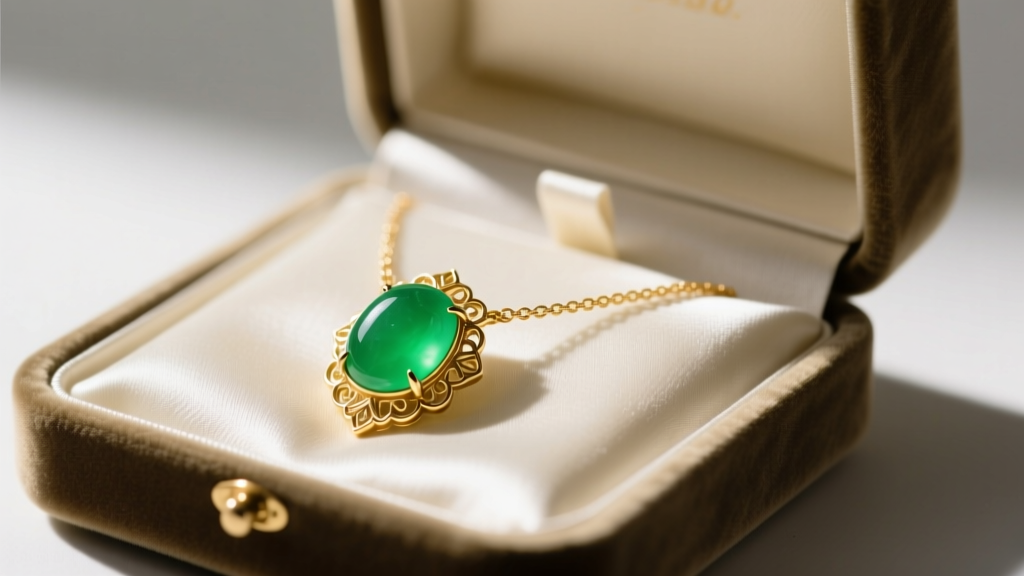
Why a Jade with Gold Necklace is the Ultimate 2026 Gift
In the landscape of fine jewelry gifting, the shift toward "quiet luxury" and heritage gemstones has firmly established jade as a premier choice for 2026. While diamonds and sapphires often dominate traditional gift guides, a jade with gold necklace offers a profound blend of cultural significance, geological rarity, and understated elegance. Whether you are celebrating a milestone anniversary, a graduation, or a major cultural holiday, gifting jade communicates a message of protection, harmony, and enduring love.
However, navigating the jade market requires a specialized gemological vocabulary. Unlike the standardized 4Cs of diamonds, jade valuation relies on translucency, texture, color saturation, and crucially, its treatment status. This comprehensive guide will equip you with the exact specifications, pricing frameworks, and styling insights needed to select a flawless jade and gold necklace for your recipient.
Decoding Jade: The ABCs of Gemological Grading
Before evaluating the gold setting, you must authenticate the stone. According to the Gemological Institute of America (GIA), the jade market is strictly categorized into three treatment types. Gifting anything less than Type A for a fine jewelry milestone is highly discouraged, as treated jade lacks long-term stability and intrinsic value.
The Treatment Classifications
- Type A (Untreated): 100% natural jadeite or nephrite. It may be polished with a traditional, mild plum wax, but its internal crystalline structure is entirely unaltered. This is the only grade suitable for investment-level gifting.
- Type B (Bleached and Polymer-Impregnated): Acid-washed to remove brown or yellow impurities, then injected with polymer resin to improve translucency. Over time, the resin yellows and degrades, making the stone brittle.
- Type C (Dyed): Artificially colored. The dye concentrates along the grain boundaries and will fade when exposed to sunlight and heat.
Jadeite vs. Nephrite: Choosing the Right Species
Jade is an umbrella term for two distinct metamorphic rocks. Jadeite (sodium aluminum silicate) is the rarer, harder, and more translucent variety, famous for "Imperial Green" and "Lavender" hues. Nephrite (calcium magnesium iron silicate) is tougher, more opaque, and typically found in deep spinach greens, creamy whites (Hetian jade), and deep blacks. For high-end gold necklace pendants, gem-quality jadeite is generally preferred for its glass-like luster, while nephrite is prized for its rich, historical carving traditions.
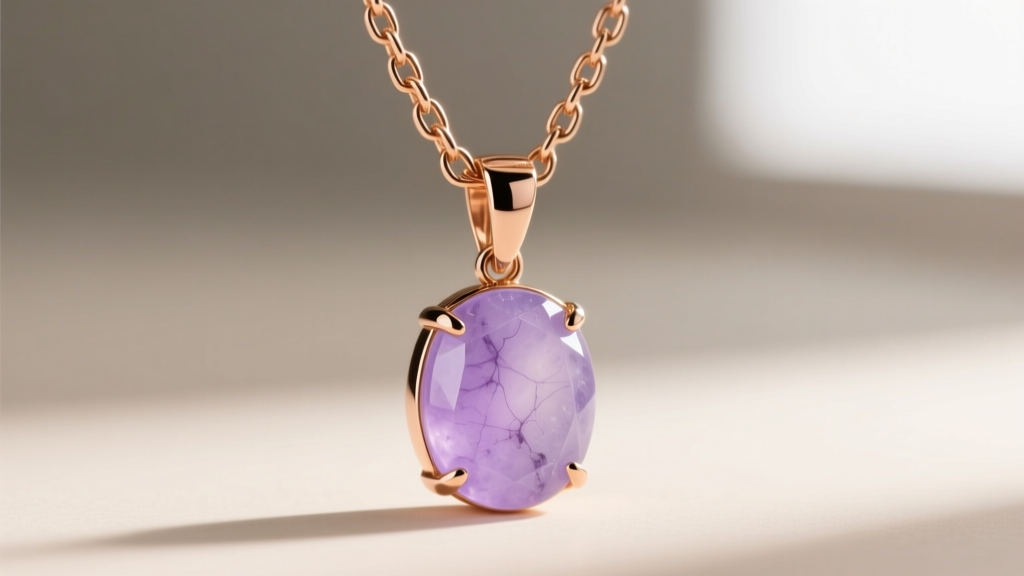
Matching the Gold: Karat Weights and Chain Engineering
The metalwork supporting your jade pendant is just as critical as the stone itself. Because jade is incredibly tough (due to its interlocking fibrous structure) but possesses a moderate Mohs hardness of 6.5 to 7, the setting must protect the stone's edges from chipping while resisting scratches.
Gold Karat Selection
- 18K Yellow Gold (75% Pure): The industry standard for high-end jadeite. The rich, warm undertones of 18K yellow gold amplify the vibrant greens and soft lavenders of the stone. It offers an ideal balance of luxury and structural durability for prong or partial-bezel settings.
- 14K White Gold (Rhodium Plated): The premier choice for "Icy" or colorless jadeite. The cool, silvery hue of white gold complements the glass-like transparency of colorless stones without casting unwanted color reflections into the gem.
- 24K Pure Gold: Frequently used in traditional East Asian jewelry. Because 24K gold is too soft for prongs, it is typically utilized in heavy, intricate wire-wrapping or solid bezel settings for nephrite carvings.
Chain Styles for Jade Pendants
Jade cabochons and carvings carry significant physical weight. Delicate chains will snap under the pendulum effect of a heavy jade pendant. For pendants weighing over 10 grams, opt for a box chain or a wheat chain in 1.2mm to 1.5mm thickness. These structural chains distribute weight evenly and resist kinking.
Occasion Matching: When to Gift Jade and Gold
Matching the specific hue and style of the jade to the occasion elevates the emotional resonance of the gift. Below is a strategic framework for 2026 gifting scenarios, complete with estimated market pricing for certified Type A stones set in 18K gold.
| Occasion | Recommended Jade Color & Type | Ideal Gold Setting | Estimated Budget (Type A) |
|---|---|---|---|
| 12th or 35th Anniversary | Imperial Green Jadeite (High Saturation) | 18K Yellow Gold Halo | $8,000 - $25,000+ |
| Milestone Birthday (30th/40th) | Lavender or "Icy" Colorless Jadeite | 18K White Gold Bezel | $2,500 - $7,500 |
| Lunar New Year / Cultural Gift | Spinach Green Nephrite Carving (e.g., Pi Xiu) | 24K Gold Wire-Wrap or Cord | $600 - $2,000 |
| Graduation / New Beginnings | Apple Green or White "Mutton Fat" Nephrite | 14K Rose Gold Cable Chain | $800 - $2,500 |
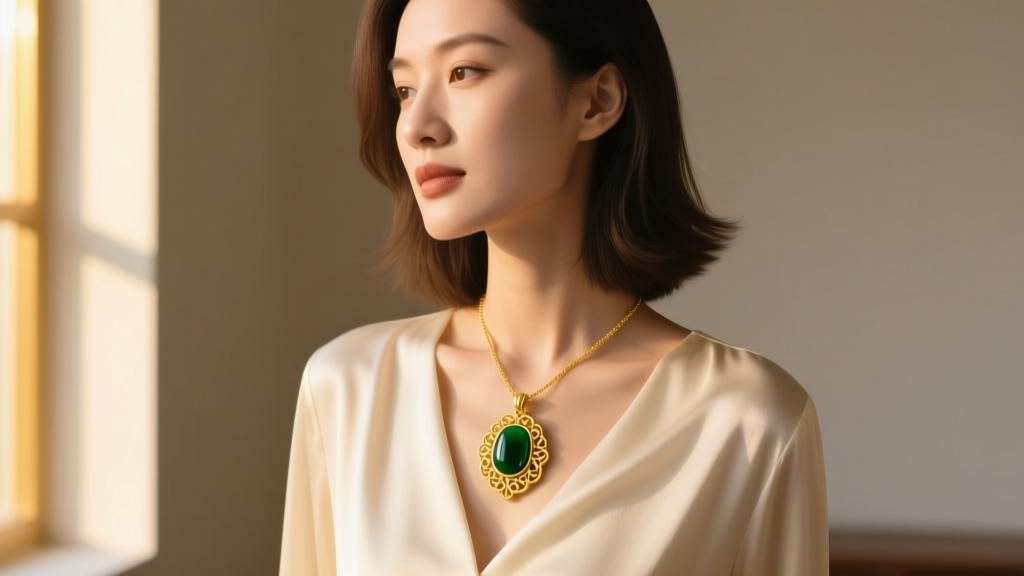
Authentication and Certification: Protecting Your Investment
Never purchase a fine jade with gold necklace without independent laboratory certification. The market is saturated with sophisticated Type B and Type C imitations that can easily fool the naked eye. When reviewing a gemological report, look for specific terminology.
According to Jewelers of America, reputable labs will explicitly state "Natural Jadeite" or "Natural Nephrite" for Type A stones. If the report includes phrases like "polymer impregnated," "dyed," or "treated," you are looking at a Type B or C stone. For top-tier purchases, insist on reports from the GIA, Gübelin, or the National Gemological Training Centre of China (NGTC), which are the global authorities on jadeite spectroscopy.
The Acoustic Resonance Test
While not a substitute for a lab report, the "ping test" is a traditional method used by jade experts to identify Type A jadeite. When gently tapped with a metal rod or another piece of jade, untreated Type A jadeite emits a clear, high-pitched, resonant chime that sustains for several seconds. Type B jade, due to its polymer resin filler, produces a dull, muted thud. This acoustic difference is a result of the resin disrupting the stone's natural interlocking crystalline matrix.
Care and Maintenance for Jade and Gold
To ensure the necklace remains a lifelong heirloom, the recipient must understand the specific care requirements of this material pairing. Jade is highly sensitive to sudden thermal shock and harsh chemicals.
- Avoid Ultrasonic Cleaners: Never place jade in an ultrasonic cleaner. The high-frequency vibrations can exploit natural microscopic fissures within the stone, causing it to fracture internally.
- Steer Clear of Steam: Steam cleaning can strip the traditional wax polish from Type A jade and severely damage the polymer in Type B stones.
- The Safe Cleaning Method: Use a soft, lint-free microfiber cloth dampened with lukewarm water and a drop of pH-neutral dish soap. Gently wipe the gold setting and the jade cabochon, then dry immediately.
- Storage: Store the necklace in a fabric-lined pouch separate from diamonds or sapphires. While jade is tough against breaking, its 6.5-7 Mohs hardness means it can be easily scratched by harder gemstones commonly found in jewelry boxes.
Final Thoughts on Gifting Heritage Jewelry
A jade with gold necklace is far more than a mere accessory; it is a wearable talisman and a tangible asset. By prioritizing Type A certification, selecting the appropriate gold karat to complement the stone's specific hue, and matching the piece to the emotional weight of the occasion, you are providing a gift that transcends seasonal trends. In 2026, as consumers increasingly value meaning and longevity in their fine jewelry purchases, a meticulously chosen jade pendant remains an unparalleled expression of enduring affection.


