The James Avery Charm Holder Necklace: 2026 Style Trends
Explore the 2026 styling trends for the James Avery charm holder necklace, including chain gauges, clasp mechanics, and modular layering techniques.

The Shift to Modular Neckwear in 2026
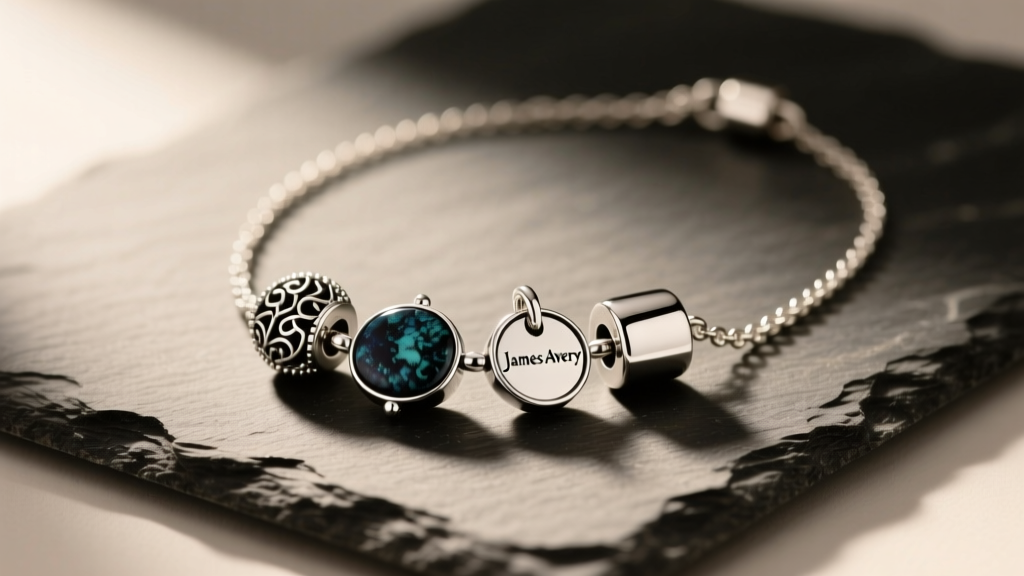
For decades, the charm bracelet has reigned supreme as the ultimate canvas for personal storytelling in jewelry. However, as we navigate the style landscape of 2026, a definitive pivot has occurred: the modular charm narrative has migrated to the neck. The concept of a dedicated charm holder necklace—popularized by the robust, artisan-crafted aesthetics of the James Avery Artisan Jewelry collections—has evolved from a niche adapter into a primary styling focal point. Unlike the delicate, micro-pendant layering trends of the early 2020s, today's collectors are embracing heavy, structural chains designed to bear the asymmetric weight of multiple cast silver and gold pendants. This analysis breaks down the engineering, styling frameworks, and metallurgical realities of building a cohesive charm holder necklace.
Engineering the James Avery Charm Holder Necklace
The fundamental flaw of attempting to convert a standard pendant chain into a charm holder is structural failure. Charms are not static; they swing, catch, and pull. A traditional 1.5mm rolo chain will rapidly warp under the kinetic stress of five or more heavy cast silver charms. To understand why specific charm holder necklaces succeed, we must examine their underlying architecture.
Chain Gauge and Tensile Strength
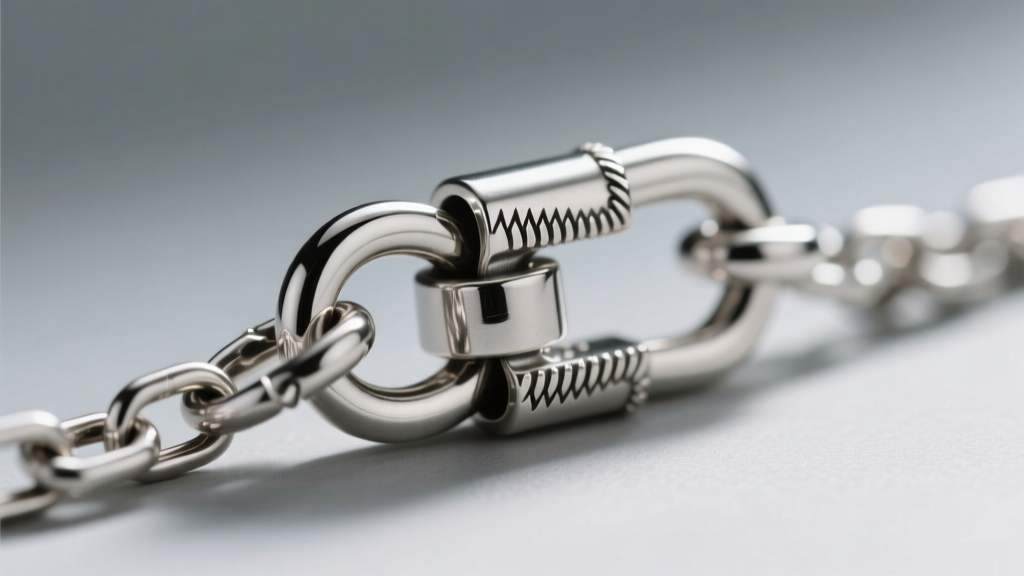
The ideal James Avery-style charm holder relies on a minimum 2.5mm to 3.5mm gauge. According to metallurgical specifications from jewelry manufacturing suppliers like Rio Grande, a 3.2mm sterling silver box chain or wheat chain offers the optimal balance of fluid drape and tensile strength. These heavier gauges can support up to 60 grams of dead weight without suffering link distortion. When selecting a base chain, look for machine-linked chains that have been individually soldered. Unsoldered links on heavy chains will inevitably pull apart when subjected to the sudden torque of a snagged charm.
The Clasp Conundrum: Lobster vs. Toggle
While toggle clasps are visually appealing and easy to fasten, they are a mechanical liability for heavy charm necklaces. The kinetic movement of multiple charms shifting across the collarbone can easily pull the toggle bar through the receiving ring, resulting in catastrophic loss. A 12mm to 15mm reinforced lobster clasp with a heavy-duty internal spring and a soldered jump ring connection is mandatory for any chain bearing more than 40 grams of silver or gold.
Market Comparison: Structural Integrity
Not all charm-ready necklaces are engineered equally. Below is a technical comparison of popular modular necklace foundations available in the current market, evaluating their suitability for heavy charm loads.
| Brand / Type | Chain Style & Gauge | Max Weight Tolerance | Clasp Mechanism | Price Range (USD) |
|---|---|---|---|---|
| James Avery Heavy Box Chain | 3.2mm Soldered Box | ~65 grams | 14mm Reinforced Lobster | $180 - $250 |
| Pandora Leather/Chain Hybrid | 2.0mm Snake Chain | ~30 grams | Standard Lobster | $85 - $150 |
| Custom Bench Jeweler (Wheat) | 4.0mm Solid Wheat | ~90+ grams | Custom Toggle or Box Clasp | $300 - $600+ |
| Standard Fashion Rolo | 1.5mm Unsoldered Rolo | ~15 grams | Spring Ring | $20 - $50 |
Styling Frameworks for 2026
Building a charm holder necklace requires more than just sliding pendants onto a chain; it requires an understanding of visual weight and physical distribution. The maximalist "charm bomb" look of the past has been replaced by curated, intentional storytelling.
Mitigating the Pendulum Effect
When all heavy charms are allowed to slide freely to the bottom center of a chain, they create a "pendulum effect." This not only causes the chain to twist and kink but also creates an unflattering, bottom-heavy silhouette. The 2026 styling framework dictates the use of fixed bail charms or silicone charm stoppers (adapted for necklaces) to lock heavier pieces at the 4 o'clock and 8 o'clock positions on the chain. This distributes the physical weight across the trapezius muscles, preventing neck strain, while creating a balanced, sweeping visual arc across the chest.
Bail Friction and Metal Galling
When mixing different karats or metal types—such as sliding a 14k gold charm onto a sterling silver charm holder necklace—you introduce the risk of galvanic friction. Over time, the constant rubbing of dissimilar metals can cause micro-abrasions, leading to a phenomenon known as galling, where the metals essentially micro-weld or leave dark transfer marks on one another. To prevent this, ensure that all charm bails are lined with a protective enamel, or use small, clear O-rings to buffer the connection point between the charm and the silver chain.
Maintenance of Oxidized Silver Under Stress
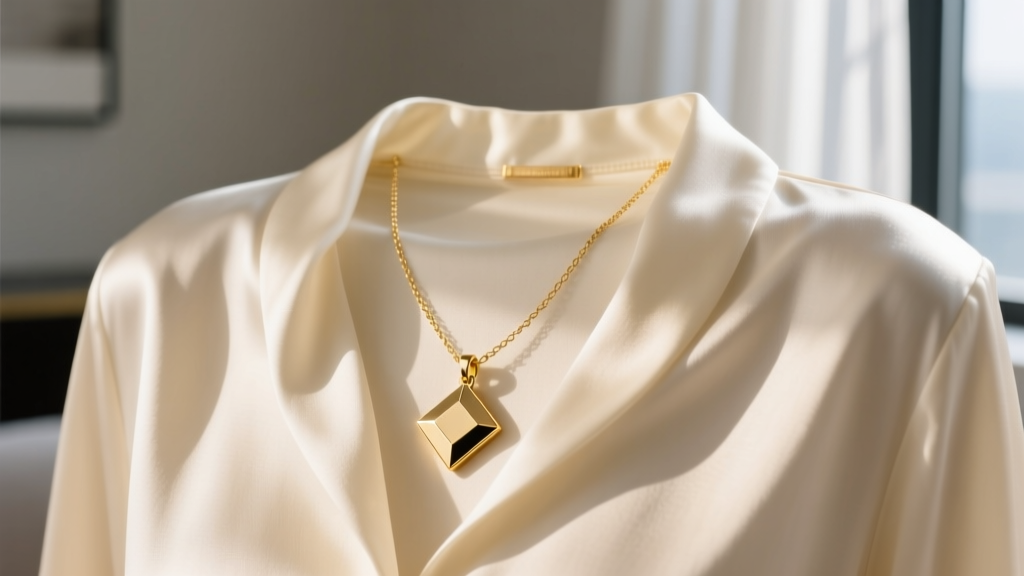
James Avery is renowned for its masterful use of oxidation (patina) to highlight the intricate, sculptural details of its charms. This darkening is typically achieved using liver of sulfur, which reacts with the copper content in the 925 sterling silver alloy. However, the heavy friction generated by a charm holder necklace can accelerate the wear of this patina on the high points of the charms and the top of the chain links.
Furthermore, consumers must avoid ultrasonic jewelry cleaners. As noted in the GIA's silver care guidelines, ultrasonic waves and harsh chemical baths will strip the intentional oxidation, leaving the piece looking flat and overly bright. Instead, maintenance for a heavily loaded charm necklace should involve a mild, phosphate-free dish soap, lukewarm water, and a soft horsehair detailing brush to gently remove skin oils and environmental grit from the crevices without disturbing the darkened recesses.
Final Verdict on the Modular Necklace Trend
The James Avery charm holder necklace represents a maturation in personal jewelry styling. It demands a higher level of technical understanding from the wearer—requiring knowledge of gauge sizes, clasp mechanics, and weight distribution. Yet, the reward is a deeply personalized, structurally sound heirloom piece that sits closer to the heart than a traditional bracelet. By investing in a properly engineered 3.2mm+ chain and adhering to balanced styling frameworks, collectors can build a modular necklace that withstands both the physical rigors of daily wear and the fleeting nature of seasonal fashion trends.


