Jane Marie Necklaces Care: Fixing Tarnish, Tangles & Clasp Issues
Troubleshoot common Jane Marie necklaces issues. Learn expert fixes for raw brass tarnish, delicate chain tangles, and lobster clasp failures.

The Metallurgy of Jane Marie: Understanding Your Materials
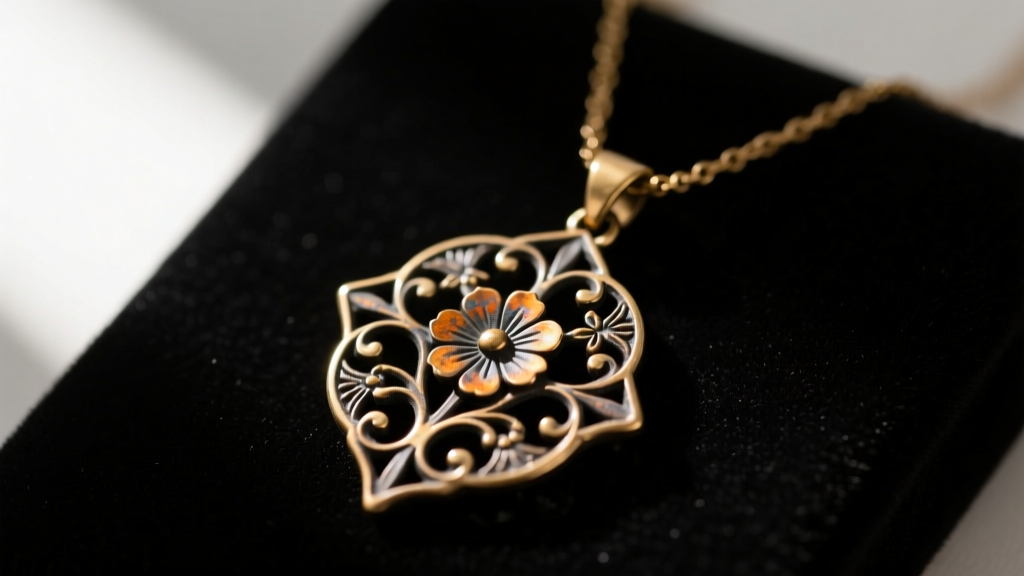
Jane Marie necklaces are celebrated for their vintage-inspired aesthetics, intricate cast pendants, and delicate layering capabilities. However, the brand's signature use of raw brass, bronze, and gold-filled metals requires a highly specific approach to maintenance. Unlike solid 14k gold or platinum, these alloys interact dynamically with their environment. As of 2026, understanding the exact metallurgical composition of your jewelry is the first step in effective troubleshooting.
Raw brass is primarily an alloy of copper (typically 70-80%) and zinc. When exposed to oxygen, moisture, and the natural carbonic acid in human sweat, the copper oxidizes, creating a dark patina or even leaving a harmless green residue on the skin. Bronze, an alloy of copper and tin, behaves similarly but tends to develop a warmer, more brownish oxidation layer. Gold-filled chains, conversely, consist of a base metal (usually brass) mechanically bonded with a thick outer layer of 14k gold that must constitute at least 1/20th of the total weight. This thick layer makes gold-filled highly durable, but it is still susceptible to microscopic scratching and chemical degradation if cleaned with harsh abrasives.
Troubleshooting Tarnish and Patina on Raw Brass and Bronze
The most common complaint among owners of raw brass Jane Marie pendants is accelerated tarnishing. If your pendant has lost its bright, golden luster and developed a dull, brownish film, this is surface-level oxidation. It is crucial to distinguish between raw brass and gold-filled pieces before applying any cleaning solution, as abrasive treatments will permanently strip the gold layer from a gold-filled chain.
The Lemon and Baking Soda Method for Raw Brass
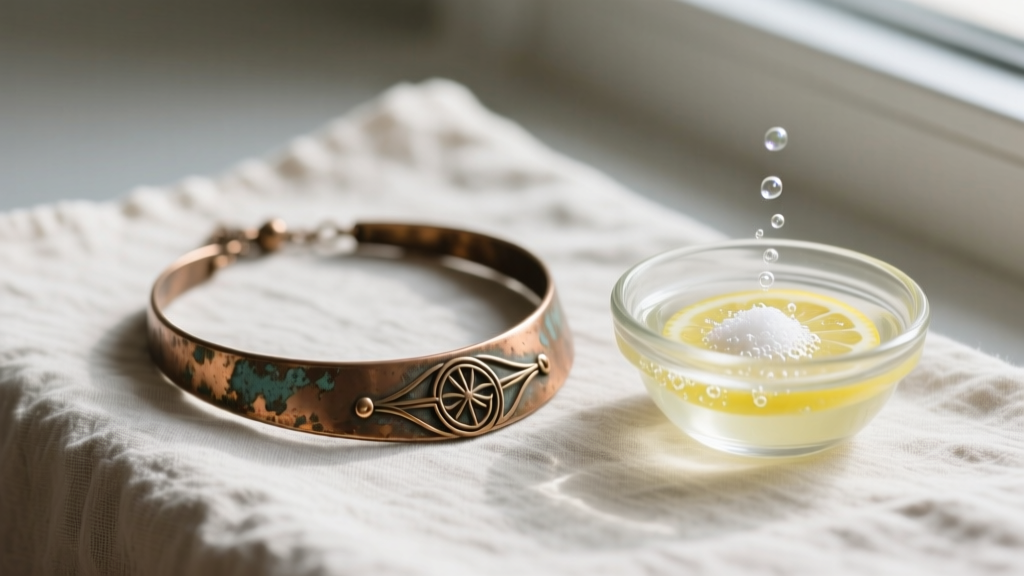
For solid raw brass and bronze pendants, you can safely reverse oxidation using a mild acidic reaction. Create a paste using equal parts fresh lemon juice and baking soda. Apply this paste to the brass pendant using a soft-bristled toothbrush, gently working it into the intricate floral or geometric crevices. The citric acid breaks down the copper oxide, while the mild alkalinity of the baking soda neutralizes the reaction. Let it sit for no more than three minutes, then rinse thoroughly with distilled water and dry immediately with a microfiber cloth. According to the Gemological Institute of America (GIA), avoiding prolonged exposure to moisture after cleaning is critical to preventing flash-rusting or water spots on base metals.
Gold-Filled Chain Rehabilitation
Never use lemon juice, baking soda, or commercial silver dips on your Jane Marie gold-filled chains. These solutions will eat away at the gold layer. Instead, use a few drops of phosphate-free dish soap (like Dawn) in a bowl of lukewarm water. Soak the chain for five minutes, gently agitate it, and rinse. For stubborn body oil buildup in the chain links, use a soft baby hairbrush to gently sweep the crevices.
Untangling Delicate Cable and Rope Chains Without Breaking Links
Jane Marie frequently utilizes ultra-fine 1mm to 1.5mm cable and rope chains to ensure their vintage pendants remain the focal point. While elegant, these low-gauge chains are highly prone to knotting, especially when layered or stored improperly. Pulling on a knot in a 1mm brass chain will easily warp the links or snap the soldering points.
The Talc and Needle Technique
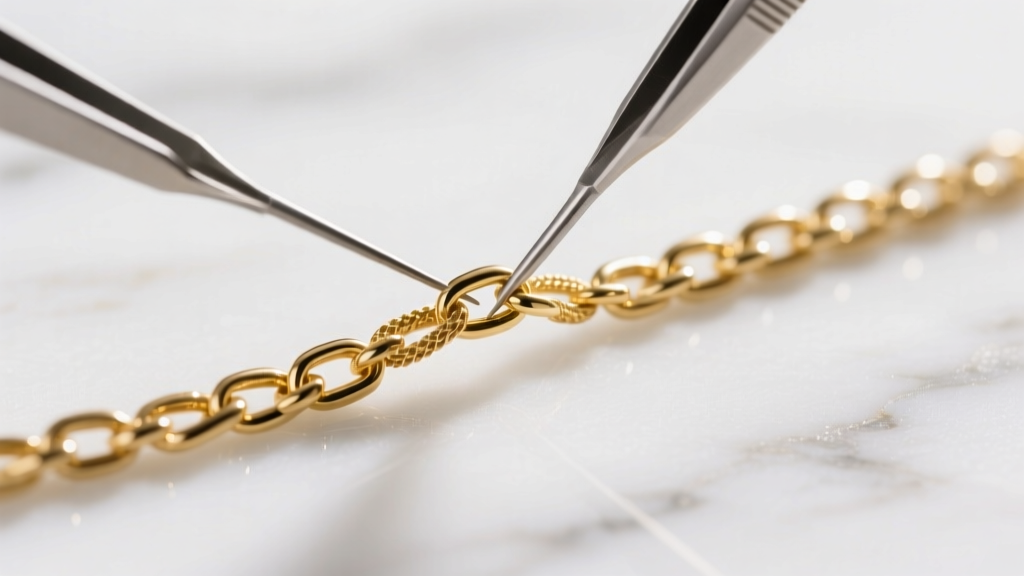
To safely remove a stubborn knot, you must eliminate the friction between the metal links. Lay the tangled necklace flat on a hard, smooth surface like a glass table or marble countertop. Generously dust the knot with talc-free baby powder or cornstarch. The powder acts as a dry lubricant, coating the microscopic ridges of the metal. Next, take two fine beading needles (size 10 or 12) and gently insert the tips into the absolute center of the knot. Do not pull the ends of the chain; instead, use the needles to tease the center links outward, loosening the tension. Once the knot yields, wipe the chain clean with a polishing cloth. The official Jane Marie care guidelines also recommend storing delicate chains fully clasped and laid flat in a soft pouch to prevent the clasp from catching on the links during transit.
Fixing Stiff or Broken Spring Ring and Lobster Clasps
Clasp failure is a frequent issue with delicate necklaces. Jane Marie typically uses small spring ring clasps for their lighter chains and lobster clasps for heavier pendant setups. A spring ring clasp operates via a tiny internal steel spring and a brass slider. Over time, lotions, skin oils, and environmental dust infiltrate the microscopic gap around the slider, causing the clasp to stick or fail to snap shut completely.
Micro-Lubrication for Stiff Clasps
If your spring ring clasp requires excessive force to pull back, do not force it, as the internal spring will snap. First, clean the crevice by dipping a wooden toothpick into 90% isopropyl alcohol and running it along the seam of the clasp to dissolve trapped oils. Allow it to evaporate completely. Next, apply a microscopic drop of synthetic watch oil or sewing machine oil to the seam using the tip of a needle. Pump the slider back and forth a dozen times to distribute the lubricant. Wipe away any excess oil with a cotton swab. If the clasp remains stiff or the lever will not stay closed, the internal spring has likely failed. Because these clasps are soldered onto the chain, replacement requires a jeweler's torch to cut the jump ring and solder a new clasp, a service that typically costs between $25 and $45 at a local bench jeweler.
Quick Reference: Jane Marie Metal Care Matrix
Use the following troubleshooting matrix to quickly identify the correct care protocol for your specific necklace components.
| Material | Common Issue | Safe Cleaning Agent | Strictly Avoid |
|---|---|---|---|
| Raw Brass Pendants | Dark oxidation, green skin transfer | Lemon juice & baking soda paste | Ultrasonic cleaners, bleach |
| Bronze Pendants | Brown patina, dull finish | Bar Keepers Friend (mild application) | Harsh chemical silver dips |
| 14k Gold-Filled Chain | Body oil buildup, dullness | Phosphate-free dish soap & warm water | Abrasives, toothpaste, lemon |
| Spring Ring Clasp | Stiff slider, fails to snap shut | Isopropyl alcohol & synthetic watch oil | WD-40, thick household oils |
When to Contact the Jane Marie Repair Studio
While home troubleshooting can resolve 90% of maintenance issues, certain structural failures require professional intervention. If a cast pendant has cracked along a stress point, or if the soldered jump ring connecting the pendant to the chain has pulled apart, do not attempt to use superglue. Cyanoacrylate adhesives will cloud the metal and create a barrier that prevents proper soldering later. Instead, contact the Jane Marie repair studio directly. As a brand that hand-casts and assembles their pieces in Portland, Oregon, they offer specialized repair services for their specific alloys and proprietary patinas. Always include your original purchase receipt or order number, as repair fees for out-of-warranty structural damage generally range from $15 for a simple jump ring re-soldering to $50+ for complex pendant reconstruction.


