Analyzing the Janet Heller Fine Jewelry Goat Necklace Craftsmanship
An expert technical review of the Janet Heller fine jewelry goat necklace, analyzing 18k gold casting, diamond pavé, and chain mechanics.

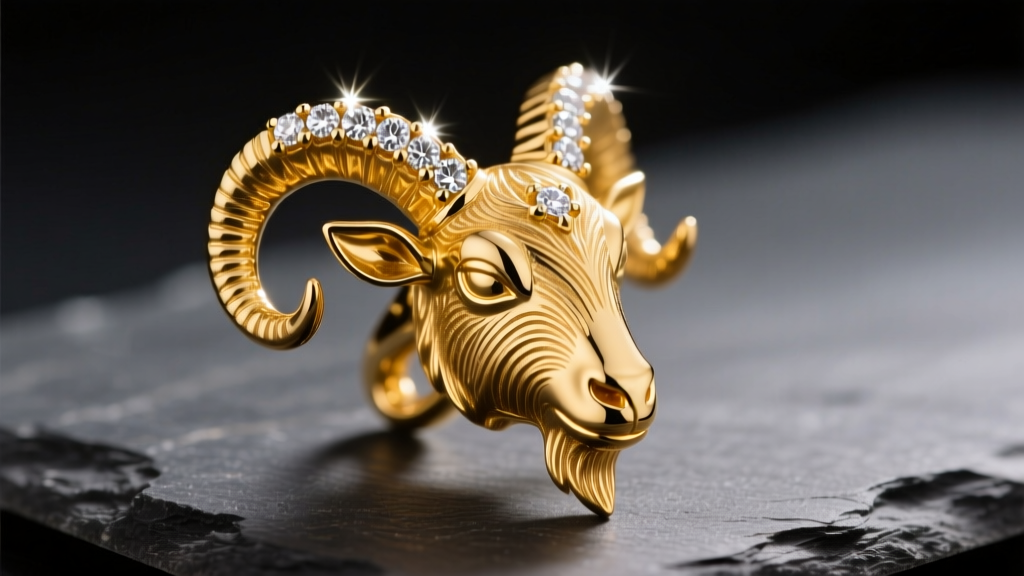
When evaluating high-end, nature-inspired artisan pieces, the janet heller fine jewelry goat necklace stands out as a masterclass in sculptural metallurgy and micro-setting techniques. Unlike mass-produced animal motif pendants that rely on flat stamping or basic die-striking, this piece utilizes advanced investment casting and hand-finished texturing to achieve a lifelike, three-dimensional rendering of a goat or ram head. For collectors, gemologists, and jewelry investors, understanding the technical specifications, material grades, and structural dynamics of this specific pendant is crucial for both authentication and long-term wearability.
The Sculptural Anatomy and Lost-Wax Casting Process
The foundation of any premium sculptural pendant is its initial modeling and subsequent casting. The goat motif requires complex undercuts—particularly around the curved horns, the textured fur of the snout, and the intricate geometry of the ears. To achieve this without compromising the structural integrity of the gold, master jewelers employ the lost-wax casting method (investment casting).
A high-resolution wax model is encased in a plaster-like investment material. Once the investment hardens, it is heated in a kiln to melt away the wax, leaving a precise negative cavity. Molten 18k gold is then introduced into the flask, often using a vacuum-assisted or centrifugal casting machine to ensure the dense liquid metal fills the microscopic crevices of the goat’s fur texture. After the casting is complete and the investment is quenched, the raw gold tree is cut, and the pendant undergoes extensive hand-chasing. Artisans use specialized burins and micro-chisels to sharpen the definition of the horns and apply a matte or sandblasted finish to the recessed areas, creating a high-contrast visual depth against the polished high points.
Metallurgical Breakdown: 18k Gold Alloy Composition
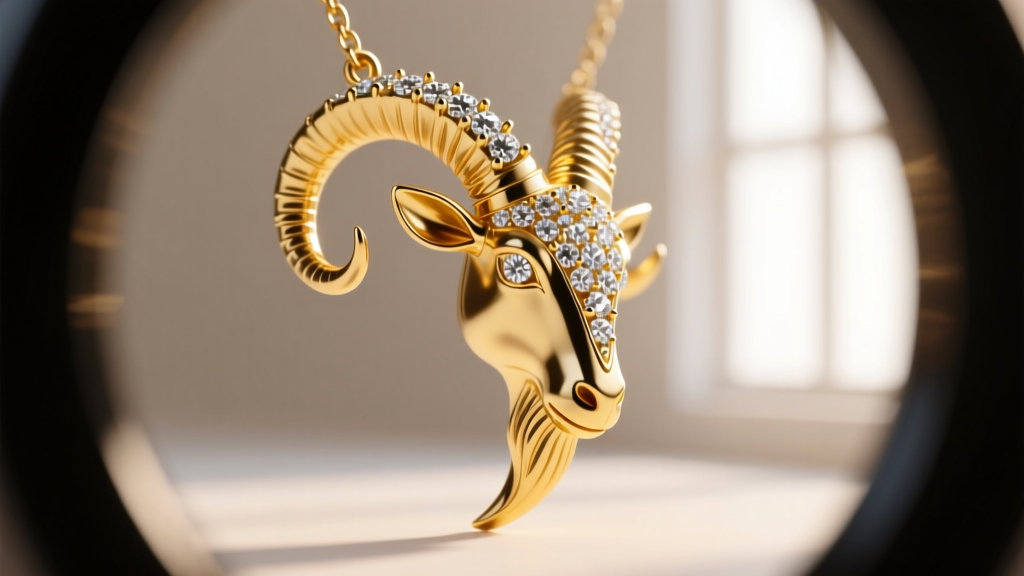
The janet heller fine jewelry goat necklace is typically forged in 18k yellow or rose gold. From a metallurgical standpoint, 18k gold is an alloy consisting of exactly 75% pure gold (Au) and 25% secondary metals. The specific ratio of these secondary metals dictates not only the color but the Vickers hardness (HV) and tensile strength of the final piece.
Yellow Gold vs. Rose Gold Alloys
- 18k Yellow Gold: Generally alloyed with 12.5% silver (Ag) and 12.5% copper (Cu). This yields a Vickers hardness of approximately 120-130 HV. It provides an optimal balance of malleability for stone setting and rigidity to prevent the goat’s protruding horns from bending upon impact.
- 18k Rose Gold: Achieves its distinct hue by increasing the copper content (often around 20% Cu, 5% Ag). Copper increases the hardness slightly (up to 140 HV), making rose gold variants marginally more resistant to surface scratching, though they require more careful annealing during the manufacturing process to prevent stress fractures.
According to the Gemological Institute of America (GIA), the precise alloying of 18k gold ensures that the metal resists tarnishing and oxidation far better than lower-karat alternatives, which is vital for a pendant that rests against the skin and is exposed to ambient moisture and cosmetics.
Diamond Pavé and Setting Mechanics
The horns and occasional facial accents of the goat pendant are frequently adorned with melee diamonds. In high-end designer pieces, these are not single-cut melee (which only have 17 or 18 facets), but rather full-cut melee diamonds featuring the standard 57 or 58 facets of a round brilliant cut, albeit scaled down to 1.0mm - 1.5mm diameters.
The setting technique utilized is typically micro-pavé or shared-prong. In micro-pavé, tiny beads of gold are pushed over the girdle of the diamond using a pneumatic engraver. For a curved surface like a goat's horn, the setter must carefully calculate the angle of each stone to ensure the table facets align perfectly, maximizing light return and preventing the dreaded "windowing" effect where light leaks through the stone. The diamonds used in this tier of fine jewelry generally range from F to G in color and VS1 to VS2 in clarity, ensuring no visible carbon inclusions interrupt the continuous sparkle of the horns.
Chain Pairing and Load-Bearing Dynamics
A solid 18k gold sculptural goat pendant is inherently heavy, often weighing between 18 and 28 grams depending on its exact dimensions and the density of the diamond pavé. Pairing this pendant with an inadequate chain is a primary failure point in fine jewelry. A standard 1.0mm cable chain will suffer from link distortion and eventual snapping under the dynamic load of a 25-gram pendant.
| Chain Type | Recommended Thickness | Tensile Strength & Suitability |
|---|---|---|
| Wheat (Spiga) Chain | 2.5mm - 3.5mm | Excellent. The woven, directional links distribute weight evenly and resist kinking. Highly recommended for heavy sculptural pendants. |
| Box Chain | 2.0mm - 3.0mm | Very Good. Square links provide high tensile strength, though they can occasionally pull chest hair if not polished smoothly. |
| Cable Chain | 3.5mm+ | Moderate. Requires a very thick gauge to support the pendant weight without the oval links stretching into a 'U' shape over time. |
| Snake Chain | N/A | Poor. Despite looking thick, the tightly packed rings are prone to permanent bending and snapping under heavy pendant loads. |
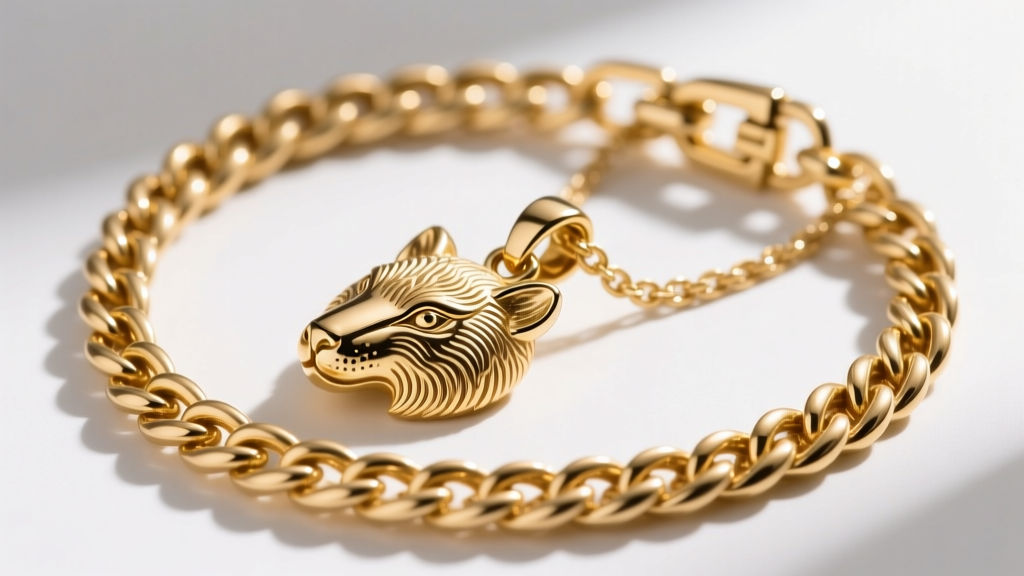
Furthermore, the clasp mechanism must be proportionate to the chain. A standard spring-ring clasp is insufficient. A heavy-duty lobster clasp with a reinforced soldered jump ring is mandatory to prevent accidental unclasping and subsequent loss of the high-value pendant.
Appraisal, Provenance, and Authentication Markers
When appraising the janet heller fine jewelry goat necklace for insurance or secondary market sale, gemologists look beyond the mere melt value of the gold and the carat weight of the diamonds. The value is heavily anchored in provenance and precise hallmarks.
"In contemporary artisan jewelry, the maker's mark is as critical as the metal purity stamp. A sculptural animal motif without a verifiable designer hallmark is appraised strictly on intrinsic material value, whereas a documented piece commands a significant premium for its artistic and brand equity." — Senior Appraiser, American Gem Society
Authentic pieces will bear a laser-engraved or micro-stamped maker's mark on the interior of the bail or the reverse of the pendant base, alongside the 750 or 18k purity stamp. The bail itself should be seamlessly integrated or securely soldered, featuring a hidden hinge or a custom-forged loop that accommodates thicker chains without causing abrasive wear to the chain links.
Care and Maintenance Protocols for Textured Gold and Pavé
Maintaining a heavily textured pendant with micro-set diamonds requires specific protocols to avoid damaging the finish or loosening the stones.
- Avoid Ultrasonic Cleaners: The high-frequency vibrations of ultrasonic baths can easily fracture the microscopic gold beads holding the melee diamonds in the goat's horns, leading to stone loss.
- Steam Cleaning Caution: While steam is excellent for removing sebum and lotion from beneath the pavé, it should only be used if the setting has been recently inspected by a jeweler for loose stones.
- Manual Cleaning Method: Use a soft-bristled baby toothbrush and a solution of warm distilled water with a few drops of ammonia-free dish soap. Gently agitate the bristles along the grain of the goat's fur texture to dislodge trapped particulates.
- Polishing Restrictions: Never use a high-speed rotary buffing wheel with rouge on the matte or sandblasted recessed areas of the pendant. This will polish away the intentional contrast, flattening the sculptural depth and diminishing the piece's artistic value.
By understanding the intricate metallurgy, precise diamond setting, and structural requirements of the janet heller fine jewelry goat necklace, collectors can ensure they are acquiring, wearing, and preserving a true masterpiece of modern lapidary and metalworking art. For further reading on diamond clarity and setting structures, refer to the GIA Diamond Encyclopedia.


