Kendra Scoot Heart Necklace Care: Cleaning & Maintenance
Learn expert cleaning and maintenance tips to protect the enamel and plating on your kendra scoot heart necklace and keep it shining.

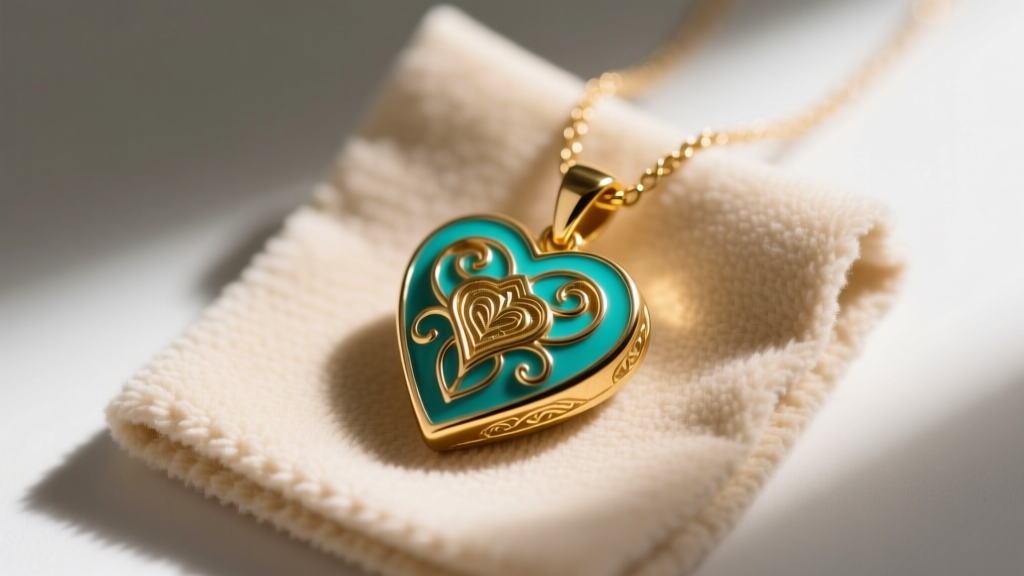
Whether you arrived here searching for a "kendra scoot heart necklace" due to a common smartphone autocorrect or you are a long-time collector of the iconic Kendra Scott Elisa heart pendant, you already know that these pieces are staple accessories. Famous for their signature drusy stones and vibrant custom-colored enamel, these heart-shaped necklaces require specific maintenance protocols to survive daily wear. As of 2026, the secondary market for vintage and discontinued enamel colorways has surged, making proper preservation of these pieces more critical than ever. In this comprehensive guide, we break down the exact metallurgical and gemological care steps required to keep your pendant pristine.
The Anatomy of Your Heart Pendant: Materials and Vulnerabilities
To properly clean your necklace, you must first understand its construction. The classic heart pendant is not solid gold or silver; it is crafted from a durable brass base metal (typically C26000 cartridge brass) that is electroplated. The plating usually consists of 14k gold, rhodium (for the silver tone), or rose gold. This is a "flash plating," meaning the precious metal layer is exceptionally thin—often between 0.1 and 0.5 microns.
The inlay is where the necklace gets its signature look. You likely have one of two materials:
- Custom Enamel: A vitreous or cold-resin glass-like substance poured into the brass recess. It ranks around 6 to 7 on the Mohs hardness scale, making it resistant to scratching but highly susceptible to chipping from blunt impacts.
- Drusy Quartz: A natural agate or quartz crystal aggregate. According to the Gemological Institute of America (GIA), quartz ranks at a 7 on the Mohs scale, but the porous, crystalline structure of drusy makes it incredibly vulnerable to chemical absorption and discoloration.
Step-by-Step Cleaning Guide for Enamel and Drusy
Because the brass base will rapidly oxidize (turn green or black) if exposed to moisture and air once the plating wears thin, your cleaning method must be gentle, effective, and leave zero residue behind.
The Mild Soap Soak Method
Forget commercial jewelry dips; they are far too aggressive for fashion jewelry plating and porous stones. Instead, use this Jewelers of America approved gentle method:
- Prepare the Solution: Fill a small glass bowl with lukewarm distilled water. Avoid tap water, as the chlorine and heavy minerals can leave micro-deposits on the drusy crystals.
- Add Surfactant: Mix in exactly one drop of pH-neutral dish soap (like Dawn). Do not use soaps with added moisturizers or citrus degreasers, which can strip the plating.
- The Soak: Submerge the heart pendant for no more than 3 to 5 minutes. This loosens sebum, dead skin cells, and cosmetic residue trapped in the prong settings.
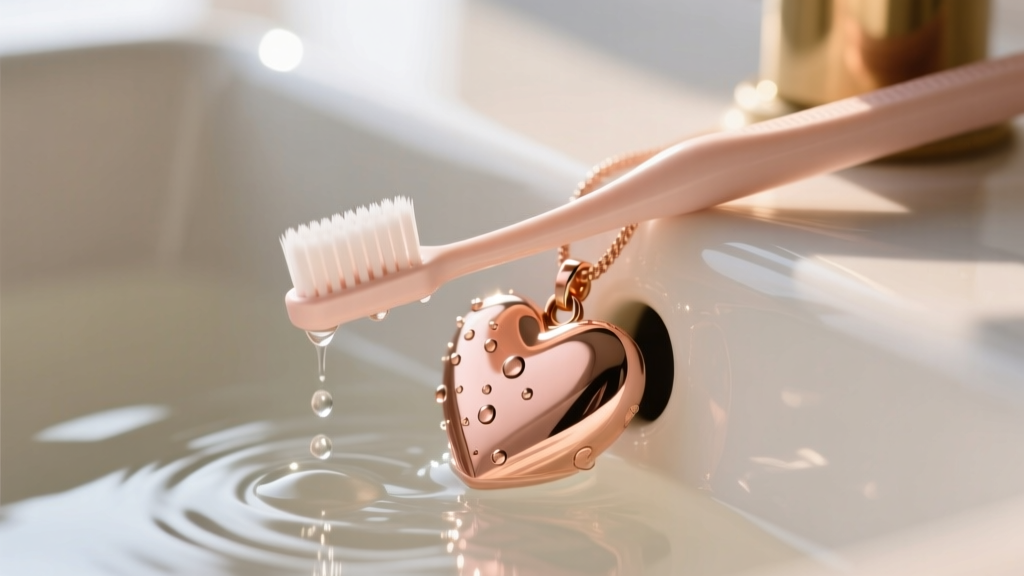
- Agitate Gently: Using an extra-soft baby toothbrush (bristles under 0.1mm), gently sweep the bristles across the surface. Always brush away from the prongs to avoid lifting the metal holding the stone or enamel in place.
Drying and Polishing Techniques
Moisture is the enemy of brass base metals. After rinsing the pendant under a gentle stream of distilled water, immediately pat it dry with a lint-free microfiber cloth. To remove trapped water from the microscopic crevices of a drusy stone, use a can of compressed air held at least six inches away, or a hairdryer on the "cool" setting. Never rub drusy with a cotton ball or tissue, as the fibers will snag on the raw crystal edges and tear.
What to Avoid: The "Never Do This" List
Misguided cleaning attempts ruin thousands of heart pendants every year. To protect the structural integrity of your jewelry, strictly avoid the following:
- Ultrasonic Cleaners: The high-frequency acoustic cavitation bubbles created by ultrasonic machines will shatter vitreous enamel and shake the delicate prongs loose, causing your heart inlay to pop out entirely.
- Silver Dip and Liquid Tarnish Removers: These contain thiourea and harsh acids. While they strip tarnish from solid silver, they will instantly dissolve the 14k gold flash plating on your brass pendant and permanently cloud drusy stones.
- Steam Cleaners: Extreme thermal shock can cause the brass base metal and the enamel inlay to expand at different rates, resulting in immediate, spider-web cracking across the colored surface.
Storage Solutions to Prevent Tarnish and Tangling
How you store your necklace when you aren't wearing it dictates its lifespan. Brass oxidizes when exposed to sulfur and humidity in the air. The thin layer of gold or rhodium plating acts as a barrier, but microscopic pores in the plating allow air to reach the brass over time.
| Storage Method | Humidity Exposure | Tarnish Risk | Verdict for Heart Pendants |
|---|---|---|---|
| Open Jewelry Tree | High (Ambient) | Severe | Avoid: Guarantees rapid plating wear and chain tangling. |
| PVC Plastic Bags | Trapped | High | Avoid: PVC off-gasses sulfur, accelerating brass oxidation. |
| Polyethylene Zip Bags | Low | Minimal | Excellent: Inert plastic that blocks ambient moisture. |
| Anti-Tarnish Cloth Pouch | Variable | Low | Good: Treated cloth absorbs sulfur, but doesn't block humidity. |
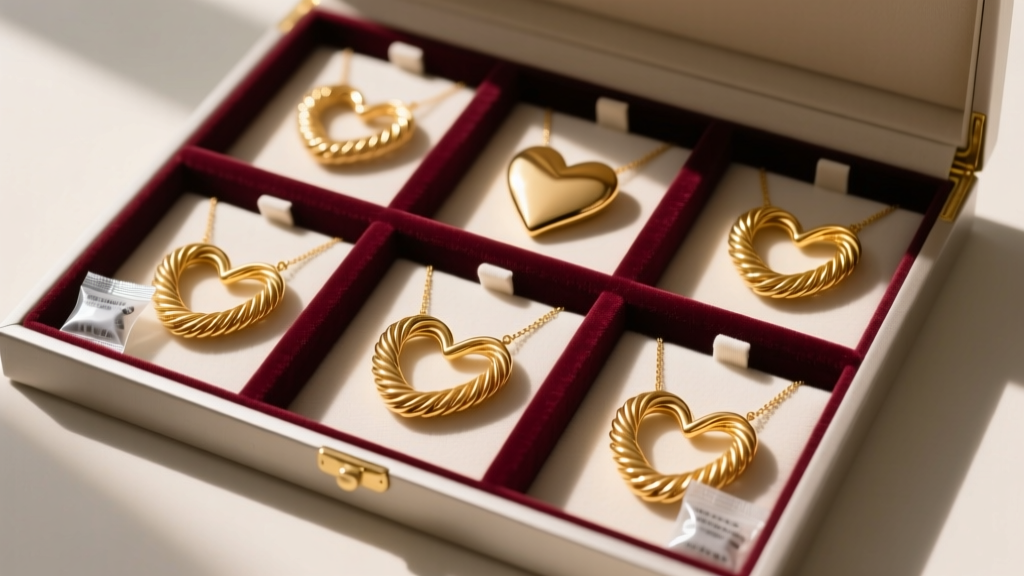
The Ultimate Storage Protocol: Place your pendant in an individual polyethylene ziplock bag. Add a small silica gel desiccant packet to absorb residual moisture, and slip in a 3M Silver Protector anti-tarnish strip. Squeeze all excess air out before sealing. Store the bag flat in a dark drawer to prevent the chain from knotting.
Restoring Worn Plating and Damaged Enamel
If your daily wear has resulted in the brass showing through the bottom of the heart pendant, cleaning will not fix it. You will need to seek out a professional electroplating service to apply a fresh layer of 14k gold or rhodium. Be sure to inform the jeweler about the enamel or drusy inlay, as the piece must be carefully masked or the stone removed before it enters the plating bath.
For chipped enamel, traditional kiln-fired vitreous enamel repair is rarely possible on brass fashion jewelry due to the high melting point of glass versus the low melting point of brass. Instead, master jewelers use a "cold enamel" technique, utilizing a two-part optically clear jewelry resin (like Epoxy 330) mixed with precise mica pigments to color-match the original shade. While not as hard as the factory finish, a professional resin fill will seal the brass and restore the visual continuity of your beloved heart necklace.


