Cleaning Tips Based on Standard Necklace Length Women Choose
Discover how the standard necklace length women wear impacts care. Learn specific cleaning, storage, and maintenance tips for chokers to opera lengths.

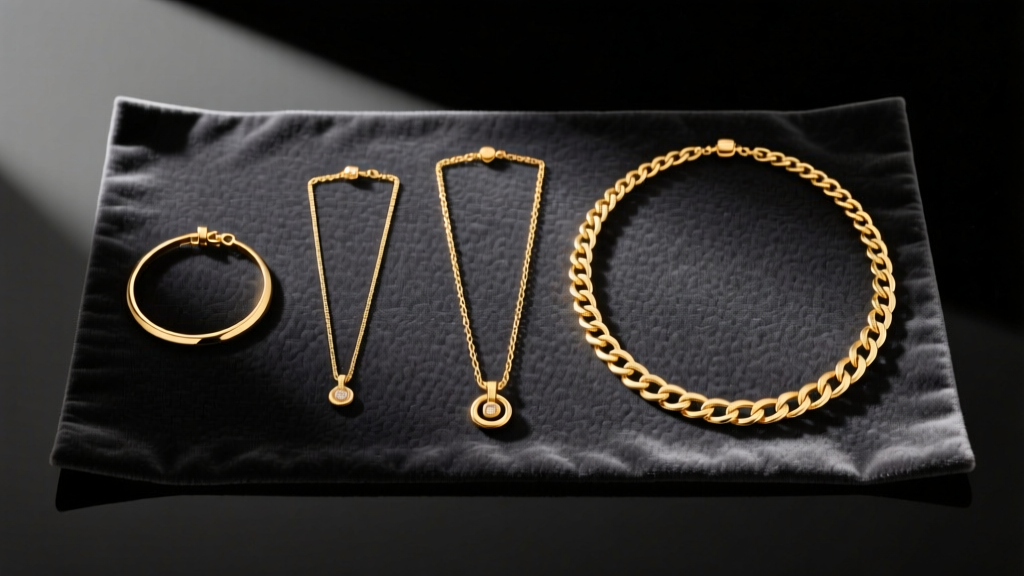
When most jewelry guides discuss necklaces, they focus entirely on aesthetics—how a chain frames the face or complements a neckline. However, as a jewelry maintenance specialist, I look at the physics of wear and tear. The physical dimensions of a chain dictate its environmental stressors, friction points, and structural vulnerabilities. Understanding the standard necklace length women choose is the first step in developing a targeted, effective cleaning and maintenance routine.
A 14-inch choker and a 32-inch opera strand may be made of the exact same 14k gold alloy, but they endure completely different daily abuses. One acts as a sponge for sebum and cosmetics, while the other operates as a pendulum, generating kinetic stress on its clasp and links. In this comprehensive 2026 care guide, we map professional cleaning protocols directly to necklace length, ensuring your pieces retain their structural integrity and brilliance for decades.
The Physics of Wear: Why Length Dictates Maintenance
Before diving into cleaning solutions, we must understand how length influences degradation. The wear-and-tear on a necklace is governed by three main factors: dermal contact, environmental snagging, and kinetic swing.
- Dermal Contact: Shorter chains sit flush against the skin, absorbing sweat, lactic acid, and body oils, which rapidly accelerate the tarnishing of porous metals and degrade delicate finishes.
- Environmental Snagging: Mid-length chains rest in the "danger zone" of collars, scarves, and seatbelts, leading to micro-stretches in the links.
- Kinetic Swing: Longer chains swing with every step. This pendulum effect transfers kinetic energy directly to the clasp and the nape of the neck, causing micro-abrasions and metal fatigue over time.
Expert Insight: According to the Gemological Institute of America (GIA), the accumulation of skin oils and household chemicals is the leading cause of dullness in precious metals. Because shorter necklaces have a higher surface-area-to-skin-contact ratio, they require significantly more frequent degreasing than longer strands.
Care Protocols by Standard Necklace Length Women Prefer
Let us break down the exact maintenance routines required for the most popular necklace lengths, addressing the specific failure modes inherent to each size.
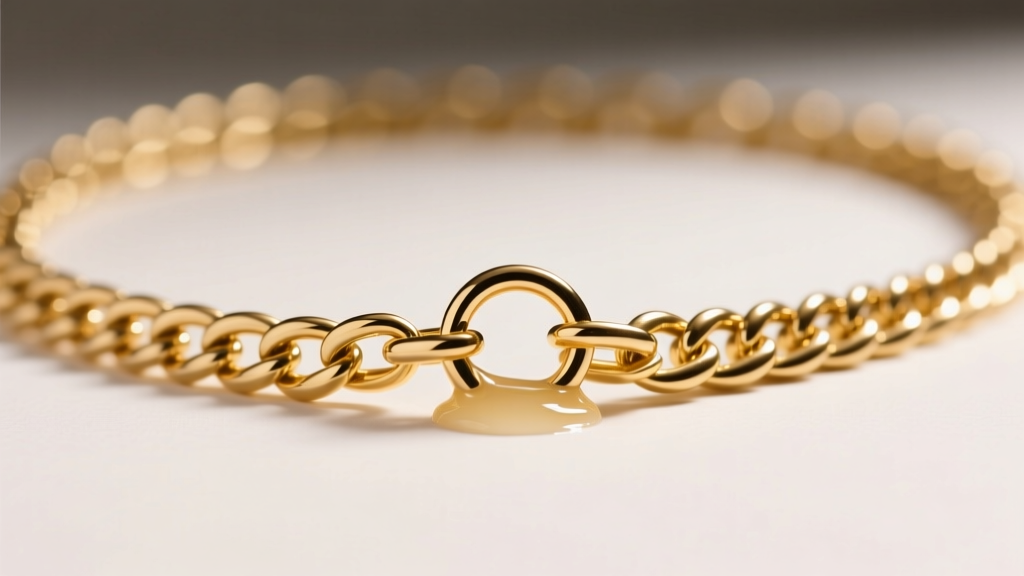
Choker and Collar Lengths (14 to 16 Inches)
The 14-to-16-inch range sits tightly against the hollow of the throat and the nape of the neck. This area is highly active with sebaceous glands. Furthermore, this length is directly in the line of fire for perfume sprays, setting sprays, and foundation makeup.
- Primary Vulnerability: Chemical corrosion and rapid tarnishing (especially in sterling silver and lower-karat gold alloys).
- Cleaning Frequency: Weekly deep cleaning; daily microfiber wipe-down.
- Actionable Protocol: Use a few drops of ammonia-free dish soap (like Dawn) in warm water. Soak for 3 minutes, then agitate gently with a soft baby toothbrush. Warning: Chokers frequently feature porous stones like turquoise, coral, or lapis lazuli. Never use ultrasonic cleaners or harsh chemical dips on these materials, as the vibrations and acids will cause irreversible pitting.
Princess Length (18 Inches)
When analyzing the standard necklace length women purchase most frequently, the 18-inch princess length dominates the market. It rests perfectly on the collarbone. However, its position makes it highly susceptible to snagging on silk blouses, wool sweaters, and cotton t-shirts.
- Primary Vulnerability: Link distortion and clasp spring fatigue. Delicate chains like serpentine, box, or herringbone are prone to micro-kinking when caught on fabric.
- Cleaning Frequency: Bi-weekly.
- Actionable Protocol: Focus your cleaning on the clasp mechanism. Lint and fabric fibers easily become impacted inside the tiny crevices of a spring ring or lobster clasp. Use a wooden toothpick (never metal, which scratches) to gently dislodge debris from the clasp hinge, then soak the chain in a mild jewelry cleaning solution. For diamond solitaire pendants on this length, use an ammoniated cleaner to dissolve the lotion buildup that clouds the stone's pavilion.
Matinee and Opera Lengths (20 to 36 Inches)
Longer necklaces drop below the collarbone, often resting at the bust (matinee) or sternum (opera). Because they hang freely, they are prone to swinging against desks, steering wheels, and table edges.
- Primary Vulnerability: Impact damage, crushed links, and severe tangling. Omega chains and herringbone chains are notorious for permanently kinking if a 24-inch matinee chain is struck against a hard surface.
- Cleaning Frequency: Monthly, with rigorous pre-storage detangling.
- Actionable Protocol: Never clean a long opera strand in an ultrasonic machine while it is coiled; the overlapping chains will vibrate against each other, causing micro-scratches. Always lay the chain completely flat and straight on a cleaning tray. If dealing with a 30-inch pearl opera strand, wipe it with a damp cloth and allow it to dry fully before storing to prevent the silk thread from rotting due to trapped moisture.
Vulnerability Matrix: Chain Type vs. Length
The structural design of the chain interacts directly with its length. The table below outlines specific risks and tailored maintenance tips based on these intersections.
| Chain Style | High Risk Length | Primary Failure Mode | Maintenance Solution |
|---|---|---|---|
| Herringbone | Matinee (20-24") | Permanent kinking from desk impact | Store completely flat; never hang. Polish with a treated silver cloth only. |
| Box Chain | Princess (18") | Link stretching from collar snagging | Inspect links with a 10x jeweler's loupe monthly. Avoid wearing with textured fabrics. |
| Cable / Rolo | Opera (28-36") | Clasp failure from pendulum weight | Upgrade to a heavy-duty lobster clasp; lubricate hinge annually with synthetic watch oil. |
| Omega | Choker (14-16") | Cracking from neck bending/sweat | Wipe daily to remove acidic sweat. Never sleep in an omega chain. |
Storage Solutions to Prevent Length-Specific Damage
How you store your jewelry is just as critical as how you clean it. Improper storage leads to the dreaded "jewelry box bird's nest," which causes immense frustration and structural stress when untangling.
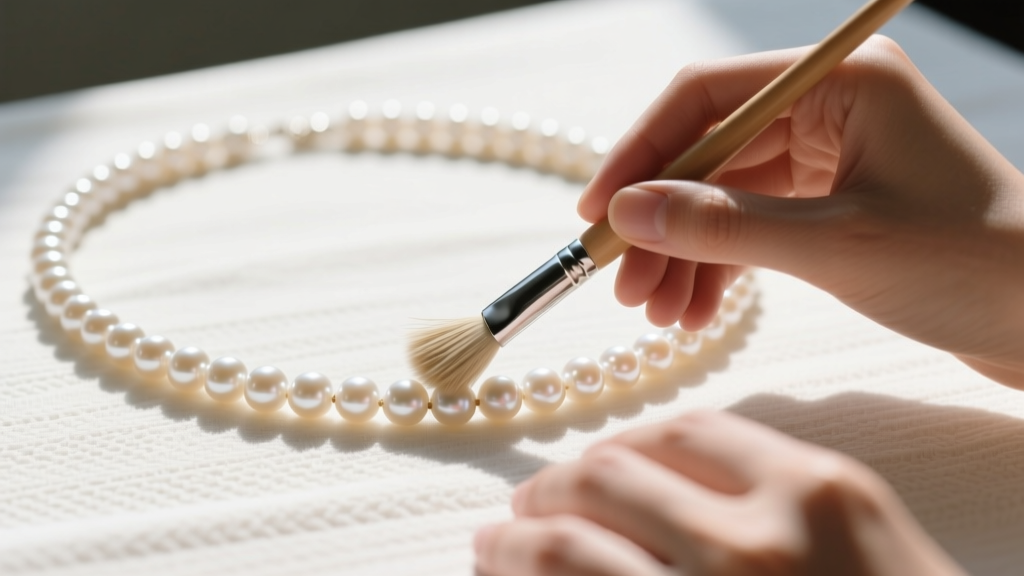
Short Chains (14" - 18")
These should ideally be hung on individual, padded hooks inside a lined jewelry armoire. Hanging prevents them from tangling with other pieces and allows air circulation, which slows the oxidation process for sterling silver. If drawer storage is your only option, lay them flat in individual felt pouches to prevent scratching.
Long Chains (20" - 36")
Never hang opera or rope-length chains. The dead weight of a 32-inch chain hanging from a single hook will slowly stretch the links near the clasp over time, leading to metal fatigue and eventual snapping. Instead, coil long chains loosely in a figure-eight pattern, securing the ends through a piece of acid-free tissue paper, and store them flat in a velvet-lined tray.
Expert Troubleshooting: Clasp and Link Failures
Even with meticulous cleaning, mechanical failures occur. According to repair data cited by Jewelers of America, clasp malfunction accounts for nearly 40% of all chain repairs. Here is how to troubleshoot length-specific issues:
- The Stiff Lobster Clasp: On heavy opera chains, the lever on a lobster clasp often becomes stiff due to lotion buildup and metal-on-metal friction. Do not force it. Apply a microscopic drop of synthetic watch oil (like Moebius 9010) to the hinge pin using a fine needle. Pump the lever a few times to distribute the oil, then wipe away excess with a microfiber cloth.
- The Stretched Spring Ring: If your 18-inch princess chain frequently unclasps itself, the internal spring is likely worn out, or the tiny ring at the end of the chain has stretched into an oval shape. This is a $15 to $25 fix at a local bench jeweler. Do not attempt to squeeze the jump ring closed with household pliers, as this will shear the metal.
- Kinked Herringbone or Snake Chains: If a matinee-length snake chain kinks, lay it flat on a steel bench block. Using the flat, polished face of a rawhide mallet, gently tap the kinked area. This can sometimes realign the metal links without snapping them, though severe kinks require professional laser soldering.
Final Thoughts on Longevity
Understanding the standard necklace length women gravitate toward is only the beginning of responsible jewelry ownership. By aligning your cleaning chemicals, storage methods, and inspection routines with the specific physical realities of your necklace's length, you transition from reactive repairs to proactive preservation. Treat your 14-inch chokers as high-maintenance cosmetic companions, and respect your 30-inch opera strands as delicate kinetic sculptures. With these targeted protocols, your chains will remain secure, brilliant, and ready to wear for a lifetime.


