The Ultimate Johnny Necklace Buying Guide: What to Look For
Discover what to look for when buying a Johnny necklace. Our expert guide covers leather grades, silver chain links, clasps, and styling tips.

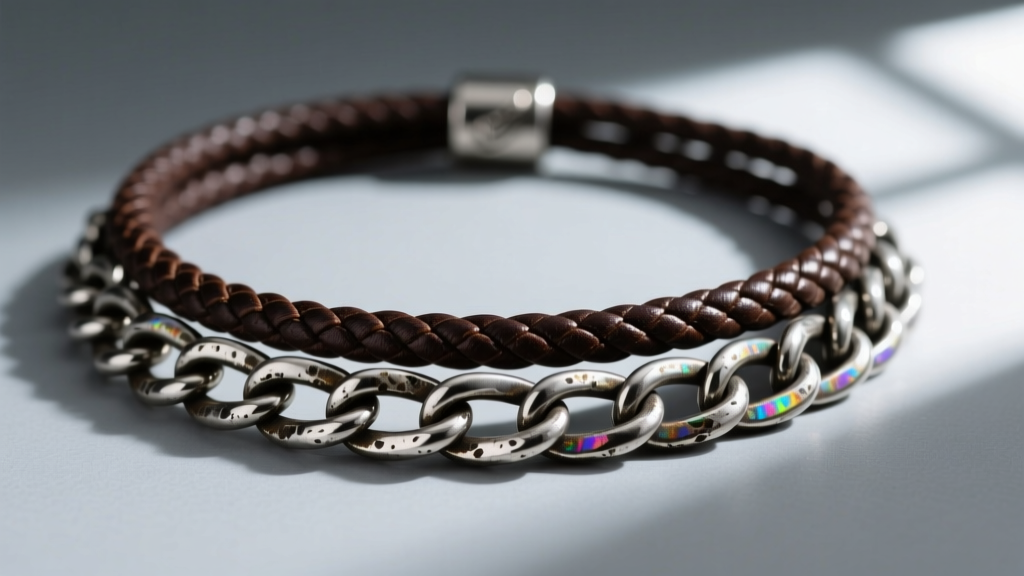
The 'Johnny necklace' aesthetic—characterized by its rugged blend of leather cords, oxidized metals, and artisan hardware—has evolved from a rock-and-roll staple into a cornerstone of contemporary mixed-media jewelry. Popularized by cultural icons who favored layered, bohemian, and slightly weathered accessories, this style bridges the gap between casual streetwear and refined artisan craftsmanship. However, the intersection of organic materials (leather) and precious metals (silver) introduces unique structural vulnerabilities. Buying a high-quality Johnny necklace requires a keen eye for material grades, clasp mechanics, and hardware tolerances.
As we move through 2026, the market is flooded with mass-produced imitations that prioritize the aesthetic over longevity. This comprehensive buying guide will teach you how to evaluate leather treatments, metal gauges, and failure points so you can invest in a piece that ages beautifully rather than falling apart.
What Defines the Johnny Necklace Aesthetic?
Unlike a standard cable chain or a simple leather cord, a true Johnny necklace is a mixed-media hybrid. It typically features a primary leather or suede element integrated with sterling silver links, wire-wrapping, or heavy-duty slide clasps. The hallmark of this style is contrast: the matte, organic texture of the leather against the darkened, patinated grooves of oxidized silver. It is designed to look effortlessly rugged, often featuring asymmetrical elements, raw stone pendants, or industrial-grade toggles.
Material Breakdown: Evaluating Leather and Metal
The lifespan of your necklace is entirely dependent on the specific grades of leather and metal used. Because necklaces sit against the skin, they are constantly exposed to sweat, which has an average pH of 4.5 to 6.0. This mild acidity is highly corrosive to inferior materials.
Leather Cord Grades and Tanning
- Full-Grain Latigo (Top Tier): Latigo is combination-tanned (chrome-tanned first, then vegetable-tanned). This makes it exceptionally supple, water-resistant, and highly resistant to sweat degradation. It will not crack under daily wear and develops a rich patina over time.
- Vegetable-Tanned Round Cord: Excellent for tooling and stiffness, but prone to water spotting. If you live in a humid climate or sweat heavily, untreated veg-tan leather will warp and stain.
- Braided Suede: Offers the best tactile softness and 'boho' drape, but suede absorbs oils and moisture rapidly. It requires frequent maintenance and will stretch up to 8% over its first year of wear.
- Bonded or PU Leather (Avoid): Often marketed as 'vegan leather' in budget pieces. The polyurethane coating will inevitably peel and crack within 6 to 12 months due to the friction and acidity of the neck zone.
Metal Accents and Wire Gauges
Authentic Johnny-style hardware relies heavily on 925 Sterling Silver. According to Jewelers of America, you must look for the '.925' or 'Sterling' hallmark. In this style, silver is almost always treated with liver of sulfur to create an oxidized (blackened) finish that highlights the textures. When evaluating chain links or wire-wrapped elements integrated into the leather, ensure the wire is at least 14-gauge (1.6mm) to 12-gauge (2.0mm). Thinner 18-gauge wires will easily bend and warp when paired with the heavy tension of thick leather cords.
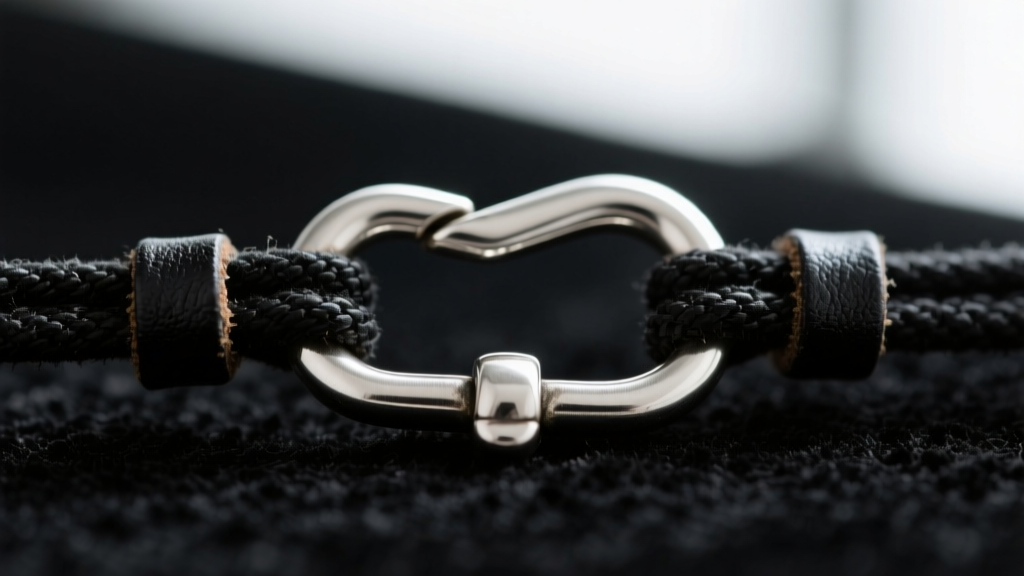
Clasp Mechanisms and Structural Failure Modes
The clasp is the most critical failure point on any mixed-media necklace. Leather stretches and compresses, while metal does not. This mismatched physical behavior puts immense stress on the connection points. Here is a breakdown of what to look for based on the cord thickness.
| Clasp Type | Best Cord Thickness | Security Rating | Common Failure Mode |
|---|---|---|---|
| T-Bar Toggle | 3mm - 6mm | High | Toggle bar slipping through ring if cord stretches too much. |
| Lobster Claw | 1.5mm - 2.5mm | Medium | Internal spring rusting or jump ring pulling open under tension. |
| Magnetic Slide | 4mm - 8mm | Low (for heavy pendants) | Magnets separating due to the pendulum weight of heavy silver pendants. |
| Bayonet / Screw | 5mm+ | Very High | Thread stripping if forced or cross-threaded during removal. |
Expert Tip: Always inspect the jump ring connecting the metal clasp to the leather end cap. It must be soldered shut. If you see a visible split in the jump ring, the leather cord will eventually work its way through the gap and snap off.
Sizing, Length, and Pendant Bail Tolerances
Because leather cords stretch over time, sizing a Johnny necklace requires a different approach than a standard metal chain. A 20-inch braided leather cord may measure 21 inches after a year of daily wear. If you prefer a choker fit, buy a size 14-16 inches; for a standard collarbone drop, aim for 18-20 inches.
The Bail Sizing Rule
If you plan to slide pendants onto your Johnny necklace, you must check the bail's inner diameter. A common mistake is buying a 4mm leather cord and a pendant with a standard 3mm x 4mm bail. This creates a friction lock. When you try to pull the pendant off, the friction will fray the leather braid or snap the cord entirely. Always ensure the bail's inner diameter is at least 1.5mm larger than the thickness of your leather cord. For a 3mm cord, seek a bail with a minimum 4.5mm x 6mm opening.
Maintenance: Preserving Mixed-Media Integrity
Caring for a Johnny necklace is a balancing act, as the cleaning agents used for silver will destroy leather, and the conditioners used for leather will tarnish silver.
- Conditioning the Leather: Apply a micro-drop of neatsfoot oil or a dedicated leather balm to the cord every 3 to 4 months. Rub it in with your fingers, avoiding the metal hardware. This replenishes the lipids lost to sweat and friction.
- Polishing the Silver: Use a dry, treated silver polishing cloth for the metal links and clasps. Never use liquid silver dips, as they will strip the intentional oxidized patina from the crevices and permanently stain the porous leather.
- Storage: Store the necklace flat or hung by the clasp. Coiling leather tightly will cause the fibers to break and create permanent kinks, especially in colder temperatures.
Final Verdict: Where to Invest
When shopping for a Johnny necklace, prioritize the hardware and the leather tanning process over the complexity of the design. A simple, 4mm full-grain latigo cord with a heavy-duty, soldered 925 sterling silver toggle will outlast and outperform a complex, braided PU-leather piece with intricate but flimsy wire-wrapping. Look for artisan jewelers who source their materials transparently—organizations like the Leather Working Group provide excellent standards for environmentally responsible and high-grade leather sourcing. By focusing on structural integrity and material grades, your mixed-media necklace will become a lifelong staple that only looks better with age.


