Is a Judith Ripka Heart Necklace Worth It? 2026 Value Guide
Assess the true value of a Judith Ripka heart necklace in 2026. We break down retail vs. resale prices, materials, and craftsmanship to guide your budget.

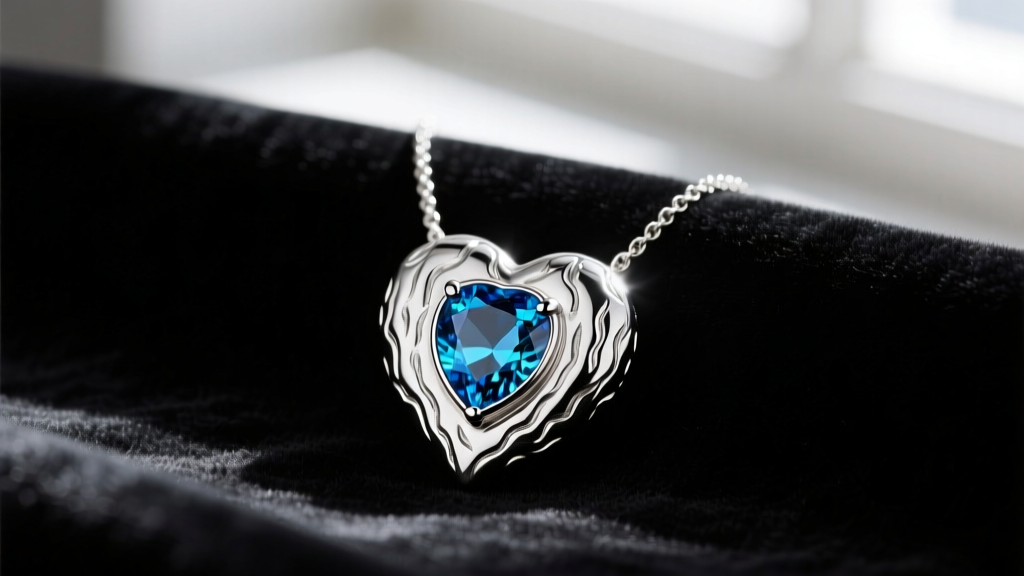
When evaluating luxury and designer jewelry, the heart motif remains a perennial favorite, symbolizing affection, heritage, and personal milestones. Among the most recognizable interpretations in the American designer market is the Judith Ripka heart necklace. Known for her signature "bark" texture and masterful two-tone metalwork, Ripka has built a legacy that commands premium prices. But as we navigate the jewelry market in 2026, discerning buyers are asking a critical question: Does the brand markup justify the cost, or are you simply paying for a name?
This comprehensive budget and value assessment breaks down the material reality, secondary market pricing, and craftsmanship indicators of Judith Ripka heart pendants. Whether you are eyeing a sterling silver piece at a department store or hunting for a vintage 18k gold iteration on the resale market, this guide will help you determine if a Judith Ripka heart necklace is a worthy addition to your collection.
Decoding the Materials: Silver, Gold, and Gemstones
To assess value, we must first look past the designer label and examine the raw materials. Judith Ripka’s brand identity is inextricably linked to her innovative use of sterling silver, often elevated with 18k gold accents and vibrant gemstones.
The Sterling Silver Foundation
The core of Ripka’s accessible luxury line is .925 sterling silver. However, unlike mass-market silver jewelry, Ripka’s pieces typically feature a heavy rhodium plating. According to industry standards outlined by Jewelers of America, high-end designer silver often utilizes a rhodium flash of 0.1 to 0.3 microns. This not only provides a bright, white-gold-like finish but drastically slows down the oxidation and tarnishing process. When evaluating a pre-owned piece, a lack of tarnish in the deep crevices of the bark texture is a strong indicator of original, high-quality rhodium plating.
Gold Accents vs. Solid Gold
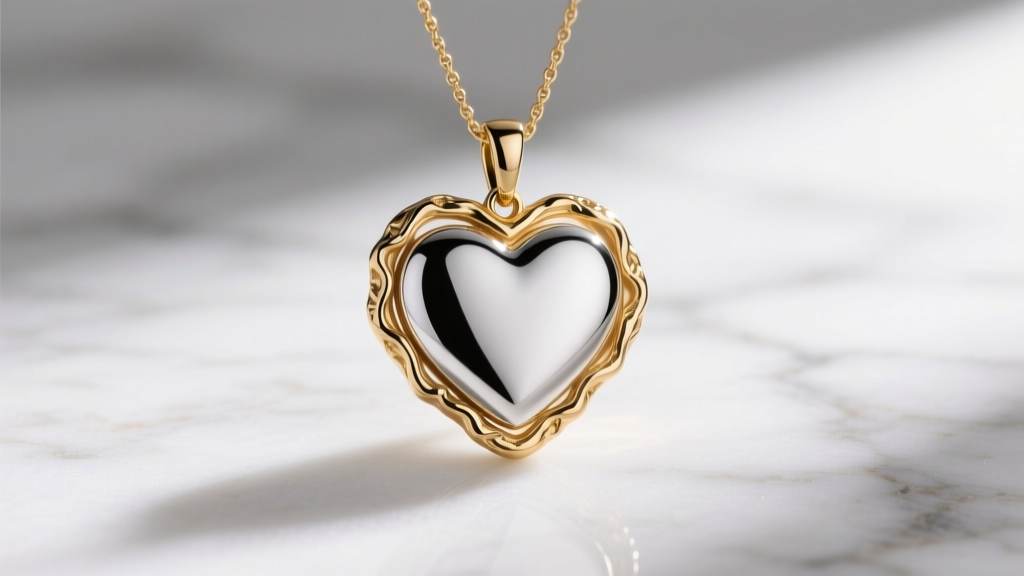
Ripka frequently employs 18k yellow gold vermeil (a thick layer of gold over sterling silver) for her two-tone pieces. It is crucial to distinguish between vermeil and solid 18k gold when assessing value. A two-tone heart pendant in vermeil holds significantly less intrinsic melt value than a solid 18k gold piece, meaning its worth is tied almost entirely to the brand’s craftsmanship and design appeal rather than the commodity market.
Gemstone Integration
Heart pendants from this designer often feature bezel-set or prong-set gemstones. London Blue Topaz and Swiss Blue Topaz are staples in her silver collections. These stones are typically treated to achieve their deep hues. While beautiful, they are relatively abundant, meaning the premium you pay is for the precision of the custom cut and the security of the setting, not the rarity of the stone itself.
Retail vs. Secondary Market: The 2026 Pricing Reality
The most glaring discrepancy in designer jewelry is the gap between boutique retail prices and secondary market realities. To understand the true value of a Judith Ripka heart necklace, we analyzed 2026 pricing data across authorized retailers and luxury resale platforms like The RealReal and eBay.
| Style / Material | Avg. Retail Price (2026) | Avg. Resale Price | Value Verdict |
|---|---|---|---|
| Sterling Silver Bark Heart (No Stones) | $250 - $350 | $85 - $130 | High depreciation; buy pre-owned. |
| Two-Tone Silver/18k Vermeil with Topaz | $450 - $650 | $150 - $250 | Moderate depreciation; great mid-tier value. |
| Solid 18k Gold Diamond Heart Pendant | $2,800 - $4,500 | $1,400 - $2,200 | Retains intrinsic metal value; fair luxury markup. |
As the data illustrates, purchasing a sterling silver or vermeil Judith Ripka heart necklace at full retail results in an immediate 50% to 65% loss in resale value. For budget-conscious buyers, the secondary market offers an exceptional opportunity to acquire the iconic bark aesthetic for a fraction of the original cost. Conversely, the solid 18k gold and diamond pieces hold their value much better, buoyed by the intrinsic worth of the precious metals and stones.
Craftsmanship Indicators: What Justifies the Premium?
If the raw materials don't entirely account for the retail price, where does the value lie? The answer is in the manufacturing and finishing techniques that define the Judith Ripka brand.
The Signature Bark Motif
Ripka’s bark texture is not merely stamped; it is traditionally derived from hand-carved wax molds that capture the organic, rugged feel of actual tree bark before being cast in metal. This results in deep, asymmetrical grooves that catch the light dynamically. Cheaper imitations often feature shallow, repetitive textures that look machined and flat. The depth and shadow play in a genuine Ripka piece are primary indicators of its superior craftsmanship.
Chain Quality and Hardware
A pendant is only as good as the chain that holds it. Ripka’s heart necklaces are typically paired with substantial 1.5mm to 2.0mm rope or box chains. These chains are designed to support the heavy drape of her solid silver pendants (which often weigh between 6 to 9 grams for a standard 1-inch heart). Furthermore, the brand utilizes custom-cast lobster clasps, often stamped with the "JR" logo, which feature heavy-duty internal springs that resist the snapping and failure common in mass-market jewelry.
Budgeting Framework: Which Tier Fits Your Wallet?
To make a financially sound decision, categorize your budget into one of three distinct tiers. This framework will help you align your expectations with market realities.
- Tier 1: The Entry-Level Collector ($100 - $250)
At this price point, you should be shopping the secondary market for sterling silver pieces. Expect smaller heart pendants (approx. 0.75 inches) with the classic bark texture, possibly featuring small cubic zirconia or treated topaz accents. This tier offers the best aesthetic-to-cost ratio for everyday wear. - Tier 2: The Mid-Range Statement ($300 - $700)
This budget opens up retail options for two-tone designs and larger, more intricate pendants. You can expect 18k gold vermeil borders, intricate prong settings, and larger semi-precious center stones. If buying retail, look for end-of-season sales at major department stores to maximize your value. - Tier 3: The Heirloom Investment ($1,500+)
Reserved for solid 18k gold and genuine diamond pieces. At this tier, you are paying for enduring intrinsic value, premium diamond clarity (typically VS-SI), and a piece that can be passed down without the risk of vermeil wearing off or silver tarnishing over decades.
Authenticity Checks for Pre-Owned Buyers
Given the significant savings available on the secondary market, buying pre-owned is the smartest financial move for silver and vermeil pieces. However, this requires strict authentication protocols to ensure you aren't purchasing a counterfeit.
Hallmarks and Stamps
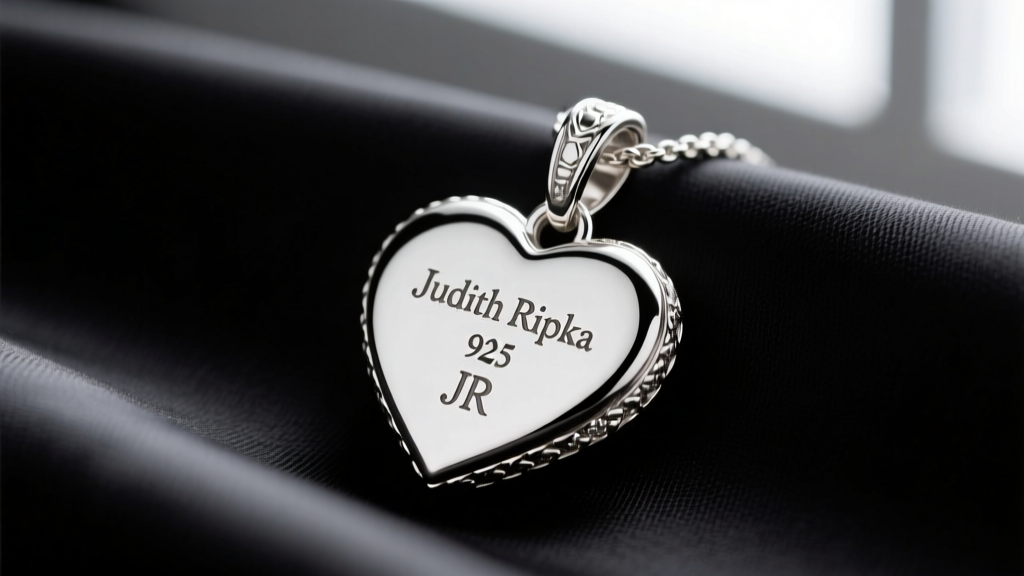
Every genuine Judith Ripka piece will bear specific hallmarks. Look for the "JR" stamp, the metal purity mark ("925" for sterling, "18k" or "750" for gold), and occasionally a copyright symbol (©). On heart pendants, these stamps are usually located on the flat back of the pendant bail or etched subtly into the bark texture near the edge.
The Weight and Drape Test
Counterfeit designers often use hollow casting or base metals plated with silver to cut costs. A genuine 1-inch sterling silver Ripka heart pendant should feel surprisingly heavy in the palm of your hand, typically weighing no less than 5 grams. If the piece feels light, tinny, or floats unnaturally on the chain, it is likely a fake or a severely hollowed-out casting.
Magnetism and Acid Testing
Sterling silver and gold are non-magnetic. If a neodymium magnet attracts the pendant or the chain clasp (excluding the tiny steel spring inside the lobster clasp mechanism), the piece is primarily composed of a ferrous base metal. For absolute certainty on pre-owned gold vermeil pieces, a professional jeweler can perform a non-destructive XRF (X-ray fluorescence) scan to verify the exact micron thickness of the gold layer.
Final Verdict: Is It Worth the Investment?
So, is a Judith Ripka heart necklace worth the investment? The answer depends entirely on how you define value. If you are looking for a piece of jewelry that will appreciate in financial value or retain its exact purchase price, the sterling silver and vermeil heart necklaces fall short due to steep retail depreciation.
However, if you value iconic American design, heavy-duty craftsmanship, and the unique, tactile appeal of the signature bark motif, the brand delivers exceptional quality. By bypassing full retail prices and targeting the secondary market, you can acquire a beautifully crafted, heavy silver heart pendant for under $150. At that price point, the Judith Ripka heart necklace transitions from a depreciating luxury good into a highly accessible, durable, and stylish wardrobe staple that easily justifies its cost.


