2026 Massive Pearl Necklace Budget & Value Assessment
Discover how to assess the true value of a massive pearl necklace in 2026. Compare Edison freshwater, South Sea, and imitation pricing to budget wisely.

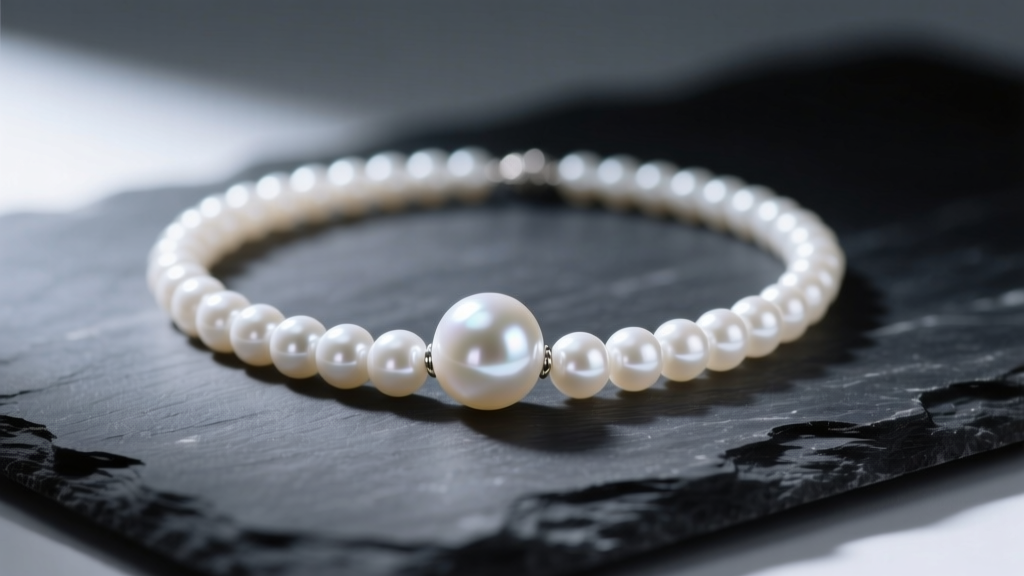
The Allure and Risk of the Massive Pearl Necklace
In the world of fine jewelry, a massive pearl necklace—defined by strands featuring pearls 12mm to 16mm or larger—represents the pinnacle of organic luxury. However, the 2026 market is heavily saturated with advanced bead-nucleated freshwater alternatives that visually mimic ultra-rare saltwater varieties. For buyers operating on a strict budget, distinguishing between a $25,000 White South Sea strand, a $1,200 Edison freshwater strand, and a $150 coated shell imitation is critical. According to the GIA Pearl Value Factors, size is a primary multiplier of value, but only when supported by nacre thickness, luster, and surface quality. This guide provides a rigorous budget and value assessment framework to ensure you do not overpay for misrepresented goods.
Decoding the Market: Saltwater vs. Edison Freshwater vs. Imitation
When evaluating oversized pearls, you are generally looking at three distinct categories. Understanding the biological and manufacturing differences is the first step in accurate value assessment.
1. White South Sea (The Investment Tier)
Produced by the Pinctada maxima oyster, these are the true giants of the pearl world. They naturally secrete thick nacre (typically 2.0mm to 6.0mm) over a period of 2 to 4 years. Their massive size is a product of the oyster's physical capacity and the extended cultivation time. Due to high mortality rates and strict environmental requirements in Australia, Indonesia, and the Philippines, supply is inherently capped, keeping prices exceptionally high.
2. Edison Freshwater (The Value Disruptor)
Introduced in the 2010s and dominating the mid-tier market in 2026, Edison pearls are bead-nucleated freshwater pearls grown in mussels. Unlike traditional tissue-nucleated freshwater pearls (which are solid nacre but rarely perfectly round above 10mm), Edison pearls use a round mother-of-pearl shell bead, allowing them to achieve perfect spherical shapes at 13mm to 16mm. While they offer incredible luster and metallic overtones, their nacre layer is thinner (usually 1.0mm to 2.5mm), impacting long-term generational value.
3. Imitation and Shell Pearls (The Fashion Tier)
These are manufactured using glass, ceramic, or ground shell cores coated in synthetic pearlescent paints or essence d'orient (guanine crystals). They hold zero intrinsic gemological value and will eventually peel or chip.
| Pearl Type | Typical Size Range | Nacre Thickness | 2026 Price (18" AAA Strand) | Longevity & Heirloom Potential |
|---|---|---|---|---|
| White South Sea | 12mm - 18mm | 2.0mm - 6.0mm | $8,000 - $35,000+ | Generational (50+ years) |
| Edison Freshwater | 11mm - 16mm | 1.0mm - 2.5mm | $400 - $1,800 | High (20-40 years with care) |
| Imitation / Shell | 12mm - 20mm | 0mm (Surface Coating) | $50 - $250 | Low (3-5 years before peeling) |

The 4-Point Value Assessment Checklist
To accurately budget for a massive pearl necklace, you must look past the millimeter measurement and evaluate the structural integrity of the gems. Use this checklist when reviewing certificates or inspecting pieces in person.
Point 1: Nacre Thickness and the Chalk Test
For bead-nucleated pearls (both South Sea and Edison), nacre thickness dictates survival. If the nacre is too thin (under 0.8mm), the pearl will eventually "blink"—showing dull, chalky patches where the underlying shell bead is visible through the thin coating. When assessing value, demand X-ray certificates for South Sea pearls over 14mm. For Edison pearls, look for deep, sharp reflections; a blurry or milky reflection often indicates rushed harvesting and thin nacre.
Point 2: Luster Grading (Mirror vs. Satin)
Luster is the sharpness of light reflected off the pearl's surface. A high-value massive pearl will have "mirror" luster, meaning you can clearly see your own reflection in the surface. Satin or chalky luster drastically reduces value. A 14mm Edison pearl with mirror luster is a better financial investment than a 15mm South Sea pearl with poor, chalky luster. As noted in the GIA Pearl Description guidelines, luster is often the most critical beauty factor.
Point 3: Drill Hole Integrity (The Heavy Pearl Failure Mode)
This is where most amateur buyers get burned. Massive pearls are heavy. A 15mm pearl puts immense gravitational stress on the drill hole and the silk thread. Inspect the drill holes closely. If you see chipping, flaking, or "blowouts" at the exit point of the drill, the pearl was processed poorly. Furthermore, a high-value massive pearl necklace must be strung on heavy-duty size 6 or 8 silk, or synthetic PowerPro thread, and must feature French wire (bullion) at the clasp to prevent the heavy pearls from sawing through the thread over time.
Point 4: Surface Blemish Allowances
Oversized pearls spend years in the water, making them highly susceptible to environmental blemishes (calcium deposits, spots, or wrinkles). A flawless 15mm pearl is astronomically rare. When budgeting, accept minor surface blemishes (pinpricks or slight growth rings) if the luster and nacre thickness are exceptional. Paying a 300% premium for a "flawless" surface on a massive pearl is often a poor allocation of funds compared to prioritizing luster.
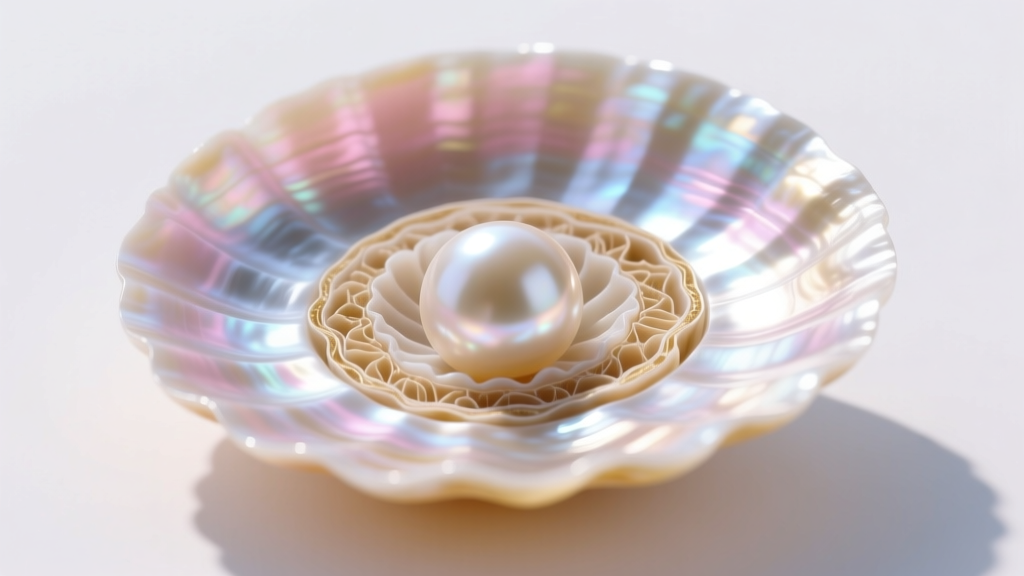
Red Flags: Identifying Overpriced or Fake Massive Pearls
The 2026 secondary market and online boutiques are rife with misleading terminology. Protect your budget by watching for these specific red flags:
- The "South Sea" Price Anomaly: If a seller offers a 14mm "South Sea" pearl necklace for $600, it is biologically and economically impossible. This is almost certainly an Edison freshwater pearl being misrepresented, or a high-end imitation.
- The Tooth Test Failure: Gently rub the pearl against the biting edge of your front tooth. Real pearls (both saltwater and freshwater) feel distinctly gritty, like fine sandpaper, due to the microscopic crystalline structure of aragonite. Imitation pearls feel perfectly smooth, like glass or plastic.
- Uniformity in Color and Overtone: Natural massive pearls, even when carefully matched, will have microscopic variations in overtone (the secondary color floating over the body color). A strand of 15mm pearls that looks completely uniform in its pink or silver overtone under fluorescent lighting is likely dyed or synthetic.
Strategic Buying: How to Maximize Your Investment
If your goal is to acquire the visual impact of a massive pearl necklace without the $20,000 South Sea price tag, the Edison freshwater pearl is your optimal vehicle. To maximize value within the Edison category, shift your budget away from perfect roundness and toward metallic luster. A 13mm Edison pearl with a sharp, metallic bronze or peacock overtone will command more respect and retain its visual brilliance longer than a perfectly round, but milky-white, 15mm specimen.
Expert Tip: Always request that your massive pearl necklace be knotted between every single pearl. Not only does this prevent the loss of multiple heavy gems if the strand breaks, but the knots also prevent the massive pearls from rubbing against one another, which can cause premature nacre wear at the contact points.
Ultimately, assessing the value of a massive pearl necklace requires looking past the millimeter measurement. By rigorously evaluating nacre depth, structural stringing methods, and true luster grades, you can confidently navigate the market and secure a piece that offers both immediate visual impact and long-term durability. For further education on organic gemstones, consult resources like Pearl Paradise Education to stay updated on the latest cultivation techniques affecting global pricing.


