How to Buy an Authentic Goldette Locket Necklace: Vintage Guide
Discover what to look for when buying a vintage Goldette locket necklace. Learn authentication marks, pricing, and condition tips in our expert guide.

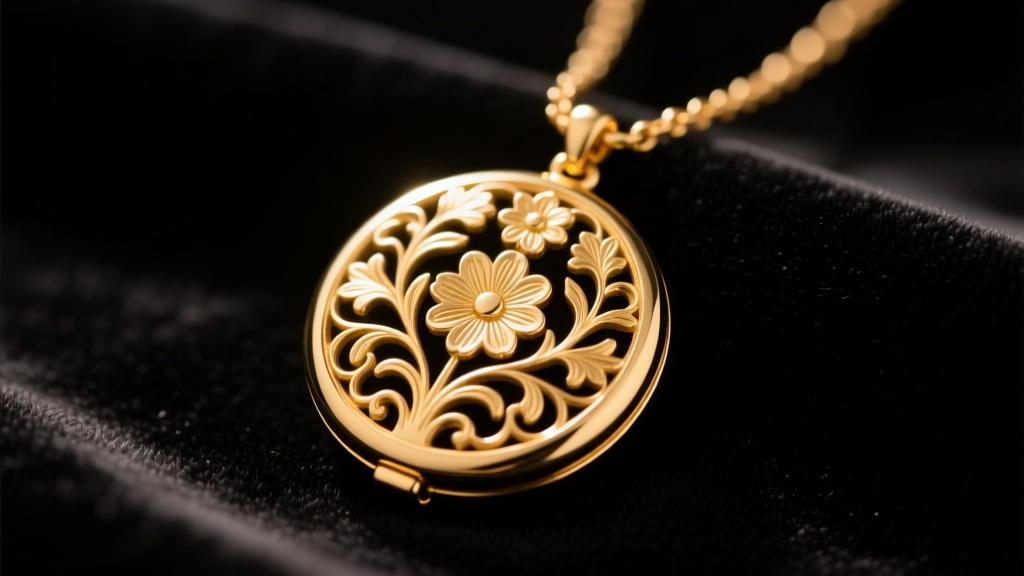
The mid-century costume jewelry boom produced some of the most enduring and collectible accessories of the 20th century, and few names command as much respect among vintage enthusiasts as Goldette. If you are hunting for a goldette locket necklace, you are not just looking for a place to store a photograph; you are seeking a piece of American manufacturing history. Known for their heavy gold electroplating, intricate filigree work, and brilliant rhinestone accents, Goldette lockets remain highly sought after in 2026.
However, the vintage market is flooded with misattributed pieces, modern reproductions, and damaged artifacts. This comprehensive buying guide will equip you with the exact specifications, authentication markers, and condition checklists needed to confidently acquire an authentic Goldette locket necklace.
The Legacy of Goldette Costume Jewelry
Founded by the Goldberg Brothers in New York City during the 1940s, Goldette quickly established itself as a premier manufacturer of high-end costume jewelry. Unlike brands that relied on flimsy base metals and thin washes, Goldette prioritized durability and luxury aesthetics. Their lockets, produced primarily between the late 1940s and the early 1970s, were crafted to mimic the weight and feel of fine karat gold jewelry.
According to the Vintage Fashion Guild, Goldette's commitment to quality meant their pieces survived decades of wear. Their lockets often featured hand-set Aurora Borealis (AB) rhinestones, cold enamel detailing, and deeply stamped floral or geometric motifs. Understanding this historical baseline is critical when evaluating the weight, finish, and craftsmanship of a potential purchase.
Authentication: Identifying a Real Goldette Locket
Authenticating a goldette locket necklace requires a keen eye for mid-century manufacturing techniques. Modern reproductions often lack the precise weight and specific hallmarking of the original era.
Hallmarks and Signatures
The most definitive proof of authenticity is the maker's mark. Goldette utilized several distinct signatures throughout its operational history:
- Early Marks (1940s-1950s): Look for a simple block-letter 'Goldette' or 'Goldette N.Y.' stamped directly into the metal on the reverse of the locket or on the hang tag.
- Post-1955 Marks: Following the U.S. Copyright Act of 1955, Goldette began incorporating the copyright symbol (©) into their hallmarks. A mark reading 'Goldette ©' or 'Goldette N.Y. ©' firmly dates the piece to the late 1950s or 1960s.
- Font and Depth: Authentic stamps are deeply struck with clean, sans-serif lettering. Shallow, laser-etched, or serif-font marks are immediate red flags for modern counterfeits.
Material Composition & Weight
Goldette lockets were rarely made of solid gold. Instead, they utilized a heavy brass or white-metal base that was heavily electroplated with gold. An authentic piece will have a substantial, premium heft to it. If the locket feels exceptionally light or hollow, it is likely a later-era reproduction made from cheap aluminum or thin pot metal. Furthermore, the gold tone on authentic vintage pieces has a warm, rich, slightly brassy hue, distinct from the overly yellow or pale 'champagne' finishes seen in contemporary fast-fashion jewelry.

Condition Checklist: What to Inspect Before Buying
Vintage costume jewelry is prone to specific failure modes due to its material composition. Before finalizing your purchase, meticulously inspect the locket for the following issues:
- Hinge and Bail Integrity: Many mid-century lockets utilized pot metal for the hinge mechanisms. Over time, pot metal can suffer from 'pestering' or crystallization, causing the hinge to snap. Gently open and close the locket; it should move smoothly without grinding or catching.
- Enamel Chipping: Goldette frequently used cold enamel to add black or deep red accents to their filigree designs. Inspect the recessed areas under a bright light. Cold enamel is essentially a hardened resin and is highly susceptible to chipping if dropped.
- Rhinestone Foil Degradation: If the locket features rhinestones, check the backing. Vintage stones were foil-backed to enhance sparkle. If moisture has breached the setting, the foil will oxidize, turning the stones black or dull. Replacement of these specific vintage cuts is incredibly difficult and costly.
- Interior Frame and Glass: Check the internal bezel meant to hold the photograph. Ensure the original brass tension rings or celluloid covers are present. Missing internal frames significantly decrease the collectible value.
- Clasp Mechanism: Original Goldette necklaces typically featured sturdy spring-ring clasps or fold-over safety clasps. Ensure the spring mechanism still has tension and snaps shut securely.
Vintage Market Pricing & Valuation Table
The value of a goldette locket necklace fluctuates based on rarity, condition, and the complexity of the design. As of 2026, the vintage market has seen a steady appreciation for pristine mid-century costume pieces. Below is a structured valuation guide to help you negotiate and assess fair market value.
| Condition Grade | Design Features | Estimated Market Price (USD) |
|---|---|---|
| Fair / Damaged | Missing stones, heavy gold wear, broken hinge or missing chain. | $35 - $60 |
| Good / Wearable | Intact hinge, minor gold loss on high edges, all stones present but slightly dull. | $75 - $120 |
| Excellent / Pristine | Bright gold plating, flawless enamel, brilliant AB rhinestones, original chain and clasp. | $140 - $225 |
| Rare / Collector | Unusual shapes (e.g., heart with navette stones), heavy pave settings, documented provenance. | $250 - $400+ |
Styling Your Goldette Locket for Modern Wear
While Goldette lockets are undeniably vintage, they integrate beautifully into contemporary wardrobes when styled with intention. Most original Goldette chains measure between 16 and 18 inches, designed to sit right at the collarbone.
For a modern aesthetic, utilize the locket as the anchor piece in a layered necklace stack. Pair the intricate, heavy gold-tone filigree of the locket with two or three delicate, modern solid-gold or gold-vermeil satellite chains of varying lengths (14 inches and 20 inches). This contrast between the chunky, ornate mid-century centerpiece and minimalist modern chains prevents the look from appearing costumey. The rich gold tone also pairs exceptionally well with deep jewel-toned fabrics like emerald silk, navy velvet, or burgundy wool.

Where to Source Authentic Pieces Safely
Finding a genuine goldette locket necklace requires patience and a reliance on reputable platforms. Avoid generic marketplace apps where misattributions are rampant and seller accountability is low.
Instead, focus your search on curated vintage platforms. Ruby Lane is highly recommended, as their vetting process for antique and vintage jewelry dealers is stringent, ensuring that hallmarks and material descriptions are accurate. Etsy can also be a goldmine, provided you filter for sellers with thousands of reviews who specialize specifically in mid-century costume jewelry and provide high-resolution macro photographs of the maker's marks.
Additionally, regional estate sales and specialized vintage jewelry shows remain excellent avenues for discovery. When buying in person, always carry a jeweler's loupe to inspect the depth of the hallmark and the condition of the rhinestone foils on the spot.
Final Verdict
Investing in a vintage Goldette locket necklace is a rewarding pursuit that bridges the gap between historical artistry and everyday wearable art. By strictly verifying the hallmark, assessing the structural integrity of the hinge and enamel, and understanding current market valuations, you can confidently add a stunning piece of mid-century American craftsmanship to your collection. Treat the piece with care, keep it away from harsh perfumes and moisture, and it will easily endure for another half-century.


