How to Style and Layer a Simple Heart Necklace Perfectly
Master the art of layering with our step-by-step guide. Learn how to choose, size, and style a simple heart necklace for any neckline and occasion.

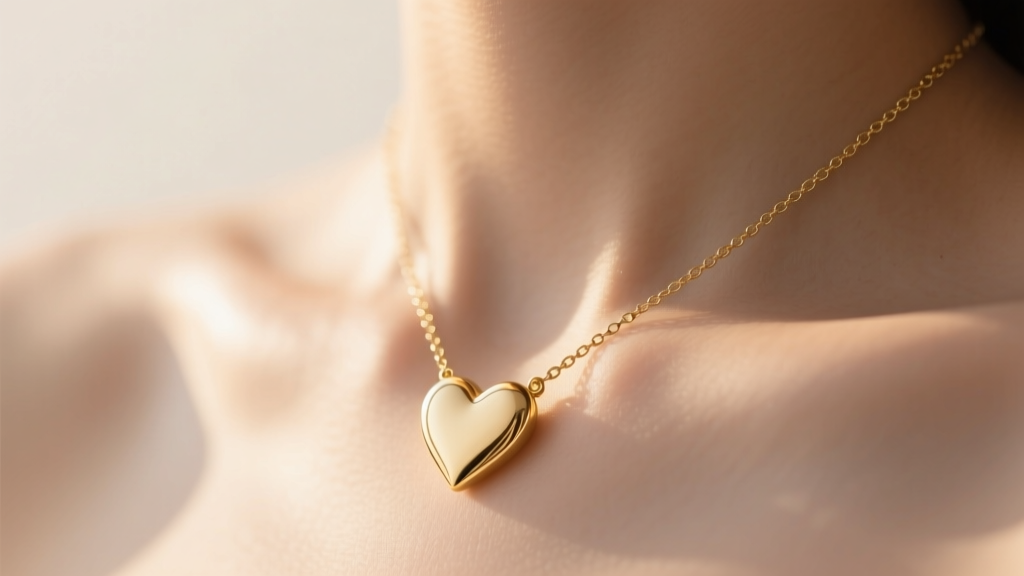
The Anatomy of a High-Quality Heart Pendant
The simple heart necklace is a cornerstone of modern jewelry wardrobes, but its ubiquity means the difference between a timeless staple and a fleeting trend lies entirely in its anatomical details. When selecting your foundational piece, the metal grade dictates its longevity and how it will interact with your skin's chemistry. 14k solid gold (58.5% pure gold alloyed with copper and zinc) offers the ideal balance of rich color and tensile strength, resisting the bending and warping that plagues softer 24k or 18k pieces. If you prefer silver, ensure it is stamped '.925' for sterling silver. For gold vermeil, the Federal Trade Commission (FTC) strictly requires a base of .925 sterling silver plated with at least 2.5 microns of 10k or higher gold. Anything less is considered standard 'gold plated' and will quickly wear through to the base metal with daily friction.
Beyond the metal, the proportions of the heart itself are critical. A truly 'simple' heart pendant should measure between 10mm and 15mm in width. Anything larger crosses into statement territory, while pendants smaller than 8mm tend to get visually lost against the chest and can easily flip upside down on the chain. Additionally, inspect the bail—the loop that connects the pendant to the chain. A soldered, solid bail will withstand years of friction, whereas a glued or pinched bail is a common failure point in mass-produced jewelry.
Step 1: Match the Chain to the Bail and Clasp
The chain you select must complement both the pendant's weight and the bail's inner diameter. A 1.2mm box chain is widely considered the gold standard for heart pendants. Unlike cable or rolo chains, which have rounded links that create uneven friction, a box chain features flat, smooth surfaces that allow the bail to glide freely, preventing premature wear on the metal. Ensure the chain's width is at least 0.3mm thinner than the bail's inner diameter to avoid a stiff, unnatural drape.
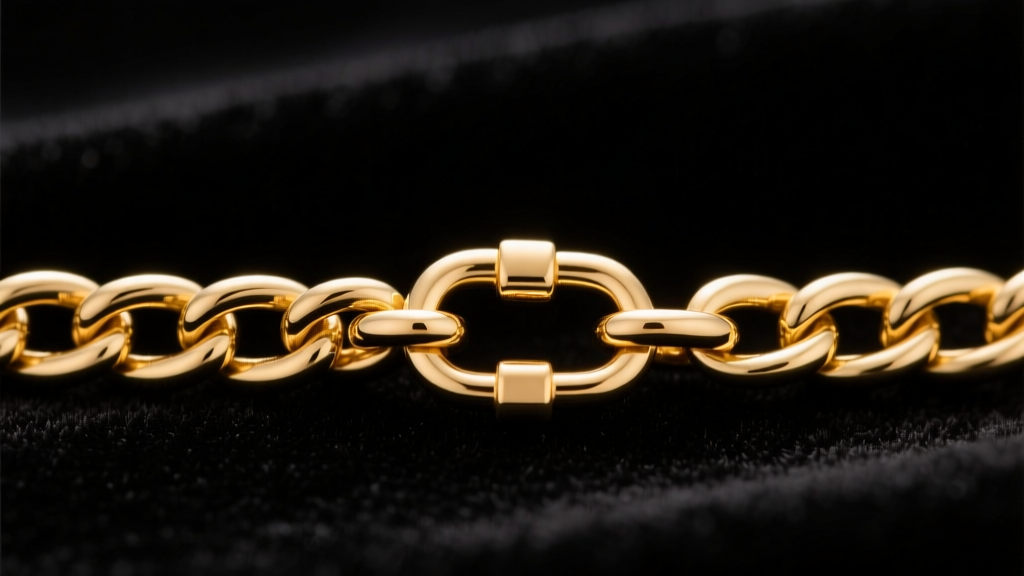
Equally important is the clasp mechanics. Avoid spring-ring clasps for daily wear. The microscopic internal spring is prone to fatigue, and the tiny lever is difficult to operate when layering. Instead, opt for a lobster clasp with a minimum width of 5mm. A well-crafted lobster clasp provides a secure, self-closing mechanism that withstands the tension of a layered stack and is significantly easier to fasten behind your neck.
Step 2: Proportion and Neckline Mapping
A simple heart necklace is incredibly versatile, but its impact changes dramatically depending on the chain length and the neckline of your garment. The goal is to frame the face and follow the natural geometry of your clothing. Below is a definitive sizing chart to help you match your chain length to your wardrobe.
| Chain Length | Style Category | Ideal Neckline | Recommended Heart Size |
|---|---|---|---|
| 14" - 16" | Choker / Collar | Crew neck, Boat neck, Off-shoulder | 8mm - 10mm |
| 17" - 19" | Princess | V-Neck, Scoop neck, Sweetheart | 12mm - 15mm |
| 20" - 24" | Matinee | Button-down shirts, Turtlenecks | 15mm - 18mm |
The 18-inch princess length remains the most universally flattering, allowing the heart pendant to rest perfectly in the hollow of the collarbone or just below it, acting as a natural focal point for V-neck and scoop-neck tops.
Step 3: The Anti-Tangle Layering Formula
Layering a simple heart necklace is where many enthusiasts encounter frustration, primarily due to tangled chains. The primary cause of tangling is friction between interlocking links of similar sizes. To build a cohesive, tangle-resistant stack, follow this three-step framework:
- Establish the Two-Inch Rule: Never layer chains that are less than two inches apart. If your simple heart necklace sits at 18 inches, your base choker must be exactly 16 inches, and your third layer must be 20 inches. This physical gap prevents the chains from crossing over and knotting.
- Mix Chain Textures: Pair the smooth box chain of your heart pendant with contrasting textures for the surrounding layers. A 16-inch herringbone or snake chain sits flat against the skin, while a 20-inch satellite or beaded chain introduces visual weight without overlapping link patterns.
- Balance the Visual Weight: Your heart pendant should remain the undisputed focal point. Flank it with minimalist, gem-free chains or tiny, subtle stations (like 2mm pearls or diamond chips) on the longer layers to guide the eye back to the center.

By adhering to this structural diversity in your stack, you ensure that each piece lays flat and maintains its individual integrity throughout the day.
Step 4: Daily Wear and Maintenance Protocol
Because a simple heart necklace is often worn daily, it is continuously exposed to environmental stressors. According to Jewelers of America, daily exposure to sebum, perfumes, lotions, and cosmetics creates a microscopic film that dulls precious metals and can accelerate the tarnishing of sterling silver alloys.
To maintain the brilliance of your piece without causing micro-scratches, abandon harsh chemical dips and ultrasonic cleaners, which can degrade the polish and weaken delicate solder points. Instead, adopt a gentle weekly maintenance protocol:
- The Soak: Mix a few drops of mild, phosphate-free dish soap into a bowl of lukewarm water. Submerge the necklace for exactly three to five minutes to loosen oils.
- The Agitation: Use a brand-new, ultra-soft baby toothbrush to gently sweep the back of the heart pendant and the interior of the bail, where dirt accumulates most heavily.
- The Dry: Rinse thoroughly under distilled water to avoid hard water spots, then pat completely dry with a lint-free microfiber cloth. Never air-dry, as water trapped in the chain links can cause localized oxidation.
Expert Storage Tip: Never toss your layered necklaces into a communal jewelry box. Store your simple heart necklace flat in an anti-tarnish pouch, or hang it from a dedicated hook. If you must travel with it, thread the chain through a plastic straw and clasp it to prevent impossible knots from forming in your luggage.
Final Thoughts on Building Your Signature Look
Mastering the simple heart necklace is less about following fleeting trends and more about understanding the geometry, metallurgy, and mechanics of fine jewelry. By selecting the correct metal grade, matching your chain to your neckline, applying the two-inch layering rule, and maintaining a strict cleaning protocol, you elevate a basic accessory into a sophisticated, lifelong signature piece. Whether worn solo against a crisp white t-shirt or layered beneath a tailored blazer, a well-chosen heart pendant remains an enduring testament to personal style and thoughtful curation.


