Taylor Swift Lightning Necklace: Material Comparison Guide
Discover the best materials for a Taylor Swift lightning necklace. Compare official merch alloys, sterling silver, and solid gold for lasting quality.

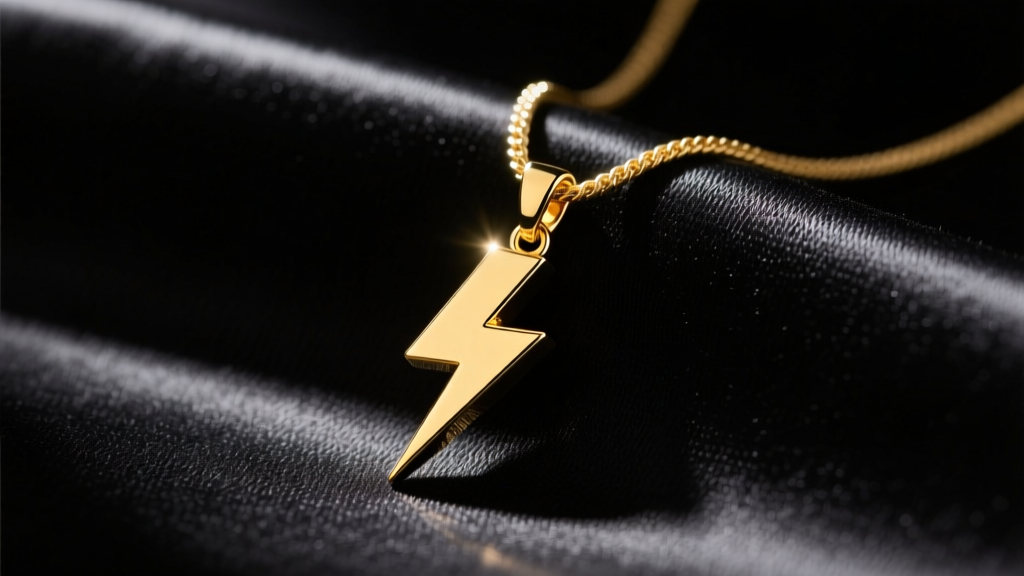
The lightning bolt motif has transcended its rock-and-roll origins to become a defining symbol of modern pop culture, heavily popularized by Taylor Swift’s transitional eras and ongoing stadium tours. As we navigate the jewelry landscape in 2026, the market for a taylor swift lightning necklace is more saturated than ever. Fans and fashion enthusiasts alike are hunting for the perfect pendant, but the quality gap between official tour merchandise and fine jewelry interpretations is staggering.
Whether you are looking to replicate the iconic 1989 aesthetic or invest in a timeless piece that honors the motif, understanding the metallurgical properties of these necklaces is crucial. This guide breaks down the materials, chain mechanics, and longevity of the lightning bolt pendant, helping you make an informed decision that balances budget, skin safety, and everyday wearability.
The Anatomy of an Iconic Pendant: Base Metals vs. Precious Alloys
When you purchase an official taylor swift lightning necklace from a pop-up shop or online merch store, you are typically buying a fashion accessory, not a fine jewelry piece. These mass-produced items prioritize low manufacturing costs and rapid turnaround times. Conversely, independent jewelers and luxury brands approach the lightning bolt as a permanent fixture in a jewelry wardrobe, utilizing precious metals and advanced casting techniques.
Zinc Alloy (Zamak) and Brass: The Merch Standard
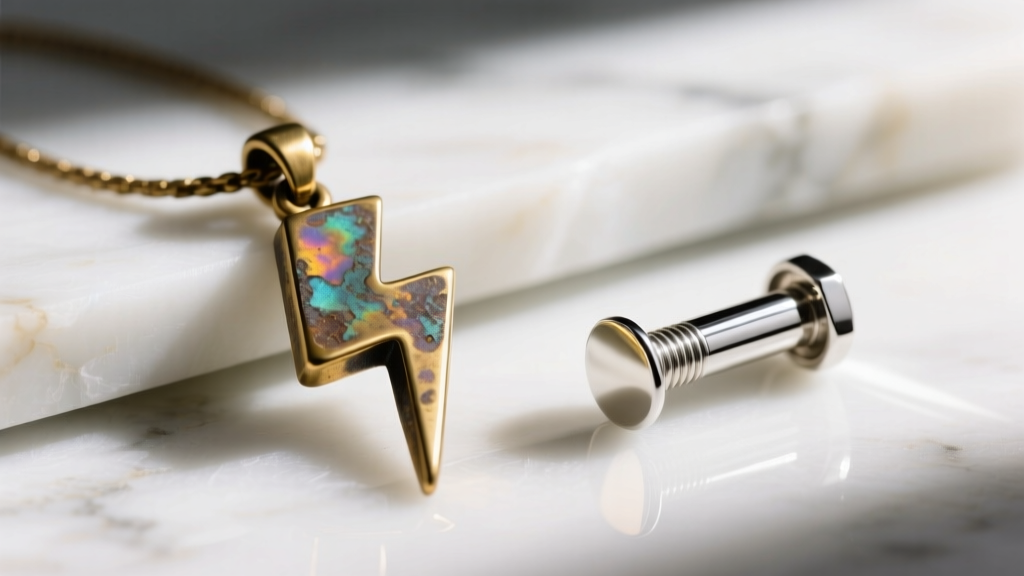
Most official tour merchandise is cast from Zamak—a zinc alloy containing aluminum, magnesium, and copper—or stamped from brass sheets. Zamak is favored for its low melting point and ability to capture sharp, angular details (perfect for the crisp edges of a lightning bolt). However, it is inherently brittle and prone to snapping if bent. To achieve the golden look, these base metals are "flash plated" with a microscopic layer of gold or brass, usually measuring less than 0.3 microns. With daily wear, this plating friction-wears away within three to six months, exposing the reactive base metal underneath.
Precious Metal Breakdown: Investing in Longevity
For those seeking a taylor swift lightning necklace that will not turn their skin green or degrade over time, precious metals are the only viable option. According to the Gemological Institute of America (GIA), understanding the karatage and alloy composition of gold and silver is essential for predicting a piece's durability and color retention.
Sterling Silver (925) and Rhodium Plating
Sterling silver is an alloy of 92.5% pure silver and 7.5% copper. The copper adds necessary tensile strength but also makes the metal susceptible to sulfur-induced tarnishing. A high-quality silver lightning bolt will often be plated with rhodium—a platinum-group metal that provides a brilliant, tarnish-resistant white finish. While beautiful, rhodium plating on high-friction areas (like the back of the pendant) will eventually wear thin, requiring re-plating every few years.
Solid Gold: 10k, 14k, and 18k
Solid gold is the ultimate choice for a permanent lightning bolt necklace.
- 10k Gold (41.7% pure): Highly durable and scratch-resistant, but possesses a paler yellow hue. Ideal for those on a stricter budget who still want a solid, non-tarnishing metal.
- 14k Gold (58.5% pure): The sweet spot for fine jewelry. It offers a rich, warm yellow tone that perfectly mimics vintage rock-and-roll gold, while maintaining enough alloyed strength to resist denting.
- 18k Gold (75% pure): Luxuriously rich in color but softer. An 18k lightning bolt with sharp, pointed edges may slowly round off over a decade of heavy wear.
Chain Pairings: Matching the Bolt’s Weight and Vibe
A pendant is only as strong as the chain it hangs from. The sharp, aggressive geometry of a lightning bolt requires a chain that complements its visual weight without overpowering it.
The 1.5mm Box Chain: Box chains feature square, interlocking links that reflect light beautifully. A 1.5mm gauge provides enough structural integrity to hold a 2-gram solid gold bolt without snapping, while maintaining a delicate, feminine profile.
The 2.0mm Cable Chain: For a grungier, more authentic 1989-era aesthetic, a slightly thicker cable chain with soldered links is ideal. Always ensure the links are soldered (meaning the gap in the oval link is welded shut). Unsoldered cable chains will easily pull apart if the lightning bolt snags on a sweater.
Comparative Data Table: Longevity, Cost, and Skin Safety
Use this framework to evaluate the true cost-per-wear of your taylor swift lightning necklace based on its material composition.
| Material Base | Plating / Finish | Lifespan (Daily Wear) | Price Range | Skin Safety |
|---|---|---|---|---|
| Zinc Alloy (Zamak) | Flash Gold (< 0.3μm) | 3 - 6 Months | $15 - $35 | Poor (High nickel risk) |
| Brass | Heavy Electroplate (2μm) | 1 - 2 Years | $40 - $80 | Fair (Copper oxidation) |
| Sterling Silver (925) | Rhodium Flash | Lifetime (Needs re-plate) | $80 - $150 | Excellent (Hypoallergenic) |
| Sterling Silver (925) | Gold Vermeil (2.5μm+) | 2 - 5 Years | $120 - $250 | Excellent |
| Solid 14k Gold | None (Solid throughout) | Generational | $350 - $800+ | Flawless |
Gemstone Accents: Elevating the Motif
For those who want to merge pop-culture fandom with high-end luxury, adding diamond melee to the lightning bolt is a popular 2026 trend. Jewelers typically use a pavé setting, embedding 1.2mm to 1.5mm round brilliant diamonds along the spine of the bolt.
Expert Tip: When commissioning a diamond lightning bolt, insist on VS-clarity and G-H color melee. Because the surface area of the pendant is small, lower-grade diamonds with visible carbon inclusions will be highly noticeable against the metal.
How to Commission a Custom Fine Jewelry Version
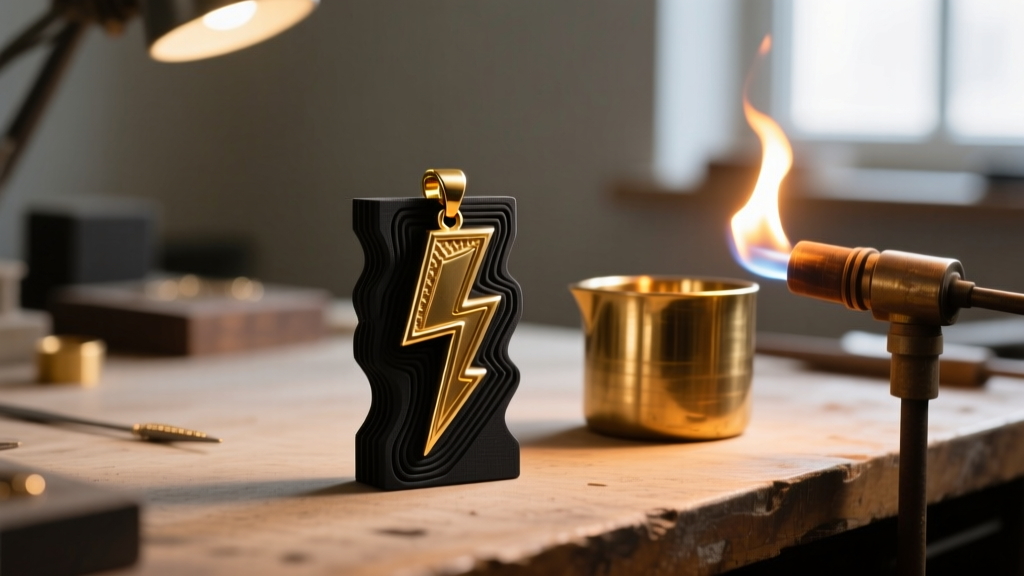
If you cannot find a pre-made solid gold piece that captures the exact proportions of your favorite taylor swift lightning necklace, commissioning a custom piece is easier than ever. Modern jewelers utilize CAD (Computer-Aided Design) to draft the pendant.
When working with a CAD designer, pay close attention to the bail (the loop the chain passes through). A lightning bolt is an asymmetrical, top-heavy shape. If the bail is placed dead-center on the top edge, the bolt will tilt awkwardly on your chest. The CAD designer must offset the bail slightly or add a hidden counterweight to the bottom tip of the bolt to ensure it lays perfectly flat against the sternum. As noted by the GIA's precious metals guidelines, proper structural engineering in the casting phase prevents long-term stress fractures at the bail joint.
Care and Maintenance: Preserving the Spark
The care regimen for your necklace depends entirely on its material.
- For Plated Merch and Vermeil: Never use ultrasonic cleaners or chemical dip polishes. These will strip the gold or rhodium layers instantly. Clean only with warm water, a drop of mild dish soap, and a microfiber cloth.
- For Solid Gold and Unplated Silver: You can safely use an ultrasonic cleaner to remove body oils and lotion buildup from the crevices of the bolt. For silver, keep the pendant in an anti-tarnish bag lined with activated charcoal when not in use to prevent sulfur exposure.
Final Thoughts on Material Selection
The cultural footprint of the lightning bolt ensures it will remain a staple in jewelry boxes for decades. While an official zinc-alloy taylor swift lightning necklace serves as a fun, nostalgic keepsake from a specific tour, transitioning to sterling silver or solid 14k gold transforms a fleeting trend into a permanent, heirloom-quality accessory. By prioritizing material integrity, soldered chain links, and proper bail placement, you ensure your lightning bolt strikes with brilliance for a lifetime.


