Scarf and Bead Necklace Engineering: Textile Tension & Gem Pairings
Explore the technical engineering of the scarf and bead necklace. Learn about silk tensile strength, gemstone drilling, and textile clasp integration.

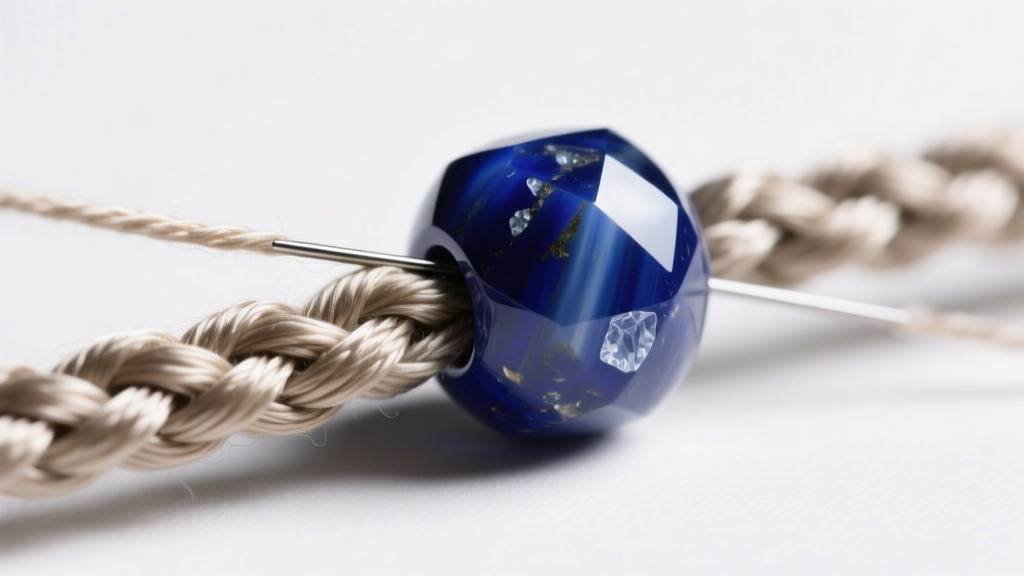
The scarf and bead necklace represents a fascinating intersection of soft textile engineering and hard mineralogy. Unlike traditional wire-strung or chain-suspended jewelry, this hybrid category relies on scarf-grade materials—heavy braided silks, woven velvets, and supple calfskin leathers—as the primary structural suspension system for substantial gemstone, glass, or artisan metal beads. In 2026, as sustainable mixed-media haute couture continues to dominate the runways, the technical demands of fusing porous organic textiles with dense, abrasive minerals have never been higher. This guide provides a deep dive into the material science, tensile limitations, and structural integration techniques required to master the scarf and bead necklace.
The Anatomy of a Scarf and Bead Necklace
To understand the engineering behind a scarf and bead necklace, one must first distinguish between standard jewelry stringing materials and true scarf-grade textiles. Standard Size F silk bead thread (approximately 0.35mm in diameter) is designed for knotting between small pearls. In contrast, scarf-grade cords range from 2.0mm to 5.0mm in thickness. These cords are designed to drape like a garment, offering a soft, skin-friendly alternative to cold metal chains. However, this increased thickness introduces complex challenges regarding bead hole clearance, internal friction, and clasp termination. The structural integrity of the necklace relies entirely on the textile's resistance to both tensile pulling and abrasive shearing.
Textile Tensile Strength & Load-Bearing Limits
When suspending heavy gemstone beads—such as solid quartz geodes, large lampwork glass, or carved jade—the tensile strength of the scarf material is paramount. However, tensile strength (resistance to snapping under static weight) is often less critical than abrasion resistance (resistance to fraying against sharp bead holes). Below is a technical comparison of common scarf-grade materials used in high-end necklace construction.
| Material | Gauge (mm) | Tensile Strength (lbs) | Abrasion Resistance | Best Bead Pairing |
|---|---|---|---|---|
| Braided Raw Silk | 2.0 | 45 | Low | Smooth glass, polished agate |
| Woven Velvet Cord | 3.5 | 30 | Medium | Rounded wood, large-hole pearls |
| Calfskin Leather | 4.0 | 85 | High | Rough-drilled turquoise, metal |
| Recycled PET Silk | 2.5 | 60 | High | Sharp-edged crystals, geodes |
As noted by material specialists at Fire Mountain Gems, synthetic alternatives like Recycled PET (polyethylene terephthalate) silk offer the drape of organic silk with the abrasion resistance of Kevlar, making them ideal for heavy, sharp-edged mineral beads.
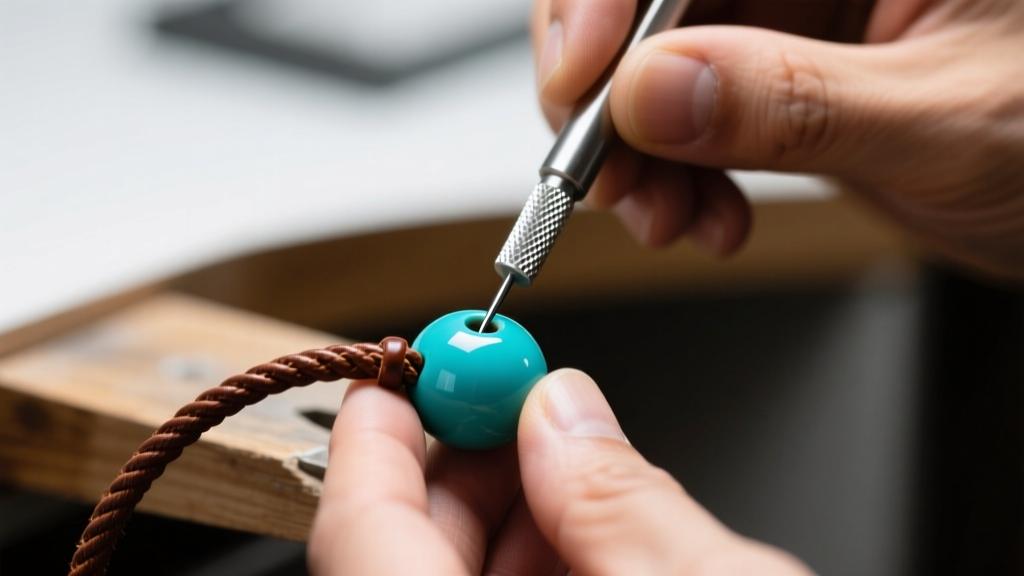
Gemstone Bead Drilling & Friction Management
The most common failure mode in a scarf and bead necklace is internal cord sawing. This occurs when the sharp, unpolished inner edge of a gemstone bead acts like a serrated blade against the textile cord. The Gemological Institute of America (GIA) notes that minerals like quartz and agate (Mohs hardness 7) are significantly harder than organic protein fibers like silk or cellulose fibers like cotton. Over time, the micro-movements of the necklace against the wearer's body will cause the hard mineral to slice through the softer textile.
Hole Diameter vs. Cord Gauge Tolerances
To mitigate friction, strict tolerances must be maintained between the cord gauge and the bead hole diameter. A scarf cord should never be forced through a bead. The industry standard is a minimum 0.5mm clearance. For example, a 3.0mm braided silk cord requires a bead hole drilled to at least 3.5mm. If the bead hole is too small, the textile compresses, weakening its structural matrix and accelerating fraying.
- Diamond Reaming: Always use a diamond-tipped bead reamer to smooth the interior of stone beads. This creates a polished 'girdle' inside the drill hole, eliminating micro-fissures that catch and tear silk fibers.
- French Wire Guards (Gimp): For extremely heavy beads on delicate silk scarf cords, thread a microscopic coil of fine silver or gold French wire through the bead hole first. The textile cord passes through the metal coil, completely eliminating stone-on-silk friction.
Advanced Knotting & Clasp Integration Techniques
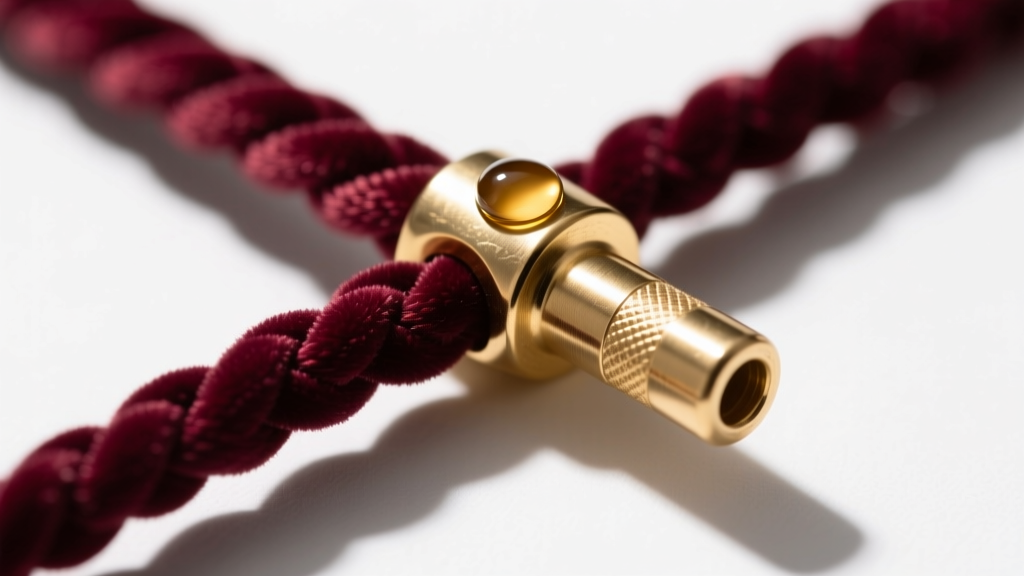
Terminating a 3mm or 4mm scarf cord requires specialized hardware. Traditional metal crimp beads are entirely unsuitable for scarf-grade textiles; the immense pressure required to crush a metal crimp tube will instantly sever or fatally weaken a thick silk or velvet cord. Instead, master jewelers rely on chemical adhesion and macramé tension knots.
"When working with scarf-grade velvet or thick leather, never rely on mechanical crimps. The sheer volume of fibers inside a 4mm cord will compress and slip out of a crimp tube under the dynamic load of a heavy pendant. Always use deep-well glue-in cord ends with a flexible cyanoacrylate adhesive." — Master Bench Jeweler Technical Notes, 2025.
Adhesive Selection for Textile Termination
When securing the ends of a scarf and bead necklace into metal ribbon ends or glue-in cord caps, the choice of adhesive dictates the lifespan of the piece. Standard super glue (thin cyanoacrylate) dries brittle and will shatter when the necklace bends. Instead, use G-S Hypo Cement for porous textiles like silk, as it penetrates the fibers and dries with a slight flex. For leather or synthetic PET cords, a two-part flexible epoxy or a gel-based cyanoacrylate (like Loctite 454) provides a shock-absorbing bond that withstands the constant bending at the clasp joint.
The Sliding Square Knot Alternative
For a completely hardware-free termination, the sliding square knot (macramé) is the superior choice. By using a thinner, high-tensile synthetic thread (such as 0.8mm braided nylon) to tie a series of square knots around the main scarf cord, you create an adjustable slip-clasp. This technique not only eliminates the need for metal clasps but also allows the wearer to adjust the length of the heavy bead pendant to perfectly suit different necklines, from high collars to deep V-necks.
Environmental Degradation & Maintenance Protocols
The intersection of organic textiles and inorganic minerals creates unique maintenance challenges. Human sweat is mildly acidic (pH 4.5 to 7.0), which rapidly breaks down the fibroin proteins in natural silk and degrades the tanning agents in leather. When a scarf and bead necklace is worn against the skin, the textile absorbs these acidic compounds, leading to dry rot and catastrophic snapping.
To preserve these hybrid pieces, strict maintenance protocols must be followed:
- UV Protection: Prolonged exposure to ultraviolet light will bleach and weaken natural velvet and silk. Store the necklace in an opaque, acid-free tissue-lined box.
- Chemical Isolation: Never use ultrasonic jewelry cleaners or harsh chemical dips on a scarf and bead necklace. The high-frequency vibrations will shatter the internal fiber matrix of the cord, while the chemicals will strip the natural oils from leather cords.
- Conditioning: Leather scarf cords require periodic treatment with a micro-crystalline wax or specialized leather conditioner to prevent desiccation and cracking at the knot points.
By respecting the material science of both the textile and the gemstone, jewelers and collectors can ensure that the scarf and bead necklace remains a durable, breathtaking staple of mixed-media fashion for decades to come.


