Ultimate Care Guide for Your Favorite 2 Heart Necklace
Learn expert cleaning, maintenance, and storage tips for your 2 heart necklace. Protect gold vermeil, silver, and gemstones from tarnish and damage.

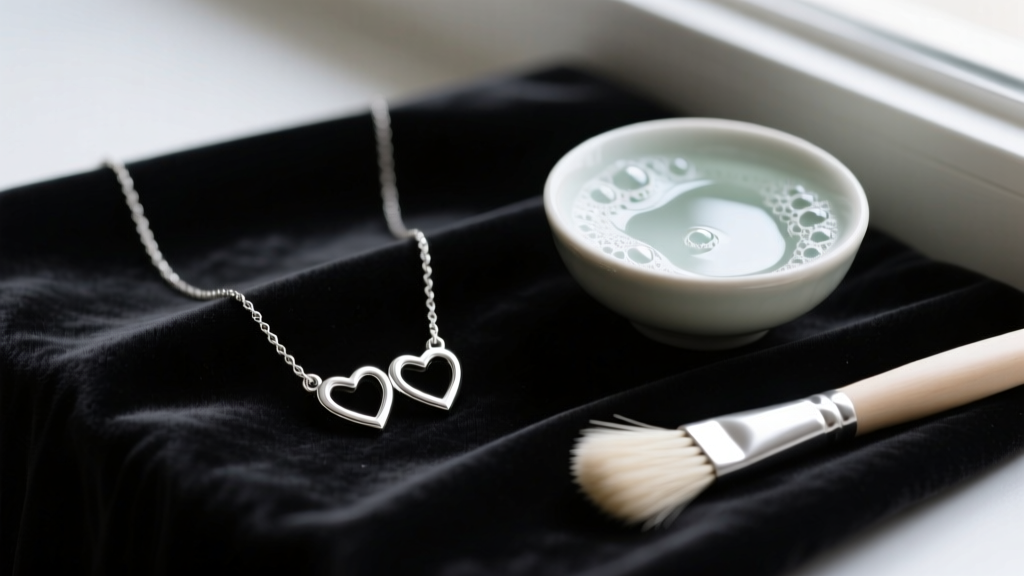
A 2 heart necklace is more than just an accessory; it is often a deeply sentimental piece symbolizing connection, whether between partners, a mother and child, or lifelong friends. However, the intricate design of dual pendants, intertwined hearts, or side-by-side motifs creates unique maintenance challenges. The micro-crevices between the hearts, the bail loops, and the chain links easily trap sebum, cosmetic residues, and dead skin cells, leading to rapid tarnishing and dullness.
As jewelry materials and manufacturing techniques evolve through 2026, the cleaning protocols for these specific pieces require precise, material-aware strategies. Using the wrong chemical agent can permanently strip gold vermeil or loosen gemstone adhesives. This comprehensive guide provides actionable, expert-level care instructions to keep your necklace pristine.
The Material Matrix: Identify Your Metal
Before applying any liquid or abrasive, you must identify the exact metallurgical composition of your necklace. The Federal Trade Commission (FTC) strictly defines jewelry metal standards, and treating a plated piece like solid gold will result in catastrophic delamination.
| Material | Composition & Specs | Tarnish Risk | Cleaning Restrictions |
|---|---|---|---|
| Sterling Silver (925) | 92.5% pure silver, 7.5% copper alloy | High (Silver Sulfide) | Avoid chlorine; requires regular polishing. |
| Gold Vermeil | Minimum 2.5 microns of 10k+ gold over 925 silver | Medium (Wear-through) | NO ultrasonic cleaners; NO chemical dips. |
| Solid 14k/18k Gold | 58.5% to 75% pure gold, alloyed for strength | Very Low | Safe for mild ultrasonic; avoid harsh acids. |
| Platinum (950) | 95% pure platinum, 5% ruthenium or iridium | None (Develops Patina) | Requires professional repolishing for scratches. |
The Expert Cleaning Protocol
For 90% of daily maintenance, manual cleaning is vastly superior to automated methods. The Gemological Institute of America (GIA) consistently recommends mild, non-detergent soaps for routine jewelry care. Here is the exact protocol for safely cleaning the intricate gaps of a 2 heart necklace.
Step 1: Solution Preparation
Mix exactly three drops of phosphate-free, non-moisturizing dish soap (such as original Dawn) into eight ounces of lukewarm distilled water. Tap water contains dissolved minerals and chlorine that can leave microscopic hard-water spots on high-polish metals or cloud cubic zirconia accents.
Step 2: Targeted Soaking
Submerge the necklace for no more than five minutes if it is gold vermeil, or up to 15 minutes for solid gold and platinum. Prolonged soaking can weaken the cyanoacrylate adhesives used to secure pave-set birthstones or accent gems often found in dual-heart designs.
Step 3: Micro-Agitation
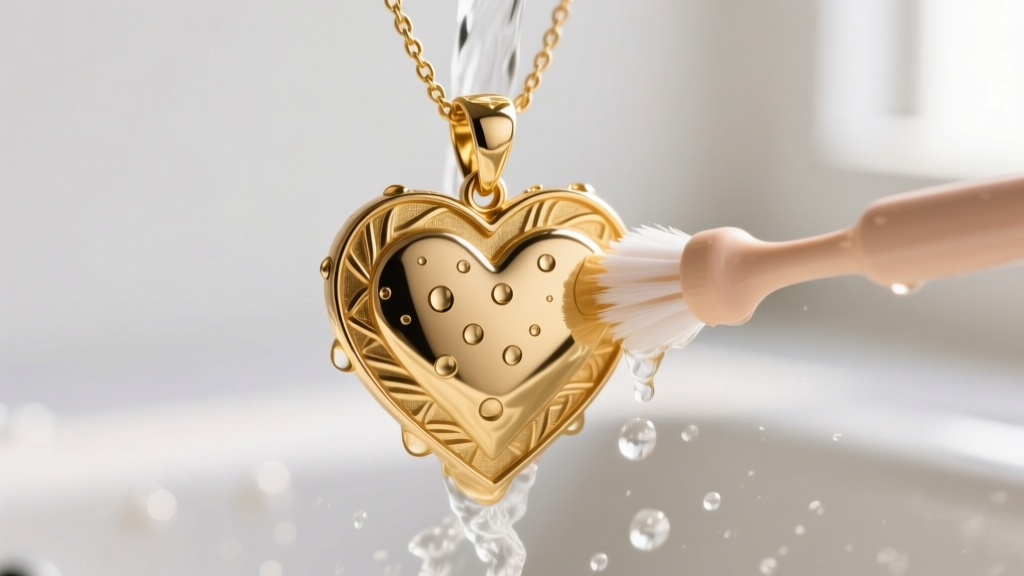
Use an extra-soft baby toothbrush (bristle diameter under 0.1mm). Gently brush the area where the chain threads through the heart bails, and carefully trace the inner contours where the two hearts meet or overlap. Never use stiff-bristled brushes, as they will inflict micro-scratches on the metal's reflective surface.
Step 4: Rinsing and Drying
Rinse thoroughly under a gentle stream of lukewarm distilled water. To dry, lay the necklace flat on a lint-free microfiber cloth. Use a hair dryer on the cool, low-airflow setting to blow water out of the clasp mechanism and bail loops. Air-drying often results in stubborn water spots.
Tarnish Removal: Myths vs. Chemistry
Sterling silver 2 heart necklaces are highly susceptible to silver sulfide tarnish, accelerated by humidity and sulfur compounds in the air. Many online forums recommend the "aluminum foil, baking soda, and boiling water" hack. While this ionic transfer method effectively removes tarnish, it is incredibly dangerous for intricate necklaces.
Expert Warning: Never use boiling water or electrochemical tarnish-removal baths on a 2 heart necklace featuring glued gemstones, oxidized (blackened) recessed details, or pearl accents. The heat will melt adhesives, and the chemical reaction will strip intentional oxidation, leaving the piece looking flat and washed out.
Instead, rely on a high-quality jeweler's polishing cloth impregnated with micro-abrasives and anti-tarnish agents, such as the Sunshine Polishing Cloth. Gently rub the high-polish areas of the hearts, avoiding any matte or brushed finishes.
Chain Mechanics and Clasp Maintenance
The physical design of a 2 heart necklace inherently increases the risk of chain tangling and clasp failure. When two pendants slide along the same chain, they create friction and can easily knot together, especially on delicate cable or box chains under 1.2mm in thickness.
Preventing the 'Double-Pendant Tangle'
- Friction Reduction: If your necklace features a silicone or rubber O-ring stopper (often used to keep the two hearts separated at a specific distance), inspect it monthly. Sweat and oils degrade silicone, causing it to become brittle and snap.
- Clasp Lubrication: Lobster clasps and spring-ring clasps can become stiff over time due to lotion buildup inside the tiny spring mechanism. Apply a microscopic drop of synthetic watch oil to the clasp hinge using a needle tip, then click it open and closed ten times to distribute the lubricant.
Proper Storage Techniques for Dual Pendants
How you store your jewelry dictates how often you need to clean it. Tossing a 2 heart necklace into a communal jewelry box guarantees a tangled chain and accelerated tarnishing due to cross-metal galvanic reactions.
The Pacific Silvercloth Method
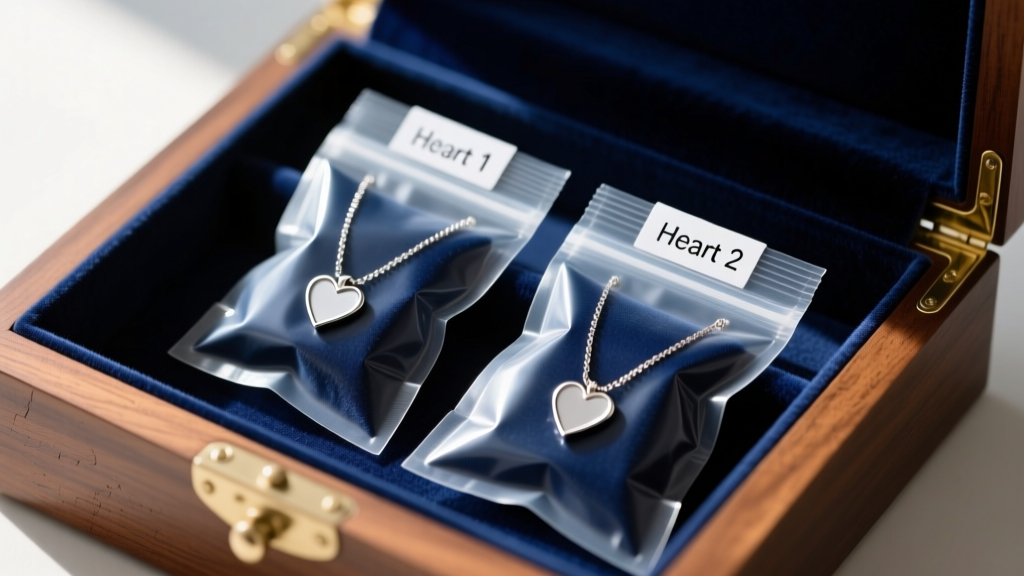
For long-term storage, wrap the necklace in a Pacific Silvercloth pouch. Unlike standard anti-tarnish strips that absorb sulfur until they are saturated and useless, Silvercloth is embedded with thousands of microscopic silver particles that act as a sacrificial anode, capturing sulfur gases before they reach your actual necklace. This keeps sterling silver pieces pristine for years without requiring polishing.
Lay Flat or Hang Vertically
Always store the necklace either hung vertically on a padded hook or laid completely flat in a dedicated drawer insert. Never crumple it into a small pouch, as the dual pendants will act as weights, pulling the delicate chain links out of their geometric alignment and causing permanent kinking.
Troubleshooting Common Issues
Even with meticulous care, mechanical and environmental issues can arise. Here is how to handle the most frequent problems reported by owners of dual-heart pendants.
Cloudy Gemstone Accents
If the cubic zirconia or diamond accents on your hearts look milky or cloudy, they are likely coated in a layer of hardened hand lotion or hairspray. Diamonds and CZ are highly lipophilic (oil-attracting). Soak the pendant in a 50/50 mixture of distilled water and isopropyl alcohol (90% concentration or higher) for three minutes, then gently brush the underside of the stones where grease accumulates.
Stuck or Jammed Bails
Sometimes, the loop (bail) connecting the heart to the chain becomes slightly crushed or bent, preventing the chain from sliding freely. Do not attempt to pry it open with pliers, as this will mar the metal. Take it to a local bench jeweler who can use a specialized mandrel to gently reshape the bail without compromising the solder joint.
By understanding the specific metallurgical and mechanical needs of your jewelry, you can ensure your 2 heart necklace remains a brilliant, untarnished symbol of your connection for decades. For further professional maintenance standards, refer to the Jewelers of America care guidelines to find a certified bench jeweler in your area for annual prong and clasp inspections.


