The Paperclip Diamond Necklace: 2026 Trend Analysis
Explore the 2026 paperclip diamond necklace trend. We analyze link gauges, pave settings, lab-grown pricing, and expert layering frameworks.

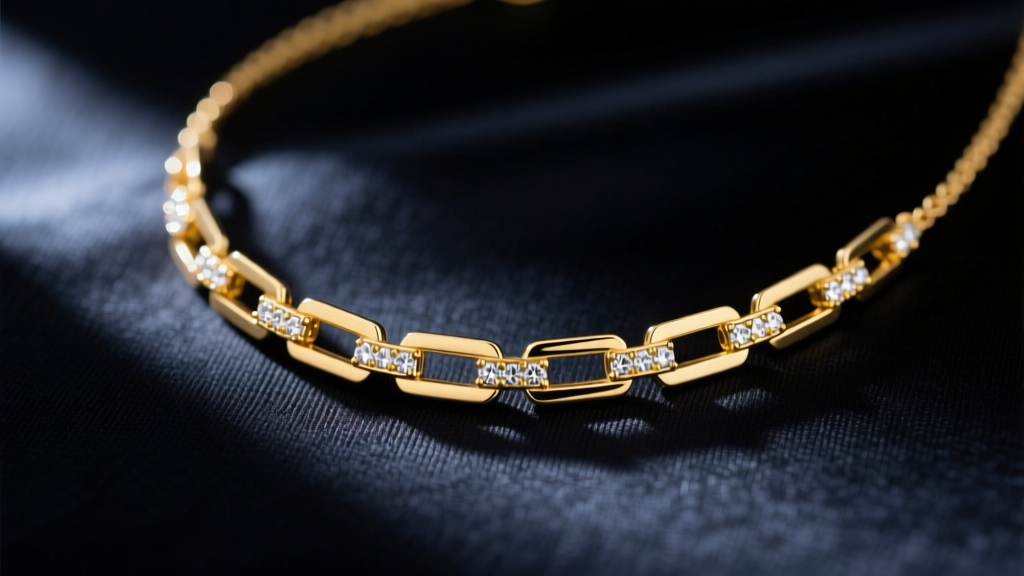
The Evolution of the Paperclip Chain in Fine Jewelry
Once relegated to the realm of lightweight, everyday gold chains, the paperclip link has undergone a radical luxury transformation. As we navigate the jewelry landscape of 2026, the paperclip diamond necklace has emerged as a definitive staple, bridging the gap between industrial geometry and high-jewelry brilliance. Originally popularized in the 1970s as a tubular, lightweight alternative to the traditional curb chain, the modern paperclip link is characterized by its elongated, rectangular loops. Today, it serves as an architectural canvas for diamond setting.
According to trend analyses from JCK Online, the consumer shift toward modular, gender-neutral, and highly textured jewelry has propelled the paperclip silhouette to the forefront of the market. However, the 2026 iteration is distinctly elevated. Jewelers are no longer just offering hollow gold links; they are integrating micro-pave diamonds, bezel-set solitaires, and alternating gemstone stations directly into the structural links. This evolution transforms a once-casual accessory into a red-carpet-ready statement piece that retains an effortless, modern edge.
Anatomy of a Luxury Paperclip Diamond Necklace
To understand the value and wearability of a paperclip diamond necklace, one must examine its structural anatomy. The defining feature is the link dimension, which dictates how the necklace drapes and how diamonds can be set.
Link Dimensions and Wire Gauges
- Micro Links (3mm x 8mm): Typically crafted from 18-gauge (1.0mm) wire. These are ideal for delicate layering but lack the surface area for significant diamond integration. They are best suited for subtle, bezel-set single diamonds placed every fifth link.
- Standard Links (5mm x 15mm): The industry standard for 2026. Usually cast or drawn from 14-gauge (1.6mm) wire, providing enough structural integrity to support pave diamonds along the entire outer edge of the rectangular loop without warping.
- Oversized Links (8mm x 25mm): Crafted from heavy 10-gauge to 12-gauge wire. These statement pieces often feature channel-set baguette diamonds or large, bezel-set oval diamonds suspended within the hollow center of the link itself.
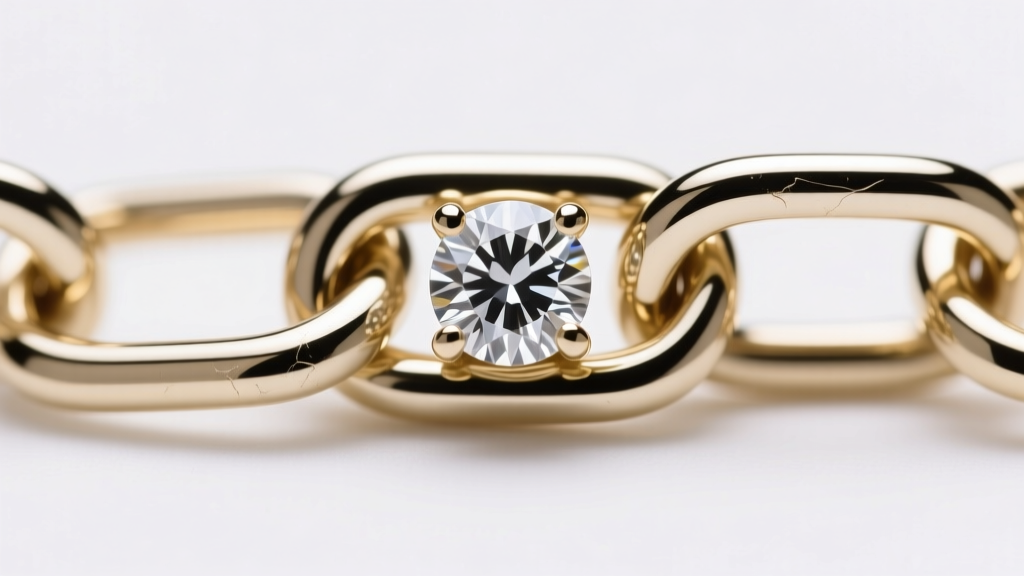
Diamond Setting Techniques
The integration of diamonds into a flexible chain presents unique engineering challenges. The two dominant setting styles in 2026 are micro-pave and flush/bezel. Micro-pave involves setting dozens of sub-2mm round brilliant diamonds along the flat top of the rectangular link using micro-prongs. This yields maximum scintillation but requires a rigid wire core to prevent the links from flexing and popping the stones. Conversely, flush or bezel settings embed the diamond directly into the metal wire of the link. While offering slightly less light return, bezel settings are vastly superior for daily wear, as they eliminate the risk of prong snagging on knitwear.
For the diamonds themselves, the 2026 market heavily favors F-G color and VS clarity grades, particularly in lab-grown stones, ensuring that the melee diamonds appear crisp and colorless against the white or yellow gold links. The Gemological Institute of America (GIA) continues to emphasize the importance of precise cut grades in melee diamonds, as poorly cut stones will appear dark against the highly reflective polished gold of the paperclip links.
2026 Market Pricing: Lab-Grown vs. Natural Diamonds
The pricing landscape for diamond-encrusted chains has been heavily disrupted by the maturation of the lab-grown diamond market. Below is a comparative pricing matrix for a standard 18-inch, 5x15mm 18k gold paperclip necklace featuring approximately 2.50 carats total weight (ctw) of round brilliant diamonds.
| Material & Diamond Type | Average Carat Weight (18") | 2026 Price Range (USD) | Primary Market Positioning |
|---|---|---|---|
| 18k Gold / Lab-Grown Pave (F/VS) | 2.50 ctw | $2,800 - $3,600 | Accessible Luxury, Daily Wear |
| 18k Gold / Natural Pave (G/VS1) | 2.50 ctw | $7,500 - $9,800 | Investment, High-End Gifting |
| Platinum / Lab-Grown Bezel (E/VVS) | 1.80 ctw | $4,200 - $5,100 | Hypoallergenic, High Durability |
| 14k Gold / Alternating Stations | 1.20 ctw | $1,900 - $2,400 | Entry-Level Designer |
As noted by National Jeweler, the wholesale price of lab-grown melee diamonds has stabilized, allowing designers to allocate more budget toward heavy gold gram weights and superior chain engineering rather than just the stones. Consequently, consumers in 2026 are getting substantially heavier, more durable gold chains for their investment compared to the lightweight iterations of the early 2020s.
Precision Layering: The 2-Inch Rule and Link Kinematics
The paperclip diamond necklace is a foundational piece in the modern layering stack, but its rigid rectangular links require a specific approach to styling. Unlike fluid snake or box chains, paperclip links have distinct hinge points that can tangle if layered incorrectly. We recommend the 2-Inch Rule to ensure each necklace occupies its own visual and physical space.
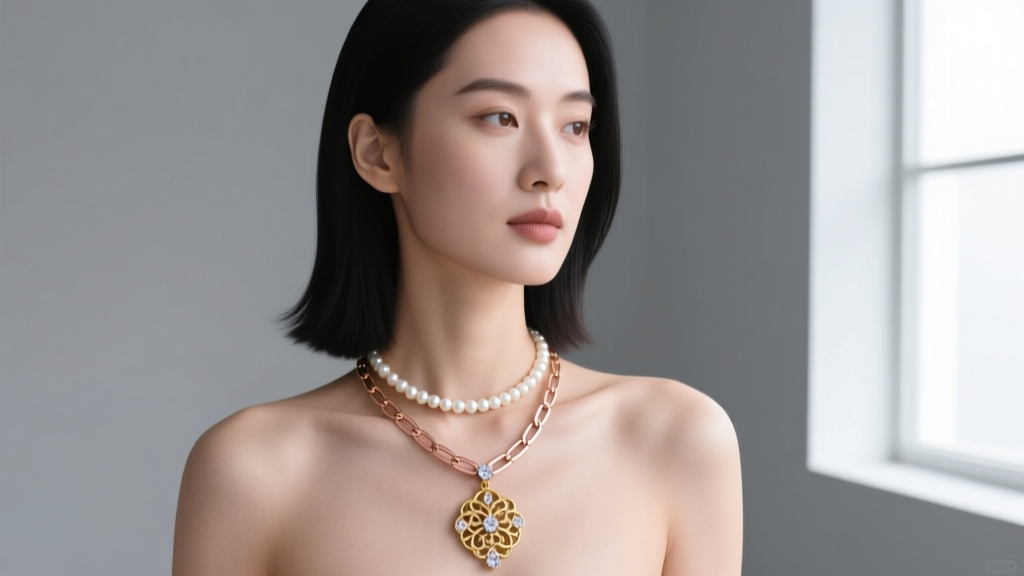
- The Base (14" - 16"): Start with a rigid choker or a continuous strand of pearls. This anchors the stack and sits above the collarbone, completely avoiding the hinge points of the longer chains.
- The Focal Point (18"): This is the optimal length for a standard 5x15mm paperclip diamond necklace. At 18 inches, the chain rests perfectly on the upper sternum, allowing the rectangular links to lay flat against the skin without twisting or kinking.
- The Anchor (22" - 24"): Finish with a heavier, longer chain, such as a thick Cuban link or a substantial pendant on a rope chain. The 4-to-6-inch gap between the paperclip chain and the anchor chain prevents the rigid rectangular links from catching on the pendant's bail.
Pro-Tip: Never layer two paperclip chains of the same link size together. The identical rectangular loops will act like gears, interlocking and causing severe tangling and potential link distortion.
Durability & Maintenance: Preventing Link Distortion and Pave Loss
While visually striking, the paperclip diamond necklace possesses specific failure modes that owners must actively manage. The most common issue is link distortion. Because the links are elongated, applying lateral tension (such as getting the chain caught on a zipper or pulling it over the head forcefully) can cause the 14-gauge wire to stretch, turning the neat rectangles into warped ovals. Once a paperclip link stretches, it loses its structural tension, and any pave diamonds set along that specific link are at a high risk of falling out due to the widened micro-prongs.
Furthermore, maintenance requires a departure from standard jewelry cleaning protocols. Do not use ultrasonic cleaners on micro-pave paperclip chains. The high-frequency vibrations, combined with the natural flexing of the chain links in the liquid bath, can easily shake loose the tiny diamonds. Instead, clean your necklace bi-weekly using a soft-bristled baby toothbrush, warm water, and a mild dish degreaser. Gently brush the underside of the links where skin oils and lotions accumulate, which can otherwise dull the brilliance of the pavilion facets.
Finally, pay close attention to the clasp. In 2026, premium jewelers have moved away from standard lobster clasps that disrupt the geometric flow of the chain. Look for custom-machined paperclip links that function as hidden box clasps, or ensure the jump ring connecting the clasp is soldered shut to prevent accidental unhooking during wear.
Conclusion
The paperclip diamond necklace has successfully graduated from a fleeting minimalist trend to a permanent fixture in the fine jewelry lexicon. By understanding the critical nuances of wire gauge, diamond setting techniques, and proper layering kinematics, collectors and stylists can confidently invest in pieces that offer both striking visual impact and enduring structural integrity. Whether opting for the accessible brilliance of lab-grown pave or the heirloom weight of natural bezel-set stations, the geometric elegance of the paperclip link remains unmatched in modern jewelry design.


